Ribbit Racing Puts Frogs on Bikes and Gives Them Tongues for Weapons
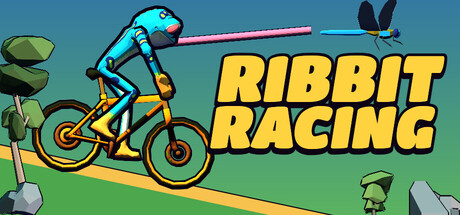
A frog on a bicycle already looks like an accident waiting for a witness. Giving that frog a tongue capable of snatching race-altering bugs adds a useful question: should you concentrate on getting down the mountain, or make somebody else's descent considerably worse? Ribbit Racing builds its pitch around that decision. The bicycle supplies the precarious dignity; the amphibian supplies a way to ruin it.
I am more interested in that combination than in another racing game promising the definitive test of my cornering.
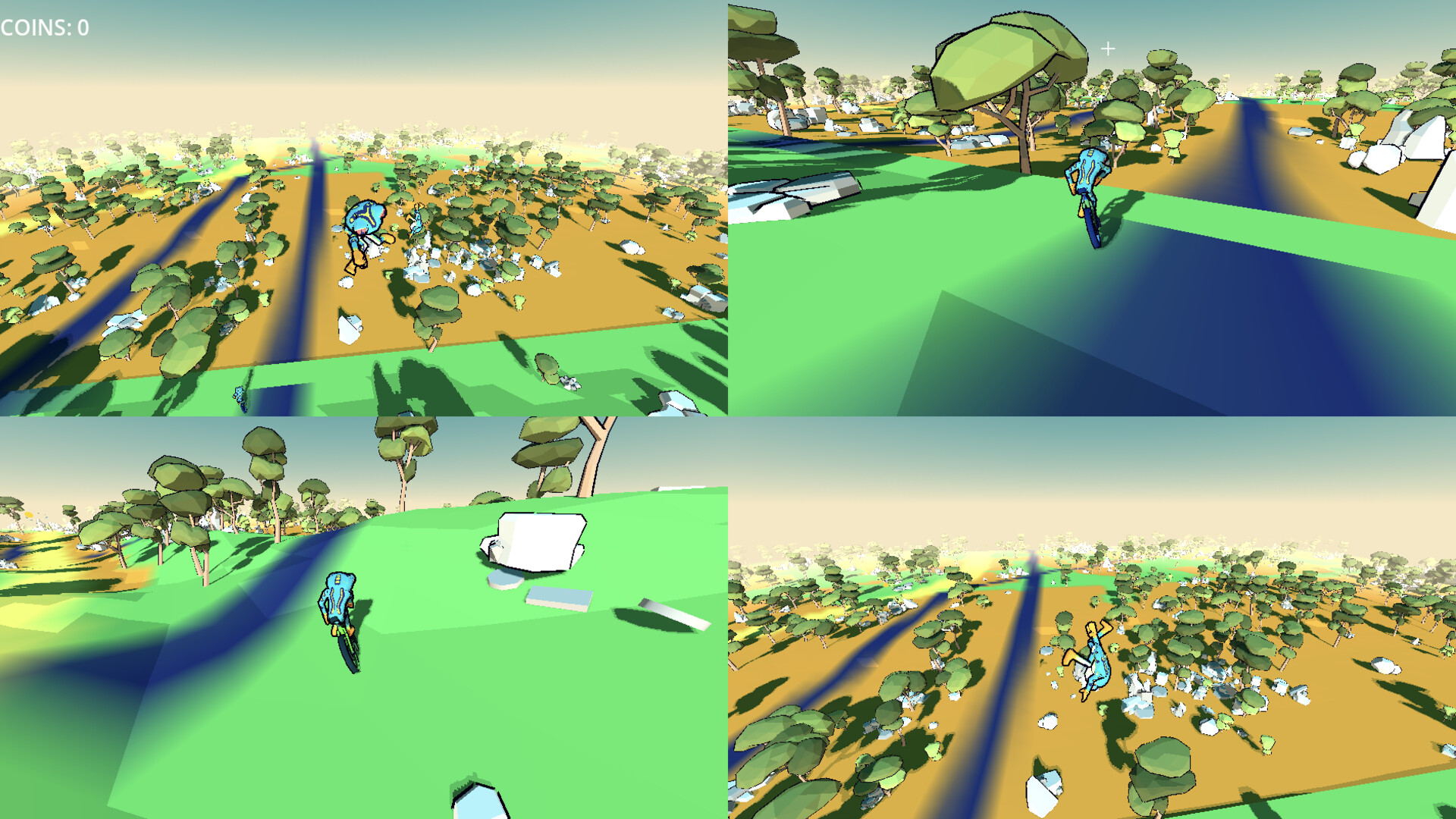
Amphibian Games is both developer and publisher, and the supplied release date is Nov 10, 2026: yesterday, relative to this November 11 spotlight. The asking price is $4.99, with platforms listed as windows, mac. Those are modest stakes for a multiplayer premise this immediately legible. Four friends can share a screen, or up to eight players can race online.
The important qualification is that the supplied Steam snapshot records 0 current players. This is a newly released curiosity worth examining, not a breakout whose audience has already made the argument for us.
The frog is funny; the tongue has to earn it
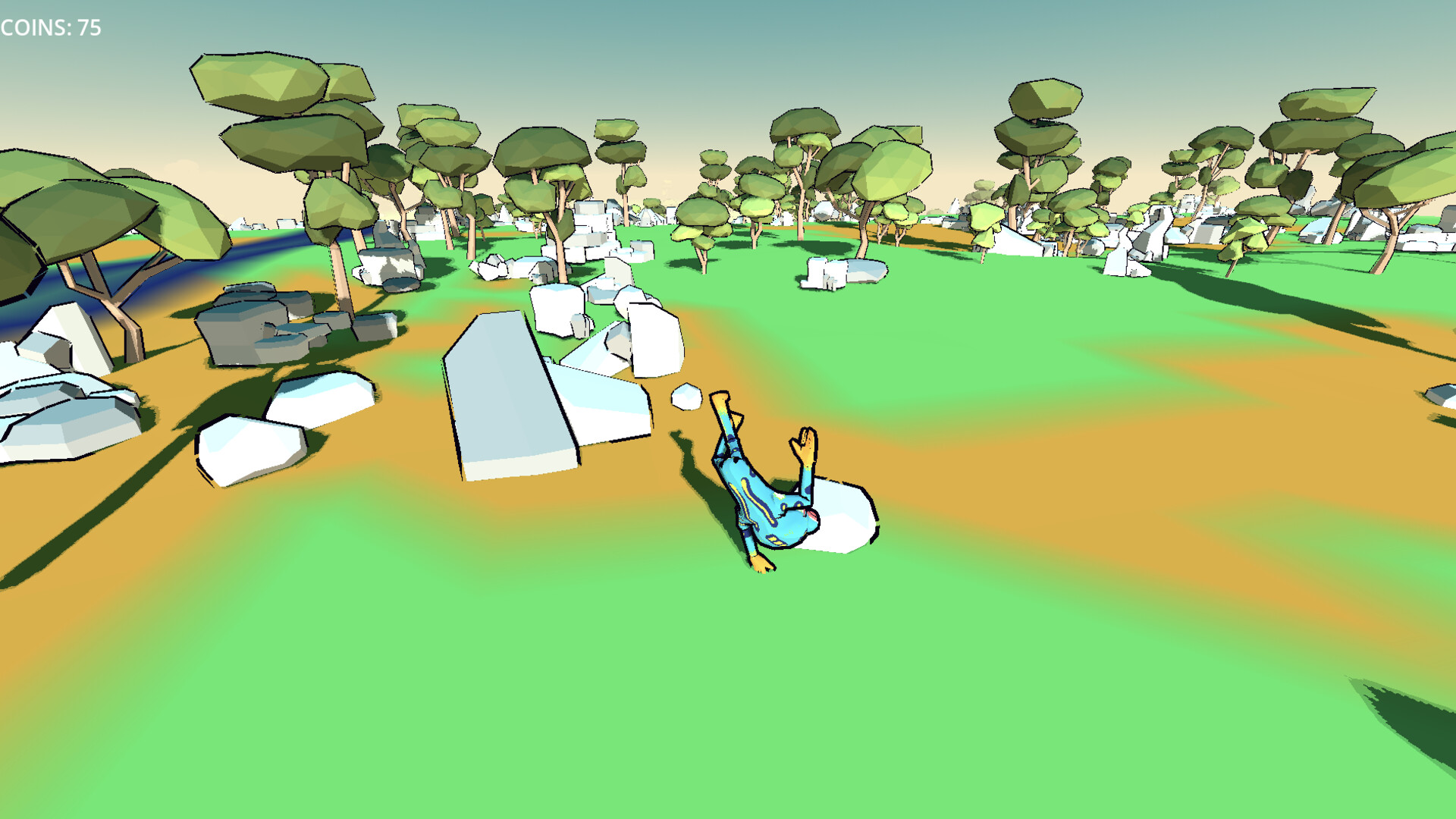
The starting point is the top of a mountain. The destination is the bottom. Between those two sensible locations sit woods, bugs, other cyclists and the likelihood of a crash. That downhill structure gives the absurdity a direction: you are trying to finish a race while the game encourages the sort of interference that makes finishing less dignified. The official description even crosses its wires between crashing and racing.
At least the priorities are clear.
What makes the premise worth a second look is the tongue. Bugs are things you actively catch by flicking it, and eating one gives you a power-up. The listing says those bugs can buff you or hinder your friends. That puts an extra action alongside riding: spotting an opportunity, trying to collect it, then benefiting from whatever disruption follows. A frog is therefore more than a substitute driver model.
Its most recognisable anatomical feature becomes part of the contest.
Mario Kart is the useful comparison for the promise of a race repeatedly interrupted by advantages and sabotage. Ribbit Racing's distinguishing proposal is to make acquiring those advantages an act of amphibian opportunism, then send everyone downhill on bikes through generated courses. That is a specific enough variation to interest me.
It does not establish that the handling, item balance or recovery after a collision will be good; those are precisely the parts a comic premise cannot answer on its own.
Dinner is a racing decision
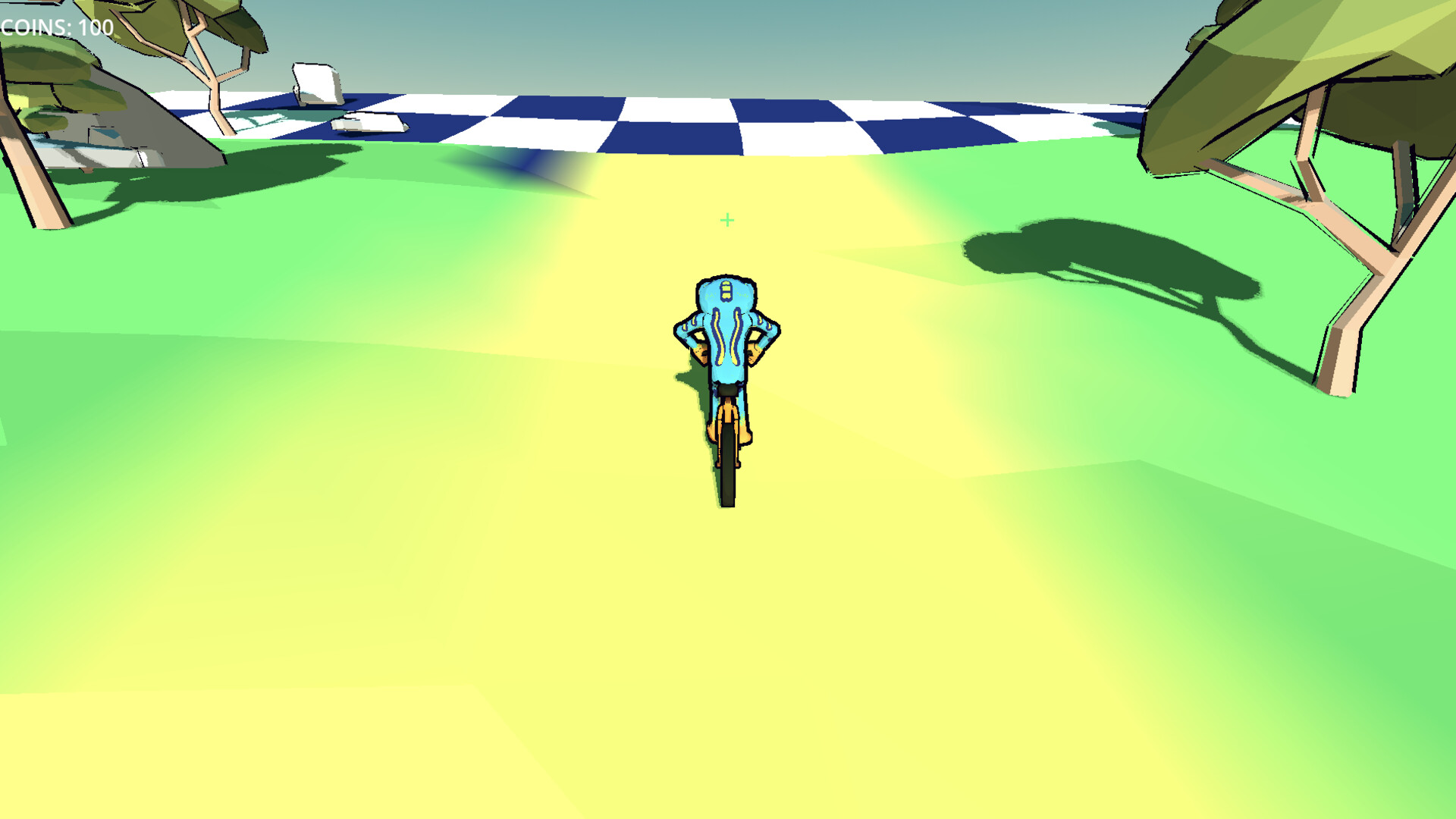
The advertised minute-to-minute loop is easy to picture without pretending to have played it: ride down the course, look for bugs, flick your tongue to eat them, use the resulting advantage and keep trying to reach the finish. Other riders have the same opportunities.
A bug that helps you is also a reason to divert attention from the route, which is where the design becomes more interesting than the phrase “frogs on bikes” suggests. Collecting a useful thing and surviving the trip must share your attention.
I like the potential conflict between racing efficiently and racing obnoxiously. A power-up that hinders a friend has a social value beyond its effect on position: it gives the next crash an author. That is an interpretation of the advertised setup, not a report from a session. The listing does not identify individual bugs, explain their effects or say whether catching them requires delicate aim.
Any judgement about the tongue's actual skill ceiling would be premature.
Crashing is explicitly part of the appeal, which raises the most important mechanical reservation. A funny collision can rescue a losing race; repeated interruptions can also make steering feel irrelevant. Ribbit Racing needs its accidents to leave room for intention. I would want the tongue, the bike and the course to give players enough influence that a disastrous finish produces a rematch rather than a shrug.
The official material offers the ingredients for that balance, but no evidence that it achieves it.
A new mountain cannot do all the work
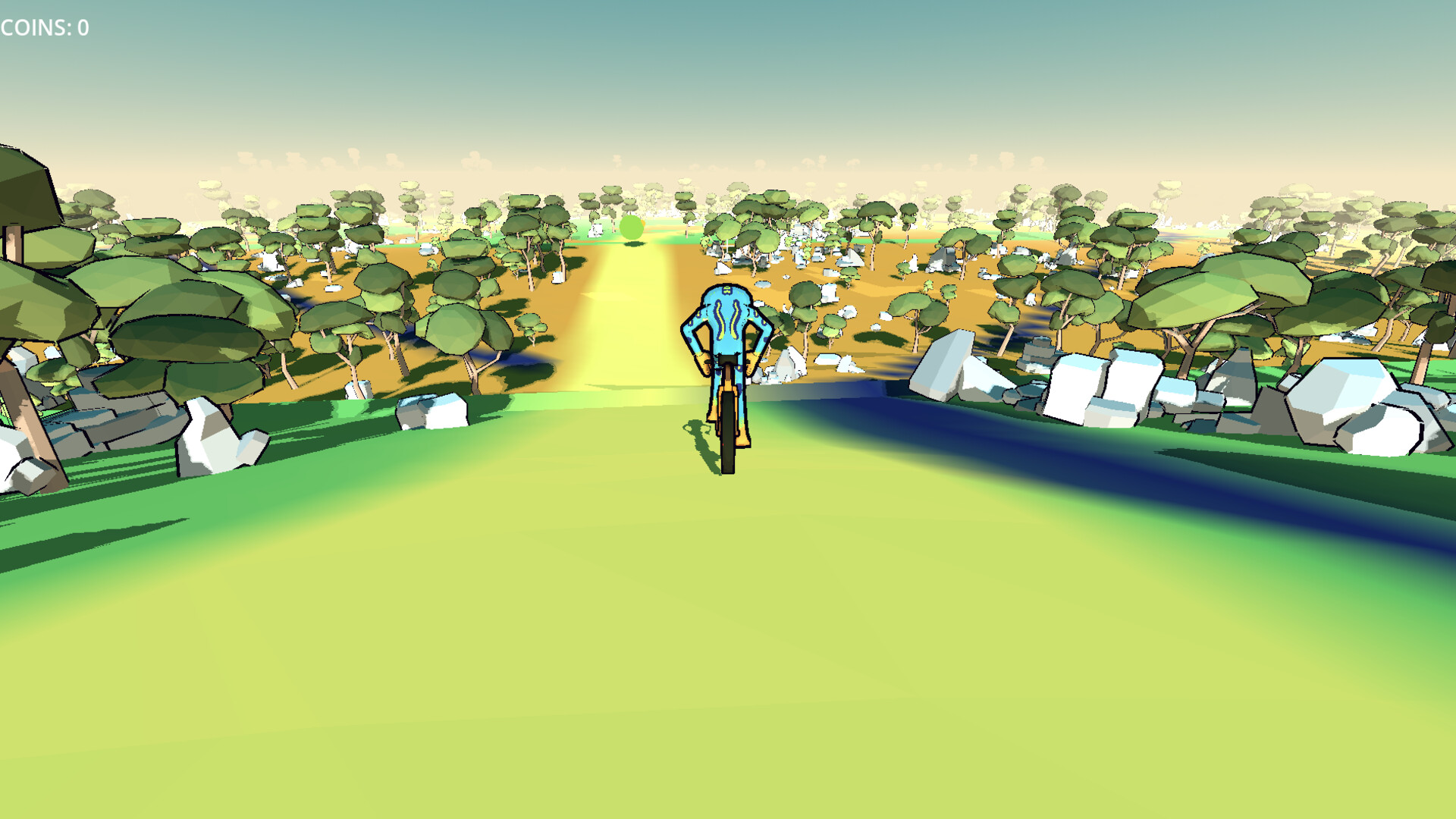
Every course is generated, according to the listing, with a new track each race. That changes the kind of repetition being sold. Instead of returning to an identical circuit and polishing the same sequence of turns, the pitch asks you to adapt to the next descent. For a group that includes somebody who habitually memorises every racing line, that could be an appealing disturbance.
Familiarity with the controls would still matter, but memorising one course would not settle the evening.
Generation also needs to produce interesting decisions. “No two are the same” says nothing by itself about how different two races feel, how readable the route is or how often the terrain creates a good opportunity for interference. I would take a small selection of excellent fixed courses over endless forgettable ones.
Ribbit Racing's approach earns curiosity because it fits the scramble of its premise; it has not earned a free pass on course design simply by making the courses variable.
Rallies provide the other stated structure: multi-stage races. That is the supplied information about how individual descents become something larger. There is no stated stage count, campaign length, permanent upgrade system or unlock schedule, so there is no basis for promising a long progression ladder. The confirmed upgrades are the bugs' race-time power-ups.
The potential lasting attraction is another contest on another generated course, with rallies offering a reason to care beyond one finish line.
Four people on a sofa is a different proposition
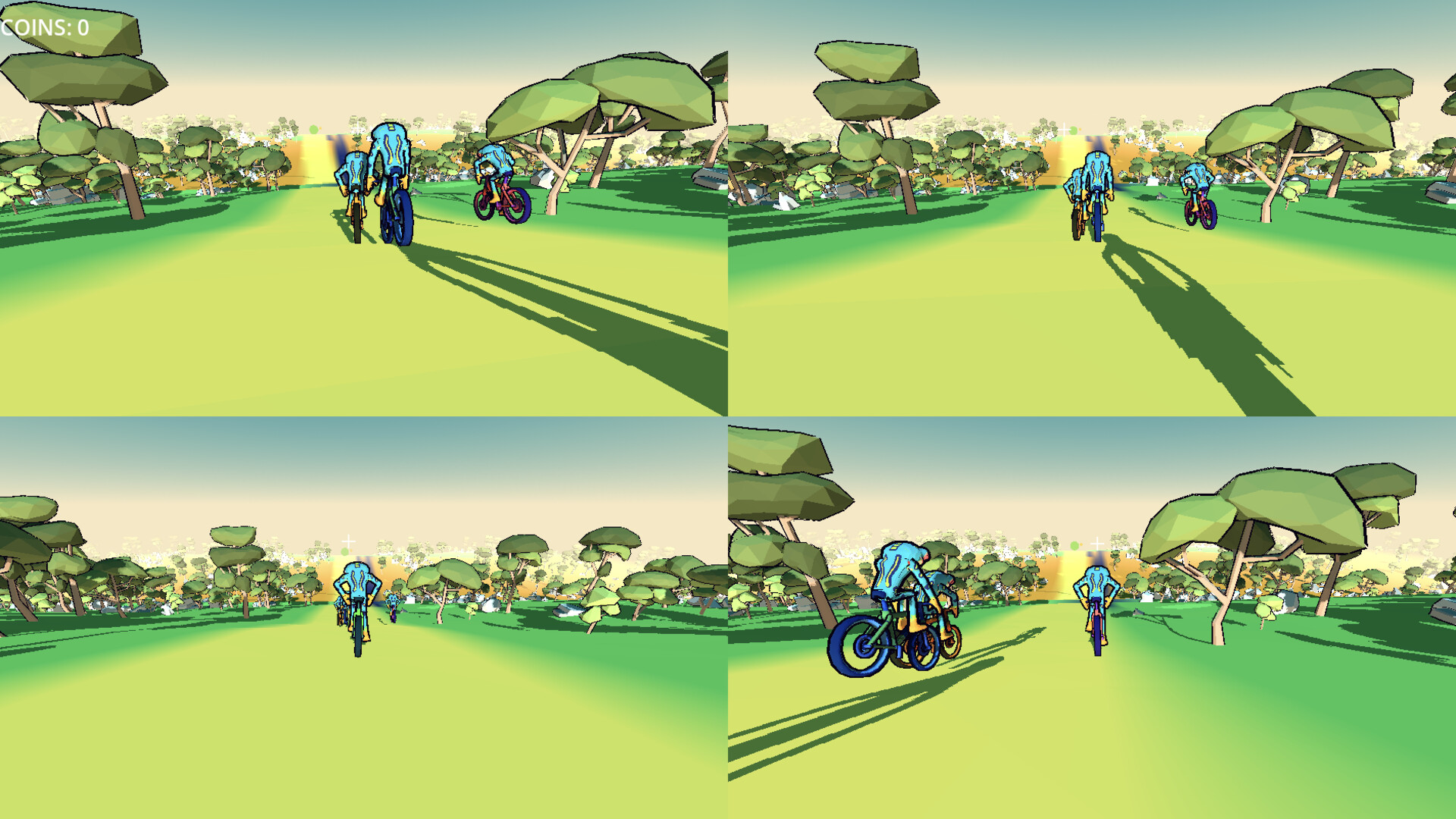
The strongest practical feature may be the least exotic one: up to 4 players locally in split-screen. That gives the frog joke an immediate audience and gives each act of interference somebody nearby to blame. Full gamepad support is also listed. For a group looking for a small racing game to organise around a shared screen, those two details are more persuasive than a promise of limitless procedural variety.
They describe a concrete way to spend an evening.
Online racing raises the limit to 8, but a capacity is not a community. The supplied 0 current players is a single snapshot, not a history of how many people have bought or tried the game. It nevertheless matters if your plan is to arrive alone and expect opponents to be waiting. Bringing friends makes the advertised multiplayer proposition much easier to assess.
Buying specifically for spontaneous online company would require confidence that this dataset does not support.
The listing does not establish a solo mode, AI opponents or an offline campaign. I would therefore avoid treating Ribbit Racing as a dependable solitary purchase on the strength of this information. Its clearest audience is people who can assemble a race themselves, particularly a local group attracted to short-term sabotage and ridiculous vehicles.
If what you want is a carefully documented single-player climb through events and upgrades, the supplied pitch leaves your central question unanswered.
Yesterday's launch, not tomorrow's success story
At $4.99, Ribbit Racing is priced low enough to make its narrow, memorable idea tempting. The value question is still about what sustains the joke: tongue-based bug collection, changing courses, multi-stage rallies and the behaviour of the people racing beside you. No track count, rally count or estimate of content length is supplied.
Generated courses support variety as a design intention; they do not let me attach a number of hours to the purchase or declare that it contains endless entertainment.
There is also a small but telling mismatch in the official text. The supplied release field says Nov 10, 2026, while the description still asks readers to wishlist the game to be notified when it launches. I would use the explicit release field for its status and treat the wishlist sentence as outdated copy.
Yesterday's launch is the reason for this week's attention, but that leftover line is a reminder to distinguish the listing's concrete information from its promotional housekeeping.
No total review count, review score or discount is supplied. There are no supplied player quotes, either, so there is no honest way to quote two satisfied racers or tell you what an audience is saying. The only audience number here is 0 current players, and it cannot prove traction. Calling this game hot would turn an editorial recommendation into an invented success story.
The case for featuring it is earlier and more tentative: a fresh release with an unusually coherent comic hook, a clear multiplayer format and a small asking price.
My interest comes down to the relationship between the frog and the racing. The tongue gives the animal a job, the downhill course gives the bike a predicament, and local split-screen gives the resulting indignity witnesses. That is enough to put Ribbit Racing on a group's shortlist, with the reservation that its handling and generated tracks still have to carry the joke. Bring willing rivals if you try it.
Readers who need proven online activity, documented solo content or a substantial progression system should wait for firmer evidence.