PIERCING Makes Missed Beats Your Childhood Friend’s Problem
The food is free. The water is free. The catch is that an eerie stranger wants you to play a rhythm game, and a missed performance puts an earring into the bargain. PIERCING has found a particularly unpleasant answer to the question of how to make a timing mistake matter: involve the childhood friend who just saved your life. Most rhythm games are content to bruise your pride. This one has a piercing simulator attached.
Buri Games, both developer and publisher, released PIERCING on Nov 12, 2026, for windows at $6.95. That makes today, November 13, its first full day after release. The official listing pitches a short yuri dark fantasy in which smashing panels to the beat and surviving alongside your friend Asha belong to the same terrible arrangement.
I keep coming back to that connection: a mechanical failure becomes something intimate, rather than a red mark on a results screen.
The meal comes with terms and conditions
You play Lin, a woman who works as a tailor until a monster destroys her hometown. Lin freezes; Asha takes her hand and gets her out. They then wander without food, looking for somewhere to live, until a Sage offers food and water in exchange for playing a game. Payment arrives whether you win or lose. Failure changes what the Sage demands in return.
It is a survival bargain designed by someone who has correctly identified that starving people have limited negotiating power.
There is a wrinkle in the official wording worth keeping visible. The short description says failure forces you to give your childhood friend a piercing; the longer description quotes the Sage telling you that you will have to wear an earring. Those passages do not cleanly establish the same recipient. I would not settle that discrepancy by inventing a plot explanation.
What both make clear is the hook: rhythm-game performance is tied to a coercive piercing contract, and the relationship between Lin and Asha gives that contract its emotional weight.
The listing describes Asha as someone who loves you to death, which is an efficient phrase to drop into a doomed-world romance. Affection is already present before the Sage arrives; this is not a premise built around collecting approval from a stranger. Asha has acted when Lin could not. That makes the prospect of failure affecting their journey more interesting than an abstract punishment meter.
The person caught in this bargain is the person who took your hand when your town fell apart.

Your timing has consequences beyond the score
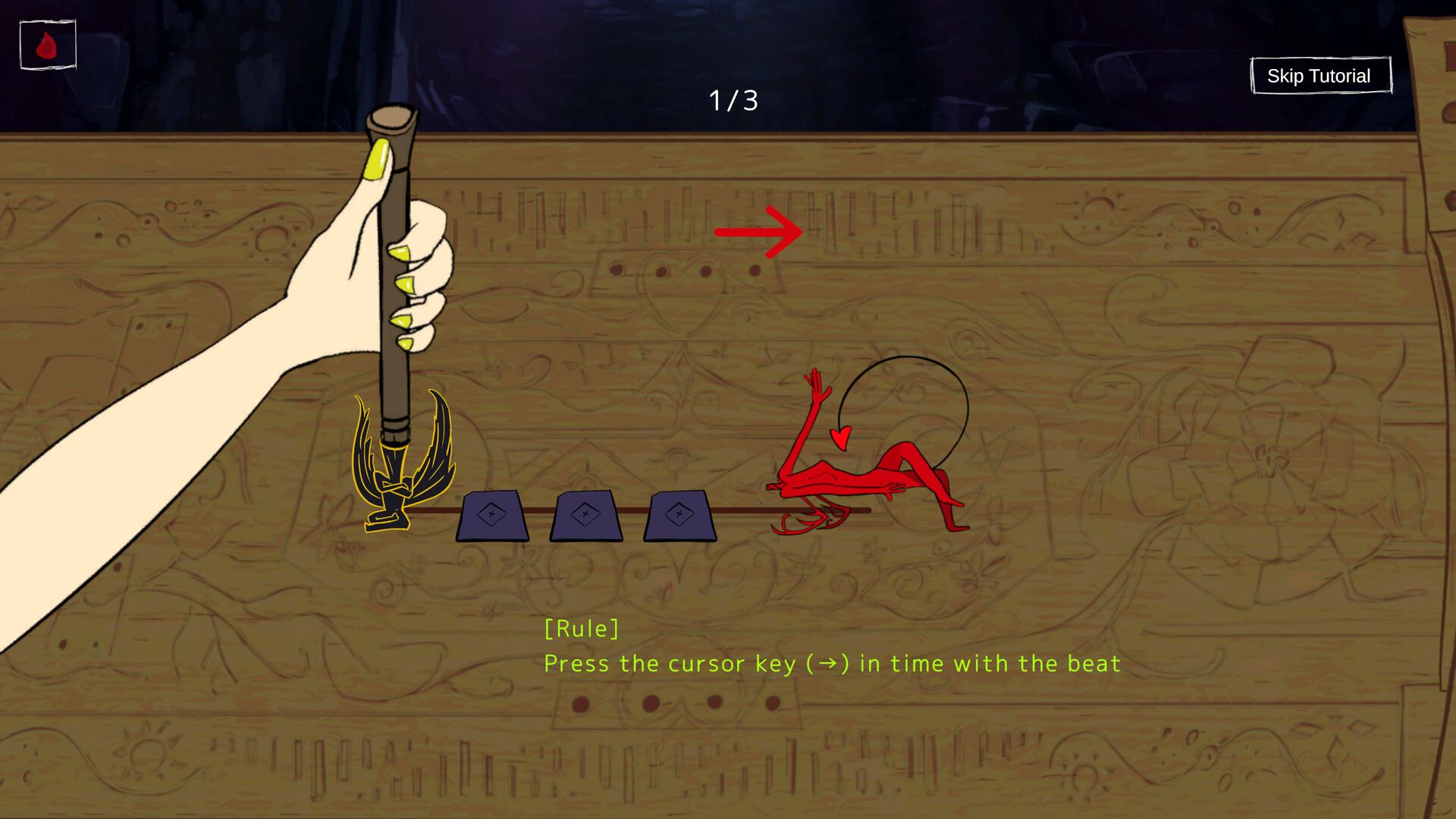
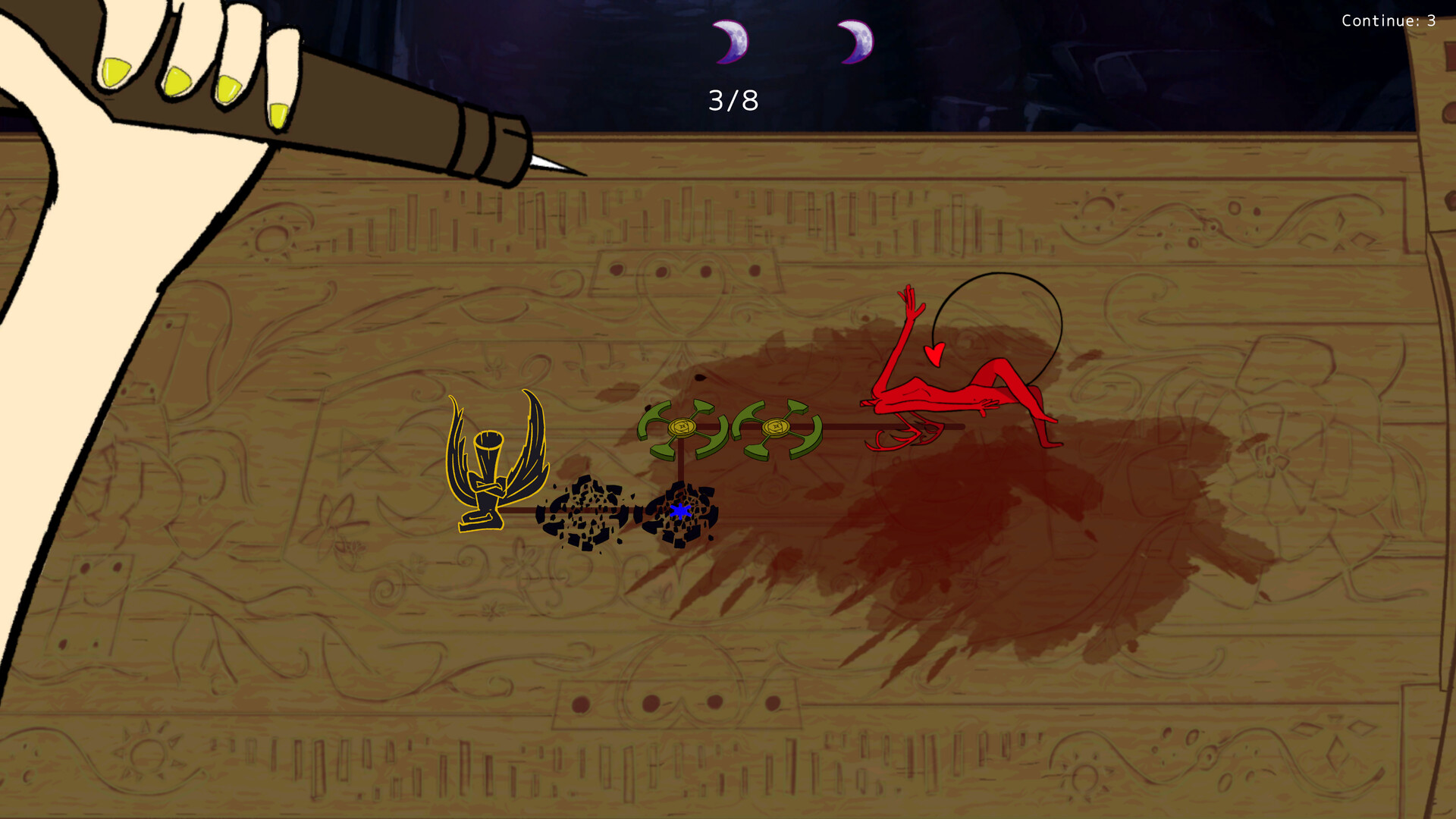
The action described by the listing is direct: bring a pointed tool down to the beat and smash panels in sequence. There are 59 stages. That is the minute-to-minute proposition to assess before the dark romance does all the selling. You need to want repeated timing challenges, because the story’s unusual stakes cannot, by themselves, make striking panels satisfying.
I have not played PIERCING, so the precision of its inputs and the quality of its musical phrasing remain open questions.
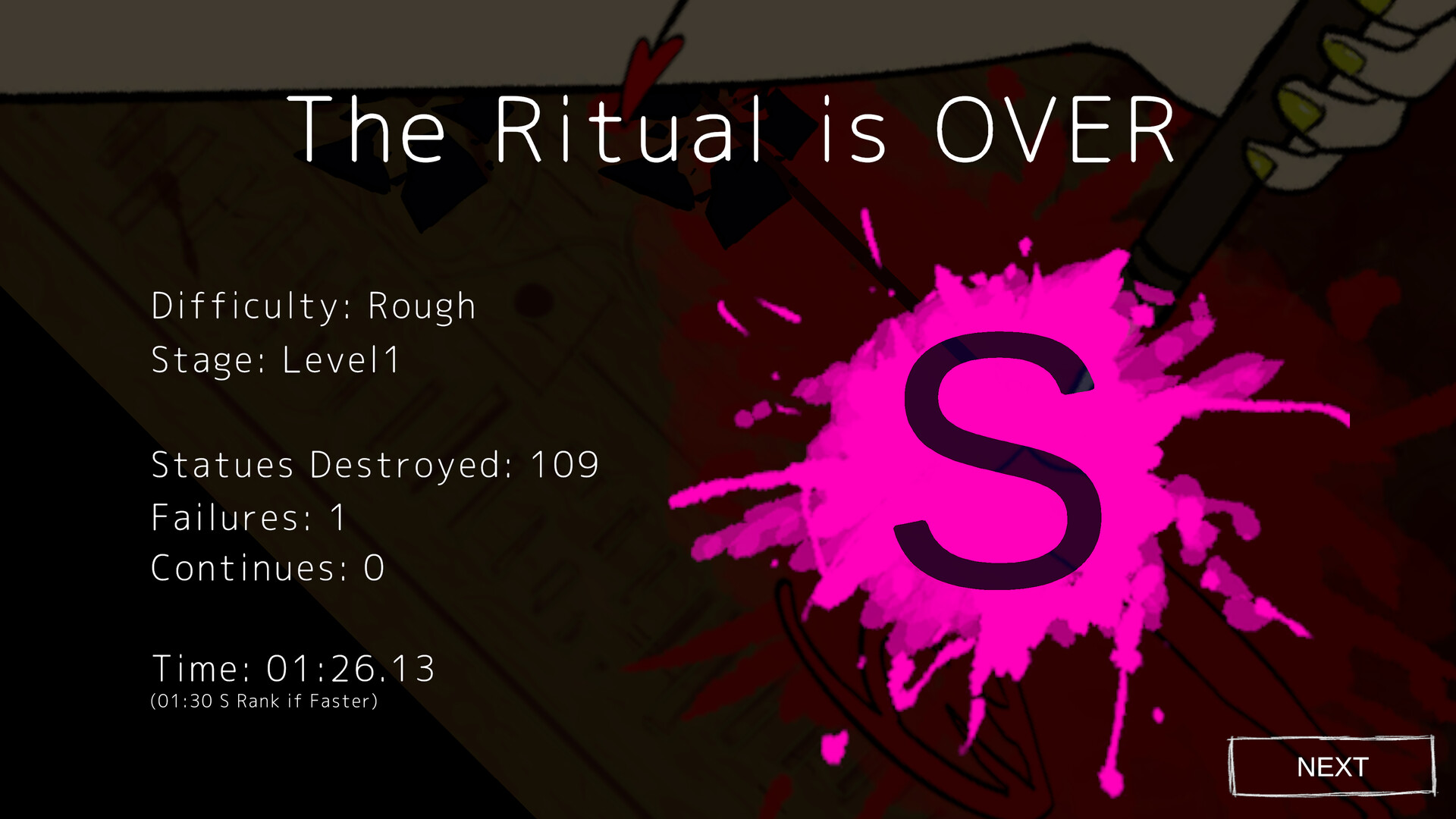
What earns attention on paper is the failure structure. The story continues even when you fail the rhythm game, while your performance changes the ending. That removes one familiar frustration: having to demonstrate sufficient dexterity before being allowed to see another piece of the narrative. Here, poor performance remains part of your progress.
Whether that feels merciful or threatening depends on how much you want to avoid the consequences, which is a useful tension for a game about accepting a dreadful deal.
Papers Please is a helpful comparison for the relationship between a repeated task and the people affected by it. Its administrative work supplies the pressure; PIERCING puts a rhythmic action in that position. The comparison has limits: nothing in this listing establishes the same kind of political decision-making or resource management.
What interests me is the shared dramatic possibility that doing your job badly can become a story event. PIERCING’s particular move is to carry that consequence into a bodily, romantic context.
The listing describes a journey through authored stages, followed by an endless mode unlocked when you reach an ending. It does not describe equipment upgrades or a build system, so there is no basis for promising the escalating combinations of Vampire Survivors.
The progression on offer is clearer and narrower: advance through rhythm challenges, reach a performance-dependent conclusion, then gain a mode that lets the rhythmic activity continue. Anyone shopping for elaborate character optimisation should adjust their expectations before buying.
Fifty-nine stages, thirty earrings, one awkward bargain
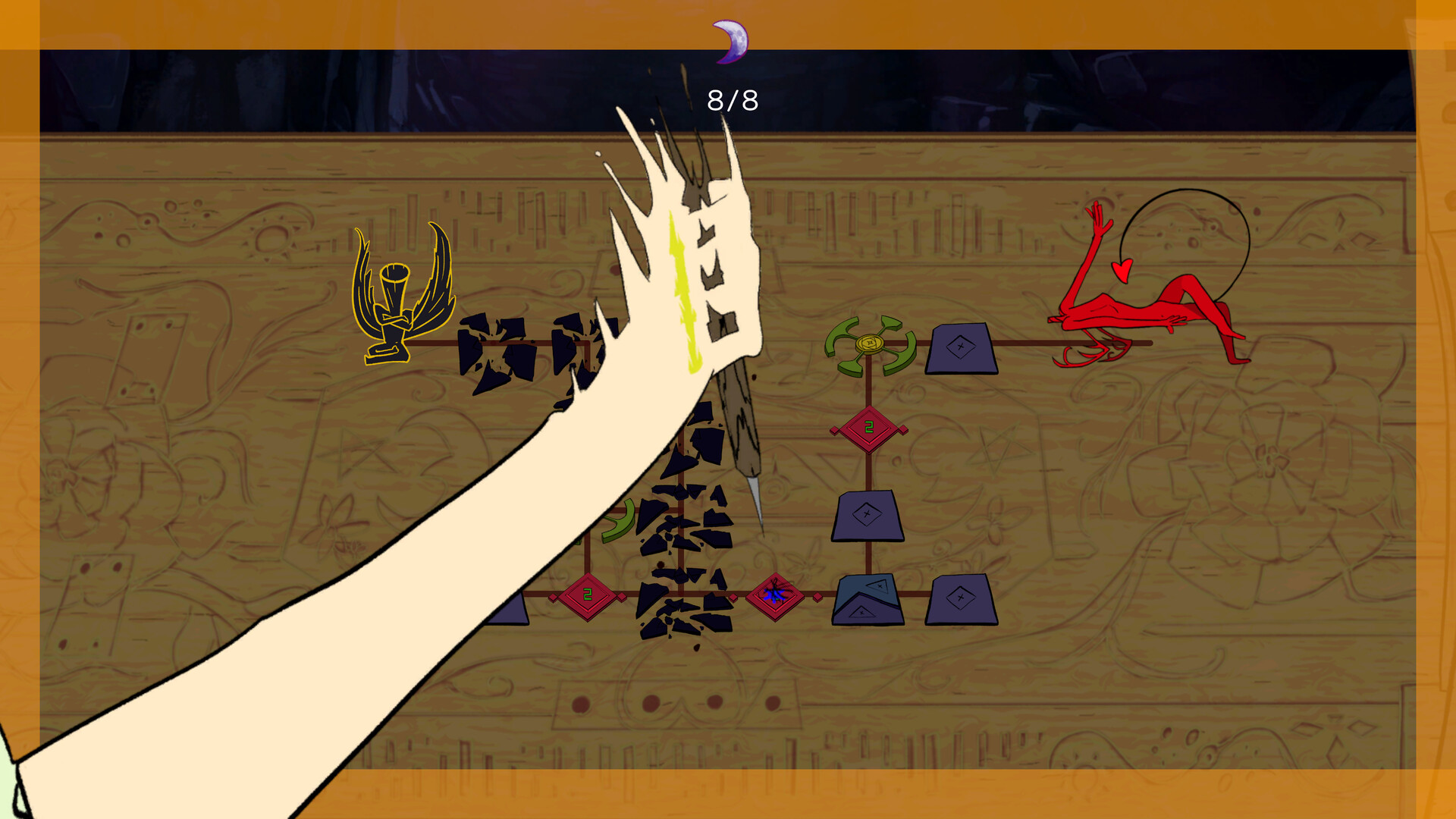
The piercing portion is presented as a simulator that takes you through every step of the process, with 30 types of earrings. That makes it a substantial part of the stated pitch, rather than a punishment mentioned only in dialogue. The appeal is also the reservation.
A game can make an uncomfortable ritual compelling, but people interested mainly in rhythm action may find that the close attention to piercing asks for a very different kind of participation.
PowerWash Simulator offers a useful mechanical point of contrast: its appeal rests partly on turning a physical procedure into a sequence of deliberate actions. PIERCING likewise advertises attention to a process, but places that process inside a coercive bargain involving bodies and affection. I would not expect the same emotional comfort from completing the steps.
That shift is the reason the simulator label catches my eye here. Finishing a procedure is a more complicated pleasure when the premise has made you uneasy about why it is happening.
Buri Games estimates 1–2 hours of playtime. That is the developer’s estimate, not a measured completion time from me. Set beside 59 stages and 30 earring types, it suggests a compact work with several forms of interaction packed into a short span. Those counts do not establish stage length, musical variety or how differently the earrings function.
They give the $6.95 purchase a useful outline, while leaving the quality of the transitions between story, rhythm and simulation to be judged through play.
Endless mode gives the rhythm component somewhere to go after an ending, but it does not automatically make this a bottomless score chase. The listing supplies no detail about scoring depth or the variety that mode generates. My interest is in the short, complete dramatic proposition: can a panel-smashing game make me care about failure because of who has to live with it?
Extra time with the mechanics would be welcome if they hold up; it is not the strongest reason to buy the game described here.
One player is a starting point, not a phenomenon
The supplied Steam snapshot records 1 current player. That is the only audience measurement available here, and it does not support a breakout-hit story. It is a concurrent count, not a sales total or a lifetime player count. There is no supplied total-review figure, review score or discount, and the player-quote field is empty.
I cannot honestly tell you that players are praising its music, defending its ending or arguing about Asha. There is no testimony here to quote.
So the reason to feature PIERCING this week is specific: it launched yesterday, costs $6.95, and connects two mechanics that give each other an unusually sharp edge. The rhythm game supplies the possibility of failure; the piercing simulator makes the consequence concrete; the romance supplies someone to care about. That is an editorial case for looking, rather than evidence that a crowd has already arrived.
With 1 current player in the supplied snapshot, discovery is the story, not popularity.
Asha is a companion in the fiction, but that should not be mistaken for a promise of co-op. The supplied description follows Lin’s perspective and does not establish a multiplayer feature. Approach this as an individual narrative and rhythm proposition, without planning a shared-controller evening around an unsupported assumption.
Its strongest social possibility may simply be the conversation the premise provokes: how much worse does missing a beat feel when a game refuses to leave the mistake on the score screen?
Know which kind of discomfort you want
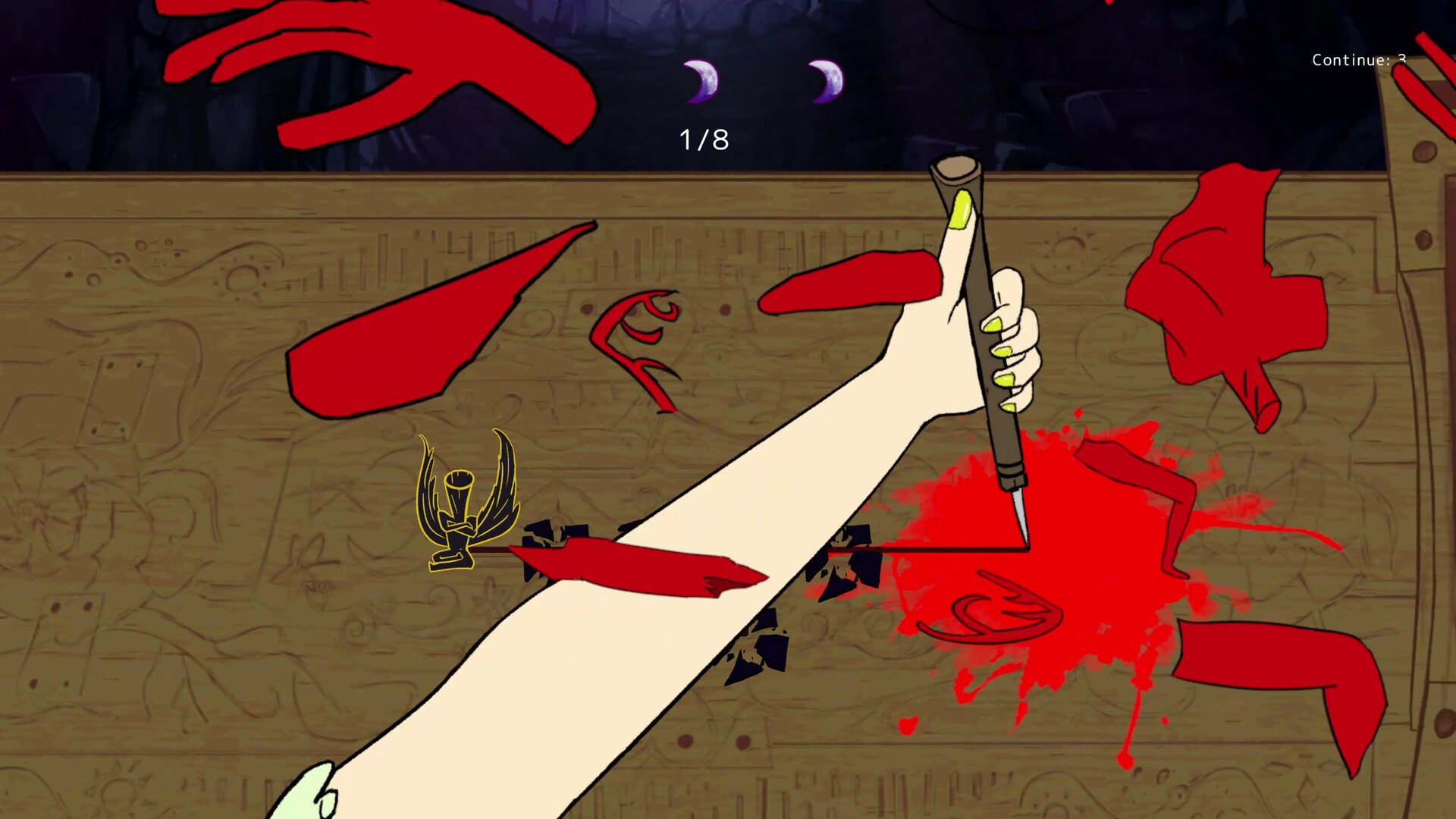
There is a practical accommodation for players sensitive to blood: the colors used in both the rhythm game and piercing scenes can be changed. That is welcome, but changing a color does not remove the underlying subject. If the piercing process itself bothers you, the listing gives every reason to take that reaction seriously.
The developer also explicitly warns that the scenes use improper procedures and must not be treated as a guide to real-life piercing. The simulation serves this fiction; it is not instructional material.
My reservation is that this premise makes a large demand on two unverified qualities: the feel of the rhythm game and the care of the writing. If either is thin, the contract risks becoming an elaborate excuse to repeat an uncomfortable scene. Fifty-nine stages cannot answer that concern, and neither can 30 earrings. Still, allowing failure to carry the narrative forward is a promising structural choice.
It gives the discomfort a potential purpose beyond simply stopping you until you perform correctly.
PIERCING looks best suited to readers who want a short yuri dark fantasy, accept bodily discomfort as part of its subject, and like rhythm challenges with narrative consequences. Skip it if you want a reassuring procedural sim, a verified co-op game or a purchase backed by substantial supplied player testimony.
For $6.95, Buri Games is offering a very particular invitation: keep time while a starving tailor and the woman who saved her endure a stranger’s bargain. That is peculiar enough to deserve a closer look on its first week.