More Than A Woman - Season 1 Saves Its Body-Changing Twist for the Crescendo
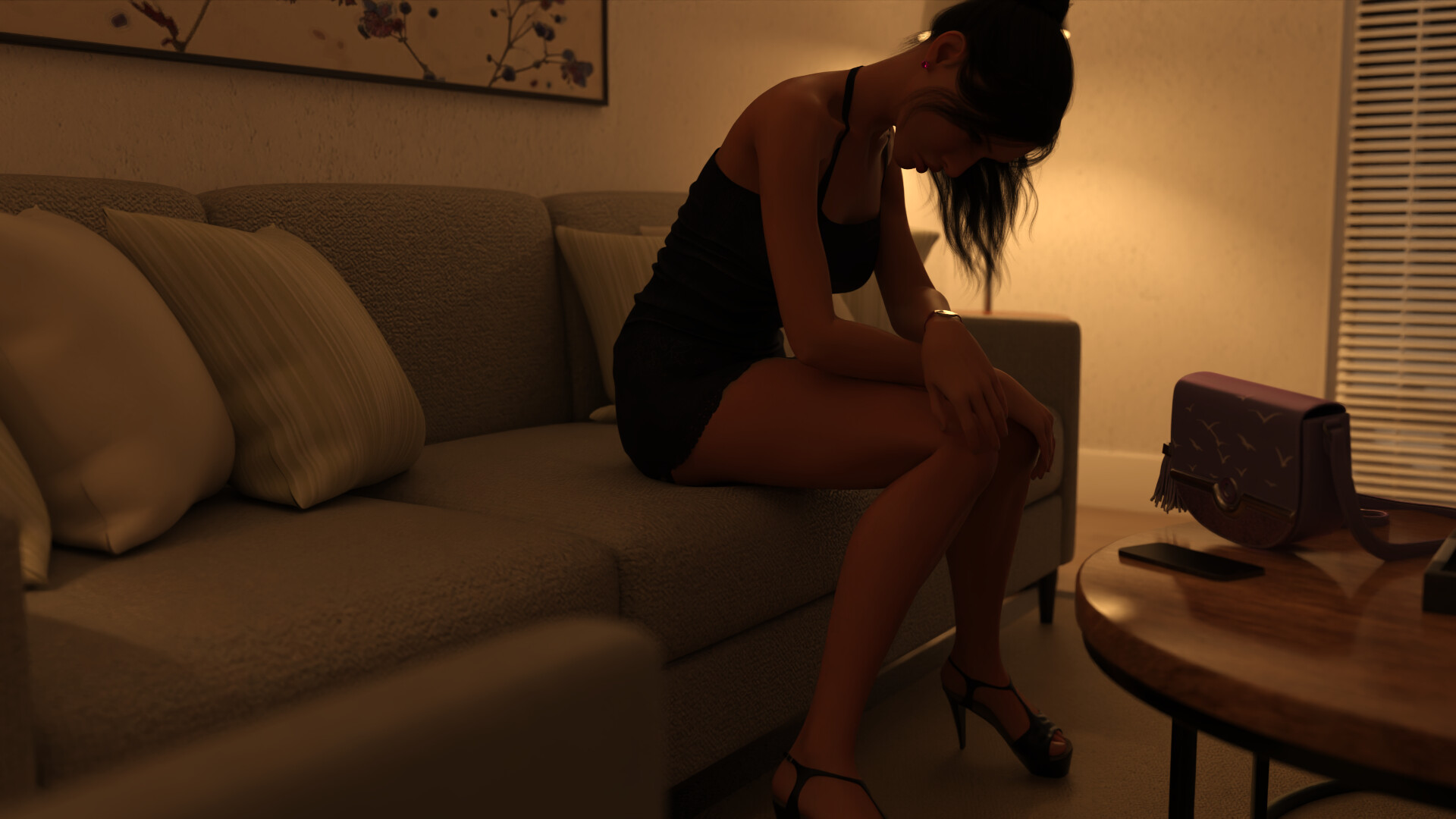
An increasingly distant boyfriend, a best friend with unspoken feelings, and a chauvinistic director: Hana already has enough trouble to fill an appointment book. Then her body undergoes an impossible transformation. The sharpest detail in More Than A Woman - Season 1, though, is that its biggest disruption apparently has to wait its turn. Light Horse Games puts the transformation at the season’s crescendo.
Even supernatural upheaval must queue behind work and relationship problems.
Released Nov 11, 2026, this debut from developer and publisher Light Horse Games costs $12.59 and lists its platforms as windows, mac, linux.
That makes it a day-old release as of November 12, with a pitch more particular than its broad Casual, Indie genre labels suggest: a kinetic visual novel about an aspiring actress approaching her 22nd birthday, whose questions about career, intimacy and identity become impossible to keep separate.
The supplied Steam snapshot records 38 current players. That is a modest audience, not evidence of a breakout, but it gives this newly launched story a concrete present tense. The reason to look now is the combination of that fresh release and an unusually explicit creative bargain: accept a fixed narrative, accept a slow build, and see whether Hana’s ordinary disappointments can make an extraordinary change matter.
The impossible part can wait
The listing calls this a futanari story, making a fantastical bodily transformation central to its exploration of sexual and gender identity. It also goes out of its way to warn prospective readers that the transformation arrives late in Season 1. That warning is useful criticism of the sales pitch, supplied by the developer itself.
The advertised premise and the immediate reading experience are deliberately separated by substantial narrative groundwork.
I find that tension more interesting than the transformation alone. Hana is already being pulled between other people’s expectations: a boyfriend withdrawing from her, a friend whose feelings she is not ready to accept, and a director making her working life difficult. A body-changing event could become another demand imposed on her. The promising question is whether the story lets her develop an answer of her own.
That is a reason to read, rather than merely a reason to inspect the premise.
It is also where the game takes its largest risk. Readers attracted chiefly by the transformation may find themselves waiting through precisely the material the studio considers essential. Readers interested in the career and relationship drama may be more receptive to that structure. Neither preference is a failure of attention.
The store is selling anticipation as part of the experience, and you should buy it only if anticipation sounds like a pleasure rather than a withheld purchase.
Your main input is attention
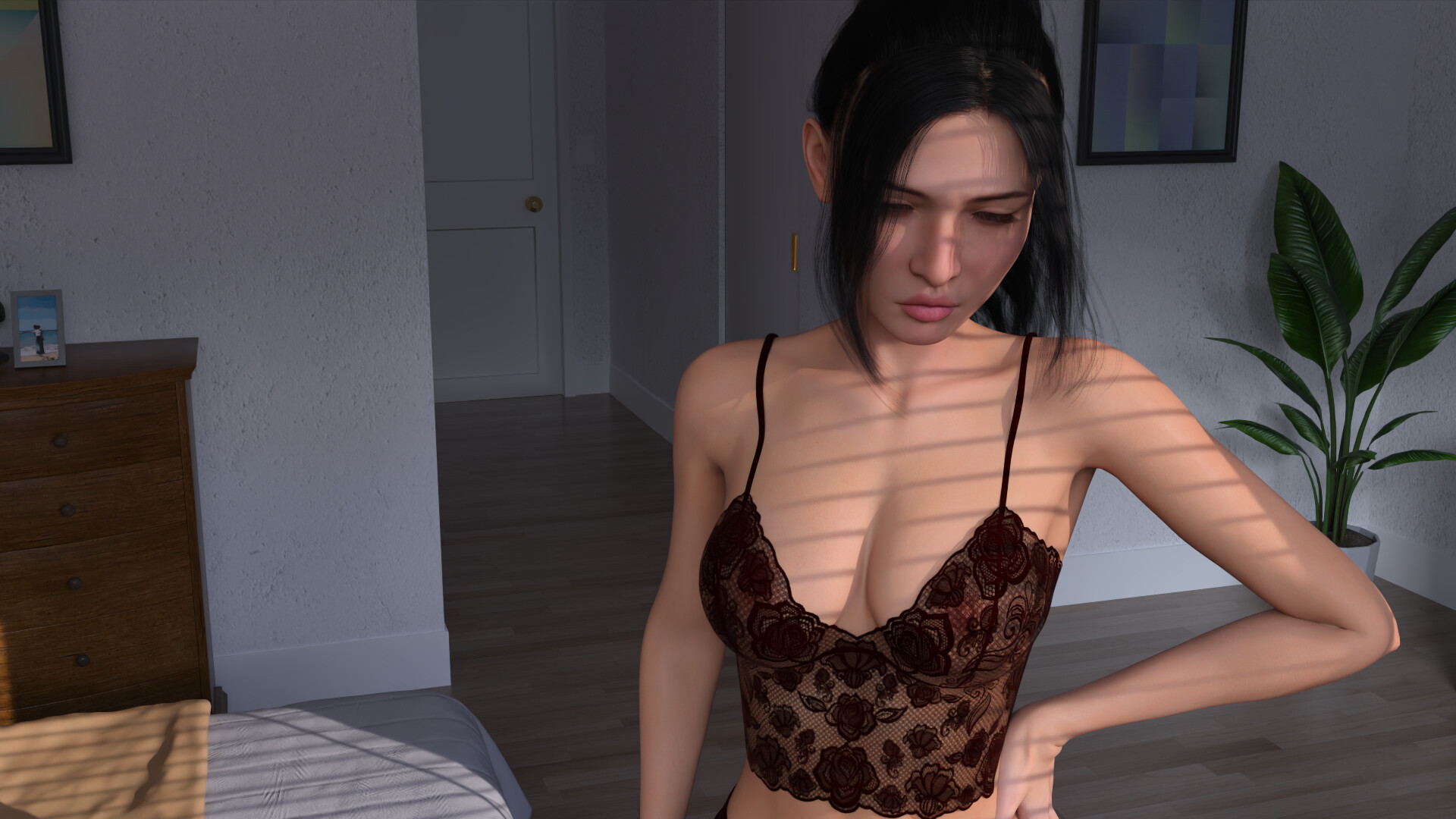
Minute to minute, the central activity is following Hana’s story. This is a kinetic novel: Light Horse Games promises one cohesive narrative without branching paths. You are not being asked to steer her toward a preferred partner through a series of decisions, or repair her career by balancing an invisible collection of relationship scores.
The pleasure has to come from what happens, how it is written, and whether you want to keep reading.
Papers Please is a useful comparison by opposition. If the appeal of a pressured working life is making consequential decisions yourself, Hana’s conflict with her director does not promise that kind of participation. Here, the studio has chosen to keep character and narrative direction in its own hands.
There is no basis to call this a borrowing from Papers Please; the comparison marks a difference in what the reader is responsible for.
That choice can be liberating. I do not automatically need a romance to stop every few minutes so I can guess which response the writer has designated emotionally correct. A fixed story can let an awkward conversation remain awkward without turning it into an optimisation problem. But removing branches also removes an easy source of replay variation.
The writing must supply the reason to return; a second route will not do the work for it.
No spreadsheet required for affection
The feature list is almost comically firm about the systems it leaves out: no stat grinding, no phone interfaces, no currency systems and no intrusive minigames. This is a romance that would like you to stop checking your balances. For anyone who has ever felt that fictional intimacy was becoming an administrative job, that is a persuasive little manifesto.
Its value depends on whether the uninterrupted scenes deserve the space they receive.
There are consequently no advertised runs, upgrade ladders or resource economies to assess. Progress means moving through a single authored story, with a longer romantic arc planned across several seasons. Looking for a repeatable loop here would misidentify the proposition. The equivalent question is whether each encounter changes your understanding of Hana enough to carry you into the next one.
The listing establishes that ambition; it cannot establish that the prose achieves it.
The advertised experience is centred on one reader following Hana, with no co-op activity described. A second person is not being offered a role in managing her choices, because those choices are not the organising mechanic in the first place. That makes this a plausible fit for someone seeking a focused reading session.
Anyone shopping for a shared activity, or for a game that constantly asks something of their hands, should look elsewhere.
There is something to hunt besides the next line
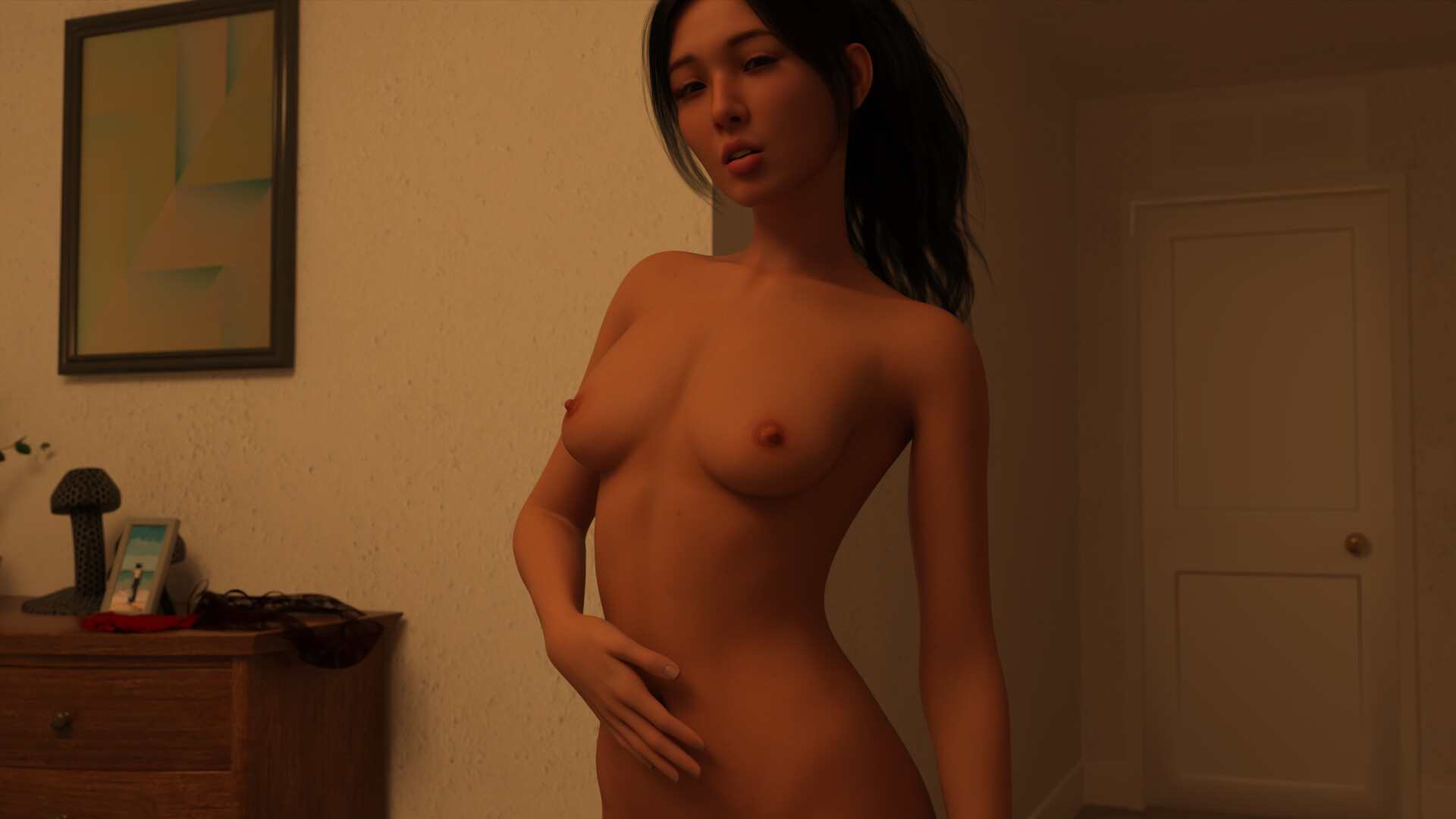
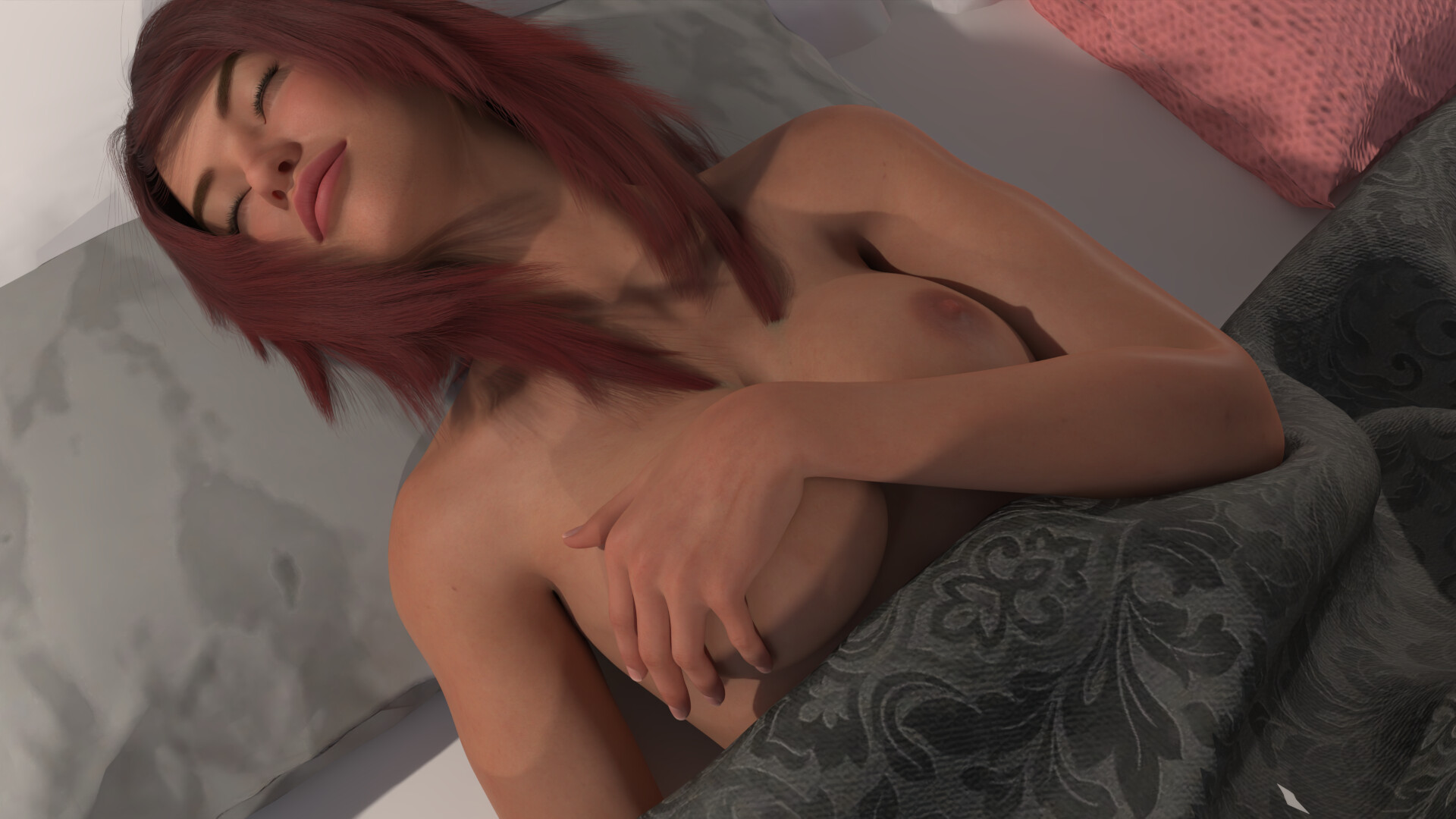
The one advertised detour is a set of optional, lore-appropriate hidden objects. Finding collectibles unlocks extra gallery scenes, including what-if material. That is a sensible place to put an additional reward in a fixed narrative: curiosity can lead to an extra scene without requiring the main story to splinter into competing versions of Hana.
It gives attentive readers something beyond forward motion, although the listing does not specify the number of collectibles or gallery scenes.
There is an intriguing tension between that what-if gallery and the studio’s insistence on one purposeful story. The main narrative protects its chosen character direction; the extras apparently leave room to imagine alternatives. I like that division in principle. It could accommodate the desire to explore without making the central romance feel assembled from interchangeable outcomes.
Whether the optional material earns its place remains a question for the finished work, not something a feature list can settle.
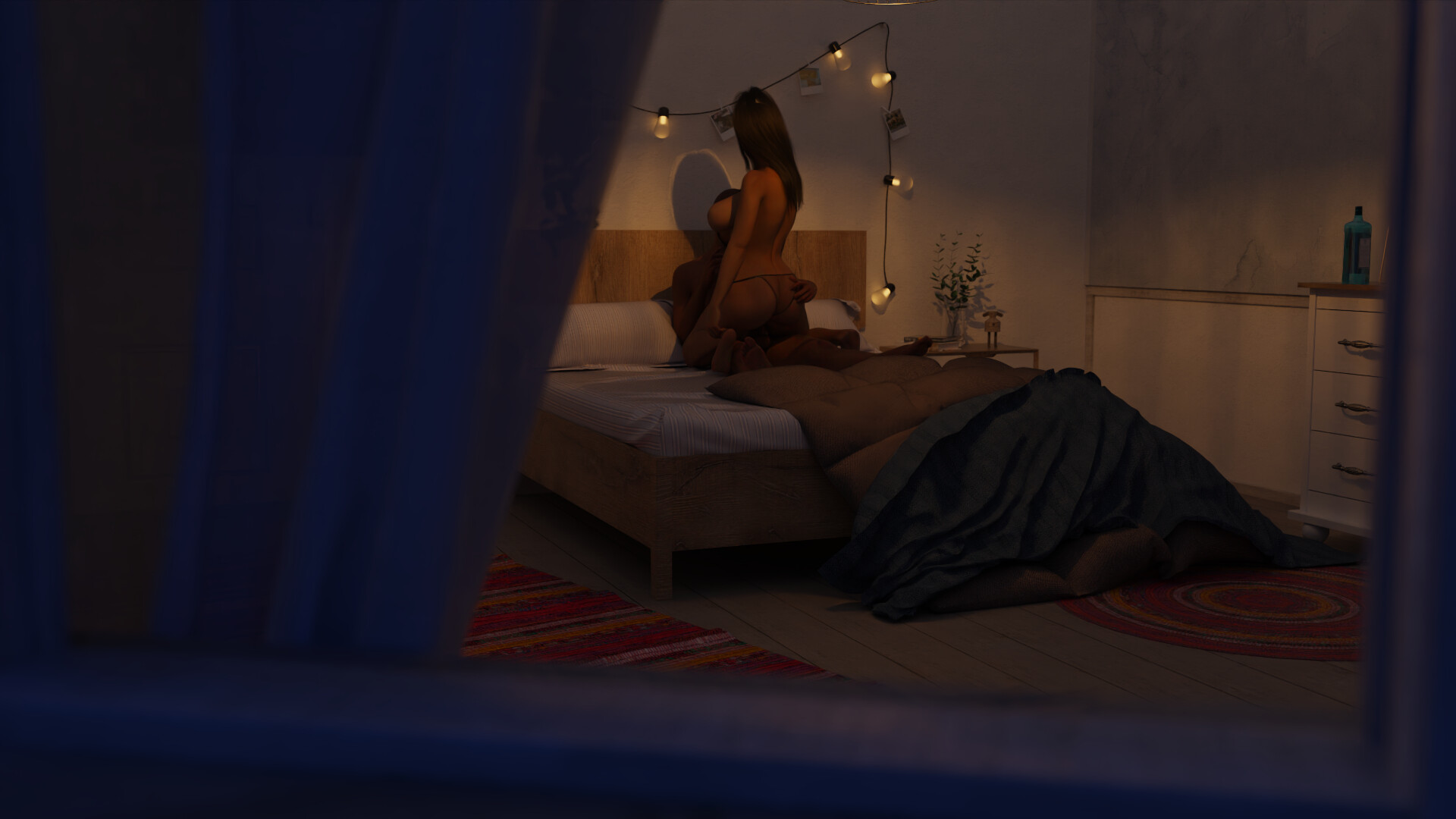
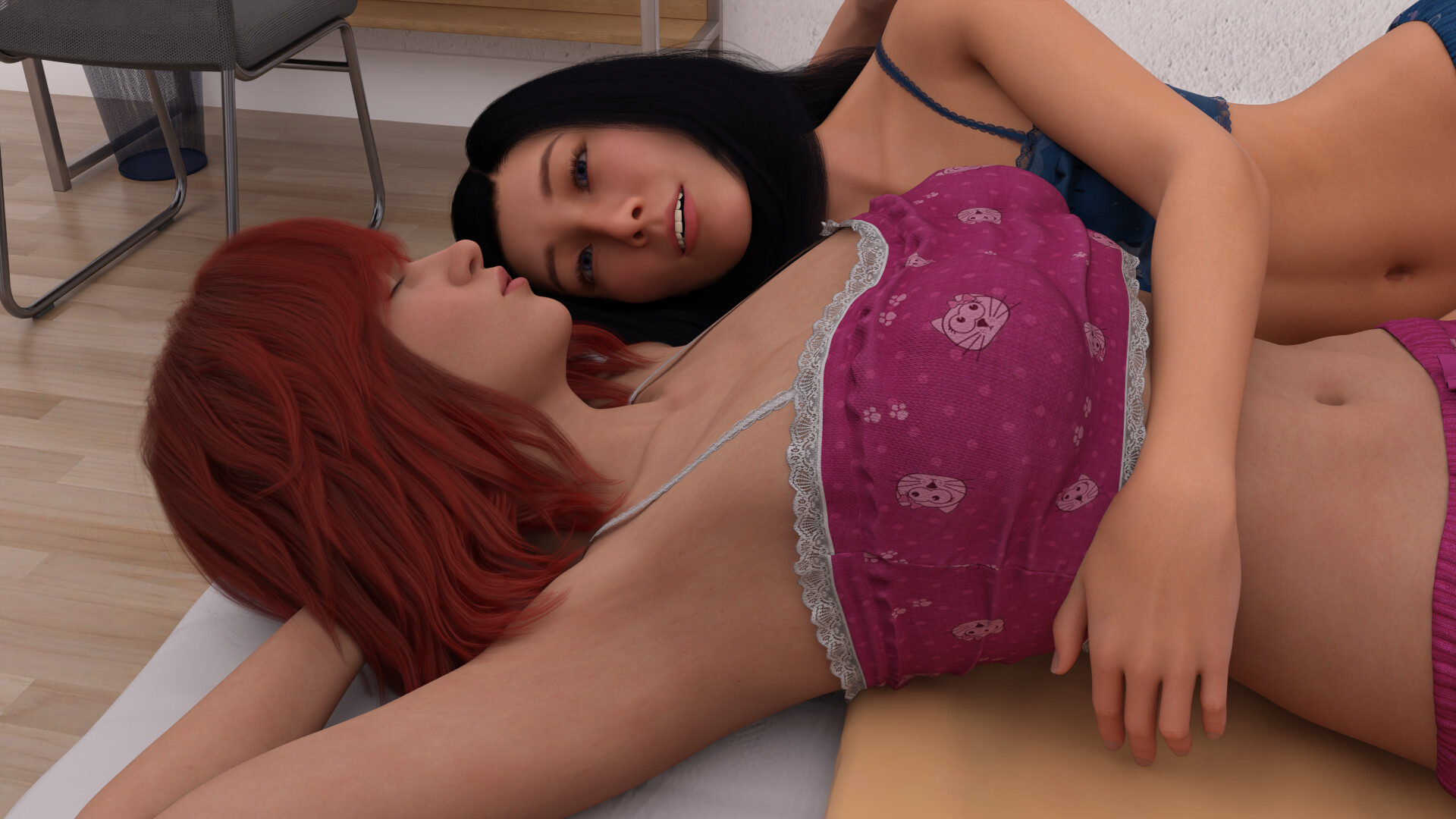
The romance itself is described as a slow burn, with intimacy growing from emotional development. That is a claim about emphasis, not proof of convincing chemistry. What makes it worth considering is the specific arrangement around Hana: an established relationship losing its footing and a friendship containing feelings she is not prepared to face. Those are tensions a story can develop before the fantastical element arrives.
They give the waiting period an actual dramatic job.
$12.59 buys the beginning of an argument
At $12.59, Season 1 needs to be judged as the opening part of a longer tale. Light Horse Games explicitly plans several seasons, and places this instalment’s defining transformation at its crescendo. The listing does not supply a reading time, chapter count or schedule for subsequent seasons. A price-per-hour calculation would therefore be invented precision.
The concrete purchase is this first season, with its fixed story and optional gallery unlocks.
My reservation is less about the absence of branches than the placement of the payoff. A season can spend its time preparing a major change and still be satisfying, but the preparation must have shape and consequence of its own. If you need the transformed Hana to be the sustained centre of the instalment you buy today, the developer’s own note is a substantial reason to hesitate.
The premise promises disruption; this season also asks you to invest in the life being disrupted.
The 38 current players support a small launch-day spotlight, not a victory lap. No total review count, review score, discount or player quotations are included in the supplied information, so there is no basis for claiming an enthusiastic consensus or quoting reader reactions.
Its case for attention this week rests on something narrower and more defensible: a November 11 launch with a distinct narrative commitment, already drawing a modest simultaneous audience.
I would put it in front of readers who want authored romance, complicated loyalties and a fantastical identity premise, and who are comfortable surrendering control over the route. I would steer choice-driven dating-sim fans and readers demanding an immediate transformation payoff away. What makes More Than A Woman - Season 1 worth considering is its willingness to spend time on Hana before the impossible happens.
At this point, that is a compelling wager rather than a proven success—but it is specific enough to make the next scene worth wanting.