Deja-Vu of the Dead Gives You 25 Minutes to Save a City That Resets Anyway
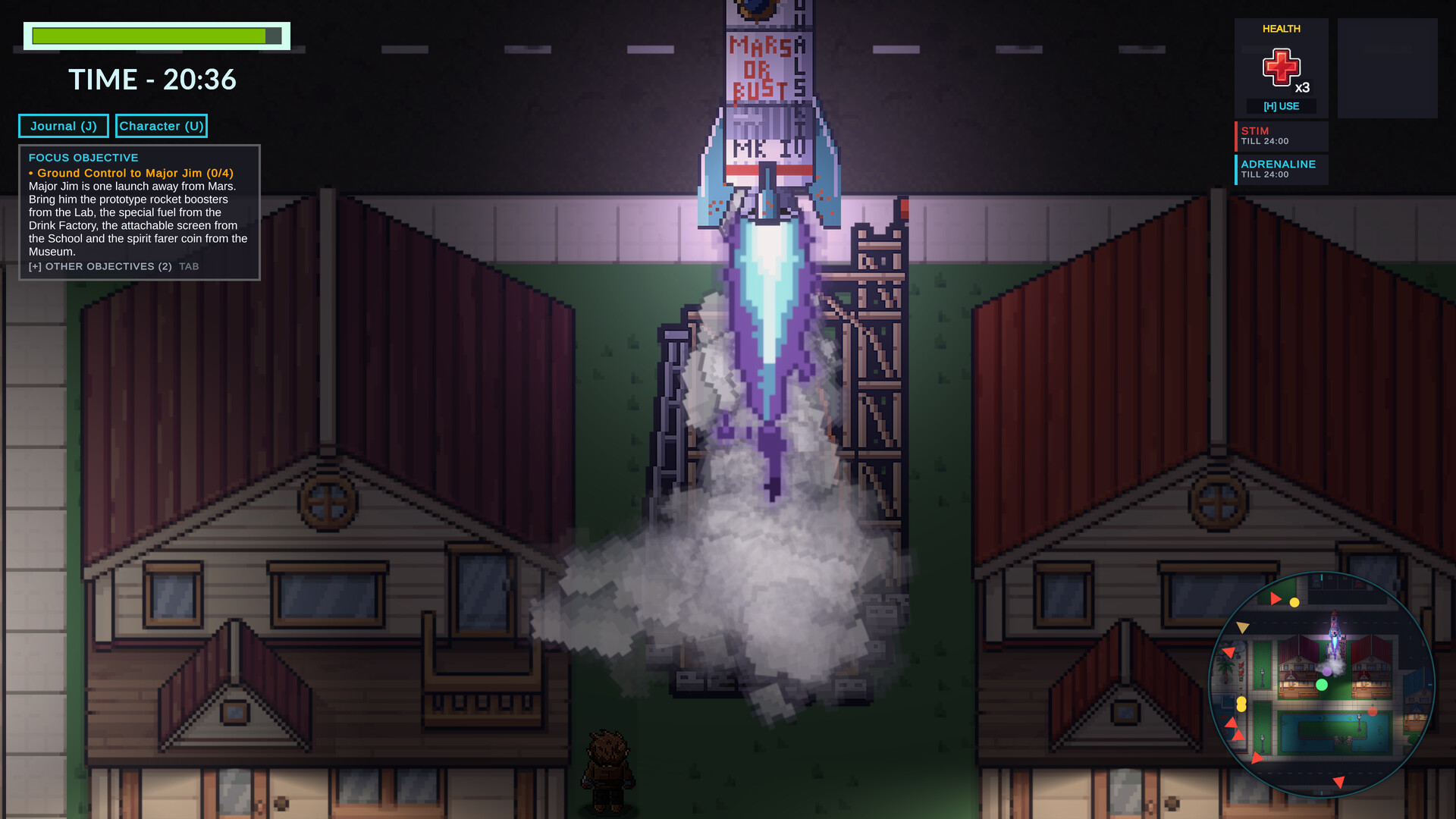
You find a cure for the zombie outbreak. Excellent work. Unfortunately, the machinery governing reality considers this an administrative error and restores the zombies at midnight. Deja-Vu of the Dead has a particularly mean joke at its centre: saving the city and escaping the day are separate jobs.
Somewhere between the glowing can of Chrono-Fuel at breakfast and the horrors arriving after 22:00, you need to find time to complain to whoever built the clock.
Released Nov 13, 2026, Deja-Vu of the Dead comes from developer and publisher Gold Brewed, LLC, costs $15.99, and lists its platforms as windows, mac, linux. That makes today's feature a launch-week recommendation to investigate a distinctive premise, with an important qualification: the supplied Steam snapshot records 0 current players. There is no evidence here of a breakout audience.
The reason to look is the collision of a short repeating day, a spreading outbreak and objectives that can succeed without solving the underlying problem.
Congratulations on the cure. Please start again
The official listing describes a 25-minute temporal loop encompassing an in-world day from 08:00 to midnight. Death also sends you back to morning. Those two clocks are the pitch: sixteen fictional hours squeezed into a period short enough that choosing a destination should feel consequential. Heading to the hospital is also choosing not to be somewhere else while infection carriers continue their rounds.
I keep coming back to the distinction between stopping the outbreak and stopping the reset. The listing explicitly says that synthesizing a vaccine or calling in the military can still end with the Chrono Engine rewinding your apparent victory. That's a better narrative engine than simply asking for one more successful zombie massacre.
A cure can answer the medical problem while leaving the mechanical one ticking underneath it.
There are 24 distinct endings advertised, but that number needs the right reading. It promises multiple outcomes, not 24 campaigns of equal length or consequence. The interesting possibility is that an ending becomes information: proof that a particular intervention works, alongside evidence that it isn't enough. Whether those outcomes substantially change your understanding is something the listing cannot establish.
Counting endings is easy; making the twenty-third feel necessary is the harder job.
The zombies have appointments
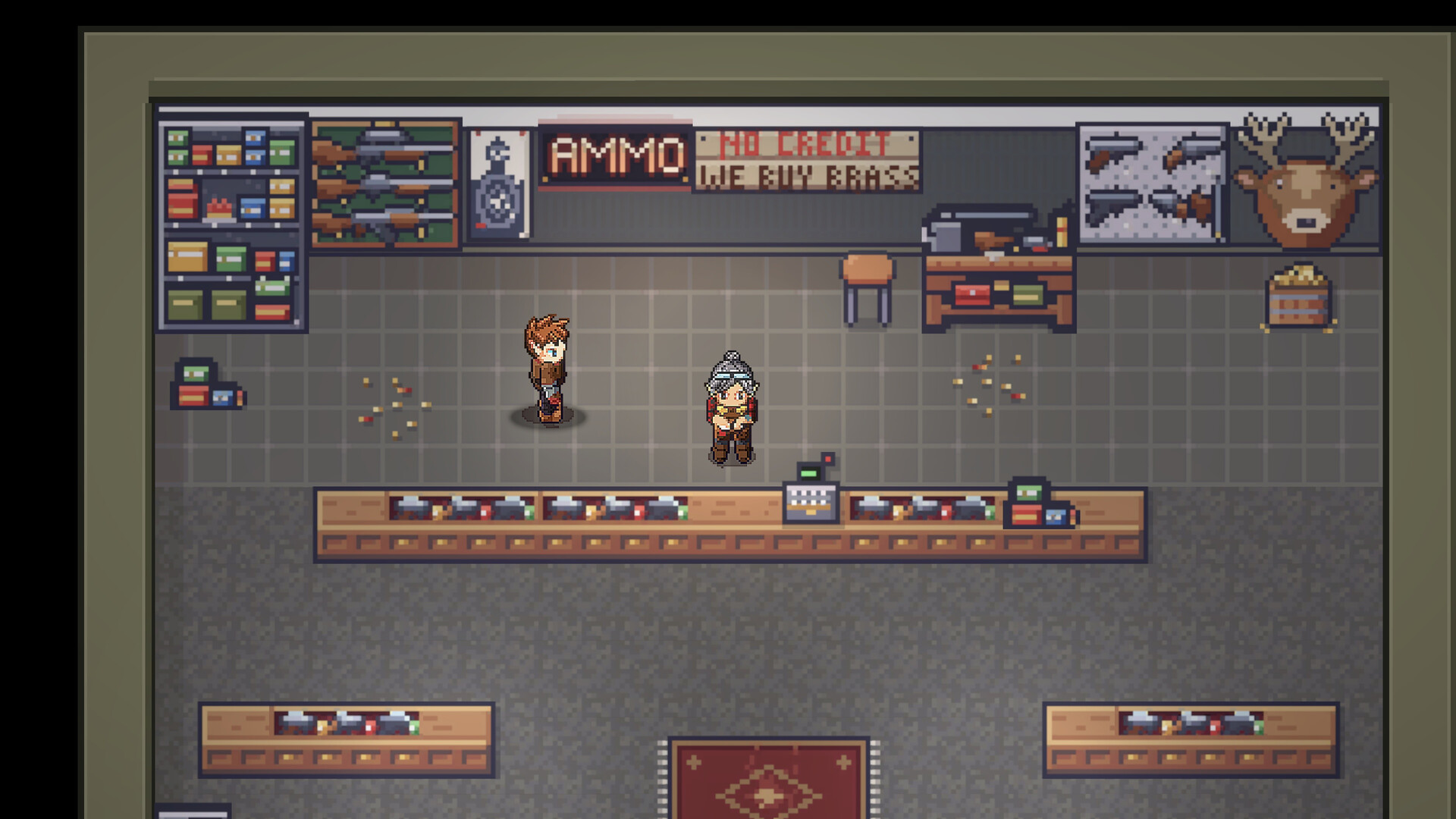
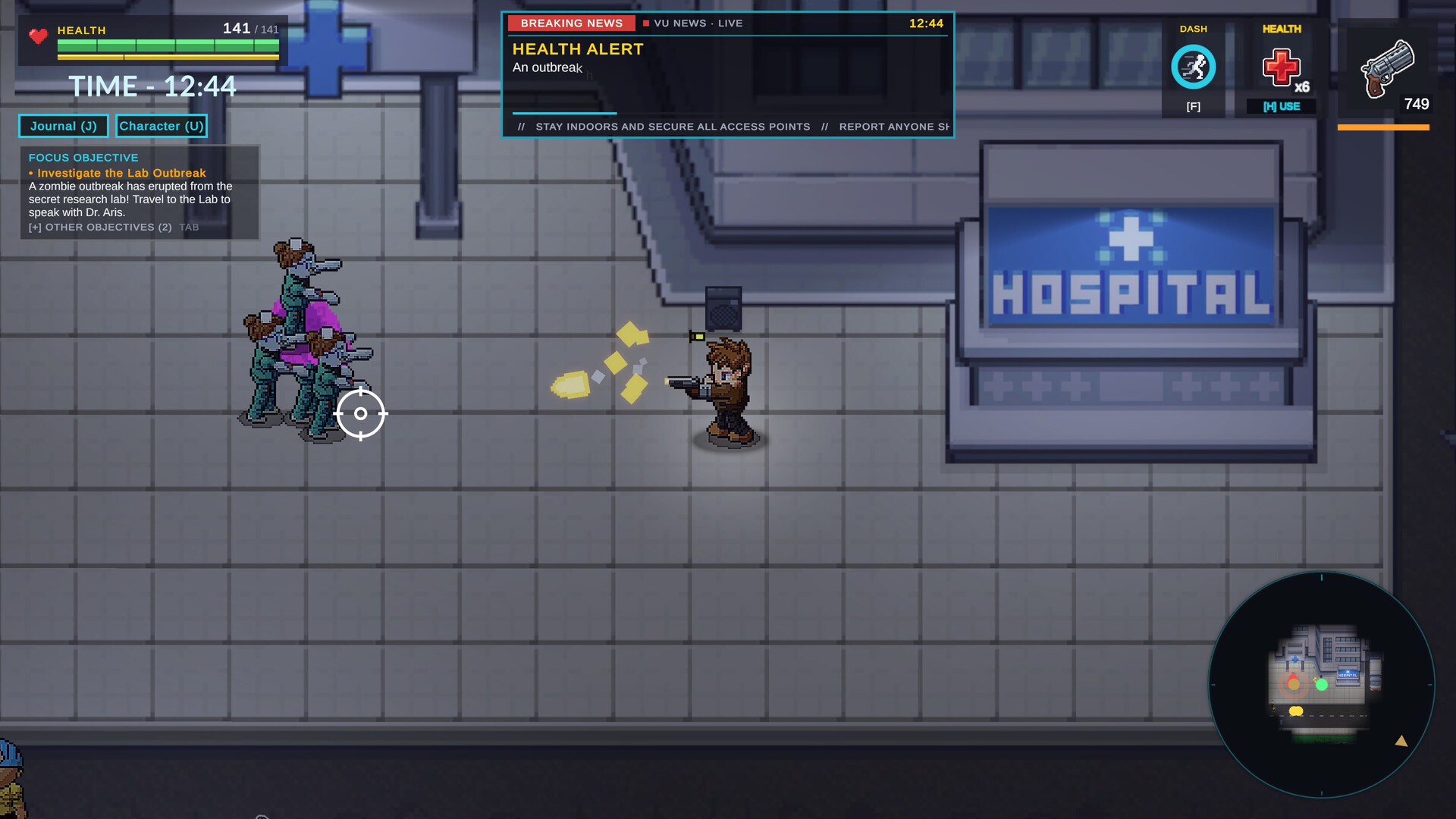
Minute to minute, the proposed rhythm is exploration, conversation, combat and route planning. You move through 16 interconnected urban districts, talk to fully voiced survivors, gather weapons and learn how the city behaves. Barrett's Gun Shop, the Grand Hotel, the Hospital and ChronoTech facilities give that route a set of concrete destinations.
The appeal isn't merely a large map; it's having reasons to reach particular places before the day gets worse.
The city is described as operating on a real-time schedule. Infection carriers spread the virus, survivors fortify shelters, and the Hero's Journal tracks details including NPC routines, vendors and carrier delivery routes. That suggests a useful shift in what counts as progress. A failed attempt could still teach you where a carrier goes or when a person is available.
The next morning, your advantage would be an appointment kept rather than a larger damage number.
Majora's Mask is the useful comparison for the scheduled-world premise: recurring time makes places and people into a problem you can learn. Deja-Vu of the Dead applies that attraction to a city undergoing an outbreak, with a 25-minute loop and armed intervention at its centre. The distinctive question is less simply where someone will be than what their route will do to the rest of town before you can interrupt it.
This is also where the strongest reservation sits. A schedule can make repetition satisfying when knowledge lets you act differently; it can make repetition exhausting when you must repeat solved errands. The journal is an encouraging provision, but the supplied description doesn't establish which tasks must be redone or how quickly familiar routes can be traversed.
Sixteen districts sound enticing until the same necessary journey becomes a daily commute through teeth.
Your calendar also needs a shotgun
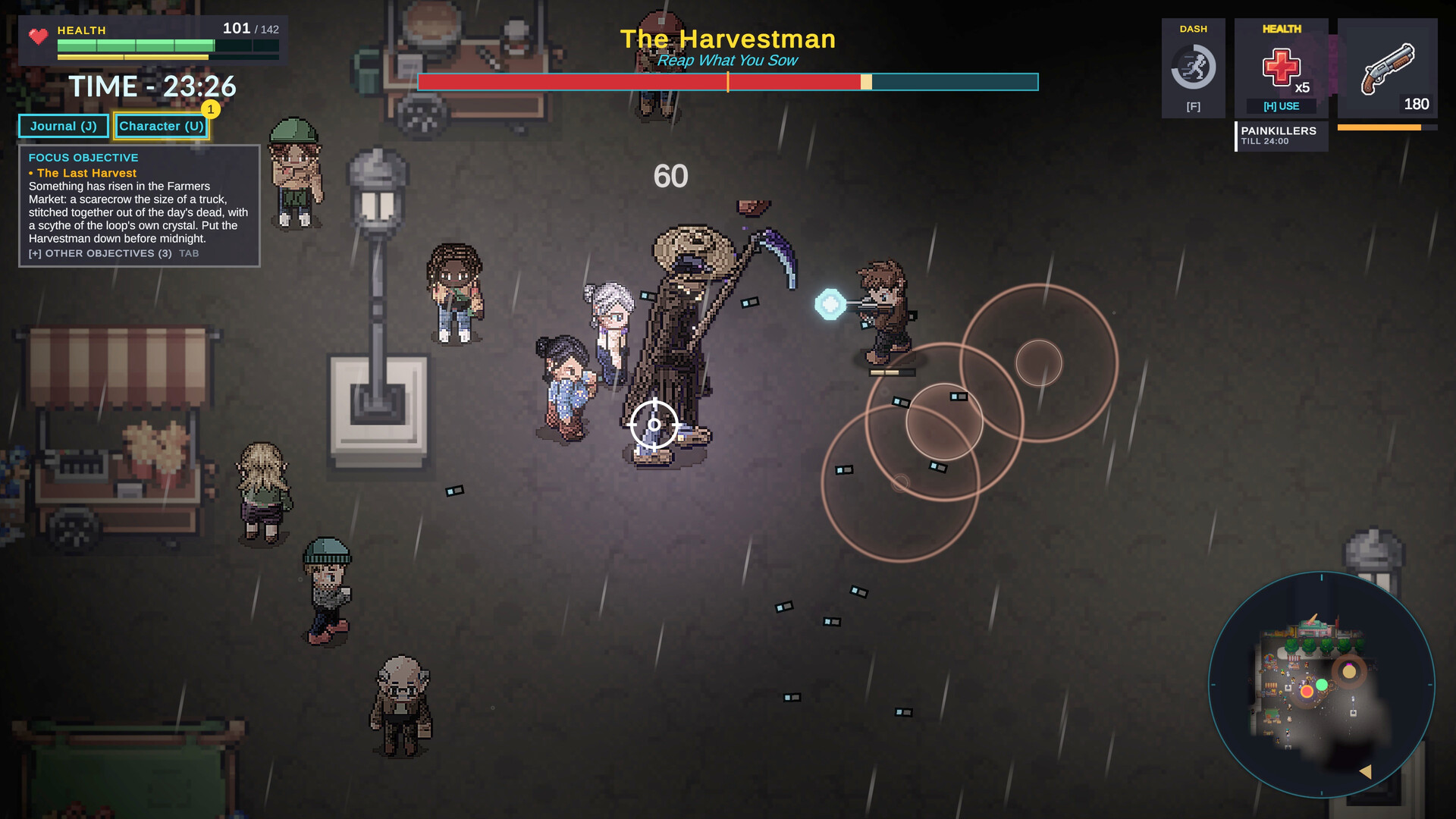
The combat pitch supplies enough specific tools to distinguish the action from an abstract scheduling puzzle. There are three-hit sword combos, dashing, pistols, combat shotguns, assault rifles and experimental plasma cannons. The proposed tension is that fighting consumes part of a day you also need for investigation. A weapon is useful, but so is knowing whether the trip to acquire it leaves time to do anything with it.
Vampire Survivors is an obvious reference point for top-down infected swarms, but the listing's emphasis points elsewhere. Here the player is asked to shoot, dash, chain melee attacks and navigate an interconnected city with named destinations.
The attraction is therefore less the spectacle of a horde by itself than the interruption it represents: enemies between you and a survivor, a facility or an intervention that has a deadline. That is a promising distinction, provided the action supports the clock instead of constantly stalling it.
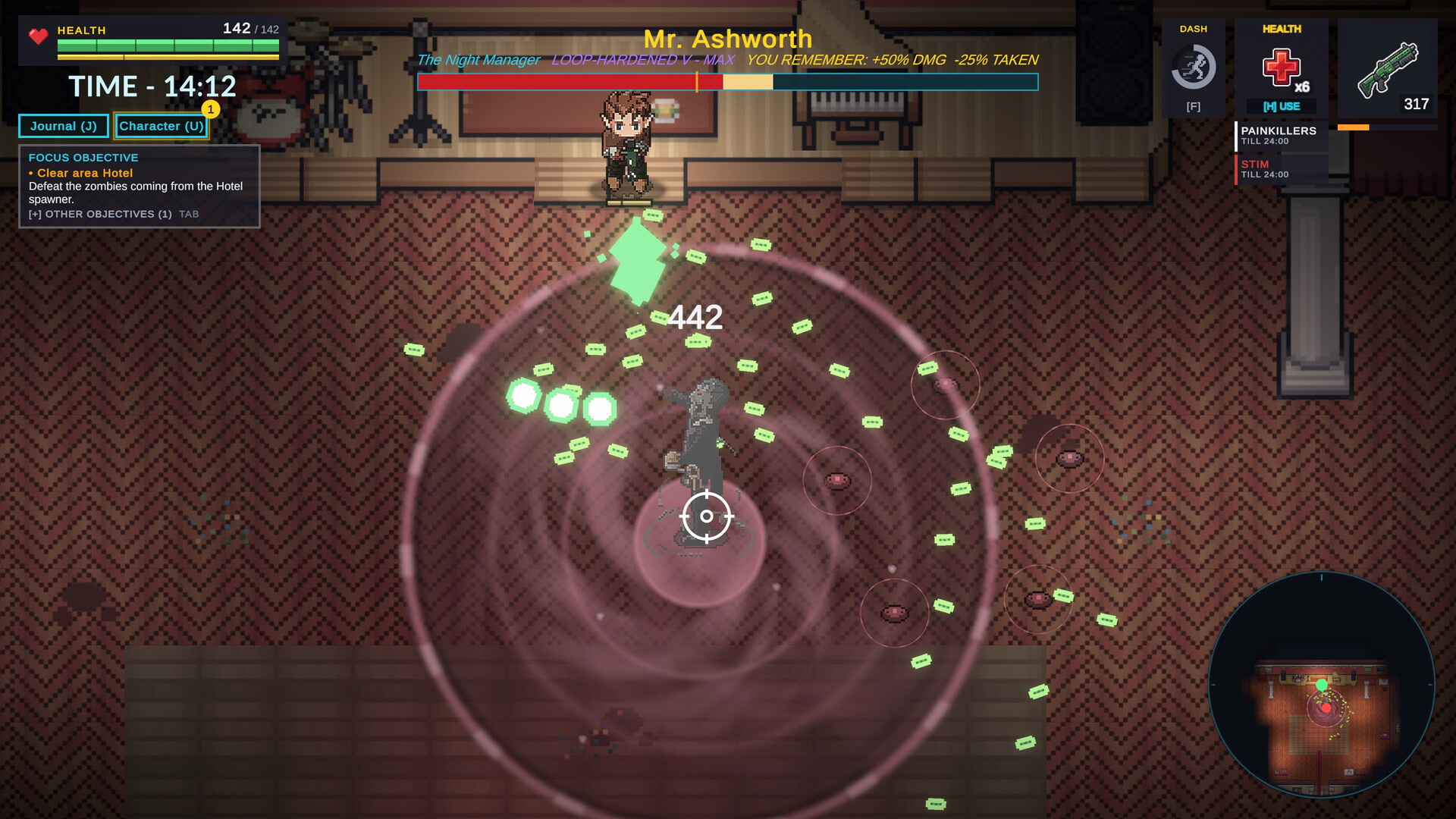
The named bosses reinforce that more directed structure. Colonel Graves has a flamethrower; Marcus Kane brings a chain whip to the city jail; Dr. Thorne waits in the museum. The Harvestman is presented as a further challenge if you're strong enough.
These are advertised encounters, not fights I can vouch for, but placing identifiable threats in particular locations gives route planning more texture than a general warning that the enemies get tougher.
After 22:00, the listing says ancient horrors rise. That's an excellent deadline because it changes the meaning of being late: the final stretch of the day brings another category of trouble. What I cannot judge from the description is whether shooting and melee remain readable when swarms escalate. A time limit makes an avoidable mistake sting; it also magnifies any frustration caused by unclear combat.
Twenty-four endings aren't a pension plan
At $15.99, the content argument rests on 16 districts, 24 endings, multiple weapon types, named bosses and voiced survivors. Those are substantial promises for a game built around returning to the same morning. They don't establish a campaign length, and a 25-minute loop should never be mistaken for the time required to finish the game.
The unit being repeated is a day; the amount worth discovering inside it remains the important unknown.
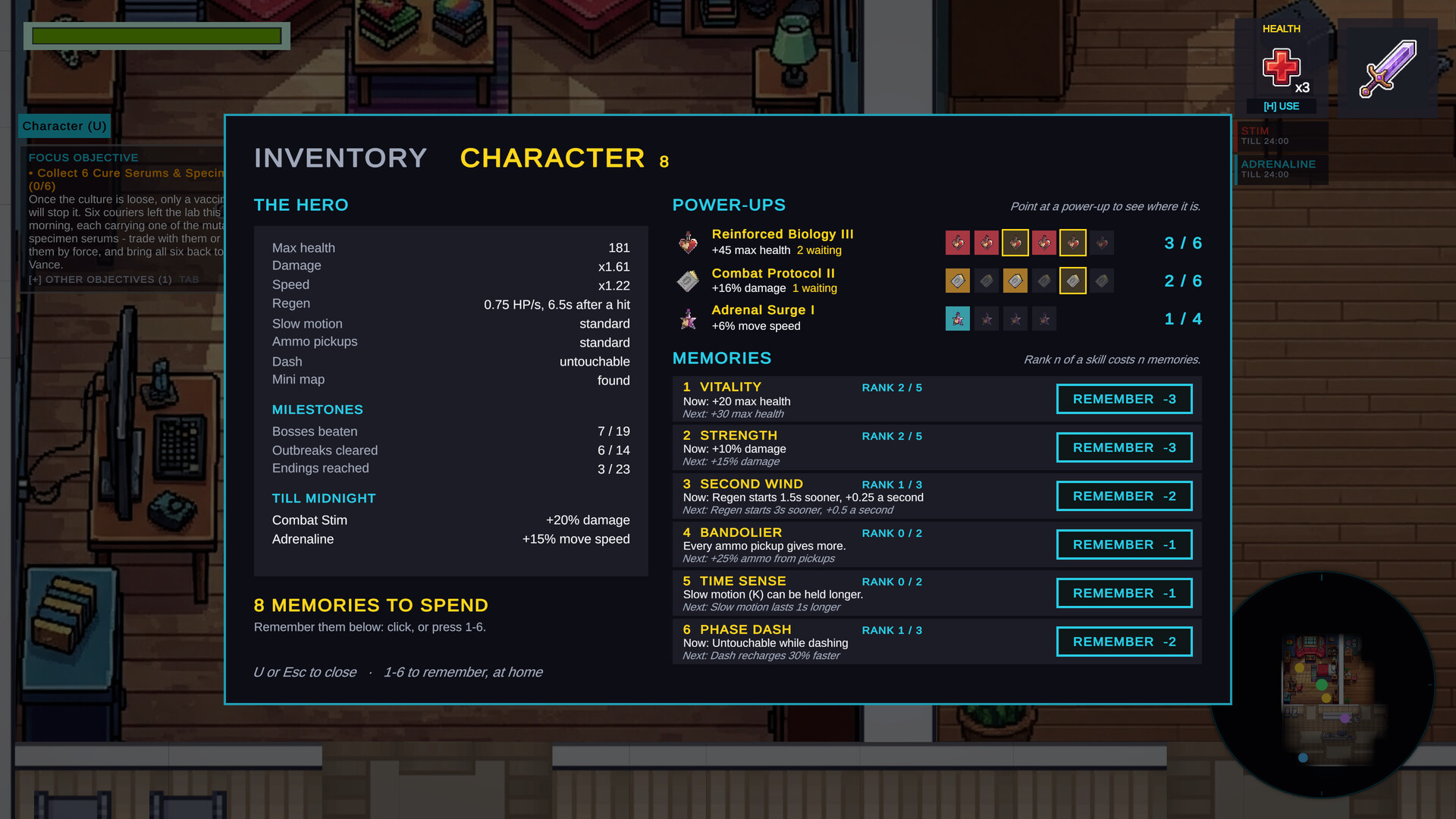
Progression is clearest where the listing discusses memory and the Hero's Journal. You learn patterns, locations, hidden caches and routines, then plan a better path. The description doesn't establish a permanent upgrade tree, which equipment survives a reset, or whether any currency carries over. I wouldn't sell this as a guaranteed sequence of increasingly powerful builds.
Its stated proposition gives knowledge the starring role, and that is sufficient reason for curiosity without inventing another system behind it.
The same restraint applies to company. The supplied listing doesn't specify a player count or establish co-op support. There is no basis here to recommend it as a game for your regular multiplayer group. The described experience centres on your decisions, your journal and your route through the day; anyone whose purchase depends on shared play should verify the supported modes on the official listing before buying.
My interest in the 24 endings depends on how they interact with that knowledge. A military intervention that saves lives but fails to break time could be a useful discovery, rather than merely an alternate final screen. If reaching different outcomes repeatedly asks you to reconsider the city, the loop has a reason to hold.
If the differences are slight, the advertised total will do more work for the sales pitch than for the player.
A fresh release, not a proven outbreak
The date gives Deja-Vu of the Dead its immediate relevance: Nov 13, 2026 puts it one day past release on today's Nov 14, 2026 spotlight. The supplied figure of 0 current players provides no traction argument at all. It is a concurrent snapshot, not a lifetime player total, but it certainly doesn't support calling the game a hit.
No total review count, review score or discount is supplied, so none belongs in a recommendation dressed up as evidence.
There are also no supplied player quotes. That means no convenient pair of enthusiastic strangers can settle the questions about repetition, combat or the value of those endings. This feature is based on the official listing rather than claimed hands-on play.
The case for attention is editorial: a newly released zombie game has made successful rescue insufficient, then built its pitch around learning enough of a city's daily machinery to confront that problem.
It looks best suited to players who enjoy learning routes, remembering routines and treating a failed run as research. Skip it if repeating errands is your least favourite part of time-loop games, if you need confirmed co-op, or if you want established player testimony before spending $15.99.
Those are material limits for a launch-day discovery, particularly when the most attractive systems are also the ones whose execution matters most.
What earns it a look this week is the nasty little gap between a vaccine and an escape. You could spend the day becoming exceptionally competent at saving this city and still wake up at eight with the real job unfinished. A zombie outbreak gives you a reason to hurry. Deja-Vu of the Dead's better idea is giving you a reason to question what, exactly, you're hurrying to accomplish.