Transport Fever 3 Reaches Steam's Top Sellers One Day Before Release
Transport Fever 3 has a clear prelaunch signal before its September 29 release. At 1:12 p.m. Malaysia time on September 28, the game appeared around number 28 in Steam's public top-selling search results and its official store page still marked it as coming soon. No public Steam reviews or current-player total existed because buyers could not yet play the release build.
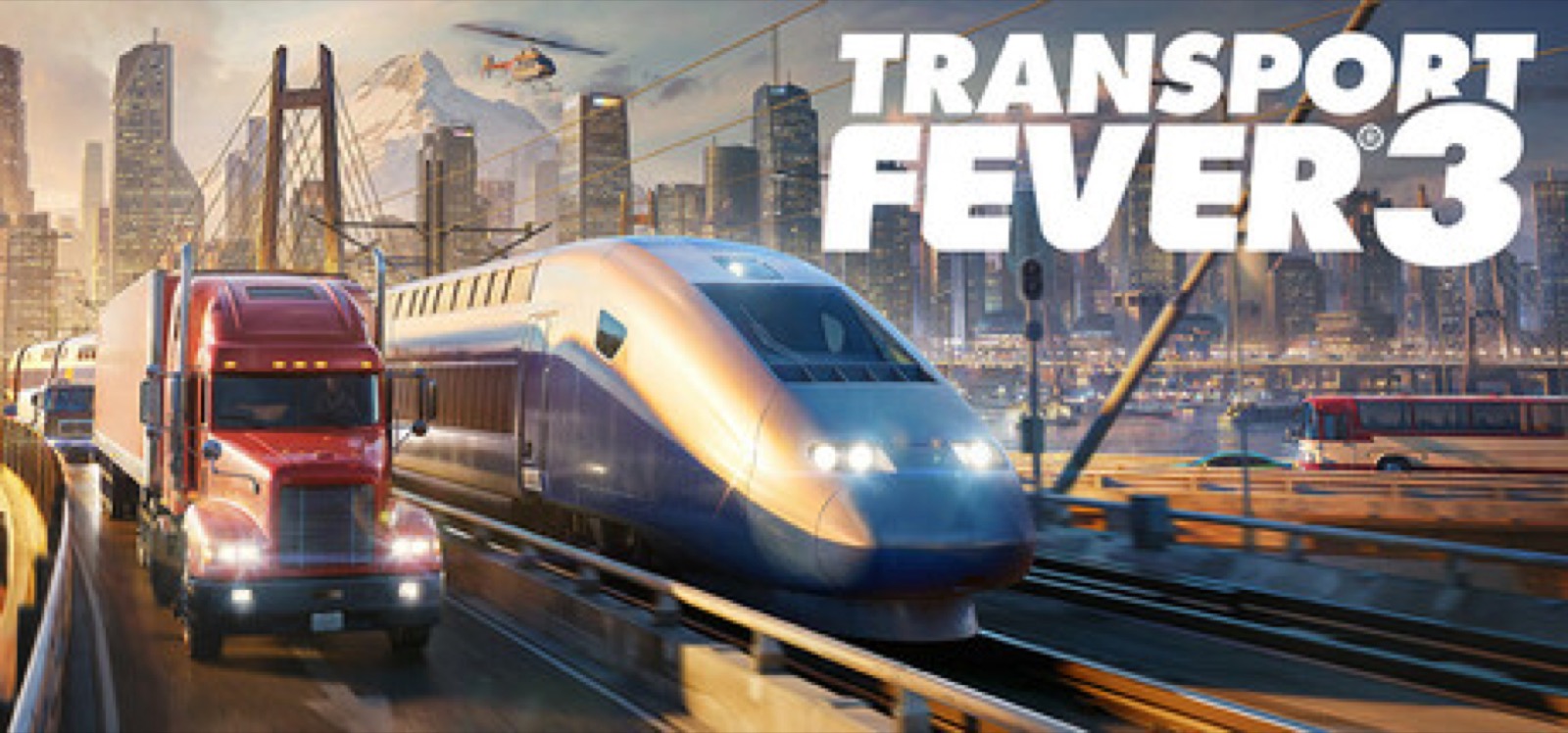
Transport Fever 3 has a clear prelaunch signal before its September 29 release. At 1:12 p.m. Malaysia time on September 28, the game appeared around number 28 in Steam's public top-selling search results and its official store page still marked it as coming soon. No public Steam reviews or current-player total existed because buyers could not yet play the release build.
That chart position indicates discovery and paid demand relative to other products at the check, not unit sales. Steam does not expose wishlists, preorders, conversion, refunds, or regional revenue through the checked endpoints. This is a launch-eve preview based on official materials, not a hands-on review.
Why Transport Fever 3 is visible now

Urban Games has built a recognizable series around connecting cities, industries, passengers, and cargo across road, rail, water, and air. Transport Fever 3 arrives with that installed identity and a publisher, Paradox Interactive, whose audience already understands long-form systems and post-launch support.
The official pitch is “bigger, deeper, and more dynamic,” with more than a century of vehicles, changing regions, and networks that visibly transform the world. That promise is legible to series players: more tools matter only if demand, routing, capacity, maintenance, terrain, and urban development interact coherently.
The top-selling appearance is the strongest public prelaunch signal available in this check. It is not a substitute for play data. Simulation launches can look healthy before release and then turn on performance, pathfinding, user interface, save stability, late-game scale, and whether the economy creates meaningful constraints.
Genre, platform, and release status
Steam lists Transport Fever 3 as a coming-soon Windows casual, simulation, and strategy game scheduled for September 29. Urban Games is the developer and Paradox Interactive the publisher. The store lists single-player, achievements, controller support, Family Sharing, and a level editor.
The game covers transport across land, sea, and sky over more than a century of technological change. The player designs routes, acquires vehicles, moves people and cargo, adjusts capacity, and expands a network while cities and industries respond. A level editor suggests that custom scenarios and community work can extend the base campaign or sandbox.
Because the release is one day away, this is a concrete launch-eve product rather than a distant announcement. It is still prelaunch: there is no user-review denominator, no concurrent-player figure, and no verified stability record for the public build.
Core loop and differentiation
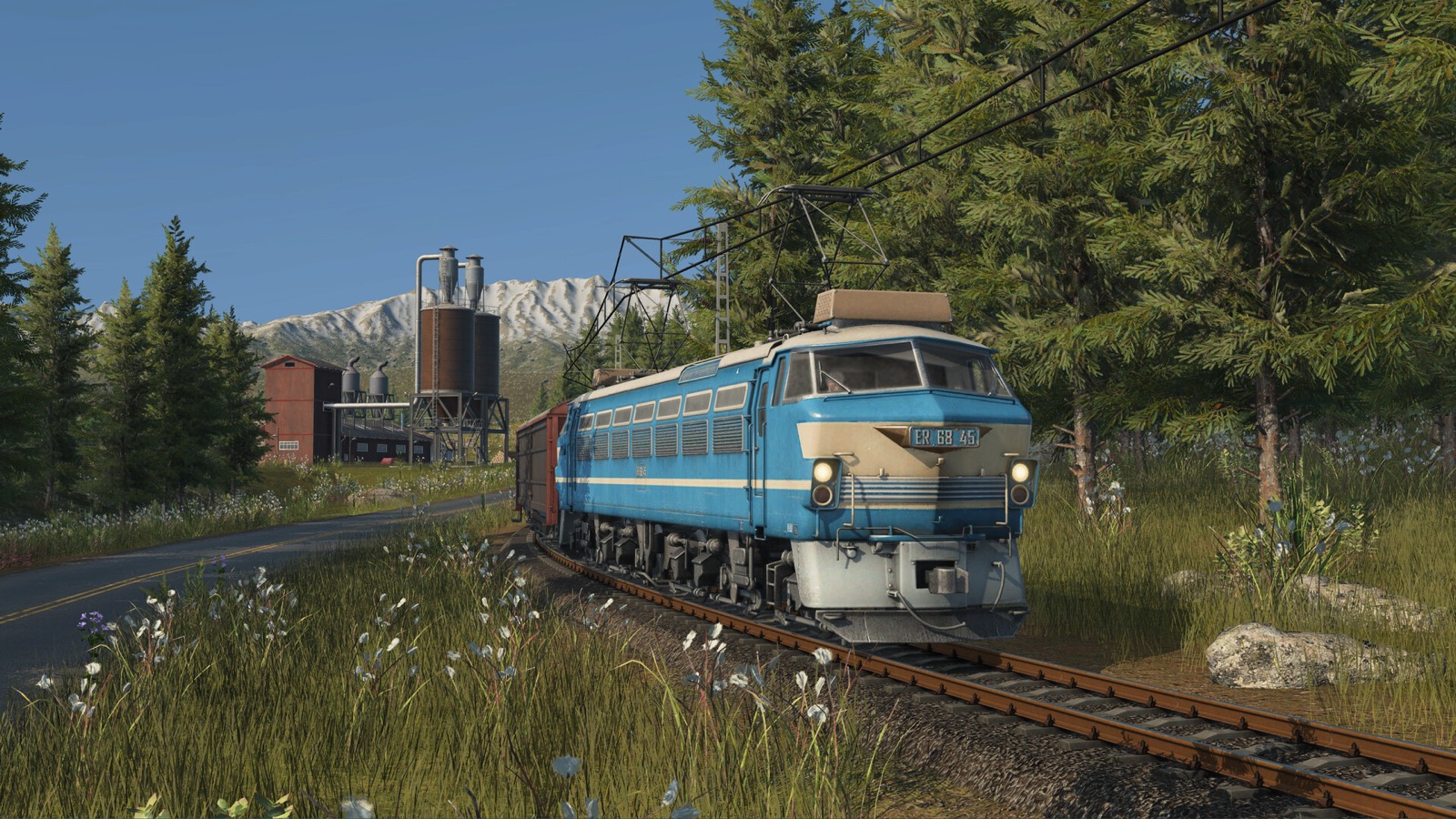
The core loop is to identify unmet movement, build infrastructure, assign suitable vehicles, observe flow and bottlenecks, and reinvest. A good route changes land value, city growth, industrial supply, and demand elsewhere. The map becomes a record of earlier decisions: a cheap road may seed development, then become the congestion problem that justifies rail.
Transport Fever's differentiation is multimodal scale combined with physical presentation. Logistics games can abstract movement into lines and numbers. This series shows individual vehicles and growing settlements, giving operational decisions a visible consequence. Transport Fever 3 also promises more dynamic regions and more than a century of options, which can turn network redesign into a central challenge rather than a cosmetic upgrade.
The main design risk is breadth without clarity. Air, shipping, road, rail, passenger, freight, terrain, city simulation, and historical progression create many interacting layers. If demand information, line management, or vehicle replacement is opaque, complexity becomes maintenance rather than strategy.
Prelaunch market signal
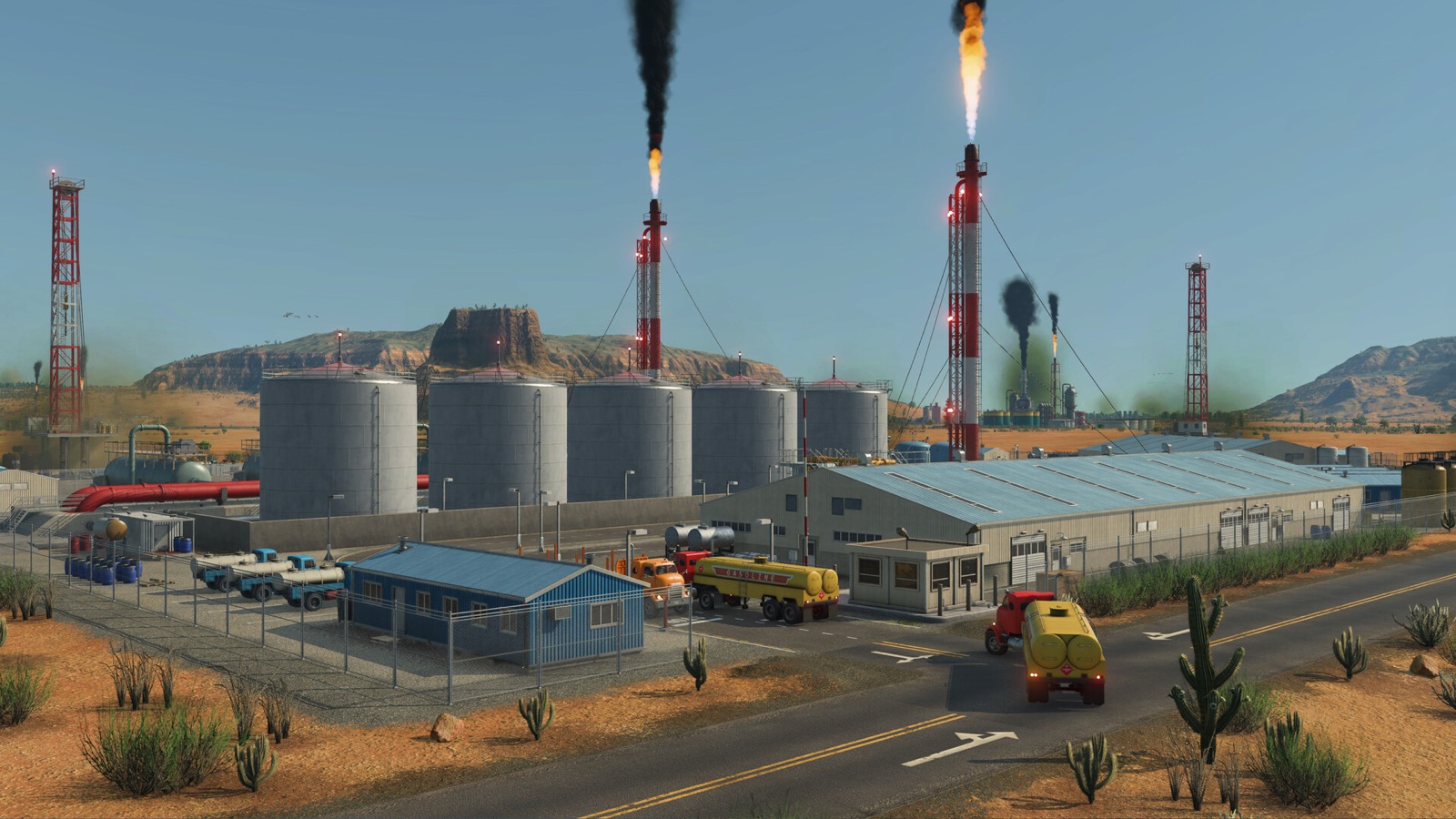
The game's presence around number 28 in Steam's top-selling results was observed at 1:12 p.m. MYT on September 28, 2026. Search results can change quickly and may vary by region or session. We record it as a timestamped momentum signal, not a permanent rank.
Steam returned no public review summary and no current-player value because the release had not occurred. The absence of those metrics limits what can be claimed. Store placement, franchise recognition, and publisher reach show attention; they cannot reveal whether players will accept performance, interface, pacing, or downloadable-content strategy.
There is also no public wishlist figure in the official materials checked. Any claim about wishlist count or forecast sales would therefore be invented. The appropriate post-launch tests are concurrency, review growth, positive share, repeated technical complaints, and whether players report that new systems materially improve network decisions.
Competitive meaning
Transport Fever 3 competes with railway-focused tycoons, logistics factories, traffic simulators, and city builders. It has to occupy the middle: detailed enough that route design and vehicle choice matter, readable enough that players can diagnose a failing system, and broad enough that different transport modes interact.
The level editor is strategically relevant. Community scenarios can lengthen the tail, expose unusual constraints, and help a systems game survive after players understand the default maps. Its value depends on usability, sharing, documentation, and whether modding support extends beyond terrain layout.
Who should consider it—and who should wait
Series players and readers who enjoy optimizing multimodal networks have the clearest reason to watch launch day. The appeal is strongest for people who like observing a system evolve over many hours rather than pursuing a short campaign or character story.
Buyers with older hardware, low tolerance for pathfinding issues, or a need for mature mods should wait for technical reports. Newcomers should look for evidence that the interface explains demand, capacity, transfer, maintenance, and failure. Controller support exists, but a complex management interface should be evaluated in practice.
Editorial verdict
Transport Fever 3 enters release with measurable storefront attention and a proven conceptual loop. Its number-28 top-selling appearance one day before launch is a credible momentum signal, but the decisive evidence does not exist yet. The market question is whether added scale produces better transport decisions without making diagnosis and late-game performance worse. Recheck reviews, concurrency, and technical themes after the first 24–72 hours.
Sources and image rights
- [Official Steam store page](https://store.steampowered.com/app/3493540/) — release date, features, developer, publisher, official media; checked September 28, 2026.
- [Official Steam search](https://store.steampowered.com/search/?filter=topsellers) — timestamped top-selling placement observed September 28, 2026 at 1:12 p.m. MYT.
- [Urban Games official site](https://www.transportfever3.com/) — official product context; checked September 28, 2026.
- All four images are official Steam store assets supplied by rights holders Urban Games and Paradox Interactive, downloaded locally for identification and criticism. No compositing or meaning-changing edit was applied.