RADIOSOL Reaches Steam's Popular Upcoming Top Ten Before September 30
RADIOSOL appeared seventh in Steam's Popular Upcoming results at 1:14 p.m. Malaysia time on September 29, one day before its listed September 30 release. The official store describes a journey through cities and megastructures burned by a planetary catastrophe, with the player avoiding lethal sunlight while searching for answers.
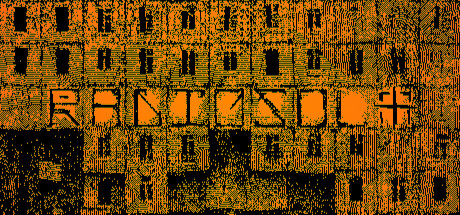
RADIOSOL appeared seventh in Steam's Popular Upcoming results at 1:14 p.m. Malaysia time on September 29, one day before its listed September 30 release. The official store describes a journey through cities and megastructures burned by a planetary catastrophe, with the player avoiding lethal sunlight while searching for answers.
Steam still marked the game as coming soon. It had no public review summary and no current-player figure, so the verified signal is storefront discovery close to release—not sales, wishlists, or proven play quality. This is a prelaunch market analysis based on official material and public store data, not a hands-on review.
Why RADIOSOL is visible now
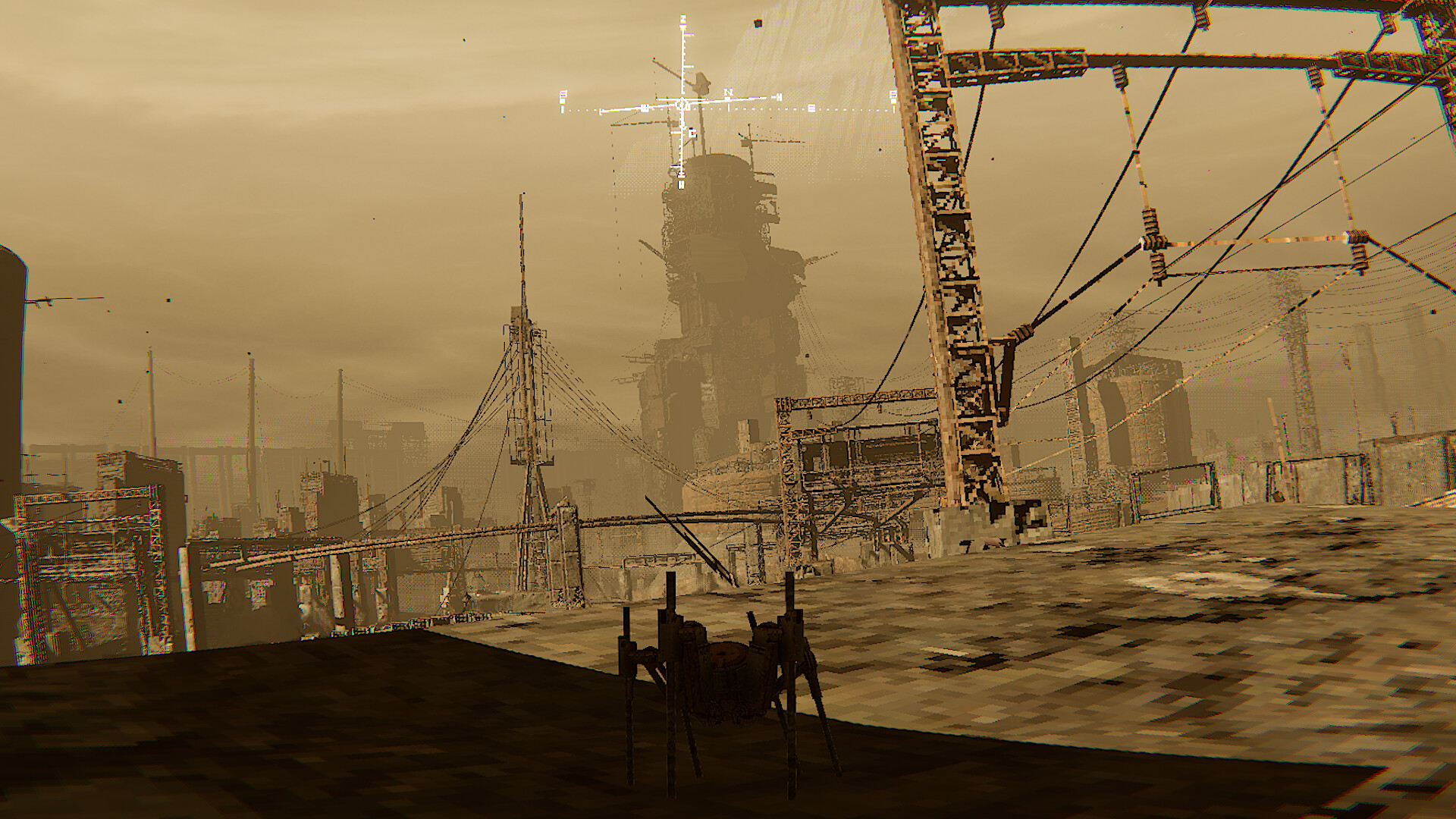
The game's visual premise is immediate. Ruined architecture, severe light, and large empty spaces explain the threat without a paragraph of lore. Sunlight is not merely atmosphere; the store pitch frames it as a hazard the player must read and avoid. That makes screenshots functional marketing because they communicate both setting and rule.
The number-seven Popular Upcoming placement shows that this pitch is reaching Steam users before launch. For a project without the franchise scale of the list's largest releases, top-ten visibility is meaningful. The ranking formula and underlying demand remain private, so it cannot support a wishlist or revenue estimate.
Timing is another factor. With release one day away, players can connect the game's environmental hook to a near-term purchase rather than an indefinite announcement. The risk is equally clear: an atmospheric premise has to become repeatable decisions, not a sequence of beautiful corridors.
Genre, platform, and release status
Steam lists RADIOSOL as adventure, indie, and simulation for Windows. The official categories include single-player, achievements, statistics, and Family Sharing. TripletConcept, Yodez, Hius, and WhereaboutsUnknown are listed as developers, with TripletConcept publishing.
At the check, the official API returned a September 30 date and `coming_soon: true`. There were zero public reviews, and a current-player value was unavailable. Because no playable public sample existed through the checked release page, there are no recurring user praise or complaint themes to report.
The “simulation” label is worth watching. It may refer to environmental systems and survival rules rather than a management sandbox. Buyers should look for post-launch evidence about how consistently light, shelter, traversal, resources, and world states interact.
Core loop and differentiation
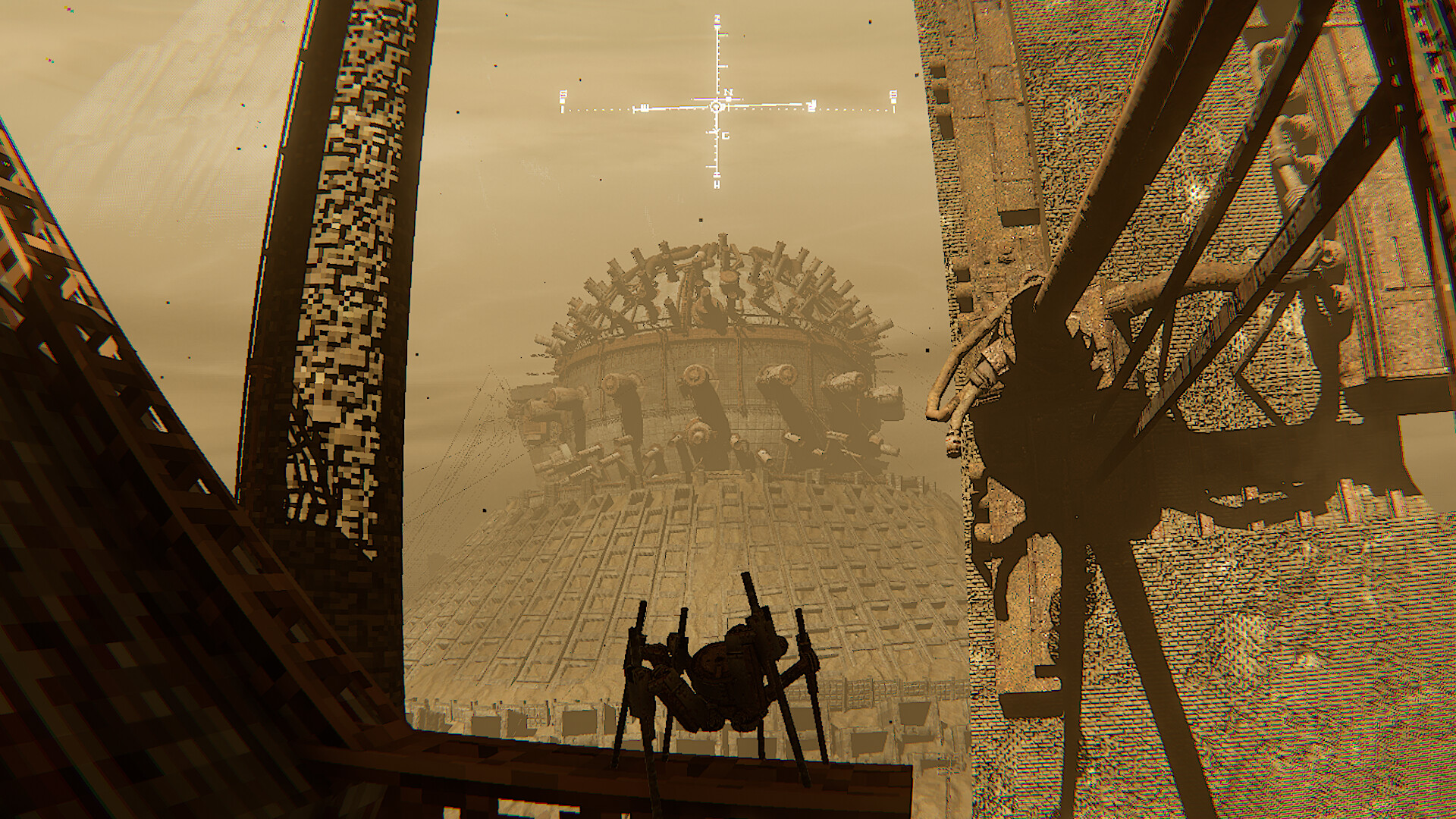
The stated loop is exploration under exposure pressure. The player reads the environment, plans a route between safe areas, moves through ruined spaces, and searches for information. If sunlight changes with time or geometry, each route can become a spatial puzzle: the shortest path may be dangerous, while a slower shadowed route preserves resources or health.
That differs from survival games built mainly around hunger bars, crafting tiers, and base expansion. RADIOSOL's strongest opportunity is to turn light itself into the system that unifies navigation, pacing, and story. The environment can reveal past events while also determining present movement.
The design danger is binary frustration. If exposure rules are unclear, failure can feel arbitrary. If safe routes are always obvious, the mechanic becomes a delay rather than a decision. Readable feedback, checkpoints, accessibility options, and consistent shadow logic will determine whether the premise sustains a full game.
Market snapshot and review signal
The publication-time snapshot is:
- Steam Popular Upcoming position: #7, observed September 29, 2026 at 1:14 p.m. MYT.
- Release state: coming soon, dated September 30.
- Public reviews: 0 before release.
- Current players: not available.
- Public wishlist count: not disclosed.
There is no legitimate review sample from which to claim that players love the atmosphere or dislike the pacing. Store screenshots and descriptions are first-party promises. The first useful audience evidence will be a review sample large enough to show repeated patterns, accompanied by the exact review count and positive share.
Competitive meaning
RADIOSOL sits between environmental narrative adventures and systemic survival games. Games in the first group win through place, mystery, and pacing but can feel mechanically thin. Games in the second create repeatable pressure but can bury their atmosphere under inventory work. A sunlight-centered rule could bridge the two if it changes movement without forcing constant menu management.
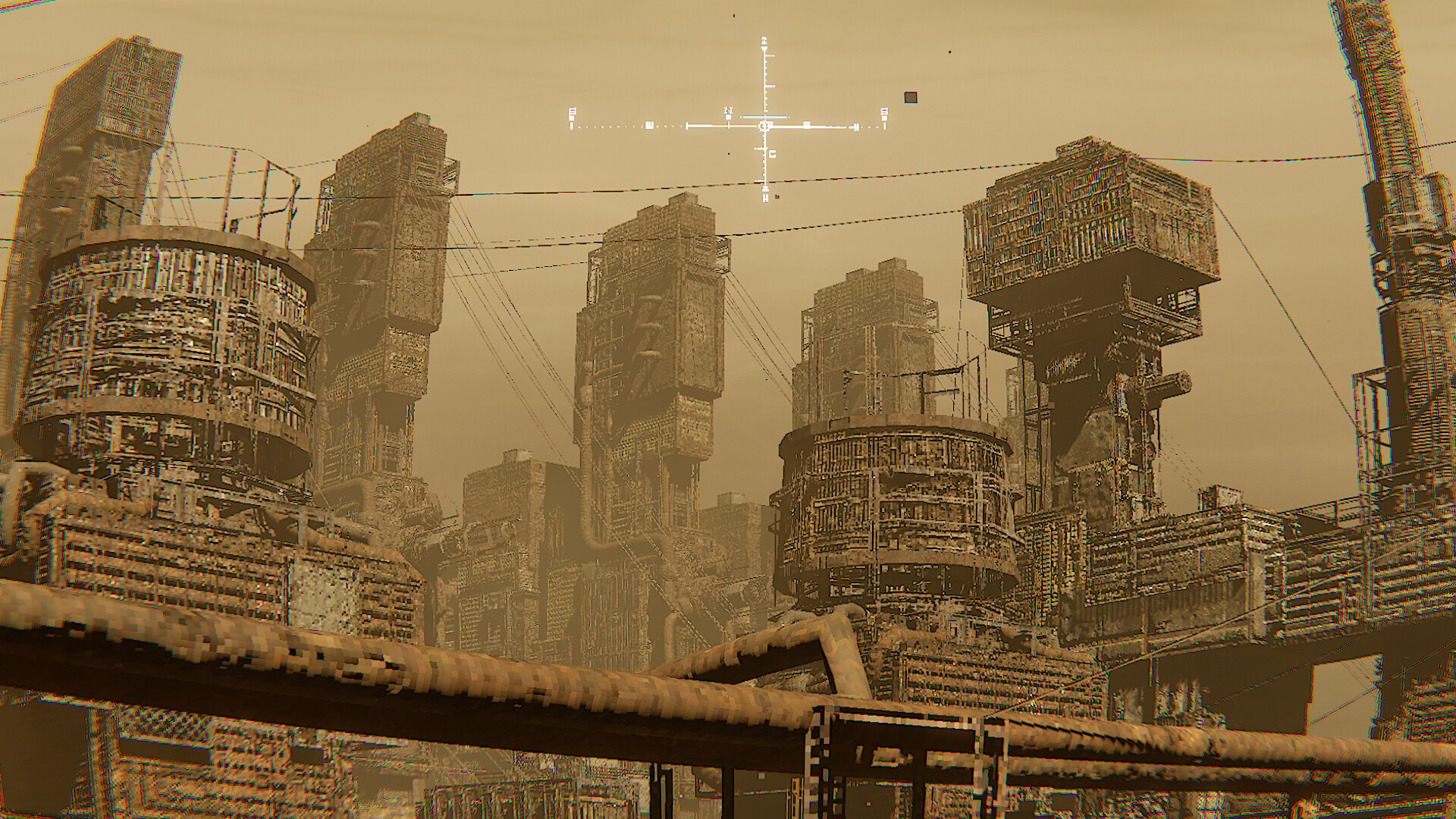
Its monumental architecture also gives it a strong visual identity beside smaller room-based horror or conventional post-apocalyptic landscapes. That identity will matter only if navigation remains legible. Vast scenes can impress in screenshots while making interactive routes hard to read.
Who should consider it—and who should wait
Players who enjoy solitary exploration, environmental storytelling, and route planning under pressure should place RADIOSOL on a release-day watchlist. The top-ten upcoming signal suggests that enough people recognize the hook for an early audience to form.
Buyers who need verified performance, clear checkpointing, accessibility settings, or a long systems-driven campaign should wait for reports. There is no launch review denominator yet. It is also sensible to verify playtime and replay value after release because atmosphere-led games can vary widely in scope.
Editorial verdict
RADIOSOL is the strongest small-project prelaunch signal in today's checked group: a distinctive visual rule, a release within one day, and a number-seven Popular Upcoming position. That justifies attention, not a score. The post-launch verdict depends on whether sunlight produces readable decisions, whether the world supports more than visual spectacle, and whether the first substantial review sample confirms technical stability.
Sources and image rights
- [Official Steam store page](https://store.steampowered.com/app/2934330/) — release date, product description, features, credits, and official media; checked September 29, 2026 at 1:14 p.m. MYT.
- [Steam Popular Upcoming search](https://store.steampowered.com/search/?filter=popularcomingsoon) — number-seven placement observed at the same time.
- [TripletConcept official account linked by Steam](https://twitter.com/TripletConcept_) — first-party developer channel; checked September 29, 2026.
- All four images are official Steam store assets supplied by rights holders TripletConcept and the listed development team, downloaded locally for identification and criticism. No compositing or meaning-changing edit was applied.