Probably Stolen Turns a Cyberpunk Shop Into a Faction-and-Rent Pressure Machine
Probably Stolen - Cyberpunk Shopkeeper Sim is scheduled for October 28 and currently offers a free Steam demo. Its storefront pitch combines crafting, trading, smuggling, faction loyalty, rising rent, and combat against people controlled by a runaway AI. During our September 26, 1:35 p.m. Malaysia time check, it appeared 22nd in the observed Steam Popular Upcoming results.
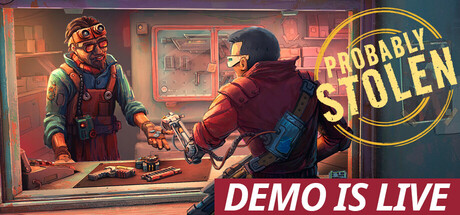
Probably Stolen - Cyberpunk Shopkeeper Sim is scheduled for October 28 and currently offers a free Steam demo. Its storefront pitch combines crafting, trading, smuggling, faction loyalty, rising rent, and combat against people controlled by a runaway AI. During our September 26, 1:35 p.m. Malaysia time check, it appeared 22nd in the observed Steam Popular Upcoming results.
The position is a momentum signal, not a wishlist disclosure. Steam's public review endpoint showed zero reviews for the unreleased main application. This preview evaluates the official proposition and current discovery evidence; it is not a review of the demo.
Why it is visible now
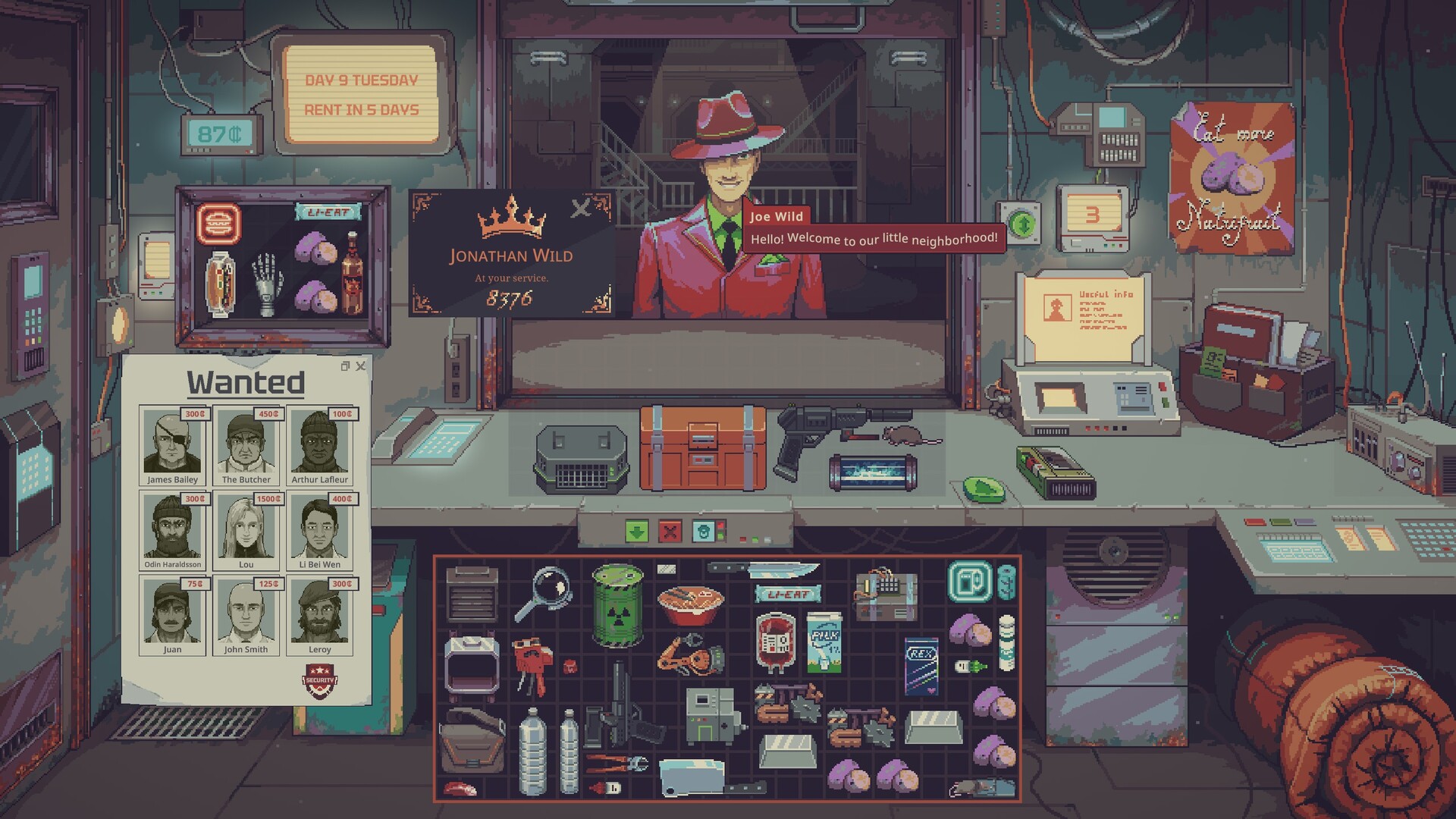
The free demo gives players a way to test the central interaction before launch, while the October date gives Steam a concrete release window. The concept also has a useful contradiction: the player runs a shop, but the inventory may be illicit; customers create revenue, but faction choices create political cost; rent creates a deadline, but expansion tempts the player to spend.
That tension is more marketable than a generic store simulator. It gives every object two values: a selling price and a risk profile. The cyberpunk setting can make supply chains, surveillance, and corrupted institutions part of the mechanics rather than background decoration.
Popular Upcoming placement indicates current relative visibility. Valve does not publish the ranking formula or the underlying wishlist count. Demo downloads and festival traffic may contribute to attention, but the store response alone cannot tell us how many players completed the demo or intend to buy.
Genre, platform, and release state
Steam lists the game for Windows in indie, RPG, simulation, and strategy categories. Questing Goose Studio develops it, while tinyBuild publishes it. The main game is unreleased, the store names October 28, 2026, and the official app details list a separate demo application.
The page describes a single-player experience with achievements, Steam Cloud, mouse-only support, adjustable text size, custom volume controls, and play-at-your-own-pace accessibility categories. Its content notice mentions crime, substance abuse, violence, and illegal trade within the fictional setting.
No review score, concurrent-player count, or verified sales figure exists for the main game. The launch date and feature list can still change. Demo quality can establish control feel and tone, but it does not prove campaign length, economic balance, or late-game faction consequences.
Core loop and differentiation
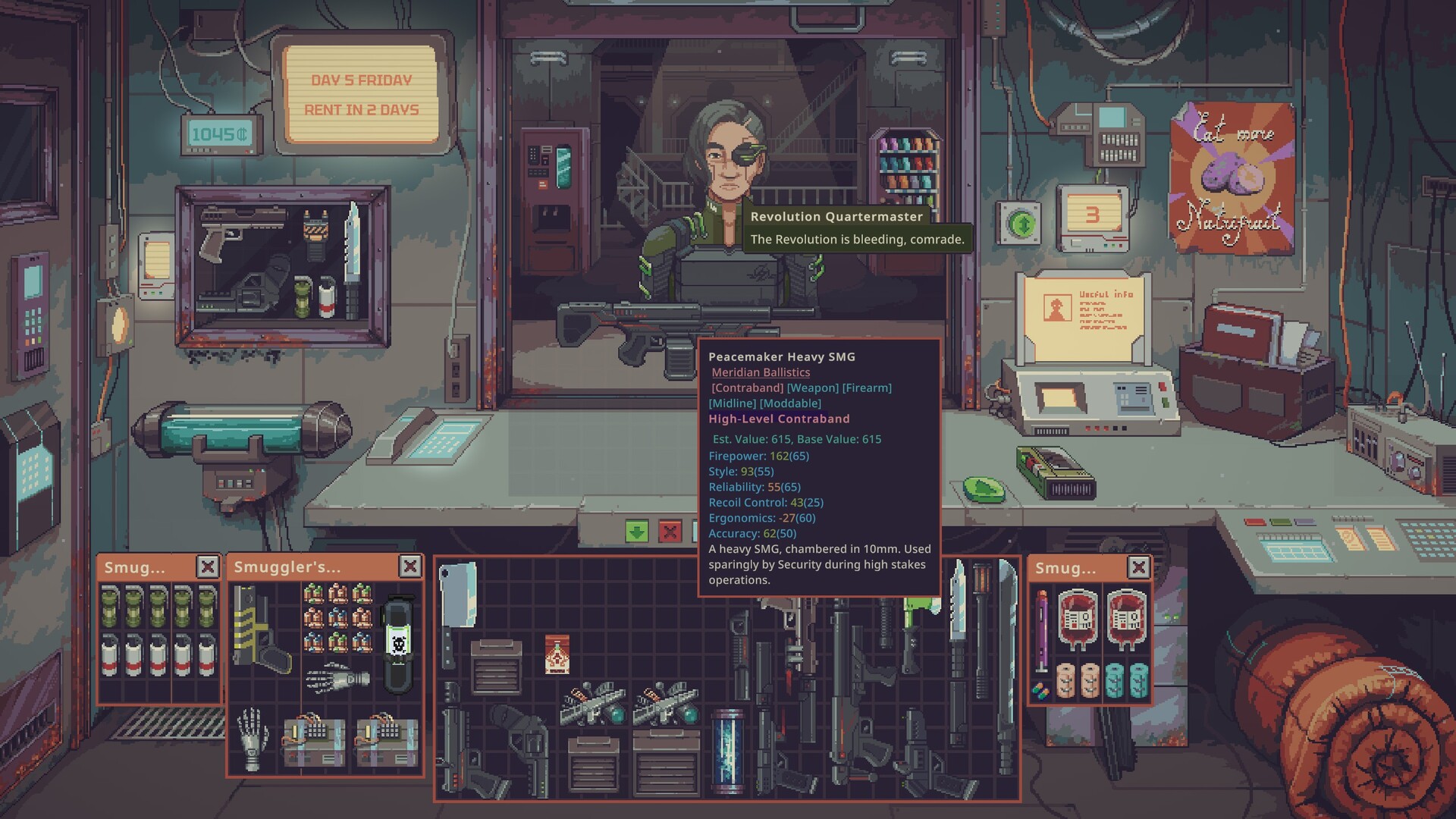
The core loop appears to be source or craft goods, arrange and price inventory, serve customers, learn which factions value which items, accept the risk of smuggling, upgrade the store, and earn enough to buy out the business before rising rent closes the window. Combat and AI-controlled enemies interrupt the commercial loop.
The deadline is potentially the best differentiator. Many shop games allow indefinite optimization; rent pressure can turn inventory and upgrades into strategic commitments. Stockpiling a high-margin contraband item may be rational economically but dangerous politically. Paying for expansion may increase throughput while delaying the buyout that represents security.
Faction loyalty needs visible consequences to carry that promise. Customers, prices, access, enforcement, and story routes should respond to what the player trades. If factions are only reputation bars and the same optimal goods work everywhere, the systemic pitch will collapse into ordinary shop decoration.
Verified market snapshot
At the September 26 check, official public sources showed:
- 22nd position in the observed first page of Steam Popular Upcoming results;
- an October 28, 2026 release date;
- a separate free Steam demo listed in official app details;
- zero public reviews for the unreleased main application;
- 18 official screenshots on the app-details endpoint;
- no disclosed wishlist total, unit sales, price in our captured evidence, or concurrent-player figure.
The momentum label is credible prerelease discovery strengthened by a playable demo, with retention and commercial demand still unknown.
What public reaction can and cannot tell us
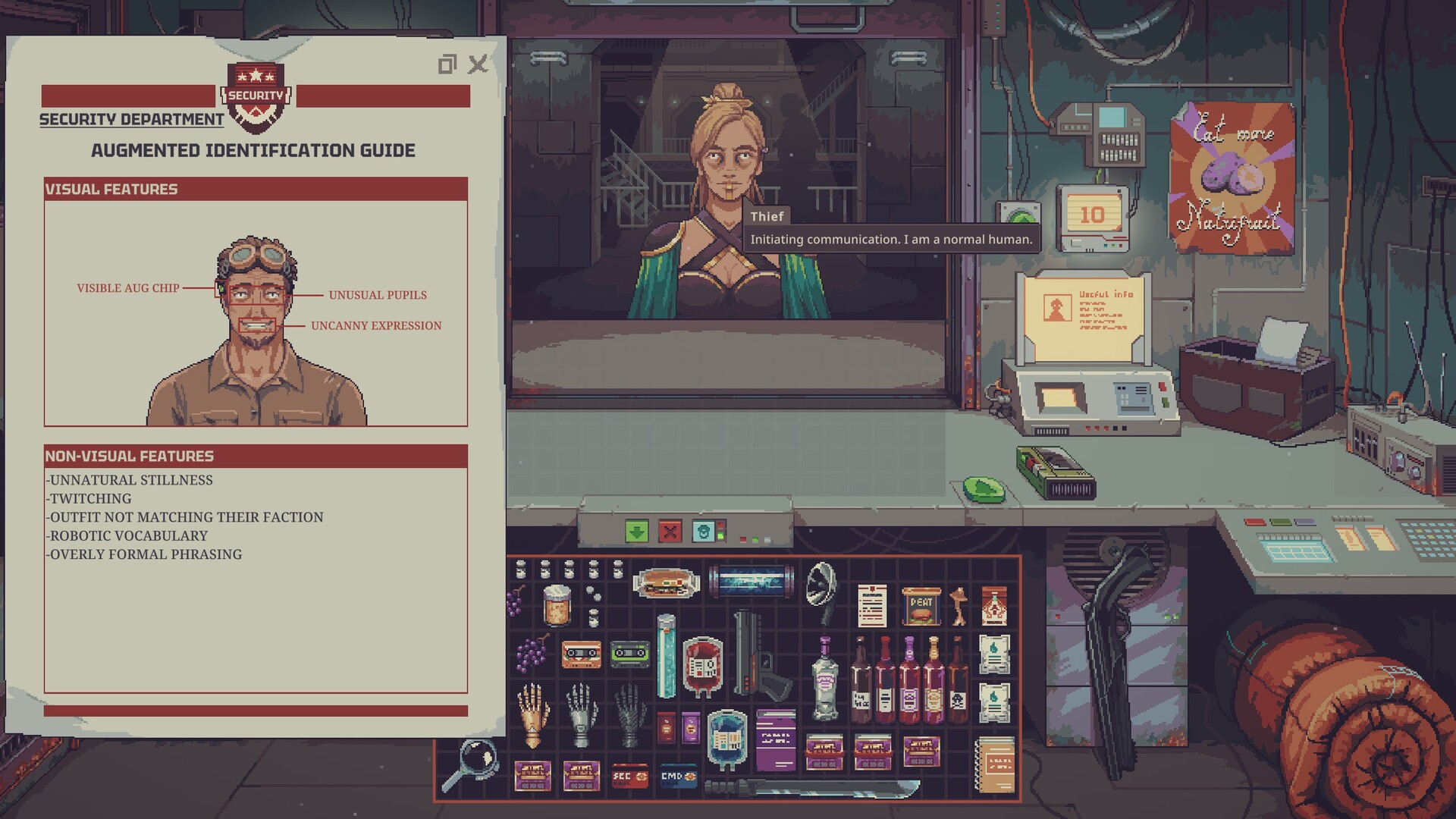
There is no main-game review sample to summarize, and we did not treat comments outside official channels as product facts. The demo creates a better evidence opportunity than screenshots alone, but reliable reaction analysis needs a visible sample with both positive and negative patterns.
The first questions should be mechanical: Is pricing readable? Does inventory handling respect the player's time? Does rent create interesting decisions or merely anxiety? Are faction consequences legible before a commitment? Does combat complement the merchant fantasy or interrupt it? Technical feedback should separate demo-specific bugs from the promised launch scope.
Competitive meaning
Shopkeeping games often build comfort through repetition. Probably Stolen is selling discomfort: questionable suppliers, unstable authority, and a landlord whose price pressure prevents endless safety. That can create a stronger narrative engine than simply buying a larger counter every few hours.
The comparison risk is identity overload. Crafting, retail, faction politics, smuggling, debt pressure, and combat each demand interface and balancing attention. The game will be more distinctive if those systems meet in the same decision rather than existing as parallel minigames.
Who should follow—and who should wait
Try the demo if you like merchant games but want sharper strategic pressure, morally compromised trading, and a defined economic objective. Players who enjoy learning markets and managing faction consequences are the clearest audience.
Wait if you want a calm, low-stakes shop routine, dislike combat interruptions, or need evidence that the rent deadline supports multiple strategies. Recheck demo update notes, launch price, save compatibility, and the first substantial review sample before buying.
IndieGame.party verdict
Probably Stolen earns attention because the rent deadline and faction economy could make every shelf a strategic decision. The demo makes that thesis testable now. The game should be judged on whether commerce, politics, and combat alter one another—not on how many systems fit into the store description.
Sources and image rights
- Official Steam store and media page, checked September 26, 2026: https://store.steampowered.com/app/4348910/
- Official Steam demo listing referenced by app details, checked September 26, 2026: https://store.steampowered.com/app/4349200/
- Steam Popular Upcoming search, checked September 26, 2026 at 1:35 p.m. Malaysia time: https://store.steampowered.com/search/?filter=popularcomingsoon
- Steam public review endpoint, checked September 26, 2026: https://store.steampowered.com/appreviews/4348910?json=1&language=all&purchase_type=all
- Images: official Steam header and screenshots supplied by Questing Goose Studio and tinyBuild, © Questing Goose Studio / tinyBuild. Downloaded locally on September 26, 2026 and used without compositing in the minimum scope needed to identify and analyze the game.