PAPERHEAD Enters Steam's Popular Upcoming Top 15 Ahead of Its October 9 Release
PAPERHEAD has a measurable prelaunch signal eight days before release. At 1:04 p.m. Malaysia time on October 1, the game appeared around number 15 in Steam's fetched Popular Upcoming results. Its official store API listed an October 9 launch, zero public reviews, and no current-player value for the unreleased full game.
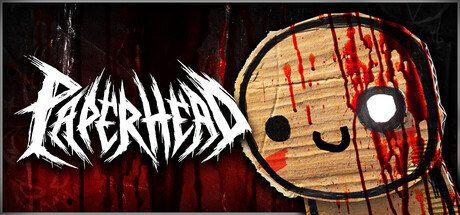
PAPERHEAD has a measurable prelaunch signal eight days before release. At 1:04 p.m. Malaysia time on October 1, the game appeared around number 15 in Steam's fetched Popular Upcoming results. Its official store API listed an October 9 launch, zero public reviews, and no current-player value for the unreleased full game.
The placement shows discovery momentum, not sales. Steam and publisher HypeTrain Digital did not disclose a dated wishlist figure in the materials checked, so none is estimated here. This is a prelaunch market preview based on official store material, not a hands-on review.
Why PAPERHEAD is gaining attention
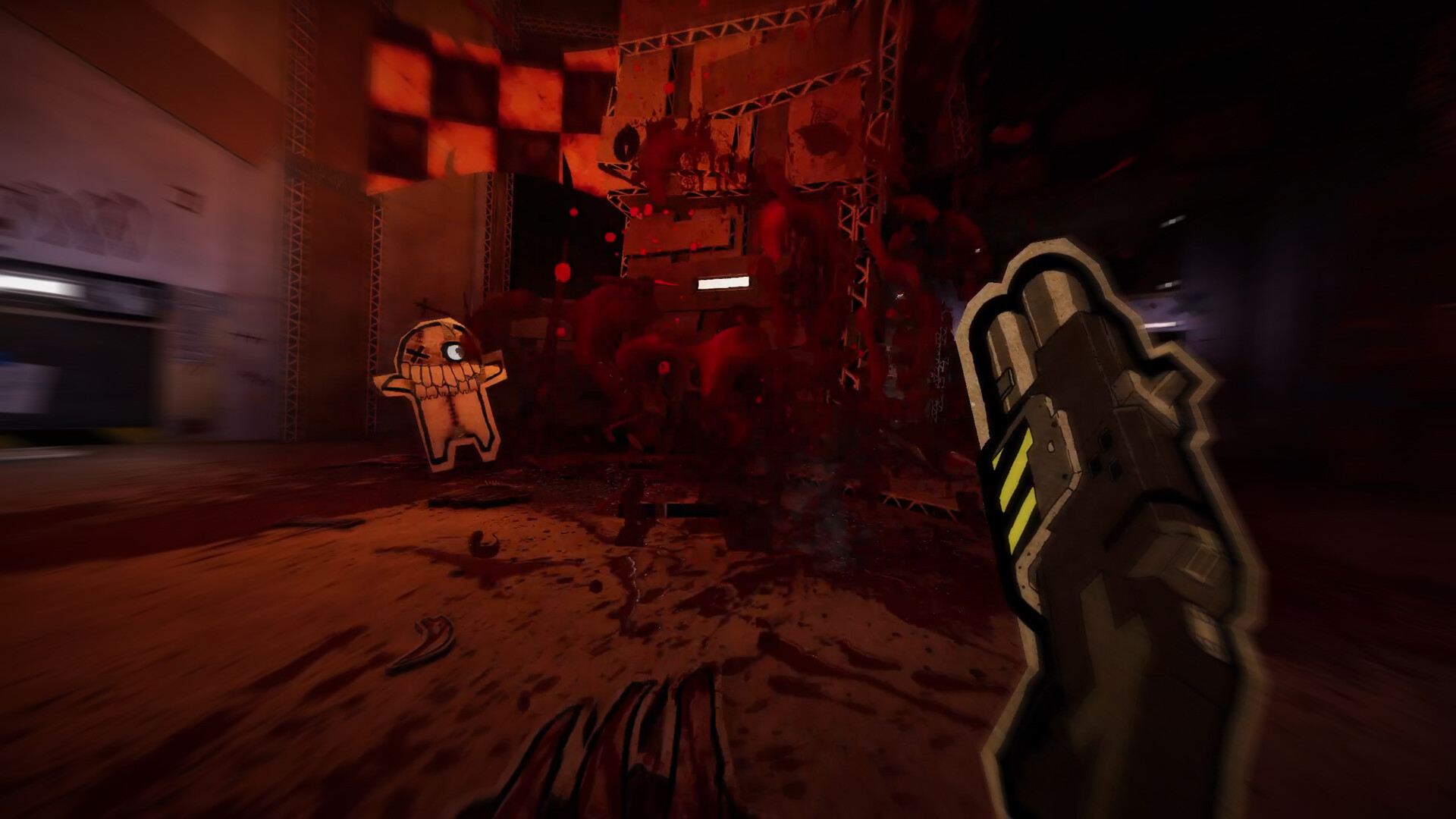
The game's hook combines a cute cardboard world with unexpectedly forceful movement and violence. Players use a magical pencil, firearms, and powerful kicks in environments where paper and cardboard visibly tear, fold, and bleed. The contrast is instantly readable: handmade craft materials behave like a kinetic first-person action playground.
Visual identity is doing much of the discovery work. Screenshots can communicate material destruction, bold silhouettes, and improvised weaponry without explanation. The store trailer and official media also emphasize momentum—sliding, kicking, launching enemies, and using the environment—rather than presenting PAPERHEAD as a slow novelty shooter.
The number-15 Popular Upcoming observation is credible enough to justify attention because it comes close to launch and from Steam's own surface. It cannot reveal how many users converted from the earlier prologue or demo, how many wishlists exist, or whether interest will survive reviews of the full campaign.
Genre, platform, and release status
Steam lists PAPERHEAD as an Action and Indie game for Windows, developed by Paperhead te4m and published by HypeTrain Digital. The official API marked it coming soon for October 9. The store page promotes single-player action and uses official release-trailer media.
There were no public reviews for app 2680280 and no full-game concurrency at the check. Any review or player number attached to a separate prologue or demo belongs to a different app context and should not be transferred to the paid release without explicit labeling.
The release is close enough that buyers do not need to rely on distant promises. Performance, campaign length, accessibility, save behavior, and control feel should become testable within days.
Core loop and differentiation
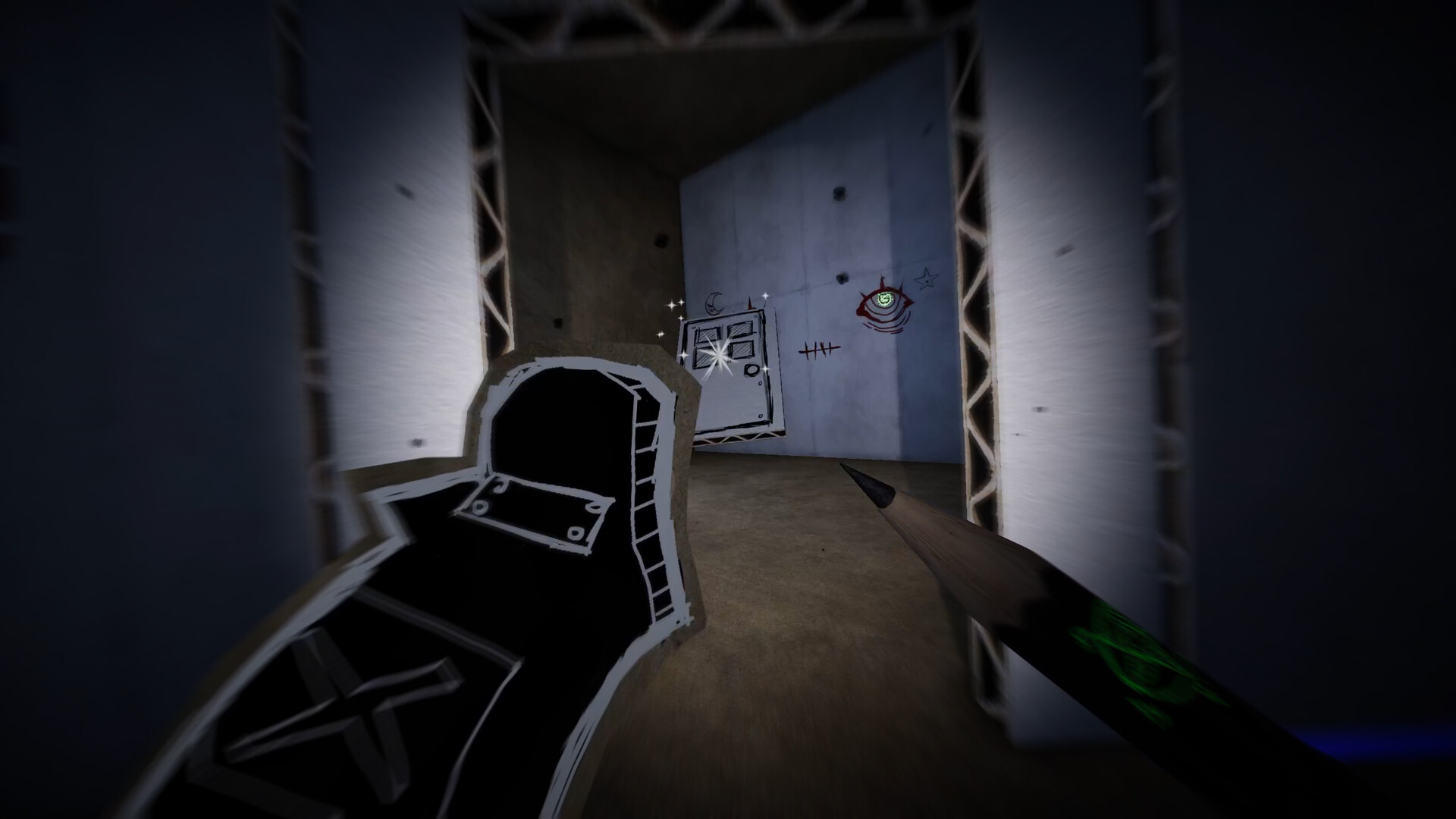
The official pitch suggests a loop of moving through compact cardboard spaces, combining gunfire with kicks and a magical pencil, and using physical reactions to control enemies. Good movement shooters turn navigation into offense: a slide positions the player, a kick creates space, a weapon converts that space into damage, and environmental geometry enables the next move.
PAPERHEAD's differentiator is material logic. Cardboard can bend, tear, stack, and reveal layers. If those properties affect combat and navigation rather than merely decorate them, the game can create interactions that conventional concrete corridors cannot. If destruction is mostly visual, the comparison shifts toward speed, encounter design, weapon feel, and level pacing.
The magical pencil is the largest unanswered system. It could be a versatile tool that changes routes and combat, or a set of scripted interactions. Official images establish its presence but do not prove the depth, frequency, or late-game variety of its use.
Prelaunch market signal
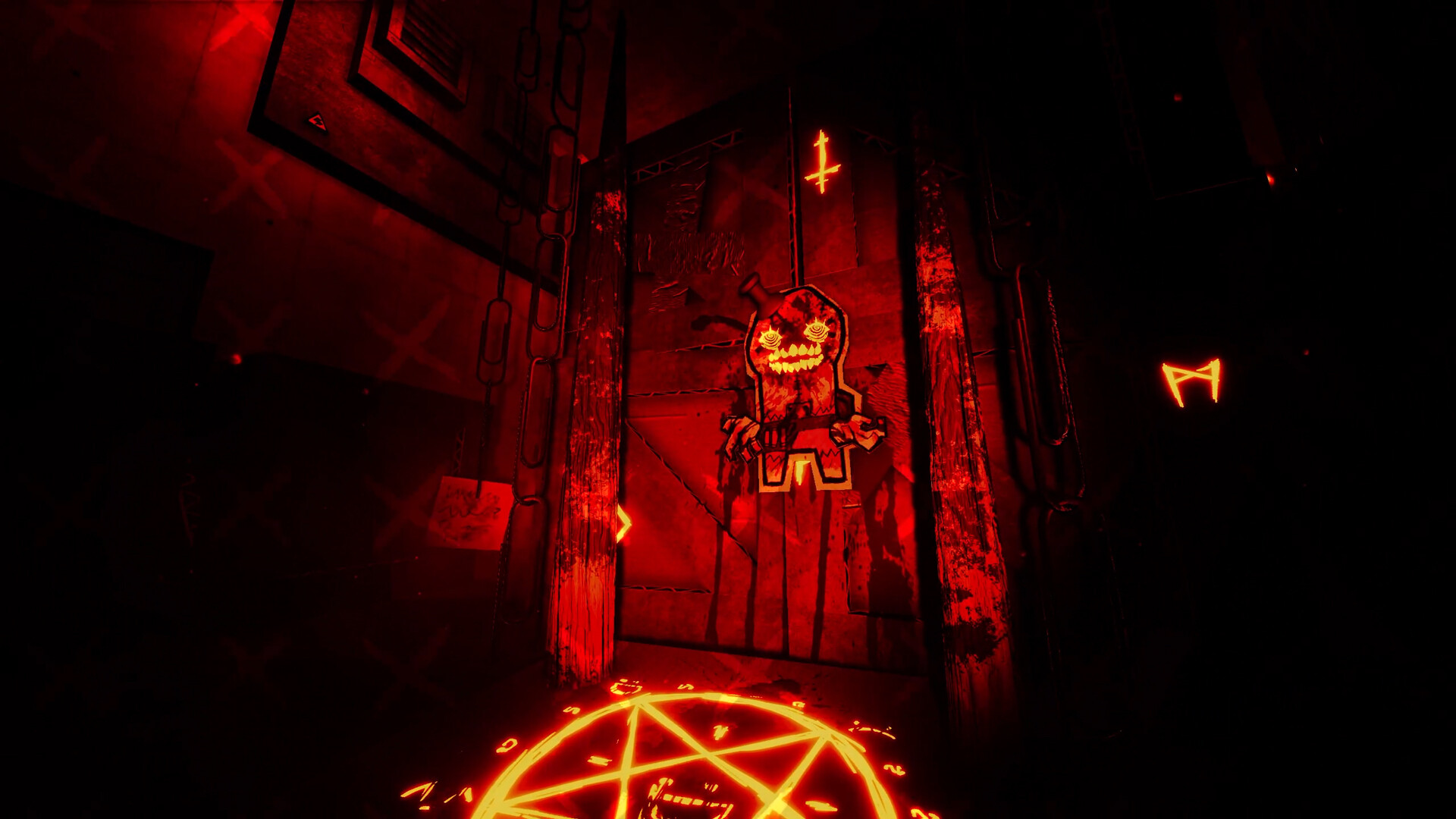
Momentum signal, checked October 1 at 1:04 p.m. MYT: approximately number 15 in the fetched Steam Popular Upcoming ordering; official release date October 9; zero public full-game reviews; no public full-game current-player value.
This signal is stronger than an announcement trailer alone because it reflects current storefront placement near release. It remains weaker than post-launch evidence. Rankings can change rapidly and may vary by region or session. Steam does not publish the weighting behind the list.
The first post-launch measurements should include review growth, positive share, concurrent players, technical complaint frequency, and recurring comments on campaign length. Private sales should remain unestimated unless the developer or publisher releases a number with a date and scope.
Praise and complaints that still need evidence
Because the full game had no public review sample, there is no defensible consensus to summarize. Official media supports observations about art direction, weapon types, and intended movement. It does not establish input latency, difficulty balance, enemy variety, comfort settings, or how many hours the campaign lasts.
Review readers should look for repetition across a meaningful sample. Positive patterns would include movement systems combining rather than competing, environments that affect tactics, and new uses for the pencil. Warning patterns would include motion discomfort, visually noisy combat, repetitive arenas, unclear hit feedback, or a campaign that ends before the mechanics develop.
These are purchase questions, not claims that the problems exist.
Competitive meaning
PAPERHEAD sits between retro movement shooters, physics-driven combat games, and visually playful horror-action projects. Its marketing advantage is that the cardboard construction differentiates every frame. Its design challenge is to make the material matter after the first hour.
Against faster retro shooters, PAPERHEAD needs precise controls and encounter rhythm. Against physics sandboxes, it needs reliable reactions rather than spectacle that occasionally works. Against narrative horror games, it needs enough mystery and level progression to give the bloodied craft world a reason beyond shock contrast.
For small studios, the useful market signal is the power of coherent materials. A limited art vocabulary—paper, ink, pencil, cardboard—can create recognizable screenshots while reducing the need to compete on photorealism. The constraint becomes a brand only when mechanics honor it.
Who should consider it—and who should wait
Players who enjoy fast first-person combat, expressive movement, and unusual material art have the clearest reason to follow launch. The near-term date means wishlisting and waiting for verified reviews carries little cost.
Buyers sensitive to motion, uncertain about campaign length, or playing on minimum-spec hardware should wait for technical reports. Players expecting a systems-heavy immersive simulation should also verify how broadly the pencil and destructible materials can be used.
Editorial verdict
PAPERHEAD has earned prelaunch attention through a distinct visual language and a top-15 Popular Upcoming appearance. The market signal is real but incomplete. Promising prelaunch candidate; wait for October 9 evidence on movement feel, material interactivity, and campaign depth.
Sources and image rights
- [Official Steam store page](https://store.steampowered.com/app/2680280/) — release date, developer, publisher, genre, description, and official media; checked October 1, 2026 at 1:04 p.m. MYT.
- [Steam Popular Upcoming results](https://store.steampowered.com/search/?filter=popularcomingsoon&category1=998) — approximate dated placement at the check.
- [Steam public review endpoint](https://store.steampowered.com/appreviews/2680280?json=1&language=all&purchase_type=all) — zero-review state for the unreleased full game.
- All four images are official Steam store assets supplied by rights holders Paperhead te4m and HypeTrain Digital, downloaded locally for identification, reporting, and criticism on October 1. They are not user uploads, are not hotlinked, and were not composited or altered beyond local delivery.