MOGGED Reaches Steam's Popular Upcoming Top Three on Its October 1 Launch Day
MOGGED: Looksmaxx or Die arrived at launch day with a striking discovery signal. At 1:04 p.m. Malaysia time on October 1, Steam's public Popular Upcoming results placed it third in the fetched list, while the official store API still marked the game as coming soon with an October 1 release date. The store exposed no user-review total or current-player count at that check.
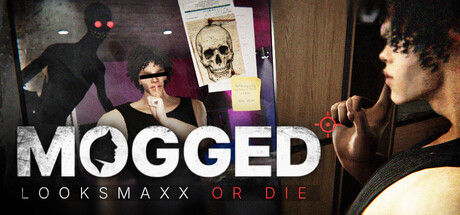
MOGGED: Looksmaxx or Die arrived at launch day with a striking discovery signal. At 1:04 p.m. Malaysia time on October 1, Steam's public Popular Upcoming results placed it third in the fetched list, while the official store API still marked the game as coming soon with an October 1 release date. The store exposed no user-review total or current-player count at that check.
That combination makes this a launch-day preview, not a review. The rank shows unusually strong storefront visibility immediately before release. It does not reveal wishlists, preorders, sales, regional conversion, or how the live build performs once players arrive.
Why MOGGED is visible now
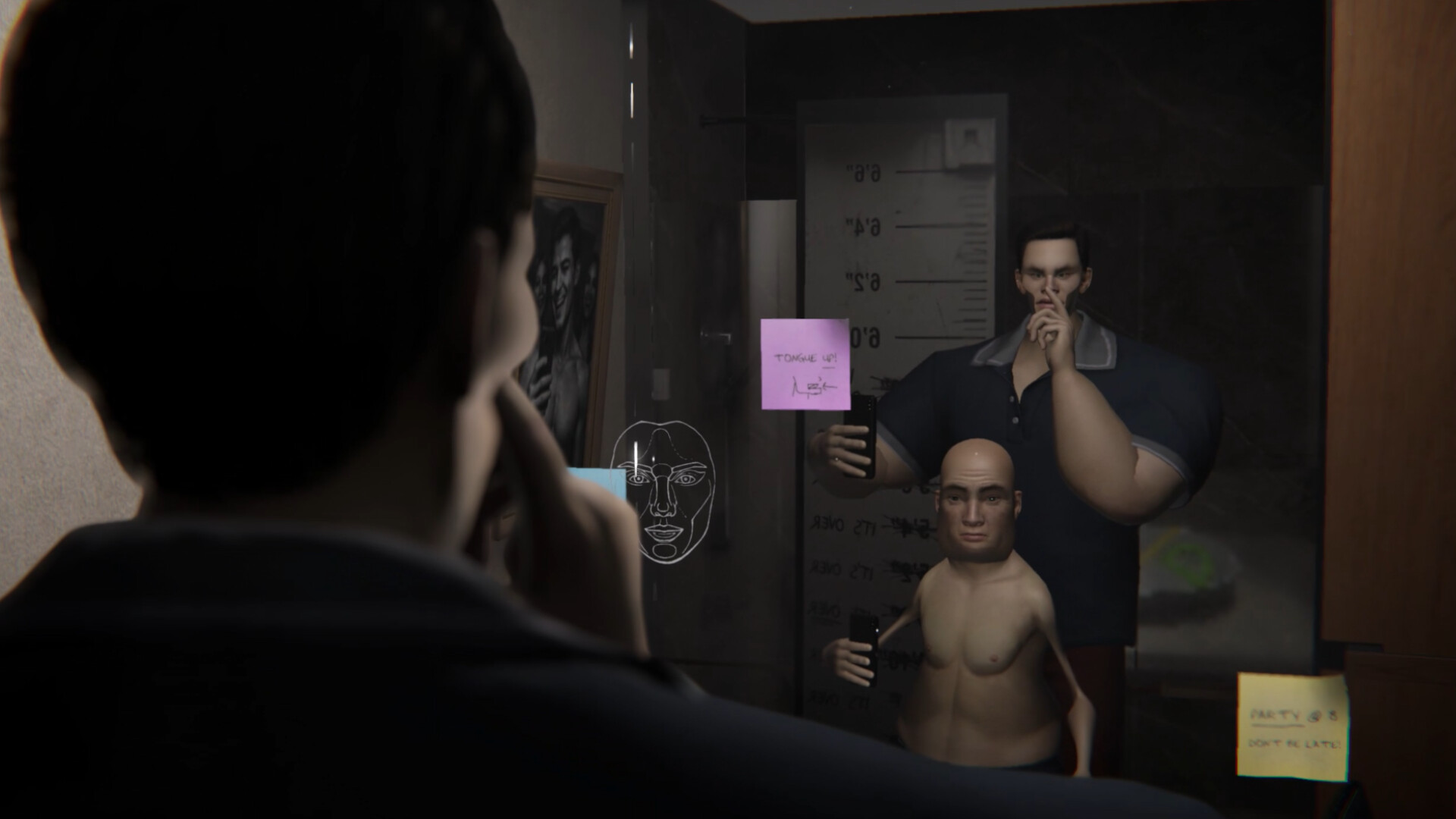
Sigma Labs has packaged a familiar co-op extraction structure inside a deliberately abrasive internet-culture premise. Players raid nightly fraternity parties for equipment, pursue a rising appearance quota, prepare dubious procedures, and try to avoid the creature that targets the group's weakest-looking member. The humor is confrontational, but the pitch is easy to understand in a few seconds.
That legibility matters on Steam. A group can immediately imagine the conversation: divide jobs, search dangerous rooms, decide whether one more piece of gear is worth the risk, and blame one another when the quota or monster catches up. The concept also produces short, readable clips—an advantage for a small self-published game competing on launch day.
The third-place Popular Upcoming observation is the strongest public momentum signal available here. Steam did not publish a wishlist count on the official page, and Sigma Labs did not provide a dated public wishlist figure in the materials checked. We therefore do not estimate one.
Genre, platform, and release state
Steam describes MOGGED as an Action, Adventure, Indie, Simulation, and Early Access game for Windows. The official store API listed both developer and publisher as Sigma Labs. It showed an October 1 release date but retained the coming-soon flag at the time of verification, which is normal when a store transition has not completed in every public endpoint.
The current evidence supports calling it a co-op survival extraction preview. It does not support calling it a launch review, because there were zero public Steam reviews and no current-player response in the checked APIs. Those measurements should be revisited after the store unlocks.
Early Access is relevant to the buying decision. The premise depends on repeated group sessions, content variety, matchmaking or invitation stability, voice communication, and enough progression to make the next raid feel different. A highly legible joke can attract a launch audience; retaining that audience requires systems beyond the joke.
Core loop and differentiation
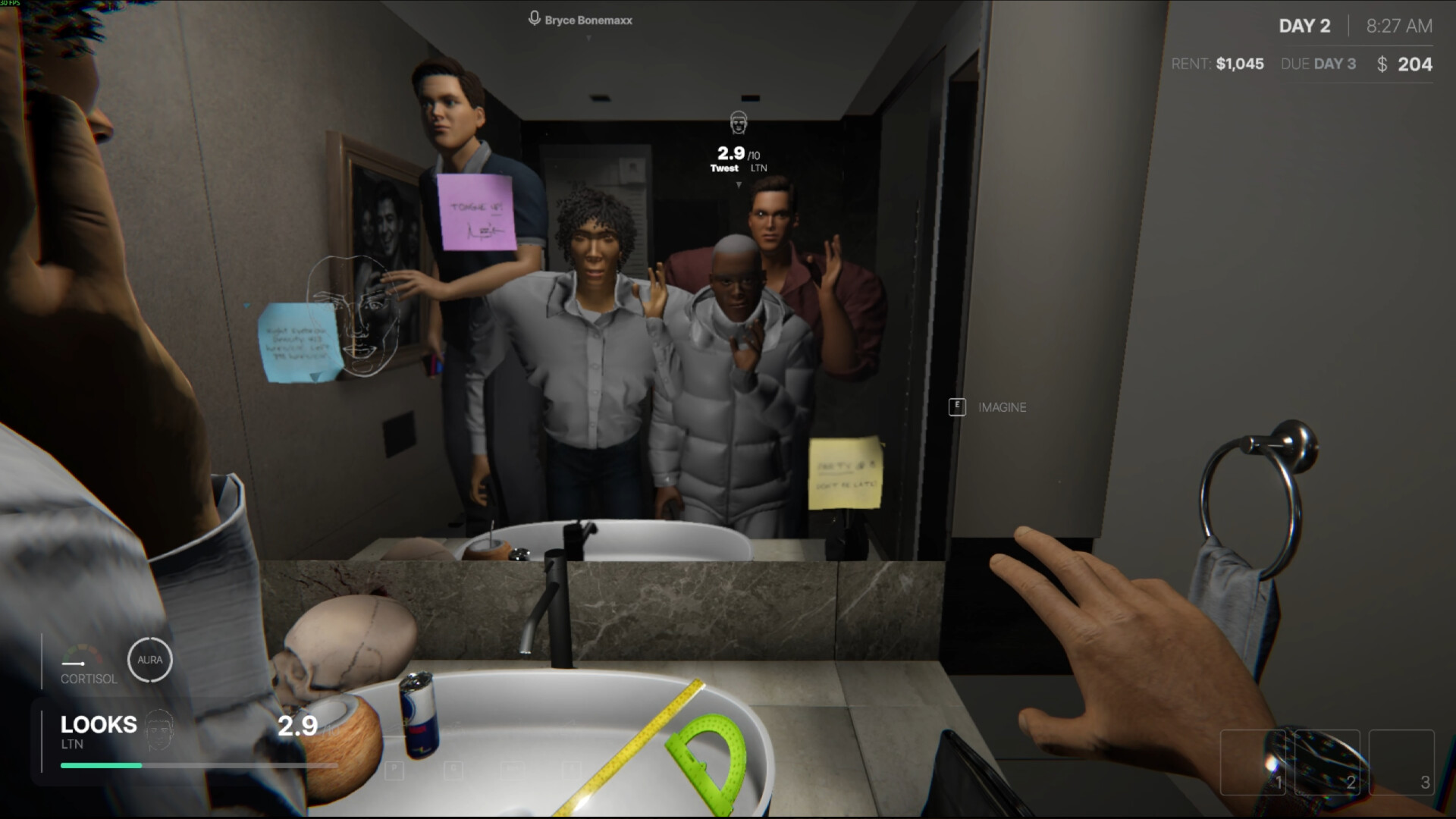
The apparent loop is to enter a party, scavenge gear and resources, manage a quota, apply upgrades or risky procedures, and escape while a hostile presence pressures the team. Each player needs information from the environment and from teammates. The tension comes from deciding whether to improve the group, protect an individual, or push deeper for a better haul.
MOGGED differentiates itself through theme rather than a wholly new extraction grammar. Co-op horror already has many games built around dangerous interiors, limited information, and escalating mistakes. Here, appearance optimization is converted into a resource system and social hierarchy. That can make failures memorable because the rules invite negotiation and teasing rather than silent mechanical execution.
The same premise creates risk. Humor grounded in appearance anxiety can become repetitive or hostile if the systems provide only one punchline. The game needs clear consent tools, useful moderation, and enough mechanical counterplay that success is not determined by who tolerates the joke longest.
Market signal at publication
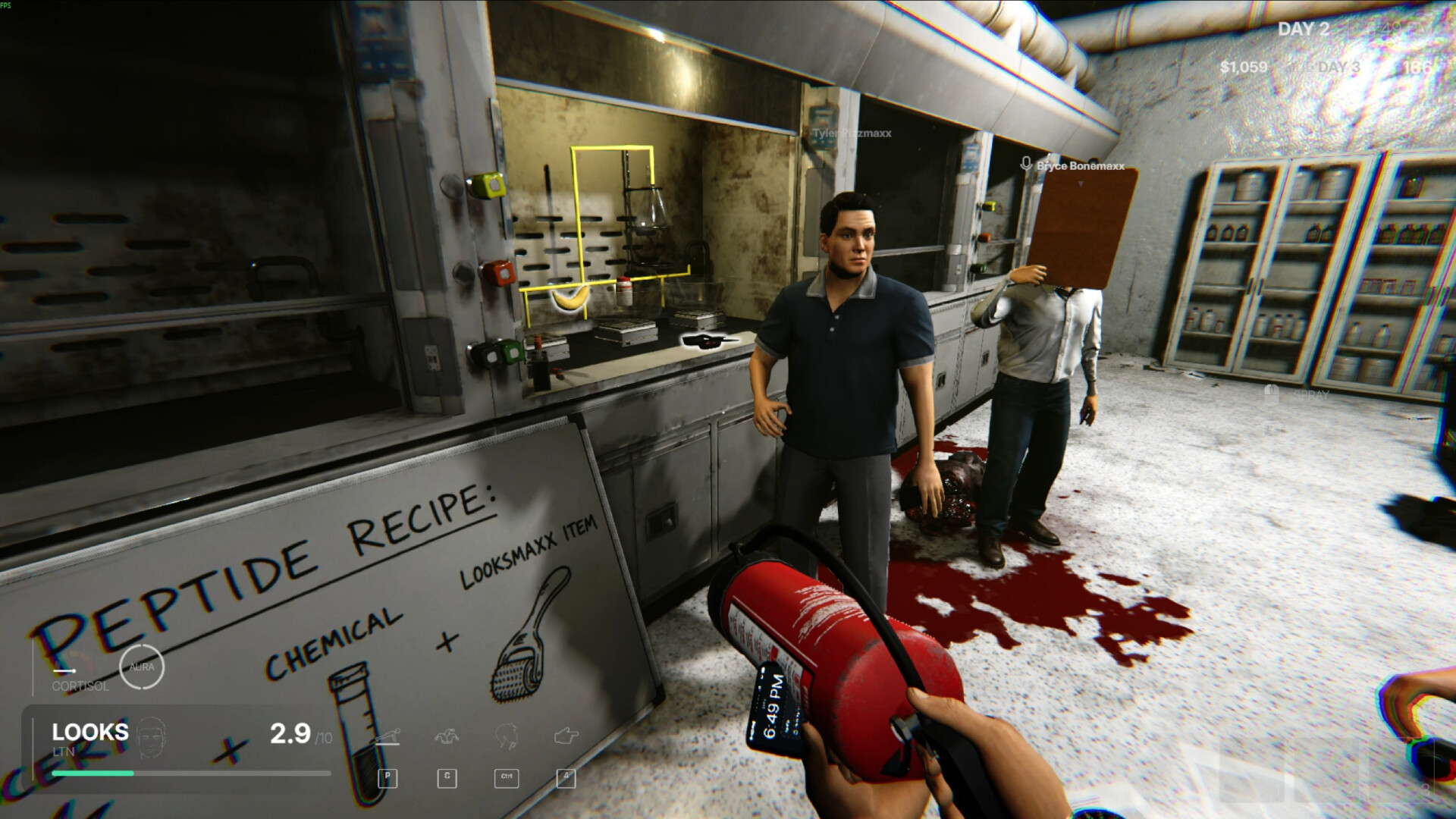
Momentum signal, checked October 1 at 1:04 p.m. MYT: third in the fetched Steam Popular Upcoming ordering; official release date October 1; zero public reviews; no public current-player value. Rankings change and may vary by region or session, so the position is a dated snapshot.
The signal is strong because it is near release and comes from Steam's own discovery surface. It is incomplete because there is no denominator. A top-three upcoming placement can reflect wishlists, traffic, release timing, merchandising, or a combination Steam does not disclose publicly.
The first useful post-unlock checks are review growth, positive share, concurrent-player response, reported connection problems, and whether groups describe the loop as funny after several hours. Unit sales and revenue remain private unless the developer publishes them.
Repeated praise and complaints to watch
There was no valid public review sample at the check, so no player-sentiment conclusion is possible. Store tags and marketing describe the intended fantasy, not the experienced one. We will not turn trailer reactions into a review score.
Based on the design, buyers should watch four questions in the first hundred or more reviews: whether communication roles are genuinely different, whether solo or incomplete groups have workable options, whether progression changes decision-making, and whether technical issues interrupt sessions. Those are evaluation criteria, not predictions about what players will report.
Competitive meaning
MOGGED enters a crowded co-op-horror market where concepts must be understandable instantly and playable repeatedly. Its launch-day visibility shows the premise has passed the first test. The harder test is whether quota pressure, extraction choices, and upgrade tradeoffs create stories that remain funny after the novelty fades.
For other developers, the useful signal is not to copy the meme. It is that a specific social rule can make an established loop legible. The game turns status anxiety into a team resource problem. If that rule produces meaningful choices, it can defend attention; if it is only cosmetic, competitors with deeper progression will absorb the audience.
Who should consider it—and who should wait
Groups that enjoy improvisational co-op horror and are comfortable with the theme have the clearest reason to watch the unlock. Streamers may find the readable failures useful. Players seeking a serious horror narrative, a polished solo campaign, or fully documented long-term progression should wait for evidence from the live build.
Anyone sensitive to appearance-based humor should examine the store presentation carefully. Early Access buyers should also wait if they need stable matchmaking, accessibility details, or a known content length. Those facts were not established by the pre-release materials checked.
Editorial verdict
MOGGED has a credible launch signal: a top-three Popular Upcoming appearance on release day and a premise that communicates its social loop immediately. It does not yet have public play evidence. The correct call is high-attention launch-day preview, recheck after unlock. Do not convert storefront visibility into a sales claim or a quality verdict.
Sources and image rights
- [Official Steam store page](https://store.steampowered.com/app/4917440/) — developer, publisher, Early Access tags, release date, description, and official media; checked October 1, 2026 at 1:04 p.m. MYT.
- [Steam Popular Upcoming results](https://store.steampowered.com/search/?filter=popularcomingsoon&category1=998) — dated discovery placement; checked October 1, 2026 at 1:04 p.m. MYT.
- [Steam public review endpoint](https://store.steampowered.com/appreviews/4917440?json=1&language=all&purchase_type=all) — zero-review state at the check.
- All four images are official Steam store assets supplied by rights holder Sigma Labs, downloaded locally for identification, reporting, and criticism on October 1. They are not user uploads, are not hotlinked, and were not composited or altered beyond local delivery.