Machine Party Sold a Million Copies—Now Variety Is the Retention Test
Machine Party launched on July 30 as a collection of lethal multiplayer trials from Mike Klubnika and GDeavid. On August 12, the developers announced that it had sold one million copies and released version 2.0 with couch co-op. Six weeks later, Steam still placed the game in the first 100 results of its New Releases response during our September 25 check.
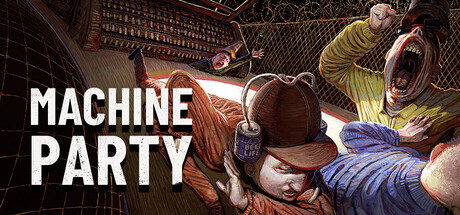
Machine Party launched on July 30 as a collection of lethal multiplayer trials from Mike Klubnika and GDeavid. On August 12, the developers announced that it had sold one million copies and released version 2.0 with couch co-op. Six weeks later, Steam still placed the game in the first 100 results of its New Releases response during our September 25 check.
The official review endpoint showed 5,248 all-language reviews, 4,545 positive, or about 86.6% positive. Steam's current-player endpoint showed 1,178 people in game at 1:17 p.m. Malaysia time. The sales figure is usable because the developers published it with a date; we do not extrapolate later sales from reviews or players.
Why it is visible now
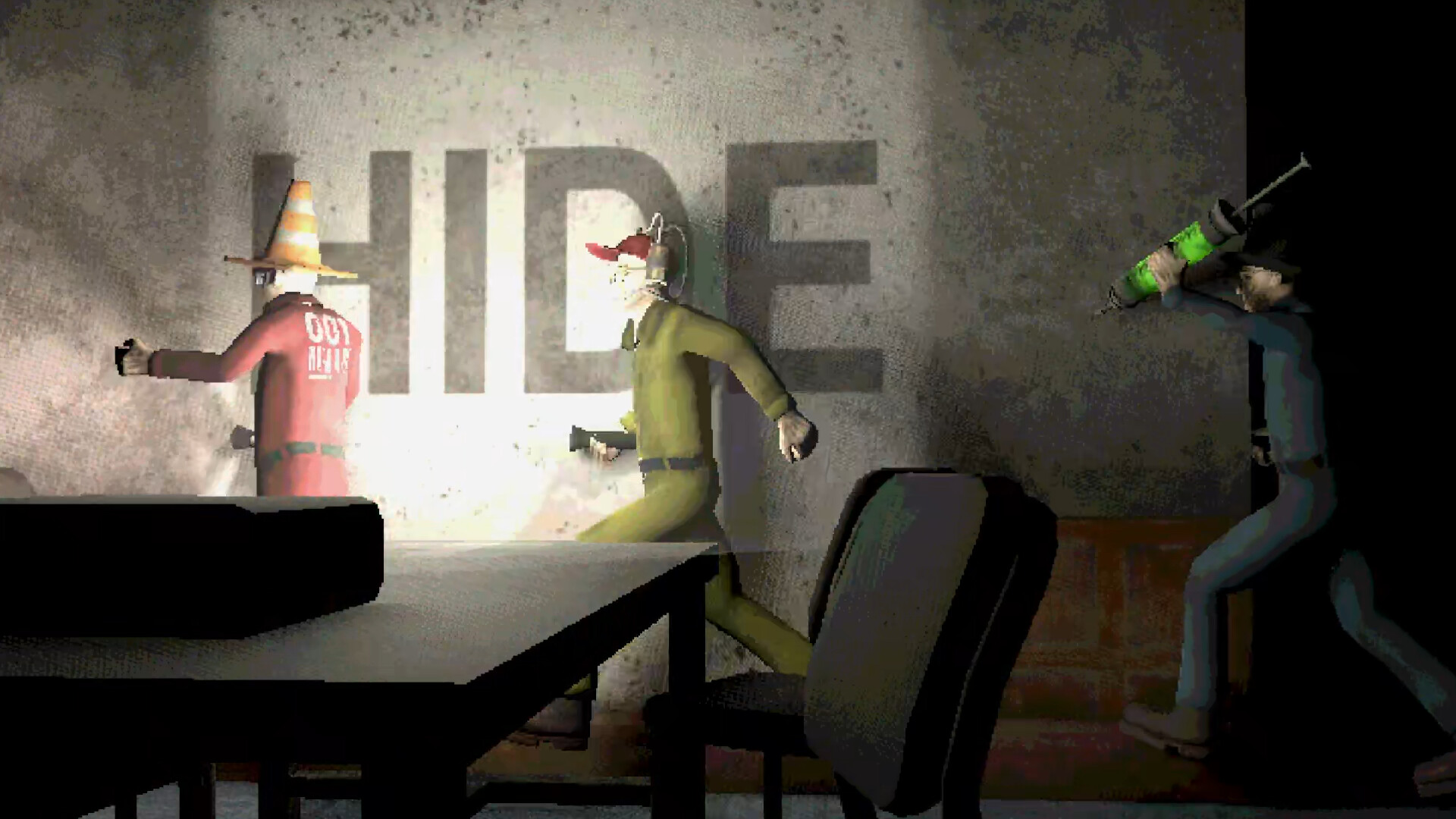
Machine Party compresses its pitch into one sentence: friends enter short industrial tests where failure is lethal and self-preservation can be more valuable than loyalty. The game borrows the accessibility of a party-game collection but replaces cheerful board-game framing with Mike Klubnika's grim mechanical horror.
That contrast travels well in clips. A rule can be understood quickly, a friend can betray another player, and the consequence arrives immediately. The game does not need a long progression tutorial before it produces a social story.
Version 2.0 widened the addressable setting by adding couch co-op for up to four connected controllers. The August patch also followed an official half-million sales announcement from August 6. Reaching the developer-reported million mark by August 12 shows exceptional early distribution. The current question is no longer discovery. It is whether the collection has enough variety and reliability to keep groups returning.
Genre, platform, and release state
Steam lists Machine Party as an action and indie game for Windows. Mike Klubnika and GDeavid develop it, and Oro Interactive publishes it. It is a full release rather than an Early Access listing.
Online play requires a group, while the later couch mode supports a local session on one machine. The official August 13 and 14 updates added a shuffle option and fixed local-mode, localization, achievement, controller, and cutscene issues. Those patch notes show active post-launch maintenance, but no buyer should assume an unannounced long-term content plan.
The store identity is deliberately harsh: machines, rules, physical elimination, and mistrust. Players sensitive to graphic violence or looking for a low-conflict family party game should inspect the official media and content descriptors first.
Core loop and differentiation
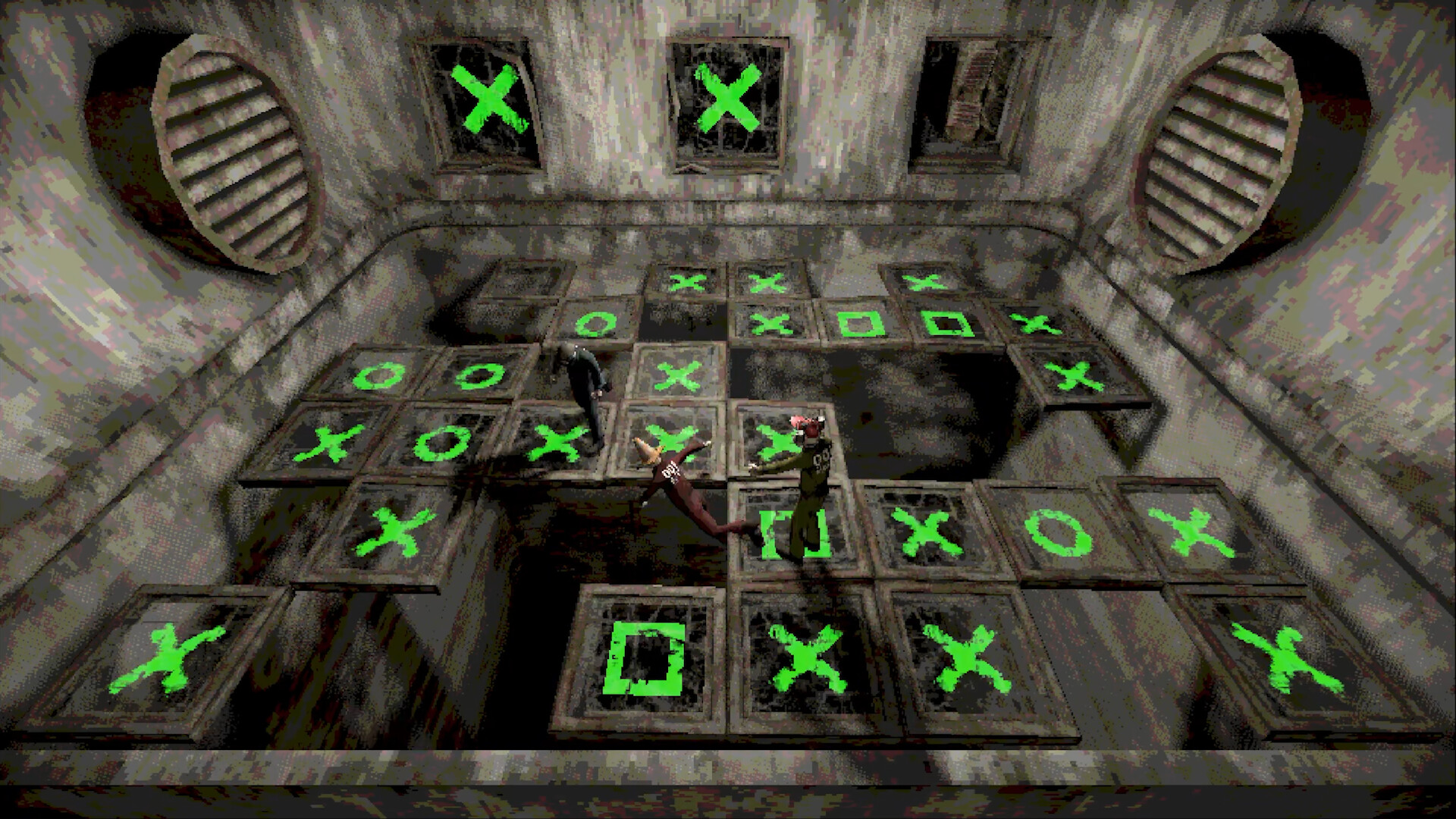
The loop is gather a four-person group, receive a compact rule set, survive a short simulation, exploit or protect the other players, and carry the outcome into the next trial. An arcade mode can assemble a faster random playlist, while shuffle changes the order in custom sessions.
The strongest design resource is mistrust. A simple movement or timing task becomes memorable when another person can push, deceive, or sacrifice a teammate. That produces emergent comedy without a large map or persistent economy.
Compared with broad party-game platforms, Machine Party offers a more coherent authorial mood. Compared with one-mechanic social games, a collection can reset the group's assumptions between rounds. The cost is content pressure: once players know the trick behind each simulation, novelty falls unless rule combinations, player behavior, or new trials change the outcome.
Verified market snapshot
At 1:17 p.m. Malaysia time on September 25, official sources showed:
- 1,178 current Steam players;
- 5,248 all-language reviews, with 4,545 positive and 703 negative;
- a “Very Positive” summary;
- a developer announcement of one million copies sold as of August 12;
- couch co-op added in version 2.0 on August 12;
- no public current revenue or platform-wide active-user figure.
The momentum label is verified commercial breakout with a live but much smaller current audience. A decline from launch is normal for a session-based release. The meaningful retention test is whether enough groups continue to form and whether updates answer the repeated request for more variety.
What players repeatedly praise—and question

Recent public reviews repeatedly praise the game as a compact way for four friends to laugh, argue, and sabotage one another. The low price and couch-co-op option support an easy group purchase. Players also respond to the uncomfortable machinery and severe consequences, which distinguish the collection from brighter party-game competitors.
The most consistent complaint is limited content. Positive and negative reviewers both ask for more minigames and say the existing set can become familiar after a small number of sessions. Balance concerns appear around particular trials, and some players report online latency, connection trouble, bugs, or the absence of public matchmaking. The friend requirement is therefore both the product and a purchasing constraint.
The 5,248-review sample supports broad patterns, but it is voluntary and multilingual. We do not repeat individual wording or treat isolated technical claims as confirmed for every configuration.
Competitive meaning
Machine Party proves that a strongly authored mood can help a small party-game collection escape the commodity problem. The industrial horror is not decoration; it changes the emotional interpretation of familiar timing, memory, and betrayal tasks.
Its next moat cannot be the initial surprise alone. More simulations, variants, randomization, reliable networking, or community creation could extend the life of the system. Each option has cost: authored quality takes time, procedural variation can feel shallow, and user-generated content requires moderation and tooling.
Who should play—and who should wait
Buy for a known group of four that enjoys short competitive trials, betrayal, dark humor, and replaying rules until social behavior becomes the variable. Couch co-op reduces the networking burden for local groups.
Wait if you need public matchmaking, a solo experience, a large current minigame catalog, or consistently strong cross-region online performance. Review the latest patch notes and recent reports for your network setup before organizing a remote session.
IndieGame.party verdict
Machine Party has already achieved what most independent releases never do: the developers publicly reported one million copies within two weeks. The 86.6% positive share and 1,178 observed players show a healthy remaining audience, but reviews identify the next problem clearly. The lethal-party premise works. The collection now needs enough variety and technical reliability to keep the same friends coming back.
Sources and image rights
- Official Steam store and media page, checked September 25, 2026: https://store.steampowered.com/app/4108000/
- Official developer announcement, “v2.0 — Couch co-op, 1 million copies sold!”, published August 12, 2026: https://store.steampowered.com/news/app/4108000/view/1840944183774444
- Official version 2.1.1 patch notes, published August 13, 2026: https://store.steampowered.com/news/app/4108000/view/1840944183777061
- Steam public review endpoint, checked September 25, 2026: https://store.steampowered.com/appreviews/4108000?json=1&language=all&purchase_type=all
- Steam current-player endpoint, checked September 25, 2026: https://api.steampowered.com/ISteamUserStats/GetNumberOfCurrentPlayers/v1/?appid=4108000
- Images: official Steam header and screenshots supplied by Mike Klubnika, GDeavid, and Oro Interactive, © their respective rights holders. Downloaded locally September 25, 2026 and used without compositing in the minimum scope required to identify and analyze the game.