Lust Isles Makes Match-3 Combat the Route to 672 Adult Animations
The Forsaken Isles need reclaiming, and apparently the restoration budget includes 672 adult animations. Lust Isles puts monster fighting, equipment upgrades and erotic gallery collecting on the same itinerary. There is something wonderfully blunt about that arrangement: save the islands, improve your spells, attend to your extracurricular interests.
What catches my attention, though, is the possibility that matching three tiles might deserve as much thought as the reward waiting behind the defeated monster.
Developed and published by Bully Revenge Studios, Lust Isles lists its release as Nov 14, 2026, making this a day-after-launch proposition on November 15. The supplied price is $8.39, with platforms given as windows, mac, linux. Steam categorises it as Indie, Simulation, although the more useful description is a fantasy adventure that joins visual-novel storytelling, RPG progression and match-3 combat.
Those three components make a specific promise: battles to think through, a character to improve and people worth returning to between fights.
The sword is mostly a tile arrangement
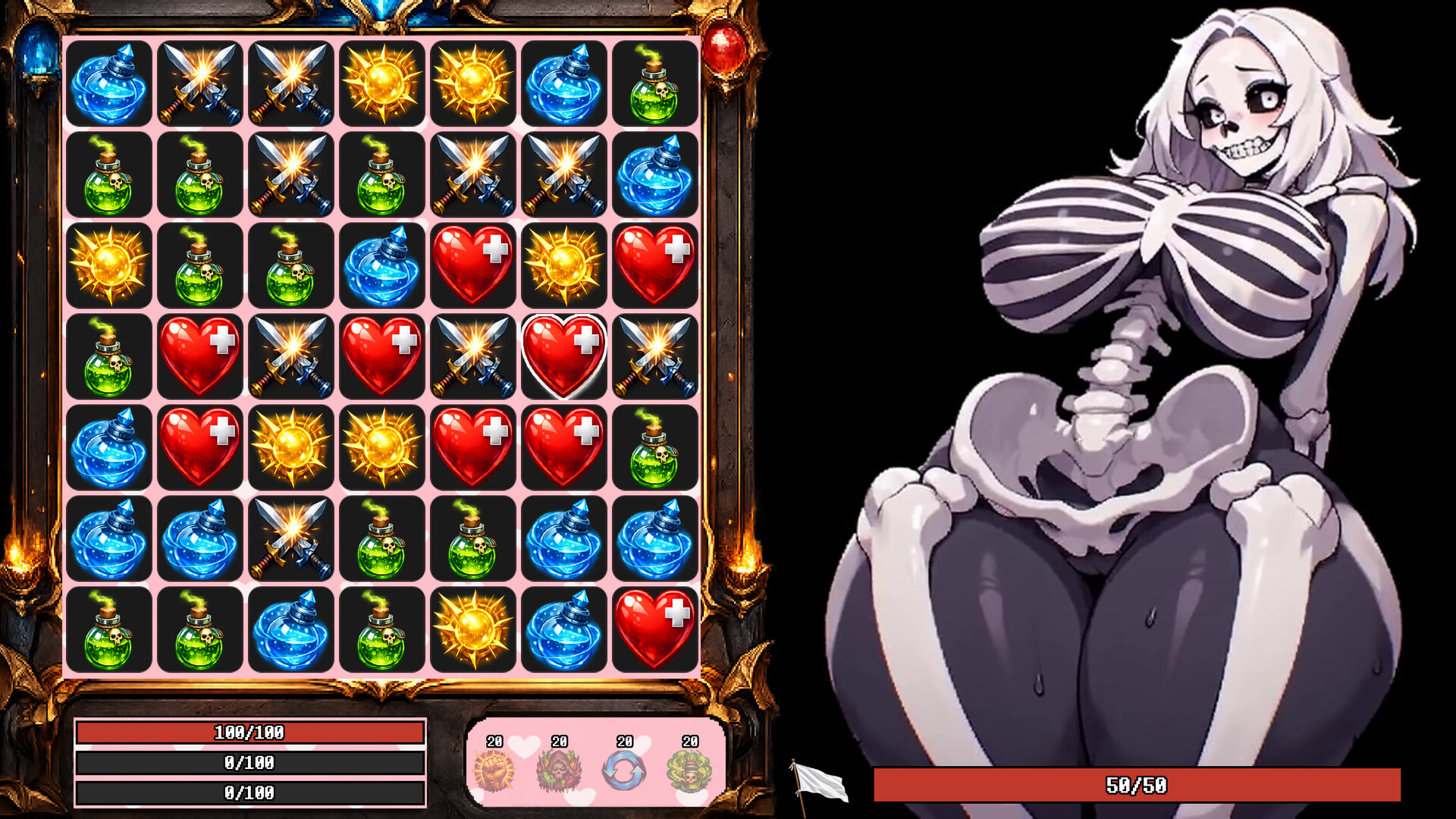
Reclaiming dangerous islands is familiar fantasy business. Having to arrange tiles to get the fighting done gives it a more appealing texture. The official listing says matches can attack, heal, build mana and inflict status effects, while abilities provide another means of influencing a battle.
That is a better pitch than simply putting a puzzle board in front of a monster and asking the player to keep clicking until something falls over.
The useful comparison is Puzzle Quest: the attraction is the meeting point between a readable puzzle and a character whose powers extend beyond the board. Lust Isles borrows that broad puzzle-RPG proposition and attaches relationships, gifts and adult unlocks to the surrounding adventure. Its distinction is where the spoils go.
A victory feeds a fantasy of becoming stronger, but it also contributes to a collection explicitly built around mature content.
I like the potential conflict between attacking and healing more than I like the adjective “strategic” on its own. If a match can restore health or generate mana, the board could ask the player to choose between surviving now and setting up an ability later. That is an inference from the listed actions, not a report from a tested battle.
The listing does not establish how demanding those decisions become, how enemies counter them or whether a reliable tactic eventually makes the puzzle routine.
That uncertainty is the hinge of the whole game. A combat system with meaningful choices could make the adult rewards feel like punctuation between satisfying encounters. A thin one could make those same encounters feel like a queue. Both outcomes fit the advertised feature list; only playing can distinguish them.
The reason to consider Lust Isles is that its stated combat ingredients at least give that first outcome something to work with.
The reward screen has other plans
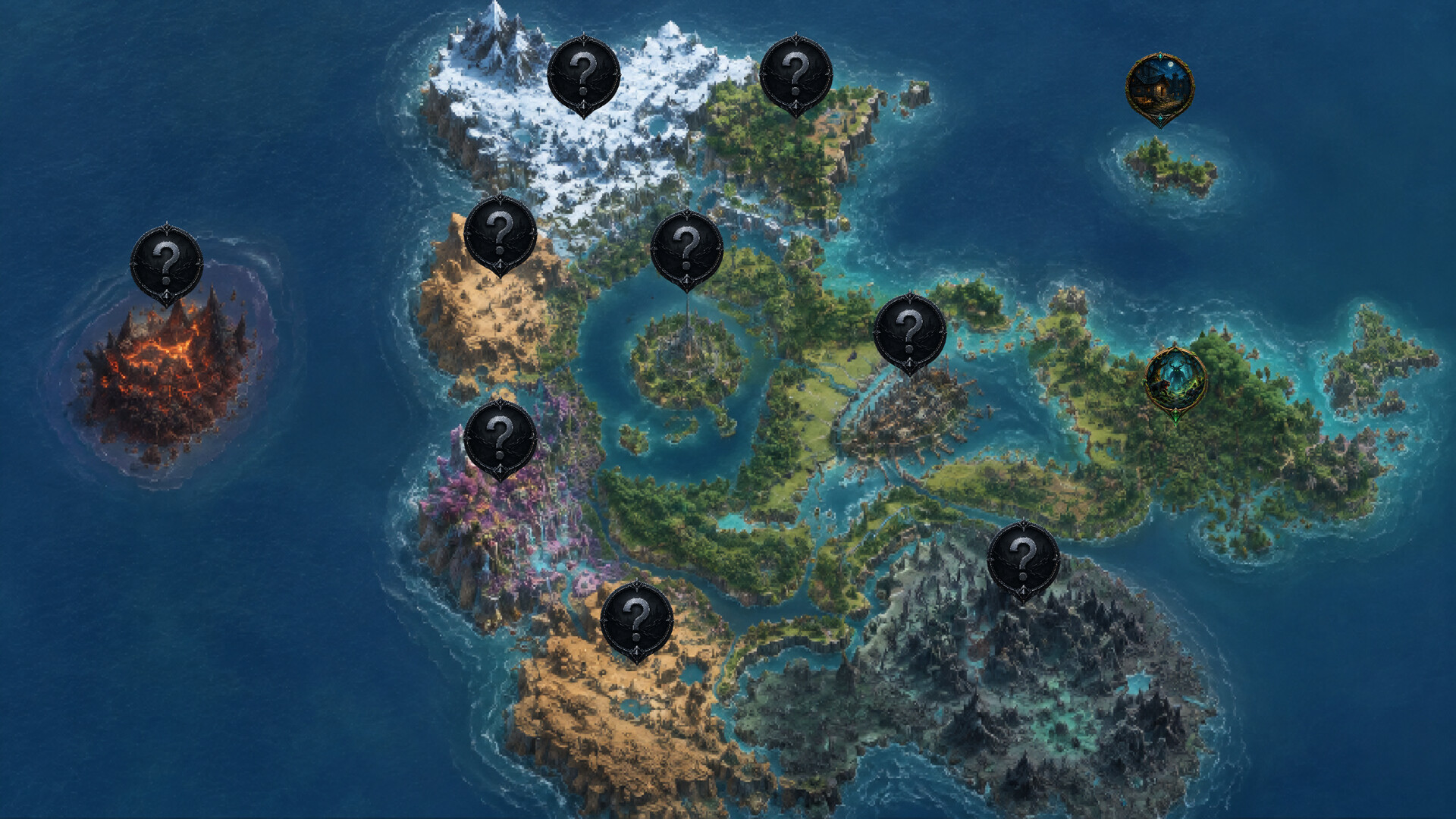
The premise makes no attempt to hide its priorities. You explore the Forsaken Isles, battle monsters and meet characters whose stories and relationships develop as you progress. Gifts are part of the romance system, and scenes and artwork go into a gallery. This is an explicitly adult fantasy adventure, so anyone looking for a puzzle RPG suitable for shared family screen time has already reached the wrong island.
Its relationship pitch invites a cautious comparison with Stardew Valley. Giving gifts and building affection are familiar reasons to revisit a character rather than treating every conversation as a delivery mechanism for the next objective. Lust Isles places those activities alongside monster battles and erotic scenes.
The listing does not establish the breadth of those relationships, however: branching routes, conversation depth and consequences are all things I would want to examine before calling the cast a major strength.
The most revealing advertised rule is that every defeated monster unlocks a gallery containing 16 adult animations. That makes the connection between fighting and collecting unusually explicit. You are not merely travelling through a story that occasionally contains mature scenes; defeating enemies is directly tied to acquiring them.
For a reader who wants both puzzle combat and an adult collection to pursue, that clarity is useful. For someone who wants either component in isolation, it may be a warning about the other half of the purchase.
Your build has to earn its baggage
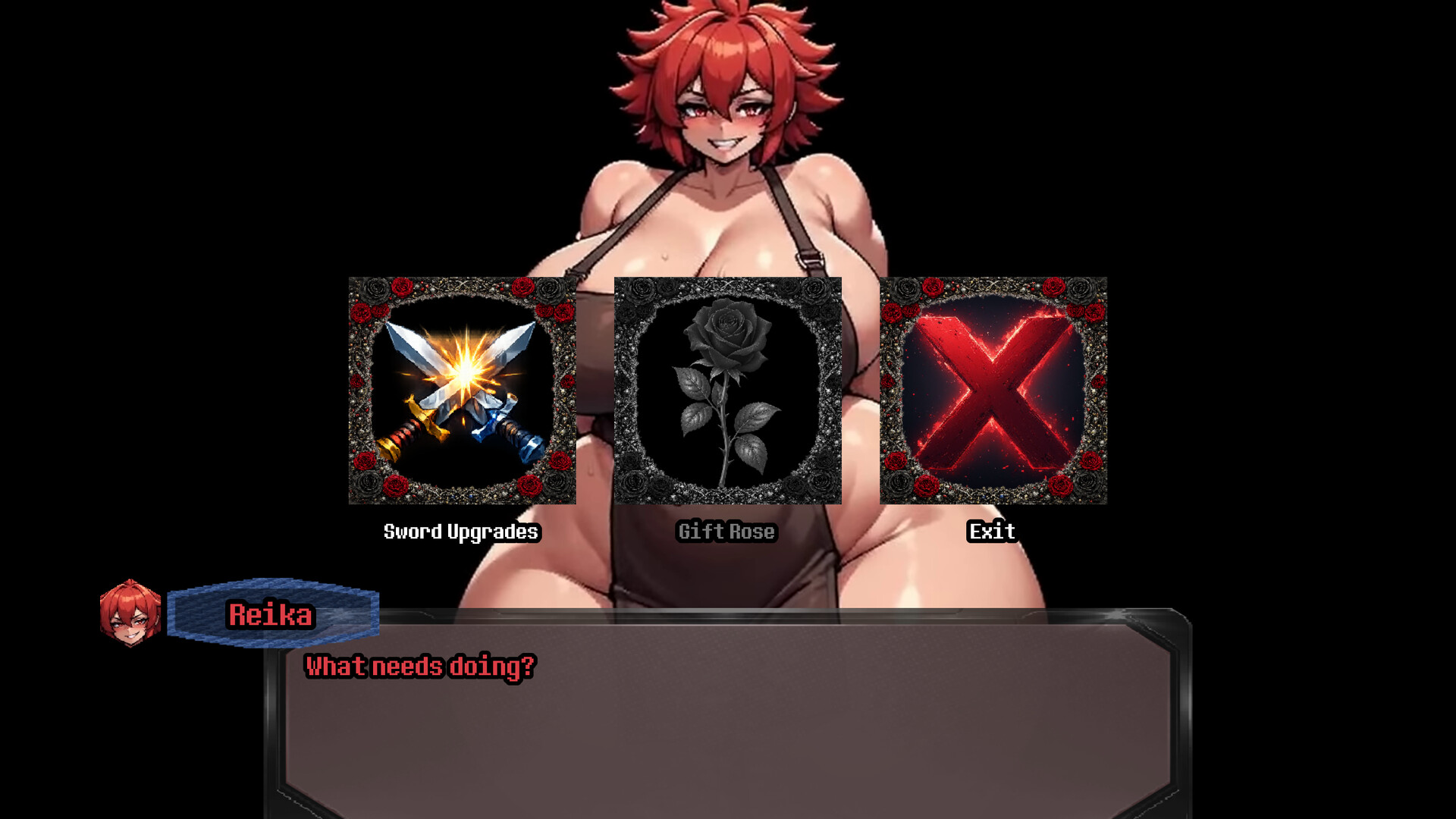
Between battles, the listing promises improvements to stats, abilities, spells and equipment. The implied rhythm is straightforward: explore, fight, collect rewards, strengthen the character and prepare for tougher encounters. Relationships supply another reason to spend time outside combat.
This is progression through an adventure; nothing supplied establishes a run-based structure, procedural resets or a roguelike cycle, so expecting the restart-and-rebuild rhythm of Vampire Survivors would be a mistake.
What could hold that loop together is the relationship between character upgrades and the next puzzle. A new spell matters if it changes which matches you want. Better equipment matters if it lets you approach a dangerous encounter differently. The official description establishes the upgrade categories, but not how extensively they interact.
I would be looking for changes in decisions, because a steadily rising attack number alone would struggle to carry a long procession of monster galleries.
Status effects are another promising detail with an unanswered question attached. Their presence suggests battles can involve more than damage and recovery, but the listing does not name the effects or explain their duration, interactions or counters. There is enough here to identify an appealing system, not enough to certify its depth.
That distinction matters at $8.39: an inexpensive game can still ask for substantial patience if its fights repeat without developing.
The supplied description centres on upgrading your character and building relationships. It does not specify co-op or multiplayer, so there is no basis for selling this as something to tackle with a friend. Equally, that omission is not a verified player-mode specification. If shared play is essential to your purchase, the information here does not establish that Lust Isles offers it.
Its stated appeal is the personal sequence of battles, upgrades and character encounters.
Forty-two galleries are the opening offer
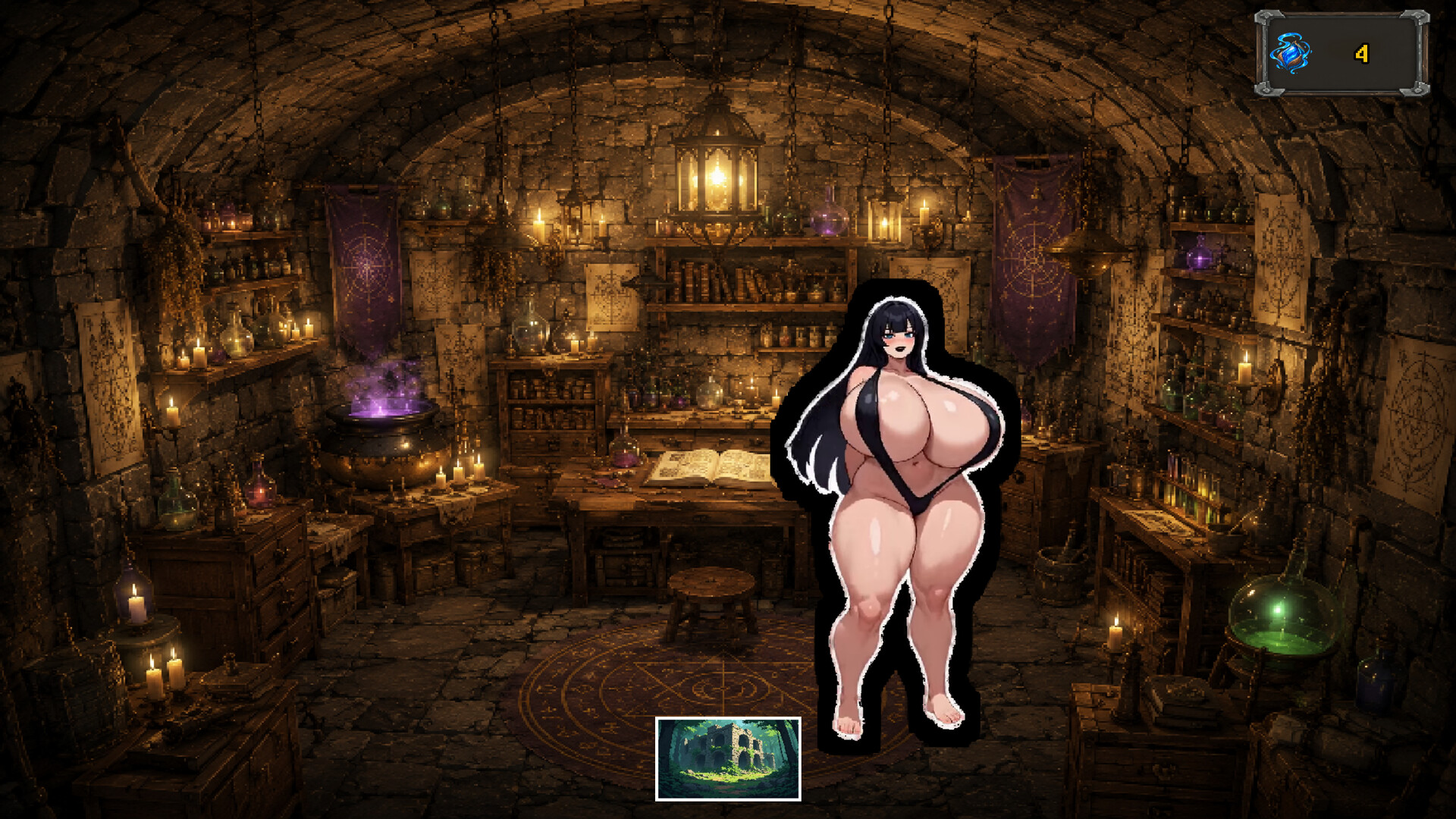
The content arithmetic is unusually prominent. Bully Revenge Studios says the launch includes 42 galleries, each containing 16 adult animations, for a total of 672. That is a concrete description of the advertised collection. It tells us much less about the length or variety of the adventure surrounding it.
An animation count cannot establish the number of distinct tactical situations, the quality of a relationship arc or how often the game asks you to repeat an encounter pattern.
The developer also says the remaining 58 galleries will arrive in the near future, described as “A few months.” I would assess the $8.39 purchase against the 42 galleries advertised for launch. The additional galleries are a future-content promise, and the supplied information gives no firmer delivery date.
This is my clearest reservation: the sales pitch devotes considerable weight to a collection whose announced expansion is still ahead of it.
There is no stated discount in the supplied data, so $8.39 should stand on its own rather than being dressed up as a temporary bargain. Nor is there a stated campaign length. The price makes this a relatively small purchase, but the sensible question remains specific: do you want match-3 battles and RPG upgrades as the route through an adult fantasy collection? If the answer is yes, the launch package is legible.
If the answer requires those future 58 galleries, waiting is the cleaner decision.
New yesterday, unproven today
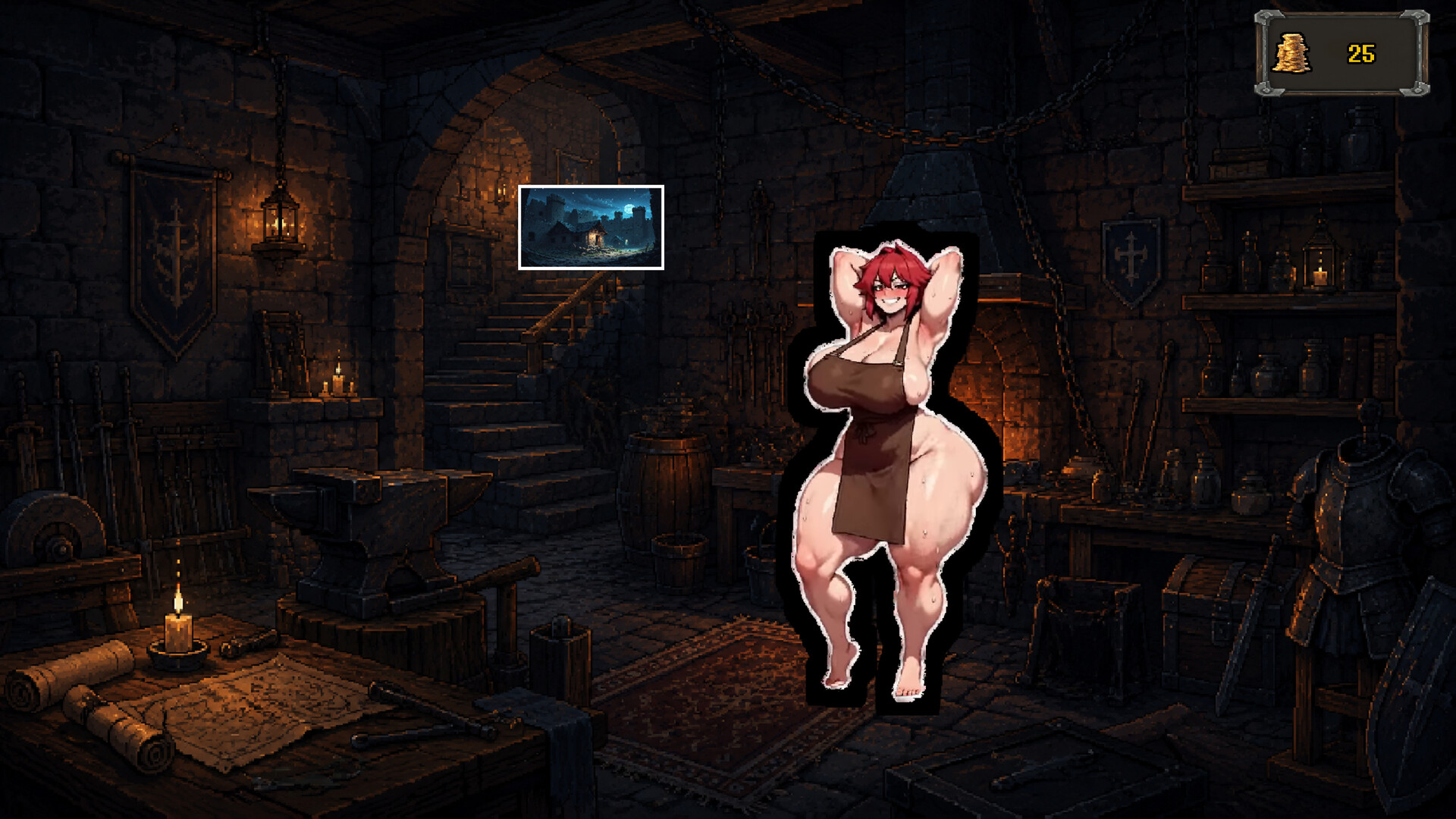
Why feature Lust Isles this week? Because it released on Nov 14, 2026, and its hook is immediately intelligible: tactical tile matching feeds character growth, romance and a numerically ambitious adult gallery. That combination gives readers a useful discovery to assess while the game is new. It does not establish a breakout.
The supplied Steam signal is 1 current player, which proves only a very small concurrent presence at that recorded moment.
There is no supplied total review count, review score or player quotation. I cannot turn an empty quotation list into audience enthusiasm, and one current player is not evidence that a crowd has arrived. The honest why-now argument is freshness and an unusually direct mechanical proposition.
Lust Isles deserves consideration as a newly released curiosity with a clear intended audience, while any claim that players are embracing its combat or characters remains unsupported here.
That audience is fairly narrow, which may be an advantage. If you enjoy the idea of Puzzle Quest-style progression and want an explicitly adult fantasy story attached to it, Lust Isles has a coherent reason to occupy your attention. If you want romance without combat gates, a fully documented deep puzzle system or a purchase justified by existing player testimony, this listing leaves important needs unmet.
Skip it if the mature content itself is unwelcome; it is central to the reward structure.
My interest rests on the attack-heal-mana triangle, with the gallery count supplying the joke and the commercial pitch. For $8.39, Lust Isles offers a specific experiment: can a board full of tactical choices make the journey to its adult rewards worth taking? The listing gives that question enough substance to make a look worthwhile.
Just arrive for the combination it advertises, and judge the 42 launch galleries and the battles between them before assigning value to the next 58.