Graveyard Keeper 2 Draws 30,190 Players—and a Sharp Automation Debate
Graveyard Keeper 2 has turned a cult management-sim premise into a large sequel launch. At 1:06 p.m. Malaysia time on September 27, Steam's official endpoint showed 30,190 people in game. The all-language review endpoint reported 4,520 reviews: 3,678 positive and 842 negative, or 81.4% positive.
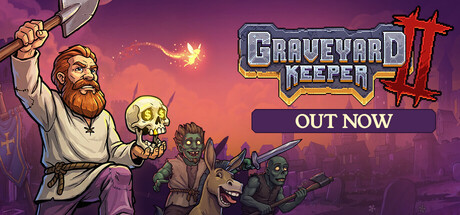
Graveyard Keeper 2 has turned a cult management-sim premise into a large sequel launch. At 1:06 p.m. Malaysia time on September 27, Steam's official endpoint showed 30,190 people in game. The all-language review endpoint reported 4,520 reviews: 3,678 positive and 842 negative, or 81.4% positive.
The numbers support a clear conclusion: the sequel has a meaningful audience and broad approval, but its expanded automation, resource demands, combat, and launch stability divide players. This is launch market analysis based on official materials and public review signals, not a hands-on review.
Why the sequel is visible now
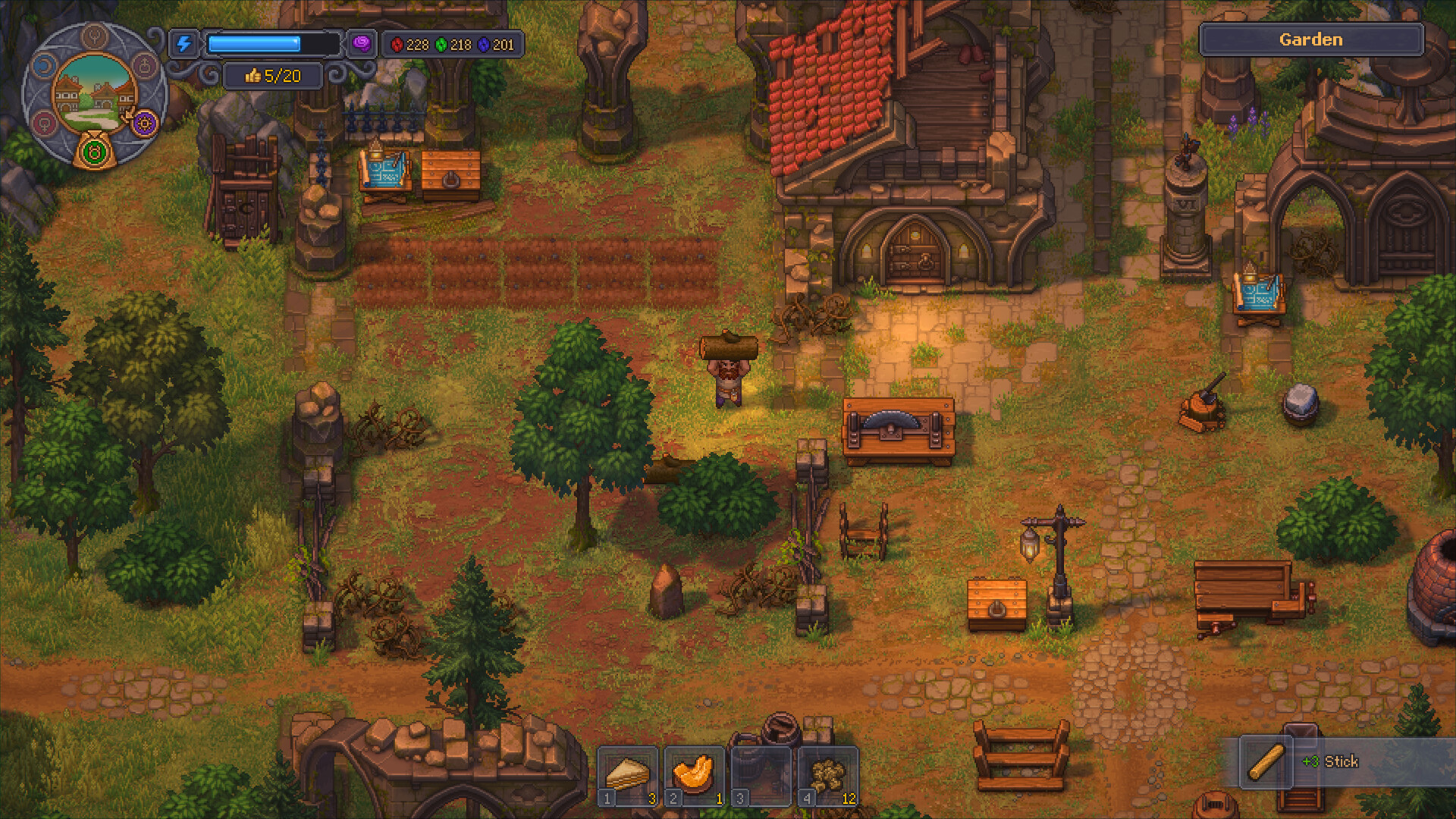
Lazy Bear Games released Graveyard Keeper 2 on September 22, and it remained in Steam's New & Trending results at our check. The first game established an audience for dark comedy, production chains, body processing, crafting, sermons, quests, and the peculiar business of improving a medieval graveyard. The sequel arrives with recognition that most new simulations have to build from nothing.
Its marketing promise is expansion: restore a town, operate the graveyard, automate production with zombies, lead undead units into combat, and connect more systems. Existing players can understand the value immediately. New players see a distinctive theme rather than another generic factory.
That expansion also explains the review debate. More materials and automation can deepen planning, or they can turn every objective into a longer chain of chores. Combat can create a new use for zombies, or compete with the workers needed at home. The sequel's central question is whether more systems produce better choices.
Genre, platform, and release status
Steam lists the game as a released Windows adventure, RPG, and simulation title. It is single-player, supports achievements and full controller input, includes accessibility categories for untimed play and custom volume, and uses Steam Cloud and Family Sharing.
Lazy Bear Games is the developer and tinyBuild the publisher. The store describes the setting as an intentionally inaccurate medieval cemetery simulation. Its comic grotesquerie separates it from gentle farm and workshop games even when the underlying actions—collect, process, craft, sell, improve, repeat—are familiar.
The game is a full release rather than Early Access. That raises expectations for stability and progression clarity. A complex simulation can still receive patches, but softlocks, crashes, or missing guidance have more weight when buyers are not opting into an explicitly unfinished build.
Core loop and differentiation
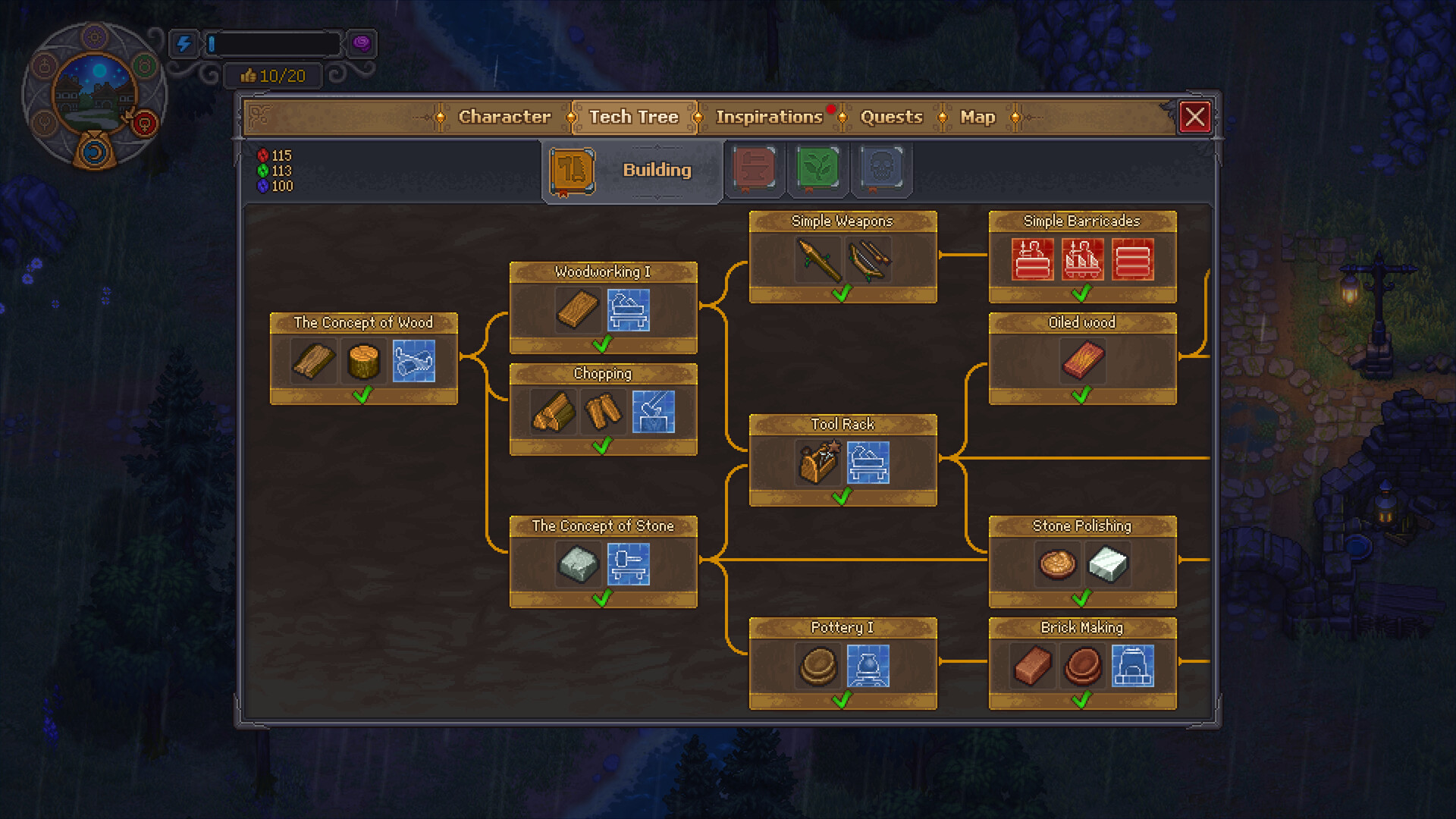
The loop begins with manual collection and production. Resources unlock tools, buildings, technologies, quests, and better processing. Zombies gradually shift repeated labor into automated chains. The player then allocates production across the graveyard, town restoration, trade, faith, story requirements, and an undead army.
The differentiation comes from system collision. A corpse is not only a graveyard object; it can connect to alchemy, story, faith, labor, or combat. A zombie can automate a station but may also be needed elsewhere. The result is a management puzzle with moral absurdity and overlapping bottlenecks.
Compared with Stardew-like life sims, Graveyard Keeper 2 is denser and less pastoral. Compared with Factorio-style automation, it binds production to characters, weekly rhythms, quests, and handcrafted progression. The danger is that it inherits the friction of both: repetitive travel and waiting from life sims, plus opaque throughput problems from factory games.
Verified market snapshot
At the September 27 check:
- Steam listed a September 22 full release for Windows;
- the official current-player endpoint returned 30,190;
- the all-language review endpoint returned 4,520 reviews;
- 3,678 were positive and 842 negative, a calculated 81.4% positive share;
- Steam placed the game in New & Trending;
- Steam published no unit sales, revenue, refund rate, or completion rate.
The localized search page displayed a smaller review count because it reflected language preferences. Our aggregate uses the official all-language API. Current players are a point-in-time signal and should not be converted into sales.
What public reviews repeatedly praise
Across 40 recent all-language reviews sampled at the check, positive reviewers repeatedly described the sequel as addictive, deeper than the original, visually improved, and full of things to do. Several specifically praised smoother progression, zombie automation, the range of strategies, story continuity, and the feeling that hours disappear.
Returning players often framed their recommendation as “more Graveyard Keeper” with broader systems. That is a strong sequel signal: the product preserves a recognizable identity while creating enough novelty to justify another long progression.
The best positive reviews also acknowledge complexity. Players who enjoy designing chains, discovering technologies, and optimizing workers see the density as the point rather than a burden.
Complaints and purchase cautions
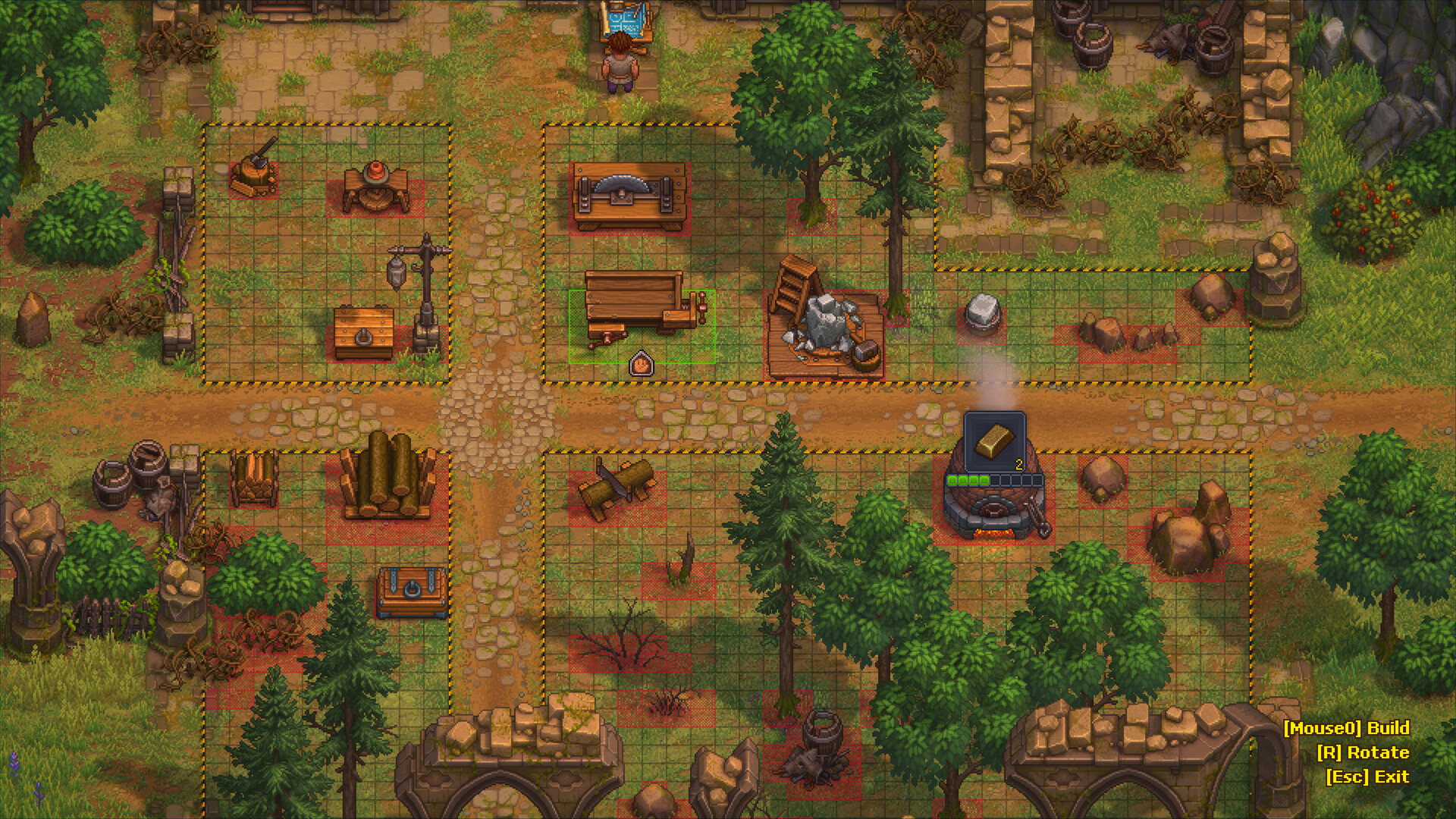
Negative reviews in the same sample repeatedly focused on grind, delayed access to important materials, insufficient explanation of technology unlocks, and automation that is expensive to rebuild or never becomes fully automatic. Several players felt zombie demand was too high because production and combat compete for the same workers.
Stability is the other recurring pattern. Reviewers reported softlocks, crashes, memory or frame-rate degradation, stuck zombies, quest-blocking errors, and interaction bugs. Individual reports do not prove universal failures, but repetition across languages is enough to make current patch status a buying criterion.
Some complaints target taste rather than defects. Players who wanted the first game's management loop without factory design dislike the sequel's direction. No patch can fully resolve that. Buyers should watch unedited midgame footage and decide whether logistics is an attraction.
Competitive meaning
Graveyard Keeper 2 occupies a useful middle ground between authored RPG progression and emergent automation. It can deliver jokes, quests, and characters while still giving players a production system to master. Few management games have a theme this recognizable.
The launch suggests that a simulation sequel can scale by expanding the original loop, but only if complexity produces agency. When prerequisites, faith, materials, and worker allocation become unclear, density feels like obstruction. The design opportunity is better feedback, cheaper experimentation, and clearer bottleneck diagnosis.
Who should buy and who should wait
Buy if you enjoyed the original, want a long single-player management RPG, and find zombie automation and production planning appealing. More than four thousand reviews and an 81.4% positive share provide a substantial recommendation base.
Wait if bugs, grind, opaque technology gates, or factory-layout penalties frustrate you. Check recent patch notes for softlocks, crashes, performance, and automation quality-of-life changes. Players seeking a relaxed cemetery narrative without logistics should be especially cautious.
IndieGame.party verdict
Graveyard Keeper 2 has a successful launch with a visible design fault line. 30,190 concurrent players and 4,520 reviews show demand; the recurring automation and stability complaints explain why approval stops at 81.4%. The sequel is easy to recommend to systems-hungry fans and sensible to delay for everyone sensitive to launch friction.
Sources and image rights
- Official Steam store and app data, checked September 27, 2026: https://store.steampowered.com/app/4358690/Graveyard_Keeper_2/
- Steam public review endpoint, all languages, checked September 27, 2026: https://store.steampowered.com/appreviews/4358690?json=1&language=all&purchase_type=all
- Steam official current-player endpoint, checked September 27, 2026: https://api.steampowered.com/ISteamUserStats/GetNumberOfCurrentPlayers/v1/?appid=4358690
- Steam New & Trending search surface, checked September 27, 2026: https://store.steampowered.com/search/?filter=newandtrending
- All four images are official Steam store assets supplied by Lazy Bear Games / tinyBuild, © their respective rights holders. They were downloaded locally from the official listing on September 27, 2026 for identification, reporting, and criticism without compositing or material alteration.