Dungeon Escape 3 Makes You Collect the Keys to More Mazes
The exit is a suspicious reward when the prize for escaping a maze is permission to enter another one. Dungeon Escape 3 builds its appeal around that little betrayal: find your way through, pocket the colored gems, and discover that the corridor you thought you had finished with still has business with you. I like the implied pettiness of it.
A dungeon should at least have the decency to let you leave; this one wants you to check whether you missed something behind the furniture of your own memory.
Released Nov 10, 2026, Dungeon Escape 3 comes from developer and publisher GrimFreekStudios, costs $7.99, and lists its platform as windows. That makes today's spotlight a look at a game one day past launch, with a clear proposition rather than an established reputation: over 30 levels of top-down, two-dimensional maze exploration, linked by collectibles, unlockable routes and a mystery involving hidden runes.
The interesting part is the relationship between those things. An exit completes a level; it doesn't necessarily complete your understanding of it.
The exit is only a partial answer
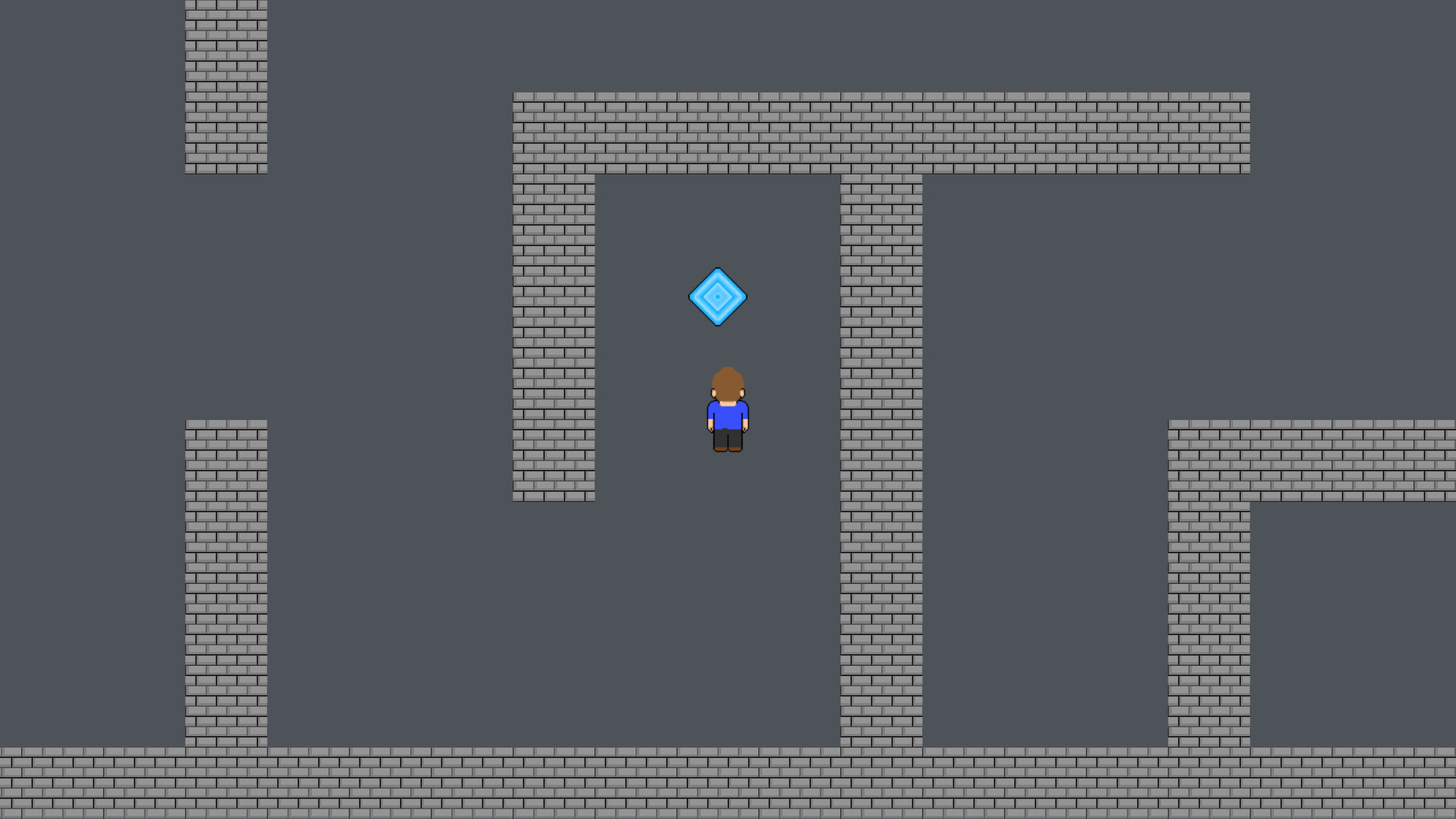
A conventional maze asks whether you can identify the correct route. Dungeon Escape 3 adds a second question: did you notice everything worth finding along the way? Its official listing describes interconnected rooms, hidden items and colored gems that unlock additional levels and open paths through a lobby. That distinction gives the wandering a purpose beyond tracing a line from entrance to departure.
A side route can contribute to progress elsewhere, which is a better inducement to explore than an empty dead end congratulating you for your curiosity.
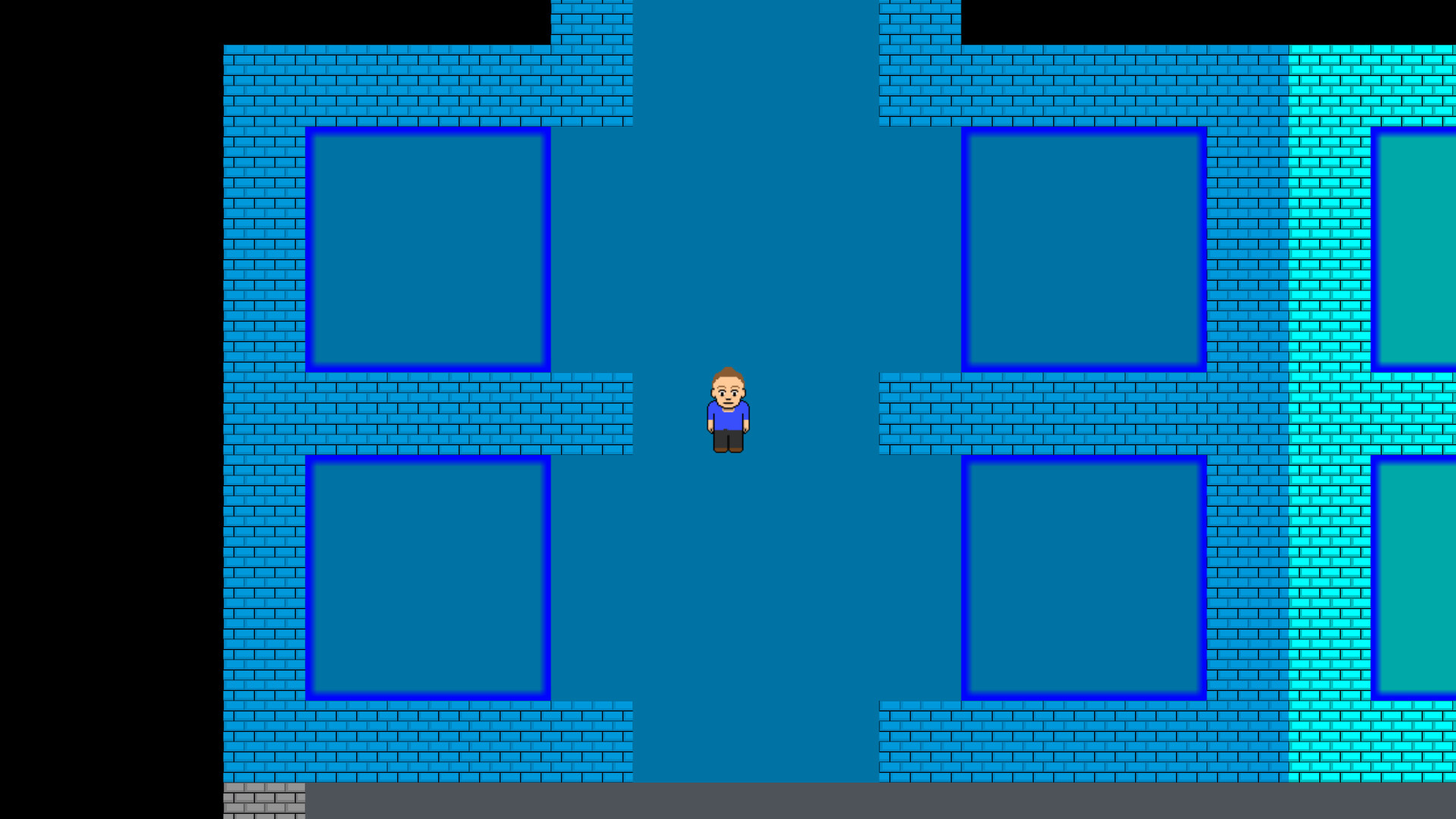
The lobby is the detail that catches my attention. Doors to inaccessible areas give your collecting a destination: something you cannot reach yet, rather than an abstract total that merely increases. The listing ties access to collecting gems and completing levels, so progress has both a navigation component and a search component. On paper, that is a useful tension.
You might understand how to leave a room before you have found what will help you move further through the larger game.
There is also a puzzle involving hidden runes and assembled clues, described as holding the key to further progress. That could make the maze more than a collection of routes to memorize. The reservation is built into the same promise: a concealed collectible and an obscure mandatory clue can look awfully similar when you're the person walking past them.
The listing establishes the mystery, but doesn't establish how clearly the game distinguishes productive investigation from repeatedly checking the wrong corner.
Your memory has a second job
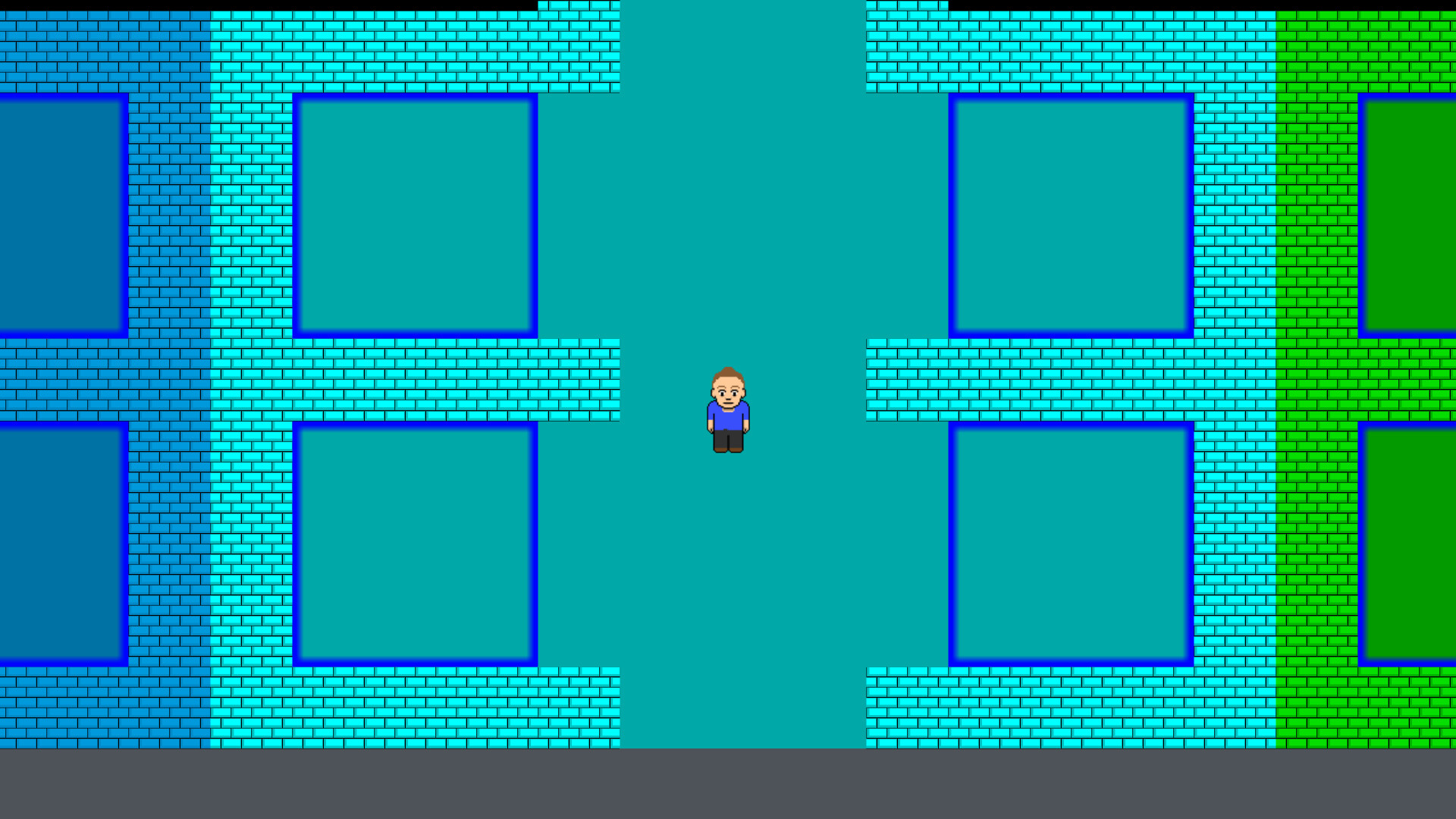
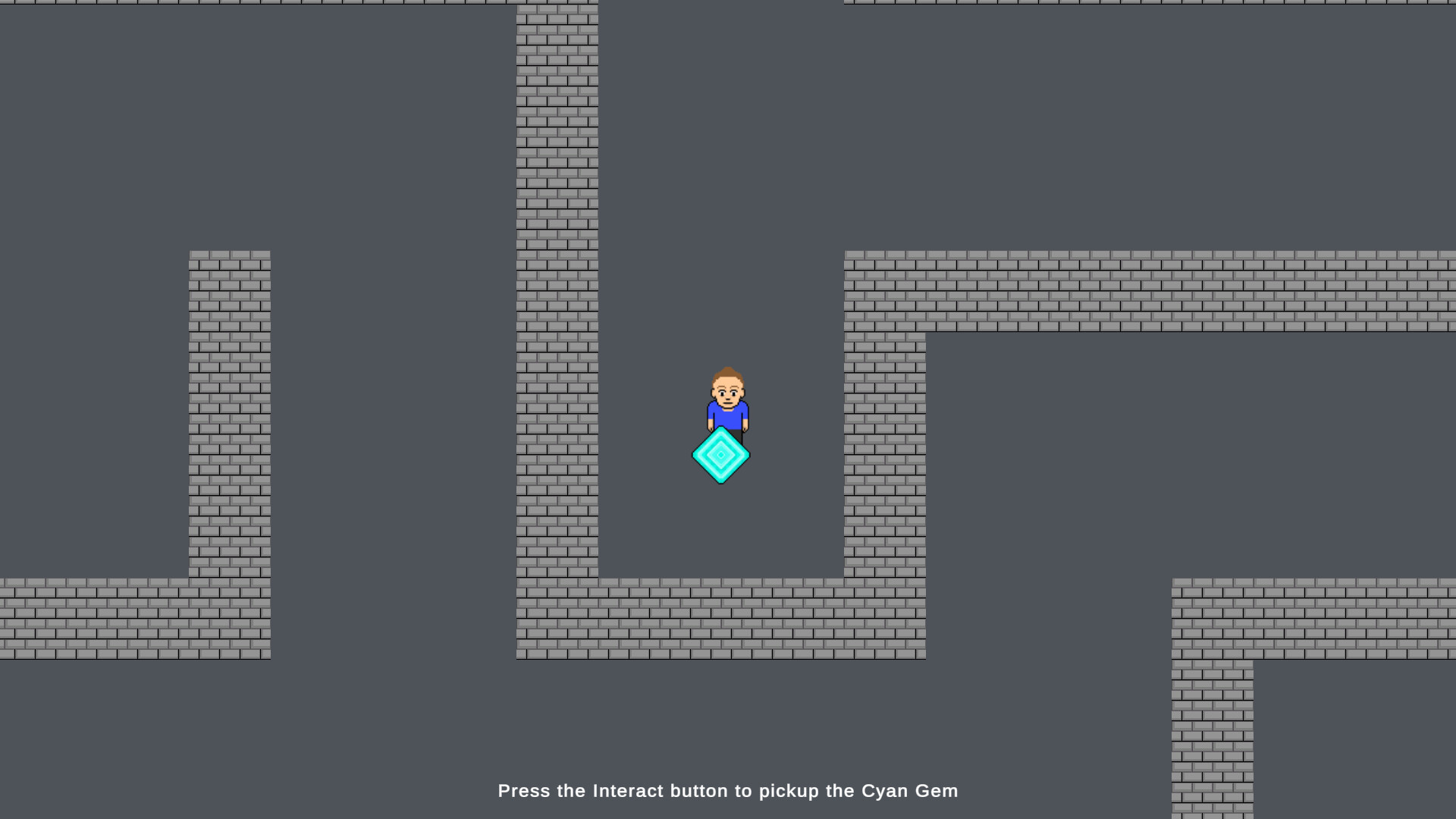
The minute-to-minute activity is straightforward enough to picture without pretending I've played it: navigate rooms, look for hidden items, collect gems, solve puzzles and find paths onward. What gives that sequence potential is the requirement to carry information between those actions. A closed route encountered earlier can become relevant after progress elsewhere.
The developer explicitly promises secrets that take you back to places already explored. Your first visit is therefore partly reconnaissance, even if you arrive intending to clear the place and forget it.
That is where I would put Dungeon Escape 3 beside The Legend of Zelda, specifically the pleasure of remembering an inaccessible passage and later understanding its significance. The resemblance is a structural comparison, not a claim that this game supplies Zelda's equipment, combat or scale. Here, the advertised access conditions are gems, completed levels and clues.
Its pitch concentrates on reading a space and returning with a reason, making the maze itself the main object of attention.
It also invites a narrower comparison with Pac-Man: corridors and collectible pursuit make navigation serve two objectives at once. But Dungeon Escape 3's description emphasizes hidden objects, interconnected rooms and a persistent route through its lobby, rather than selling a score chase. The attraction is less the elegance of one repeated circuit than the possibility that an apparently exhausted location has another answer.
That is a meaningful difference for anyone who enjoys searching more than maintaining momentum.

Thirty levels, several reasons to return
The concrete content promise is over 30 levels, alongside several playable characters and additional challenges hidden deeper in the game. At $7.99, that is enough scope to make the proposition legible, but it isn't a duration estimate. Thirty compact mazes and thirty intricate ones would be very different purchases.
The listing doesn't supply completion times, and level count alone cannot tell us whether each new area contributes an interesting spatial problem or just another set of walls.
The progression described here is about access. Collect gems, finish levels, open doors, uncover clues, then revisit locations that still hold secrets. There is no basis in the supplied information for dressing that up as a build system or an upgrade tree. Likewise, several playable characters are advertised, but distinct abilities aren't specified.
I would treat character choice as an available feature, with its effect on the puzzles still an open question, rather than inventing strategic depth from a selection screen.
The loop's strongest idea is that completion can have layers: reach an exit, find the collectibles, then understand how the clues fit together. Those are different satisfactions, and a maze game benefits from giving you more than one way to feel observant. Whether the loop holds depends on the quality of the return trip. A newly meaningful passage rewards memory; a long walk to inspect an unchanged room spends it.
The official description promises the former sort of discovery, but a promise cannot settle the balance.
One day old is news; zero players isn't a crowd
The reason to feature Dungeon Escape 3 on November 11 is its Nov 10, 2026 release and the specificity of its hook. A newly released maze game that uses colored gems to open a larger network of levels deserves a closer look if that sounds like your particular weakness. It doesn't need a fabricated success story attached. The supplied Steam snapshot records 0 current players.
That number supplies no evidence of a busy launch, and it would be absurd to turn it into a claim that the game is taking off.
There are no supplied player quotes, review totals or review scores, either. That leaves no honest way to tell you what a player consensus sounds like, let alone quote two delighted strangers. The absence matters because the uncertainty sits precisely where this game's appeal lives: how satisfying its hidden objects are to find, how readable its clues become, and how much pleasure survives a return through familiar corridors.
Those judgments need evidence beyond the developer's description.
My case for giving it space this week is consequently an editorial one. The gem-and-lobby arrangement gives a small maze game an identifiable ambition: make exploration in one place change your options somewhere else. That is a more persuasive hook than the bare existence of 30-plus levels. It offers a reason to consider a fresh release while its reputation is still unwritten.
Newness earns attention here; it doesn't earn a recommendation without reservations.
Bring curiosity; check your tolerance for retracing
Dungeon Escape 3 looks most suited to players who enjoy turning a location over in their heads after leaving it. If an unopened door feels like a useful mental bookmark, the advertised progression has an obvious attraction. If it feels like an outstanding chore, the promise of secrets drawing you back may be a warning.
I find the rune puzzle more interesting than the character selection because it suggests an extra demand on attention: recognize a clue, retain it, and work out where it belongs.
The supplied listing doesn't establish co-op or multiplayer support. Its described appeal is the individual business of navigating, searching and solving, so there is no supported case here for buying it as a shared escape-room evening. The same restraint applies to anyone seeking procedural runs, combat builds or an escalating upgrade economy: those aren't established by the information provided.
What you can assess is the stated maze-and-unlock structure, and whether that is enough to make you curious.
My honest hesitation is the dependence on revisiting old ground. The difference between a satisfying secret and a tedious search is often the precision of the clue, and that remains unproven here. Still, $7.99 buys into a clear proposition: over 30 levels, collectible-driven access through a lobby, and a hidden-rune mystery that asks you to look beyond the nearest exit.
For the player who always wonders what the other corridor contained, that is a pointed invitation. [Dungeon Escape 3's official Steam listing](https://store.steampowered.com/app/5425210/) is where to decide whether another maze is exactly the reward you wanted.