BOMBANANA Holds 96% Positive Reviews and 1,520 Players One Month After Launch
BOMBANANA! has moved beyond a launch-week curiosity. At 1:04 p.m. Malaysia time on October 1, Steam's all-language review summary returned 3,478 reviews: 3,347 positive and 131 negative, a positive share of about 96.2%. Steam's public player endpoint showed 1,520 people in game at that moment, and the title appeared around position 58 in the fetched Popular New results.

BOMBANANA! has moved beyond a launch-week curiosity. At 1:04 p.m. Malaysia time on October 1, Steam's all-language review summary returned 3,478 reviews: 3,347 positive and 131 negative, a positive share of about 96.2%. Steam's public player endpoint showed 1,520 people in game at that moment, and the title appeared around position 58 in the fetched Popular New results.
These figures describe attention and reception, not sales. They are strong for a small three-player communication puzzle one month after release, but Steam does not expose unit sales, revenue, refunds, or the share of players using private parties.
Why BOMBANANA is still moving
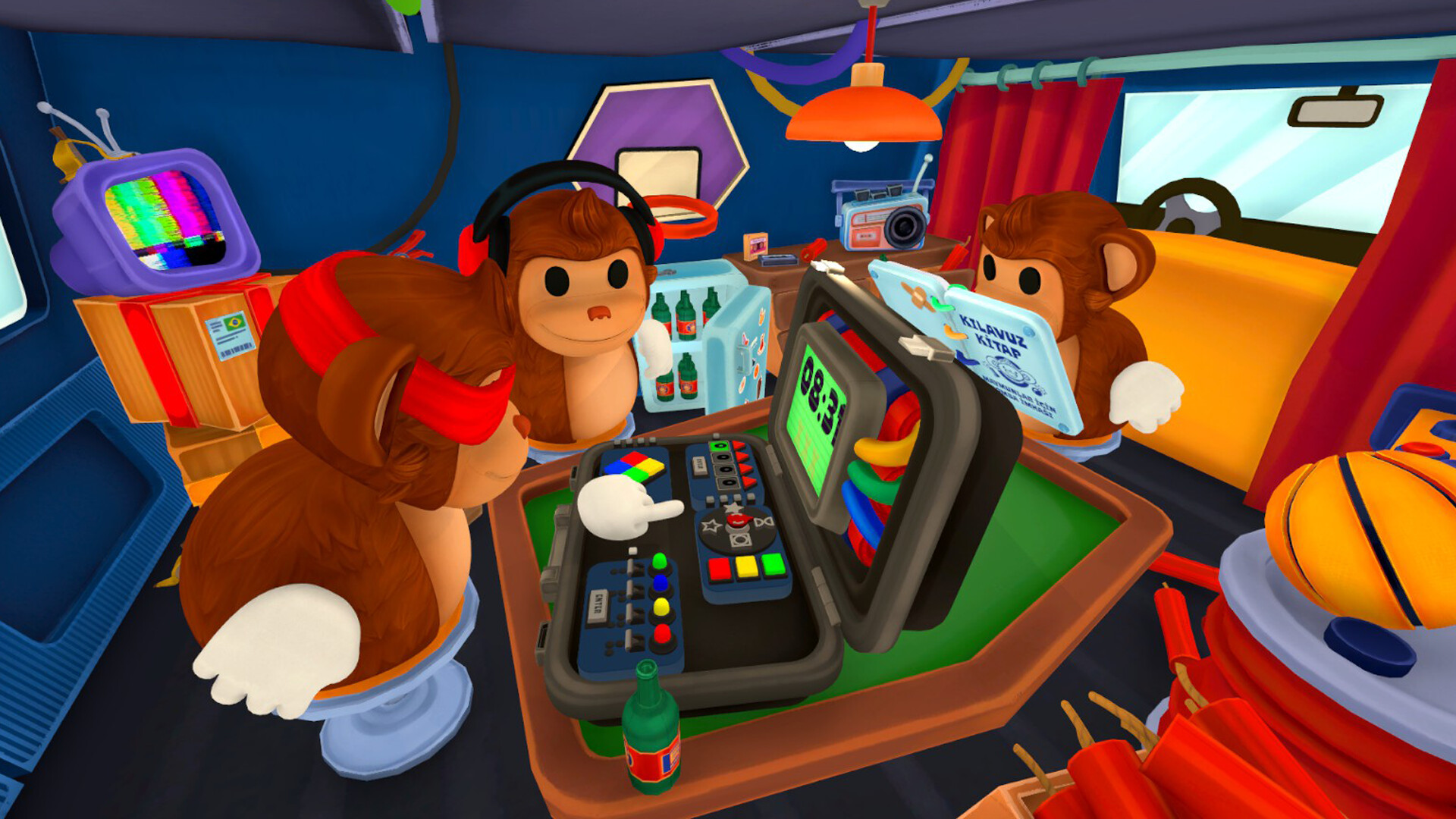
The elevator pitch is exceptionally clear: three monkeys attempt to defuse bombs, but each participant is deprived of a different communication channel. One is blind, one is deaf, and one is mute. Each player receives only part of the necessary information, so the real mechanism is translating incomplete clues under time pressure.
That rule creates the kind of failure that players retell. A wrong color, reversed direction, unheard code, or poorly described maze can collapse an otherwise competent run. The bomb provides urgency, but communication produces the comedy. This helps explain why the game can travel across languages and streaming clips without requiring viewers to learn a large progression tree.
The current-player count matters because the game requires partners. A four-digit snapshot one month after release suggests a usable audience at the check, although it does not guarantee matchmaking in every region or hour. The review volume also gives the sentiment signal a much firmer base than a launch with a few dozen responses.
Genre, platform, and release status
BOMBANANA is a released Windows game from Lefto Studio, published by TARK. Steam categorizes it as Casual and Indie. The official store description specifies a three-player cooperative team, making group availability part of the product rather than an optional mode.
The public API lists a September 2 release. This article is a market and review-signal analysis, not a hands-on review. We did not play the game, and we separate observed store data from conclusions drawn from the official design description and a dated review sample.
Core loop and differentiation
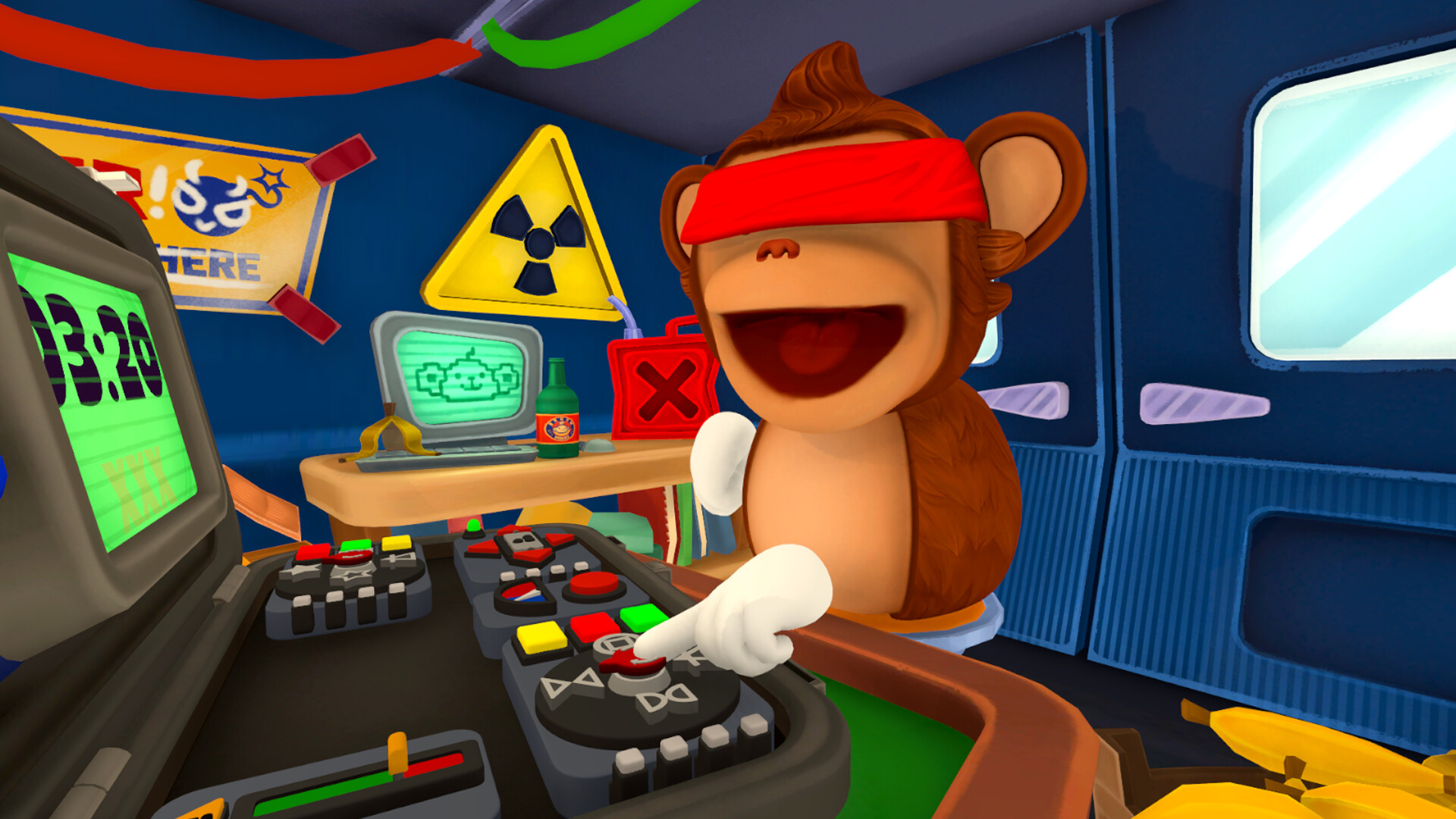
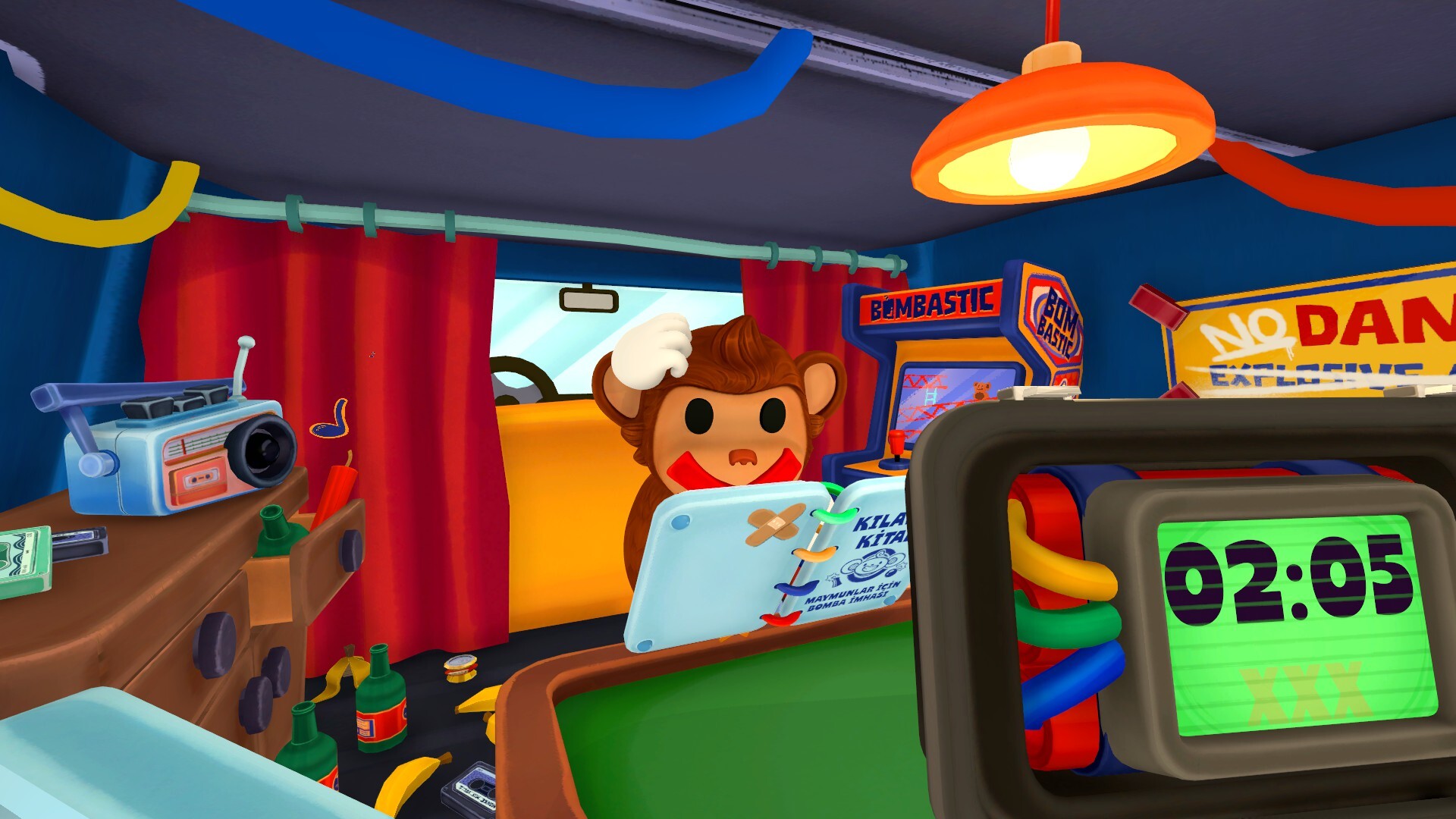
The loop is to inspect role-specific information, communicate it through the channels still available, manipulate bomb modules, and survive the timer. Campaign-style stages introduce rules, while an endless mode pushes teams to maintain accuracy as complexity rises.
The asymmetry is the moat. Many bomb-defusal games separate an operator from a manual reader. BOMBANANA splits the communication problem three ways and turns sensory restrictions into complementary jobs. This ensures that a strong puzzle solver still depends on teammates' descriptions and timing.
It also creates accessibility challenges. A mechanic based on color, sound, speech, or vision needs alternatives for players with related impairments. One recent public review specifically complained about conveying color while color-blind. That is one comment, not a population estimate, but it identifies a concrete design question buyers should verify in the current build.
Market snapshot
Checked October 1 at 1:04 p.m. MYT: 3,478 all-language Steam reviews, 3,347 positive, 131 negative, roughly 96.2% positive; 1,520 current players; around number 58 in the fetched Popular New ordering.
The store search tooltip exposed a smaller language- and preference-shaped review count than the all-language review API. We use the API total because it states the requested all-language summary explicitly. This difference is a reminder that Steam interfaces can show filtered samples.
The rank and concurrent count are volatile snapshots. The review total is cumulative and may include complimentary copies depending on endpoint rules; the purchase-type query used here requested all. None of the metrics establish profitability.
What 100 recent reviews repeat
We checked a sample of 100 recent public reviews through Steam's review endpoint. Ninety-seven were positive and three negative in that returned page. We summarized patterns rather than copying individual comments.
The dominant praise was laughter with friends, arguments caused by incomplete information, and the satisfaction of finally coordinating a difficult module. Multiple languages repeated the same theme: the fun comes from confused communication more than from bomb hardware itself. Several reviewers described the demo-to-release improvement positively.
The recurring cautions were a desire for more traps or modules, an easier early stretch before later difficulty, dependence on exactly the right group, and communication friction around colors, directions, Morse-like audio, or maze descriptions. One longer comment estimated roughly five to six hours for campaign and an endless milestone; that is an individual report, not a verified content-length average.
The sample is recent, self-selected, multilingual, and overwhelmingly positive. Steam reviews do not represent non-buyers or refunded users who never posted. The pattern is still useful because it aligns with the game's designed communication constraint.
Competitive meaning
BOMBANANA demonstrates that co-op games do not need a massive world when one social rule reliably creates conflict and repair. Its closest competitive frame includes bomb manuals, asymmetric party puzzlers, and communication-heavy teamwork games. The differentiation is making three limited perspectives mandatory rather than assigning one expert and one operator.
The retention question is content cadence. Once a group internalizes module vocabulary, surprise declines. New rule combinations, difficulty modifiers, accessibility options, and workshop or custom-content support could matter more than cosmetic progression. The store evidence checked here does not establish a roadmap, so buyers should use official announcements rather than assume updates.
Who should buy—and who should wait
Buyers with two reliable friends, voice communication, and a taste for loud cooperative mistakes are the clearest fit. The 96% positive share across thousands of reviews is a strong reception signal for that audience.
Solo players, groups that cannot assemble exactly three participants, or anyone needing specific visual and audio accessibility should confirm current options first. Players seeking a long narrative campaign may also want more detailed content-length evidence.
Editorial verdict
BOMBANANA has converted a clean three-role rule into durable launch momentum: thousands of reviews, a 96% positive share, and 1,520 concurrent players at the check. The praise is consistent with the design, while content breadth and accessibility are the main issues to investigate. Strong group-game signal, with party composition as the purchase gate.
Sources and image rights
- [Official Steam store page](https://store.steampowered.com/app/4656000/) — release state, team size, developer, publisher, genres, and official media; checked October 1, 2026.
- [Steam all-language review summary](https://store.steampowered.com/appreviews/4656000?json=1&language=all&purchase_type=all) — cumulative review totals and recent 100-review sample; checked October 1 at 1:04 p.m. MYT.
- [Steam current-player endpoint](https://api.steampowered.com/ISteamUserStats/GetNumberOfCurrentPlayers/v1/?appid=4656000) — 1,520-player snapshot at the check.
- [Steam Popular New results](https://store.steampowered.com/search/?filter=popularnew&category1=998) — approximate dated discovery position.
- All four images are official Steam store assets supplied by rights holders Lefto Studio and TARK, downloaded locally for identification, reporting, and criticism on October 1. They are not user uploads, are not hotlinked, and were not composited or altered beyond local delivery.