Apocalypter Finds 419 Players for a Build-Anything Wasteland Car
Apocalypter launched on September 23 with a promise that is broader than its small-team presentation: scavenge an infinite procedural wasteland, attach almost any part to almost any car, turn the vehicle into a mobile base, and survive long enough to defeat regional warlords. At 1:05 p.m. Malaysia time on September 24, Steam reported 419 current players. Its public endpoint showed 59 reviews, with 53 positive and six negative, or about 89.8% positive.
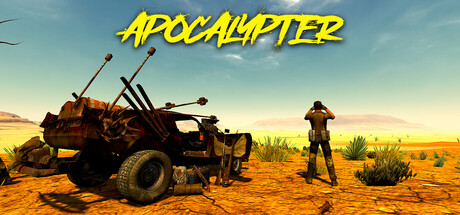
Apocalypter launched on September 23 with a promise that is broader than its small-team presentation: scavenge an infinite procedural wasteland, attach almost any part to almost any car, turn the vehicle into a mobile base, and survive long enough to defeat regional warlords. At 1:05 p.m. Malaysia time on September 24, Steam reported 419 current players. Its public endpoint showed 59 reviews, with 53 positive and six negative, or about 89.8% positive.
Those numbers are a credible first-day signal for a self-published indie survival game. They do not prove sales, long-term retention, or late-game depth. This is launch market analysis from official material and public response, not a hands-on review.
Why it is visible now
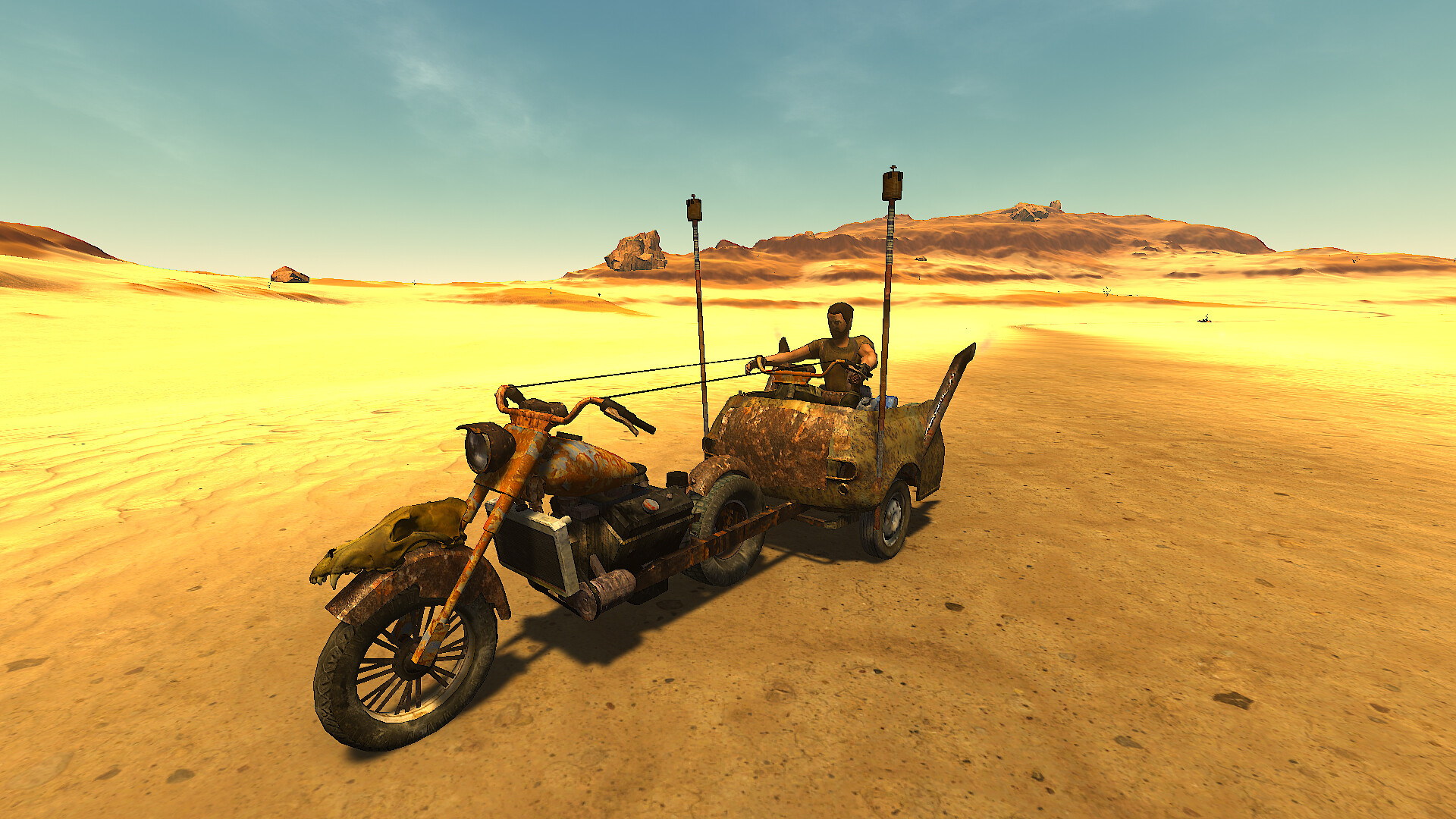
The game's strongest hook is permissive vehicle construction. The developer says any car part can be installed on any car without model restrictions. Engines, radiators, suspension, storage, seats, exhausts, racks, and smaller fittings can be moved and rotated. The result is closer to maintaining a personal machine than selecting upgrades from a clean skill tree.
That flexibility creates the fantasy visible in early reviews. Players compare Apocalypter with Mad Max and The Long Drive, but repeatedly focus on making an absurd war machine rather than simply driving across a desert. The vehicle is transport, storage, shelter, identity, and progression display.
The launch also replaces an older demo that the store explicitly labels outdated. The full release adds vehicles, bosses, content, and save options beyond that sample. Buyers who played the demo should check the current build rather than assuming its limits still apply.
Genre, platform, and release state
Steam lists Apocalypter as a released Windows game spanning action, adventure, indie, and simulation. SawyerK Games is both developer and publisher. The official page describes single-player play, partial controller support for driving, and steering-wheel support.
At our United States store check, the base price was $14.99 with a 15% launch discount to $12.74. Regional pricing varies. The game combines first-person combat, vehicle construction, survival meters, scavenging, trading, factions, bosses, day and night, and a procedurally generated open world.
The breadth is a purchase caution as well as an attraction. A solo or small-team game can support many systems without polishing each to the depth of a specialized driving, crafting, or shooting title. Early criticism of repetition, interface friction, AI, clipping, and saving should therefore be read as structural risk, not isolated cosmetic complaints.
Core loop and differentiation
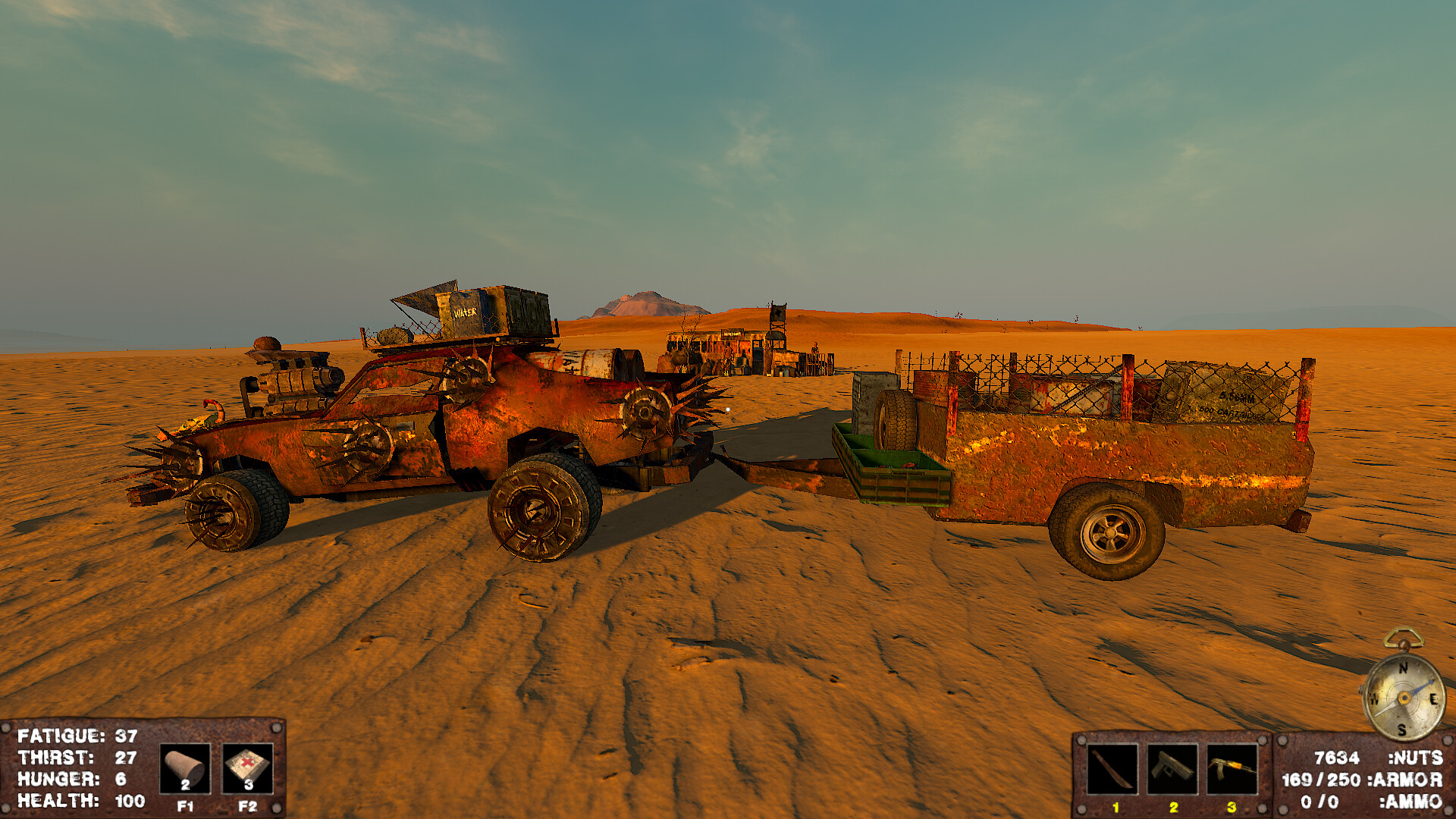
The loop is drive, spot a location, scavenge parts and supplies, fight or trade, modify the vehicle, manage hunger and injury, then travel farther. Rusted nuts function as currency. Merchants buy unwanted loot and sell randomized stock. Portable water collection, food production, storage, and other utilities can make the car a moving base.
The unusual part is that mechanical upgrades remain spatial objects. A better engine is not only a menu statistic; it must fit into the machine. Storage must be attached. Components can be positioned for function or expression. This gives every scavenging trip a visible consequence when the player returns to the car.
Procedural terrain supports wandering but creates a familiar tradeoff. Infinite roads and landmarks can extend discovery, yet repeated locations can make distance feel like empty travel. The design succeeds when a new part changes the vehicle or a faction encounter changes the route. It weakens when travel produces interchangeable buildings and low-value loot.
Verified market snapshot
Official endpoints immediately before publication showed:
- 419 current players at 1:05 p.m. Malaysia time on September 24;
- 59 all-language reviews, with 53 positive and six negative;
- an approximate 89.8% positive share;
- September 23 release on Windows;
- 24 official store screenshots;
- $14.99 base price and a temporary $12.74 US launch price at our check;
- no official sales, refund, revenue, wishlist, or retention figure.
The appropriate momentum label is promising niche launch. Hundreds of simultaneous players and dozens of reviews show that the pitch converted. The sample is still too young to prove performance across long saves or the quality of procedural variety after many hours.
What players praise and criticize
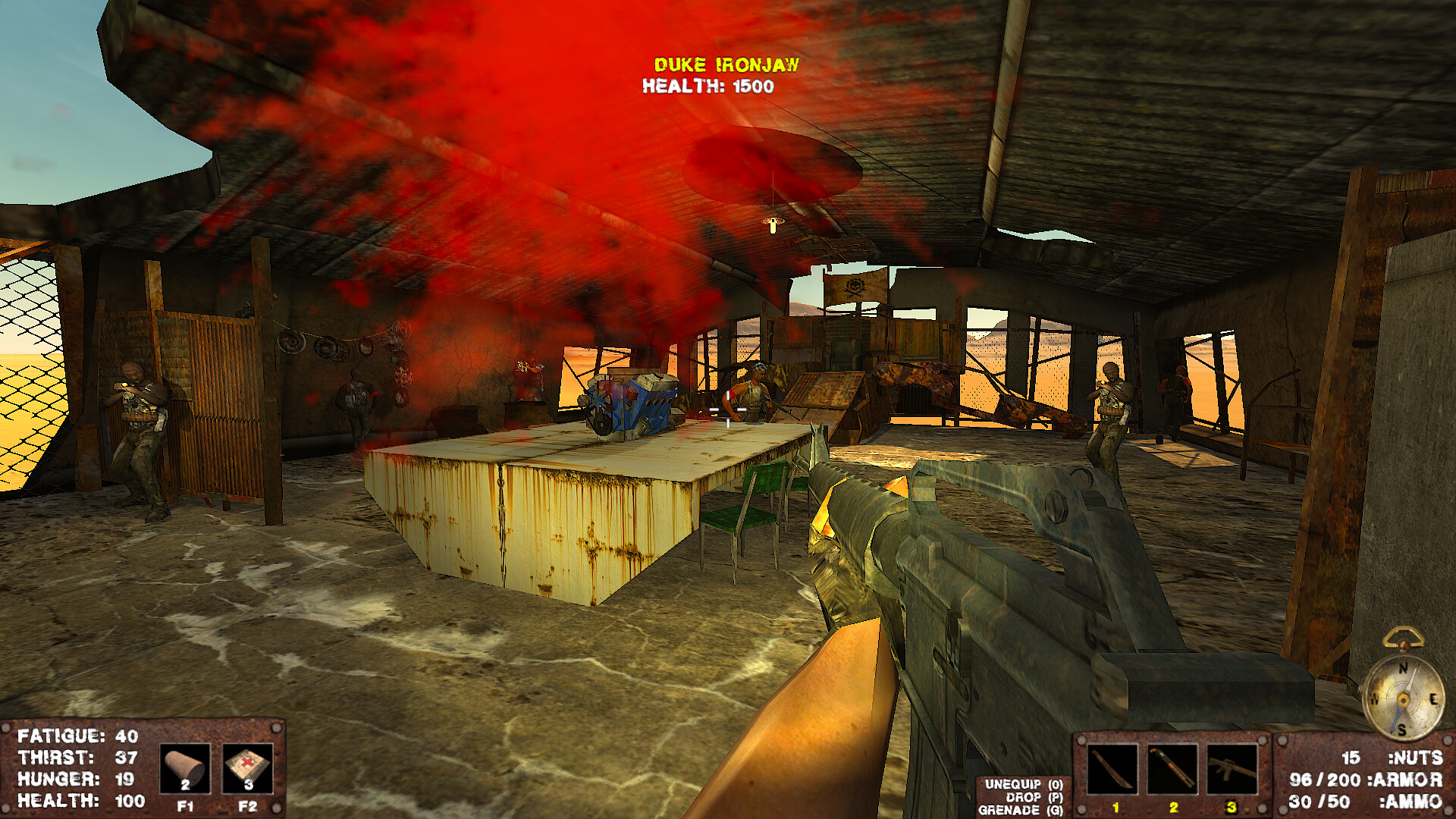
Positive reviews repeatedly praise the freedom to build unusual vehicles, the atmosphere, the scavenging loop, and the sense that a session produces visible progress. Several players explicitly frame it as the vehicle-survival game they had been looking for. Reviewers with longer first sessions mention weapon, enemy, and location variety while acknowledging rough AI.
The recurring complaints are equally specific. Part positioning can be awkward without a numpad or after remapping controls. Negative feedback describes repetitive locations, sparse item variety, clipping, bugs, weak enemy behavior, and limited save access. These issues matter because the game asks players to protect a vehicle and inventory accumulated over many trips.
The 59-review sample is large enough to identify themes but not to settle them. Hardware, key layout, playtime, and tolerance for early-release roughness differ. Public reviews are a reaction signal, not a laboratory measurement.
Competitive meaning
Apocalypter enters a recognizable lane beside The Long Drive, Jalopy-style maintenance games, survival sandboxes, and Mad Max fantasies. Its differentiation is construction permissiveness: the store promises fewer vehicle-specific restrictions and more freedom to position functional parts.
That freedom can create stories unavailable in a conventional upgrade screen. It also increases collision, interface, balance, and save-state complexity. Every movable part is another object that can clip, disappear, or make controls cumbersome. The product's long-term reputation will depend on whether patches preserve possibility while reducing friction.
Who should buy—and who should wait
Buy if the main fantasy is scavenging for physical parts and turning a battered car into a personalized mobile base. The first-day population and review share support the premise, especially for players comfortable with systems that are rough but expressive.
Wait if you require polished shooting, dependable controller navigation, sophisticated enemy AI, or confidence in long-save stability. Monitor patch notes and recent reviews for saving, clipping, procedural variety, and part-placement controls.
IndieGame.party verdict
Apocalypter's 419 observed players and 59 reviews at about 89.8% positive are meaningful for a self-published first-day launch. The vehicle is more than transport; it is the game's inventory, shelter, crafting canvas, and emotional anchor. That concentrated hook is strong enough to watch. The same object-heavy freedom makes technical stability and interface design the decisive risks.
Sources and image rights
- Official Steam store and media page, checked September 24, 2026: https://store.steampowered.com/app/4146760/
- Steam public review endpoint, checked September 24, 2026: https://store.steampowered.com/appreviews/4146760?json=1&language=all&purchase_type=all
- Steam current-player endpoint, checked September 24, 2026: https://api.steampowered.com/ISteamUserStats/GetNumberOfCurrentPlayers/v1/?appid=4146760
- Images: official Steam header and screenshots supplied by SawyerK Games, © SawyerK Games. Downloaded locally September 24, 2026 and used without compositing in the minimum scope needed to identify and analyze the game.