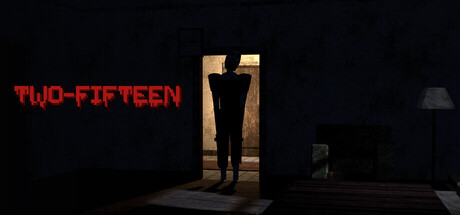
Two-Fifteen Wants You to Hide From the In-Laws
The detail that gets me is the two halves of the wiring diagram. You have to find both, hidden somewhere in a dark house where two things are hunting you, and then piece them together at the fuse box while one of them keeps turning the clocks back.
That is the entire design philosophy of Two-Fifteen in one task: the house is not just a maze, it is a filing system that has been deliberately scattered by something that wants you to stay in the dark. The store page calls it a "short first-person horror game," and the brevity is not a limitation the developer is apologising for — it is the mechanism. A longer game would let you outrun the premise.
This one keeps you inside it until the fuse box is done.
<figcaption>Announcement Trailer — Two-Fifteen, HaddajiDev · HaddajiDev. Source: Steam AppID 5309090 (checked 2026-10-27).</figcaption>
</figure>
The pitch is the punchline
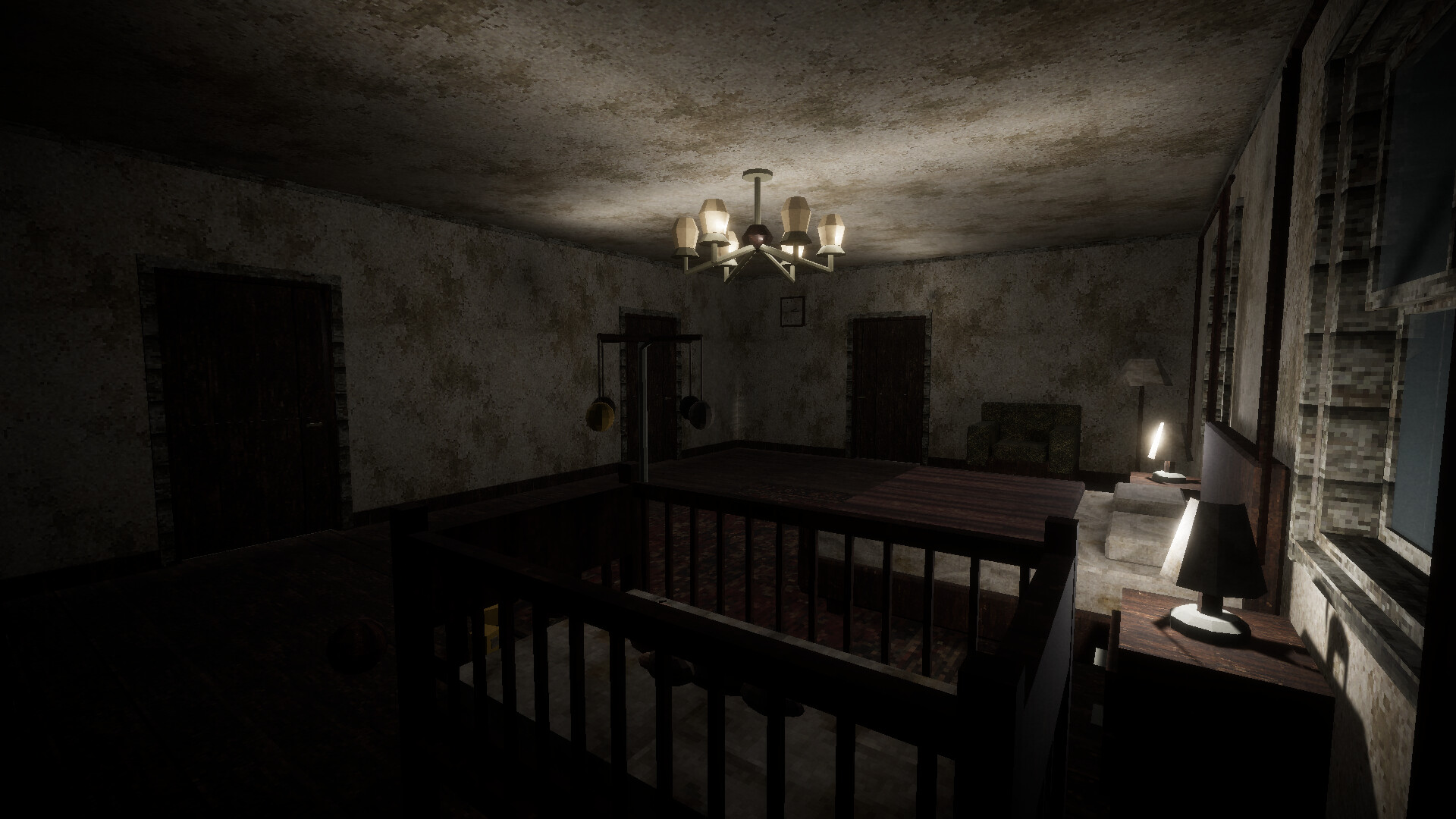
Your baby is gone. The things wearing your in-laws' faces are still in the house. The kitchen clock stopped at 2:15 again. That is the setup, and it is a good one because it refuses to explain itself. Daniel comes home late, the quarry road was closed, the car radio played static, Sarah is at the sink, Lily is asleep upstairs, the grandparents are coming for dinner.
Then the window is open, the doorbell rings, and the road they came in on was closed. You are not told what any of this means. You are told to get the lights back on. The listing's own framing — "the road they came in on was closed" — is the whole trick compressed into a clause: the geography of the night is already wrong before anything supernatural happens, and the game trusts you to notice.
Fully voiced dialogue matters here more than it would in a text-led horror game, because the voices are doing the explaining the game refuses to do in narration. A line delivered from the wrong room is the exposition.
What you actually do, minute to minute
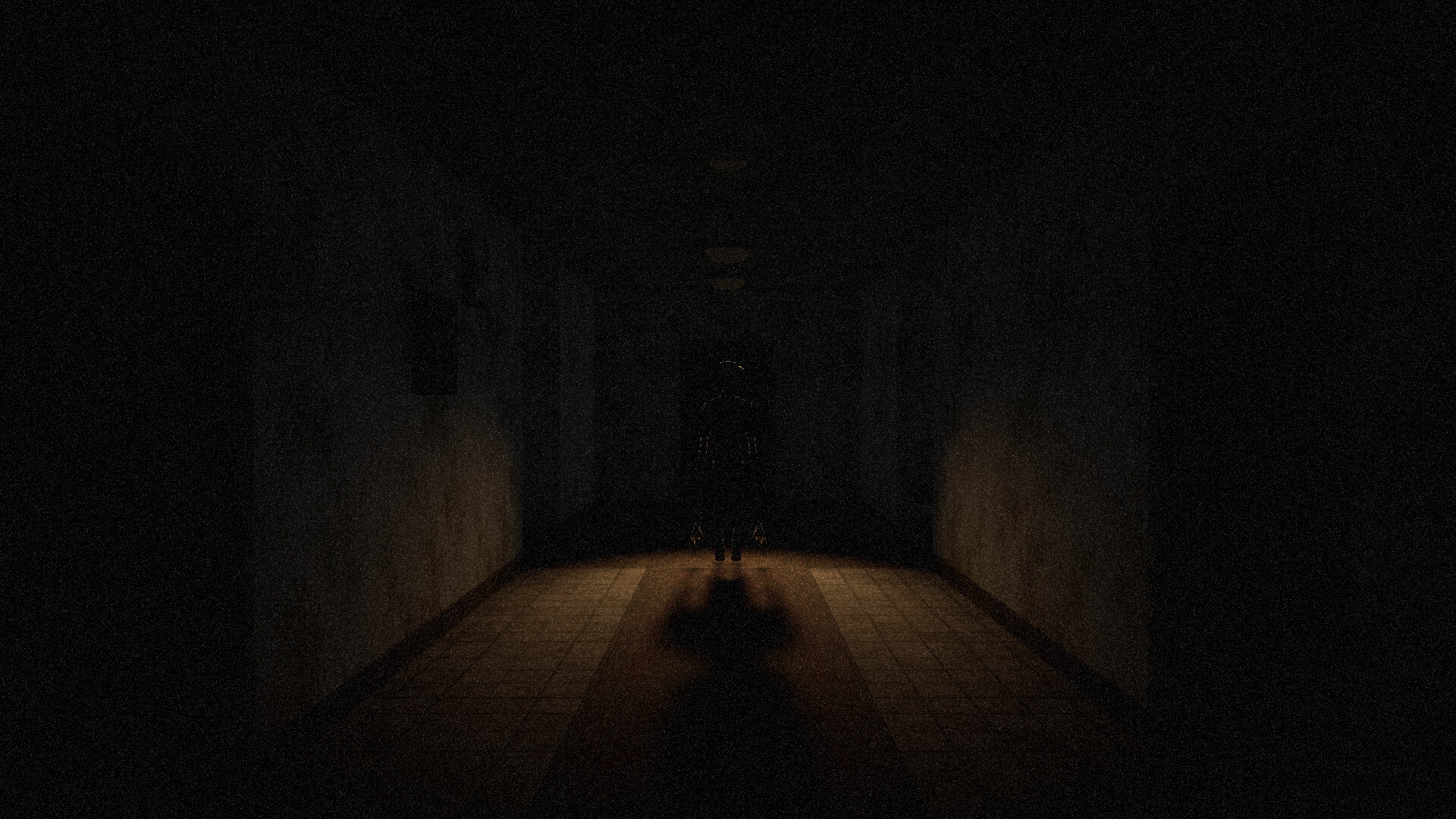
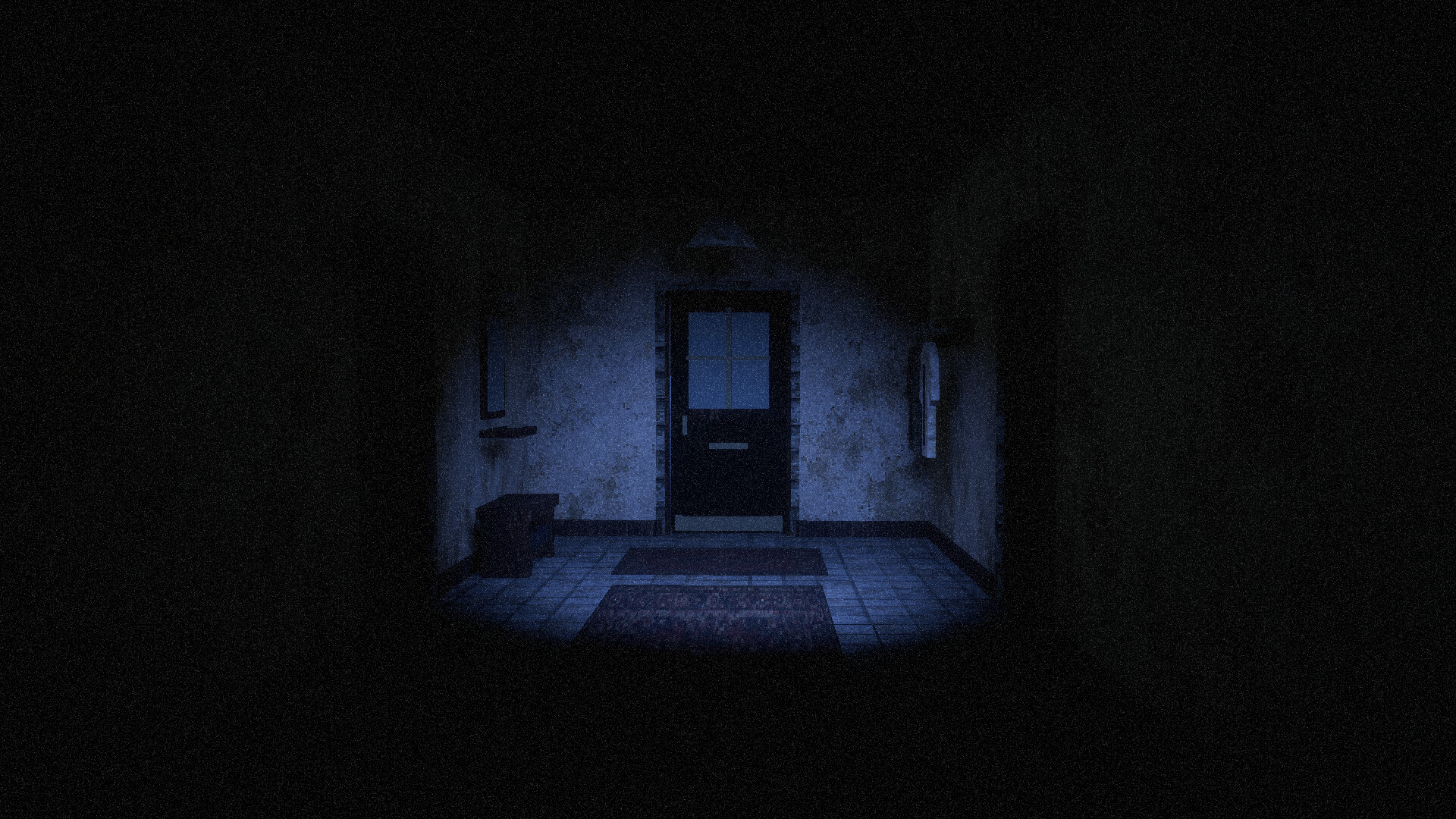
You hide in rooms and hold your breath while something walks past the door. You listen for footsteps on the floor above and a voice you know calling from the wrong room. The two things hunting you do not behave the same way — one stalks, one waits — and the game is explicit that you learn to tell them apart by sound, because by the time you see them it is usually too late.
That is a real design choice, not a marketing line: it means the audio mix is the difficulty curve. Every task makes noise, and every noise can be heard. Setting the clocks, restoring the power, searching for the missing half of the wiring diagram — all of it is a negotiation with a house that is listening. The store page recommends headphones, and that is not a courtesy note. It is the control scheme.
Subtitles in 13 languages are offered, which is useful, but the subtitles will not tell you which side of the door the footsteps are on.
The loop is a short night, not a long campaign
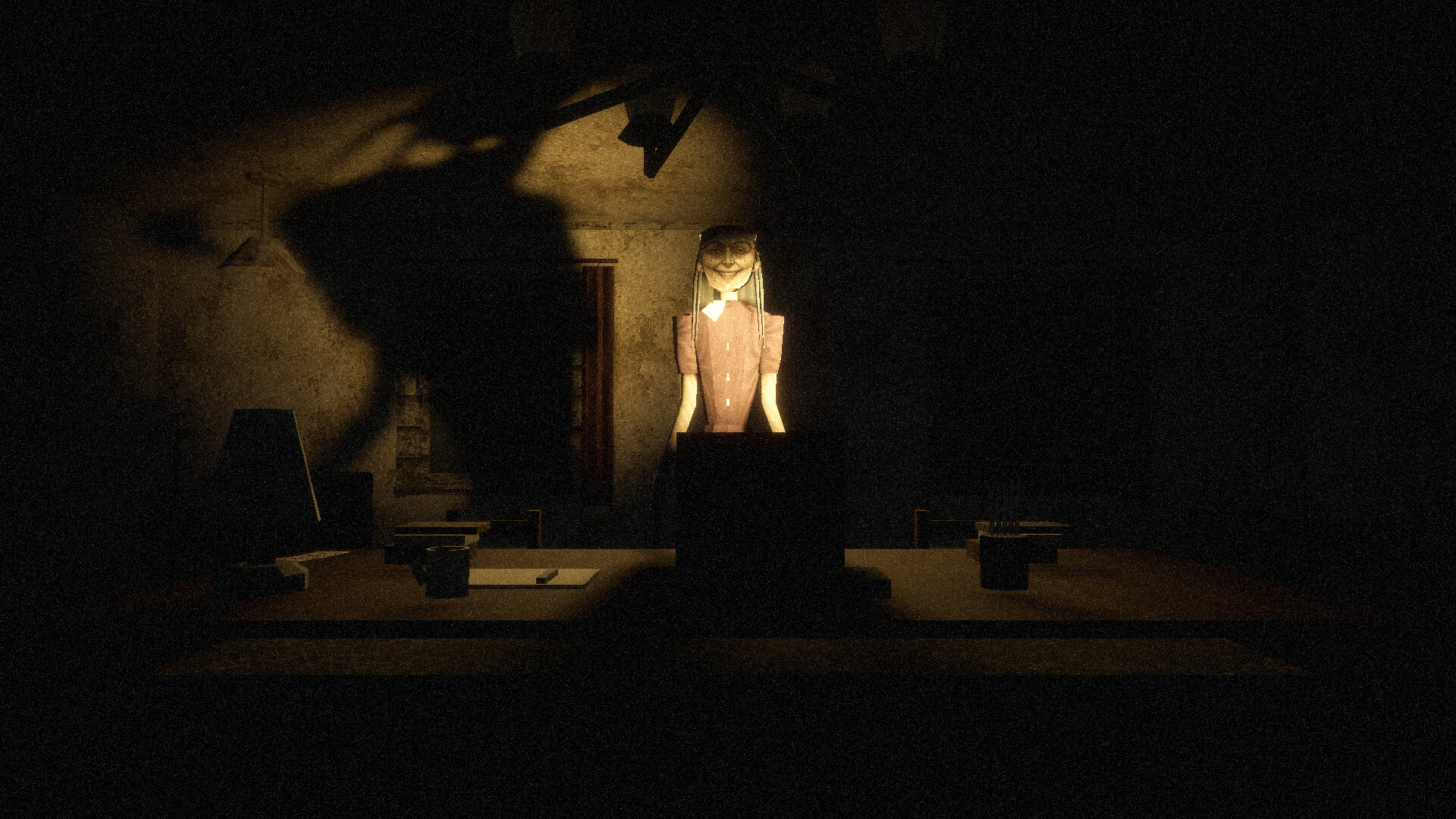
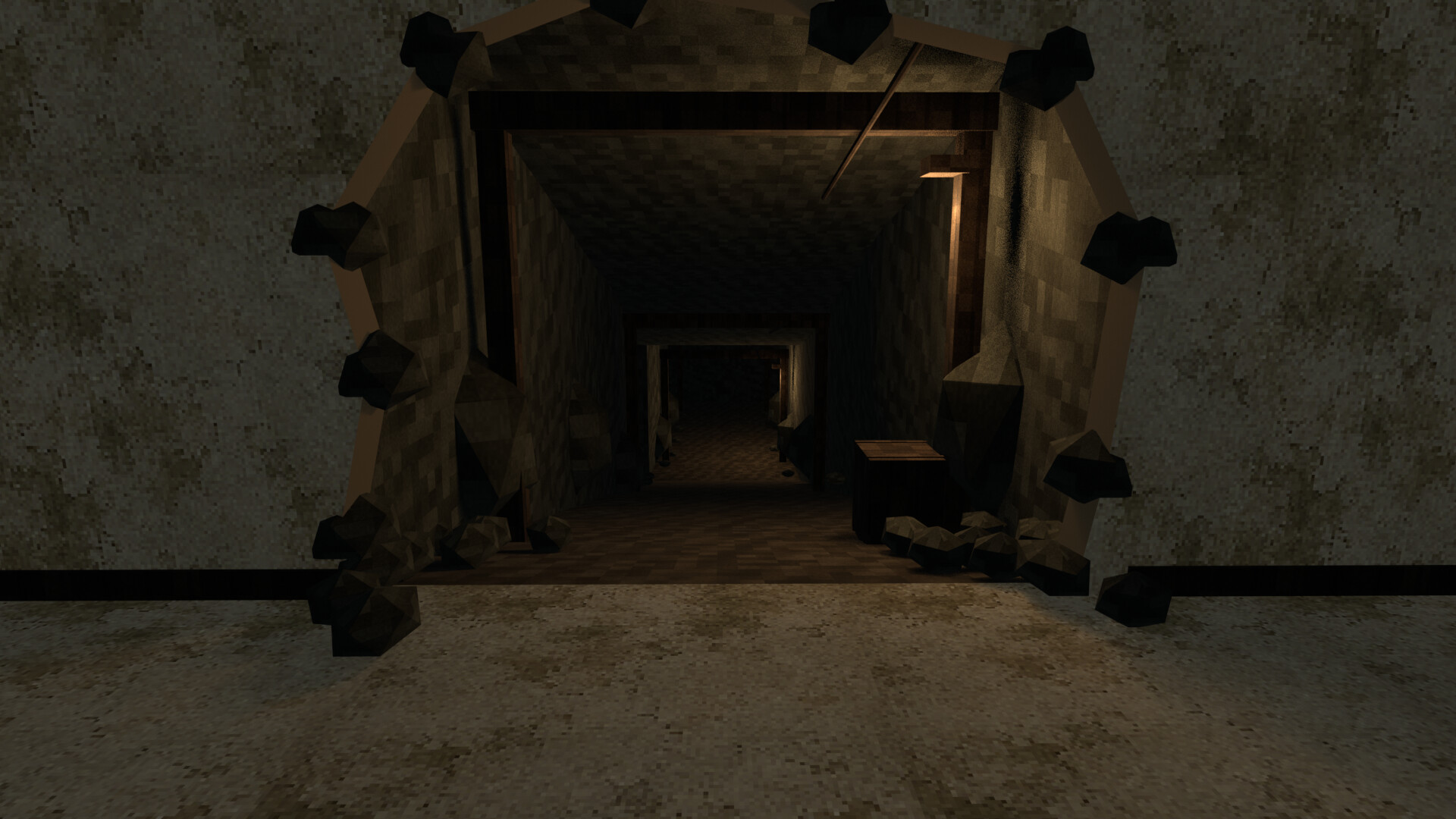
The listing calls it a short first-person horror game, and that is the right frame. Two floors, a basement, a garage and a garden, all dark. You start with nothing. There is no upgrade tree, no meta-progression, no roguelike scaffolding. The progression is spatial: you learn the house, you learn which sounds mean which hunter, and you learn which tasks can be done quietly.
The clocks are the clearest example of the loop's tension — you set them, something turns them back, and you have to decide whether to keep fighting the same clock or move on and come back. That is a small, nasty puzzle, and it is the kind of thing that only works in a game this compact.
Full controller support and rebindable keys are listed, which sounds like boilerplate until you remember that a game built on holding your breath and moving quietly needs input you can trust under pressure. The controls are part of the horror budget.
What it borrows, and what it changes
The obvious comparison is PowerWash Simulator by way of Papers, Please — the former for the satisfaction of a mundane task made tense by context, the latter for the way a simple checklist becomes a trap when the environment keeps interfering. But the closer mechanical cousin is the hide-and-seek horror of Alien: Isolation, stripped of the sci-fi and the length.
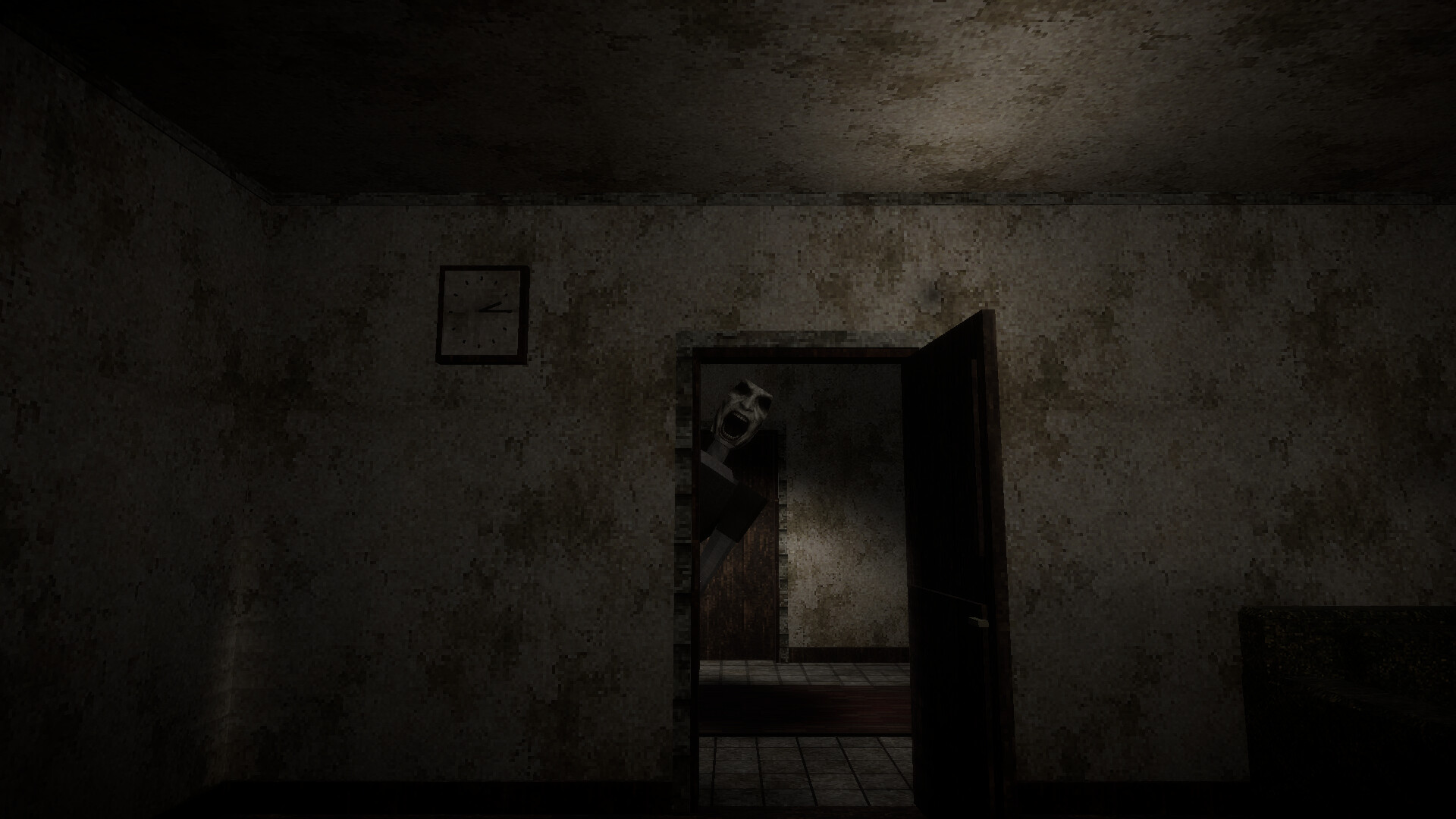
Two-Fifteen does not give you a flamethrower or a motion tracker. It gives you a fuse box and a breath meter. The change is that the stalker and the waiter are not the same threat, so you cannot learn one rhythm and coast. That is a genuine twist on a familiar format, and it is the reason the game is worth $3.49 even if you have played a hundred PSX-lookalike horror shorts.
What it does that its comparisons do not
Here is the distinction worth spelling out. Papers, Please makes the checklist tense by putting a clock on it — the interference is administrative, and the dread is bureaucratic. Alien: Isolation makes the stalker tense by giving you tools to read it — the motion tracker turns the unknown into a blip you can manage. Two-Fifteen removes both safety nets.
There is no shift timer counting down your productivity, and there is no instrument telling you where the thing is. The only readout is your own ears and your own breath.
The clocks in the house are not a deadline; they are a task that actively undoes itself, which is a different kind of pressure — not "hurry up" but "you will have to do this again." And because the two hunters require two different responses, the game cannot be solved by mastering a single loop. You are not optimising a route. You are maintaining two separate fears at once, and the fuse box is where they meet.
The honest reservation
The risk with a game this short is that the fear is front-loaded. Once you know which sound means which hunter, the house stops being a mystery and becomes a route. The clocks and the wiring diagram are good because they force you to move, but a second playthrough may be more chore than dread.
The listing promises fully voiced dialogue and subtitles in 13 languages, full controller support and rebindable keys — all good signs — but it does not promise replay value. If you need a game to last a week, this is not it. If you want one night that gets under your skin, it might be.
What players are saying
The community signal is small but pointed, and it points at the same things the design does. One player writes: "The sound design is genuinely unsettling — I had to take my headphones off twice." Another puts the length in perspective: "Short, sharp, and it doesn't outstay its welcome.
Finished it in one sitting and immediately wanted to play it again to see what I missed." A third flags the thing the store page cannot promise: "Not the scariest game I've ever played, but the two monsters are different enough that you can't just camp in one spot.
That's what got me." Read together, the quotes describe a game whose scares are audio-led, whose runtime is deliberately brief, and whose two-threat structure is the actual hook — which is exactly the design the rest of this piece describes. They also confirm the reservation above: the player who wanted a second run wanted it to see what they missed, not because the dread had deepened.
Why now, and who should skip it
Two-Fifteen releases today, Oct 27, 2026, on Windows for $3.49, developed and published by HaddajiDev. The Steam signals are thin — zero current players at the time of writing, no player quotes yet — but that is the nature of a same-day release from a solo developer. The wishlist prompt in the listing ("Wishlist TWO-FIFTEEN to follow the full night") suggests the developer knows the audience is small and specific.
The price is the argument: for the cost of a coffee, you get a fully voiced, controller-supported, headphone-recommended horror game with a premise that is genuinely unsettling. Skip it if you hate jump scares, hate audio-driven tension, or need a game that explains itself. Try it if you liked the first twenty minutes of Resident Evil 7 and wished the whole game had stayed in the house.
I keep thinking about the kitchen clock. It stopped at 2:15 again. The game is called Two-Fifteen. That is not a coincidence, and it is not a twist you can guess from the store page. It is the kind of small, deliberate detail that makes me want to turn the lights off and find out.