TCG Card Shop Simulator 1.0 Finally Makes the Collection Playable
TCG Card Shop Simulator has converted a strong early-access business into a full release by closing the gap between collecting cards and actually using them. Version 1.0 adds playable Tetramon battles, tournaments, and a larger commercial endgame to the familiar routine of ordering stock, pricing products, serving customers, opening packs, and expanding a hobby store.
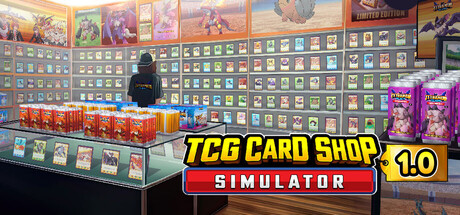
TCG Card Shop Simulator has converted a strong early-access business into a full release by closing the gap between collecting cards and actually using them. Version 1.0 adds playable Tetramon battles, tournaments, and a larger commercial endgame to the familiar routine of ordering stock, pricing products, serving customers, opening packs, and expanding a hobby store.
At 1:12 p.m. Malaysia time on September 16, Steam's official endpoints showed 6,954 concurrent players and 49,724 all-language reviews: 47,963 positive and 1,761 negative, or 96.5% positive. The store listed a 15% launch discount at US$16.99. These are public snapshots, not unit-sales or revenue estimates, and this article is market analysis rather than a hands-on review.
Why it is visible now
The game reached version 1.0 after roughly two years in early access. Its official launch post frames that period as a continuous expansion from a compact shop simulator into a broader hobby-store fantasy. The important launch change is not simply more products. Customers can now participate in tournaments, while the player can build and test decks using the collection created by the retail loop.
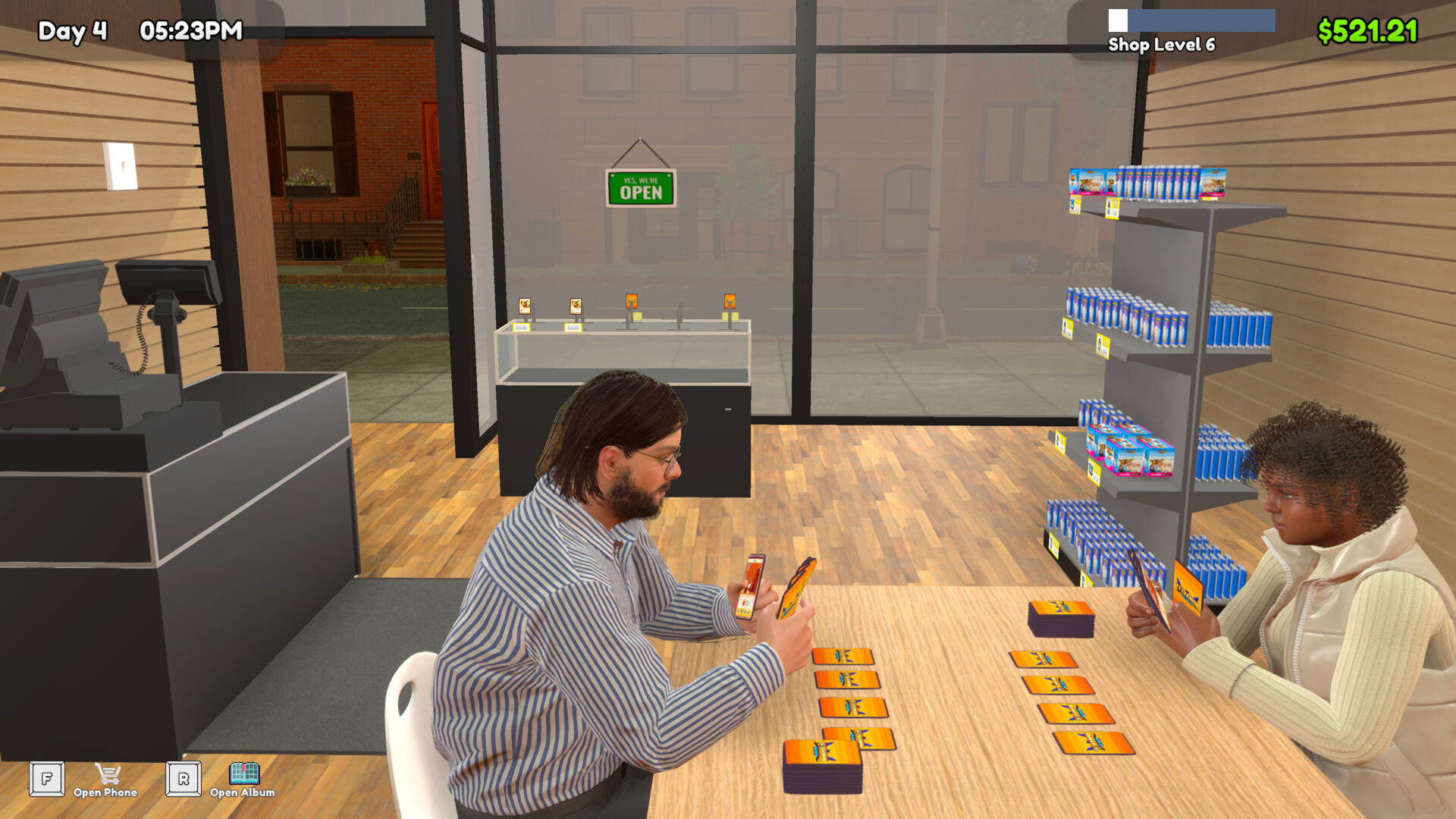
That connection matters because early versions produced two partially separate pleasures: operating a shop and chasing rare pulls. A rare card could be valuable or decorative, but it did not necessarily create a new strategic decision. The playable card game gives the collection a second life and makes the 1.0 label easier to communicate than a list of incremental shelves, licenses, and cosmetic additions.
Genre, platform, and release status
Steam lists TCG Card Shop Simulator as a released Windows simulation from OPNeon Games. The store data checked on September 16 gives September 14 as the PC release date. Console editions have also been publicized, but Steam concurrency covers only the Steam audience and should not be treated as a cross-platform total.
The product is a first-person retail simulator built around a fictional trading-card license. It overlaps with supermarket management games, collection games, and light tycoon design. Its strongest positioning advantage is instant comprehension: people already understand sealed packs, display cases, price tags, tournaments, and the temptation to open inventory instead of selling it.
The core loop and 1.0 differentiation
The operational loop is order products, place them on shelves, set prices, serve customers, maintain the store, unlock product licenses, hire staff, and reinvest profit into a larger layout. Pack opening creates a deliberate conflict between guaranteed retail margin and the uncertain value of a rare pull.
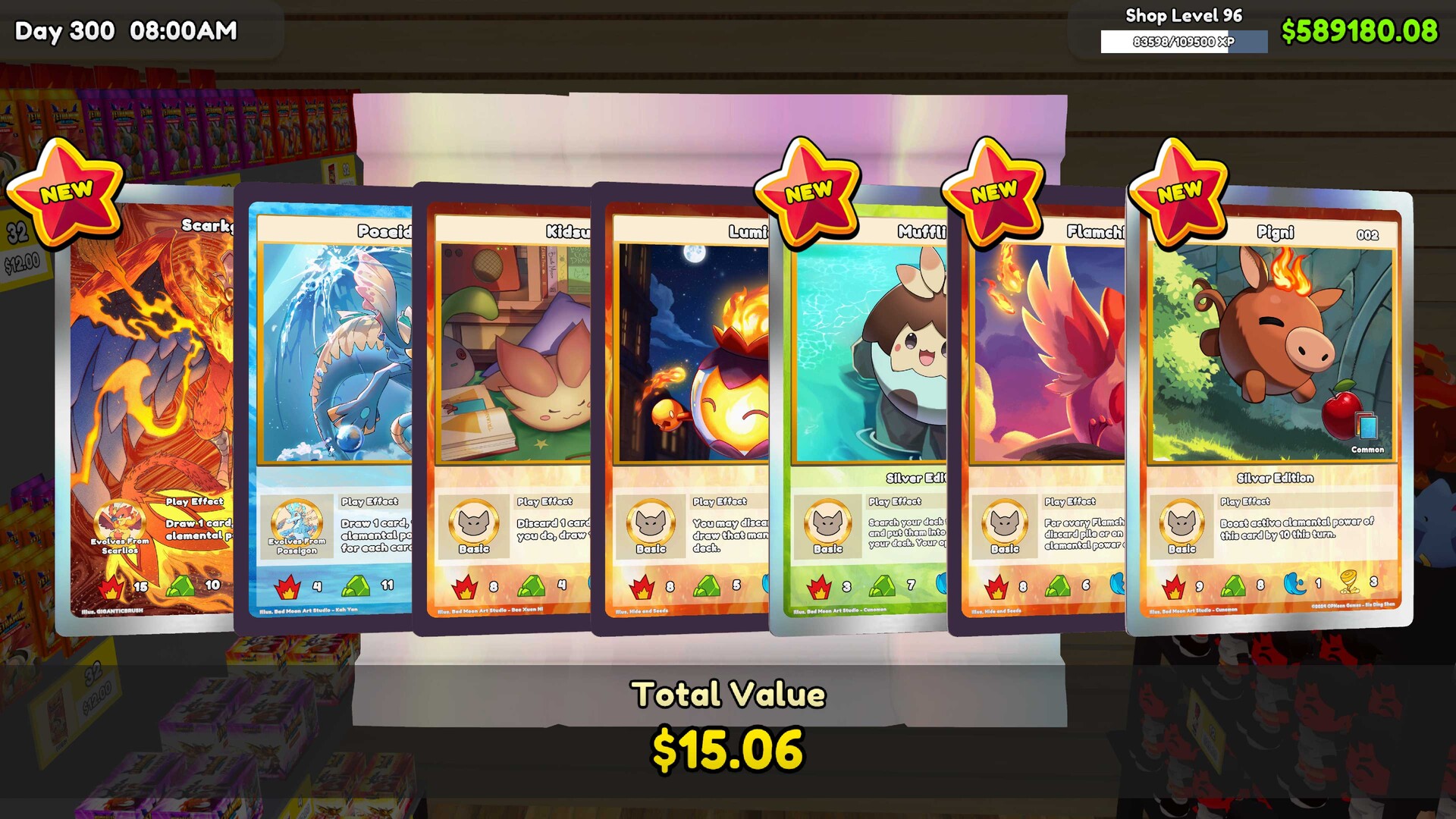
Version 1.0 strengthens the loop by returning collected cards to play. A deck is not merely an inventory filter; it becomes a strategic output of previous purchasing and opening decisions. Tournaments also give tables and customer space a clearer purpose. The store therefore supports two linked economies: cash generated through retail and tactical options generated through collection.
That structure is a useful design lesson. A collectible is more durable when it serves several verbs. The same card can be merchandise, a speculative asset, a completion target, a display object, and a game piece. Each new use increases the perceived value of an existing content asset without requiring an entirely separate world.
Verified market snapshot
The 49,724-review pool is unusually large for an indie management simulator. Its 96.5% positive ratio demonstrates broad historical satisfaction, but it includes the early-access period and is not a pure score for version 1.0. The 6,954 concurrent players observed after launch show substantial active interest without proving how many copies were sold or how long the launch wave will persist.
The developer's official retrospective says the early-access edition sold 100,000 copies in its first three days. That figure is a first-party disclosure and should be read as such. It provides context for the large review base, but it does not establish current sales, profit, or console performance.
Recent reviews retrieved from Steam repeatedly praise the addictive progression, relaxed shop fantasy, pack opening, and reasons to return after the update. Several long-playtime reviewers specifically describe starting again for 1.0 or returning to pursue the expanded systems. That is a promising conversion signal: the launch is not relying only on new buyers.
Repeated praise and complaints
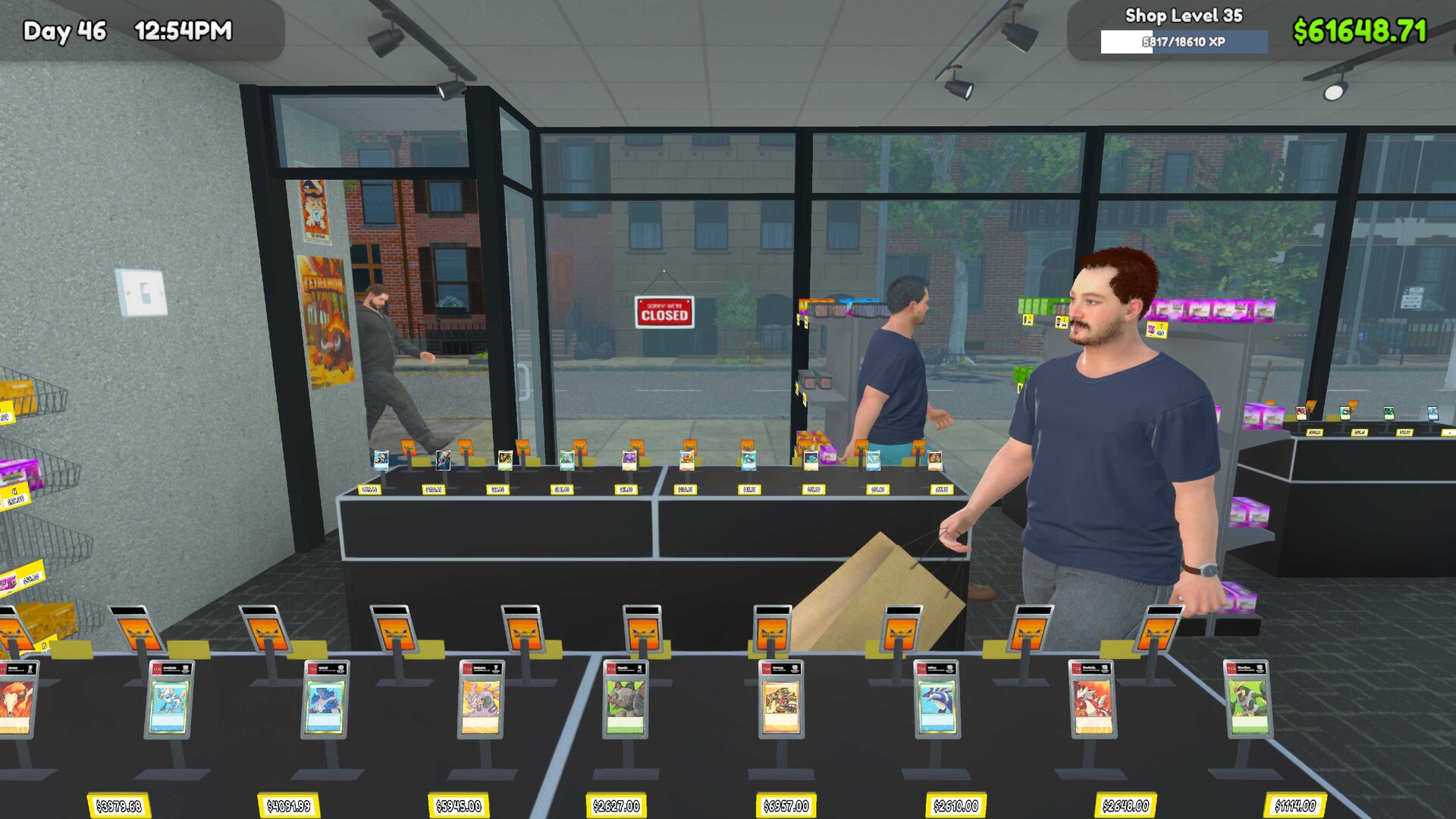
Positive patterns center on the clarity of incremental growth. New shelves, product lines, staff, display space, and card discoveries remain visible inside the same store. The player can walk through accumulated progress instead of viewing it only in a skill tree. Pack opening adds intermittent rewards to a predictable service routine, while the full card game now gives serious collectors a functional endpoint.
The negative sample points to several risks. Multiple recent reviews report frame drops, stutter, crashes, or worse performance after the update. Others criticize an avalanche of product licenses and margins that make some newly unlocked stock feel economically irrelevant. A smaller set dislikes stricter customer price sensitivity or finds tutorial prompts incomplete. Requests for multiplayer also recur, though a missing requested mode is different from a broken advertised feature.
These comments are signals rather than prevalence measurements. Twenty recent reviews cannot establish a technical defect rate across tens of thousands of owners. They do identify what the developer should monitor after launch: optimization, onboarding, product-tier balance, and whether the late economy rewards variety rather than only a narrow set of high-margin goods.
Competition and market meaning
Compared with Supermarket Simulator, this game trades category breadth for a stronger collection fantasy. Compared with pure card-opening games, it gives every product a physical retail context. Compared with full digital card games, its competitive layer is only part of a broader shop fantasy rather than the entire product.
The market signal is not that every simulator needs booster packs. It is that a familiar object can bind together operations, chance, identity, and endgame play. The cards make a thumbnail readable, a stream exciting, and a long-term goal legible. Version 1.0 succeeds strategically because it deepens that central object instead of replacing it with an unrelated feature.
Who should buy and who should wait
Buy if you enjoy repetitive but visible business growth, inventory arrangement, light pricing decisions, collection completion, and the fantasy of owning a hobby shop. The large review sample and sustained active audience reduce discovery risk, while version 1.0 offers a clearer destination for collected cards.
Wait if optimization problems quickly spoil management games, if you need cooperative shop operation, or if you expect a card battler with the depth of a dedicated competitive title. Players who dislike grinding through licenses and product tiers may also find the progression too long even when the individual tasks are pleasant.
IndieGame.party verdict
TCG Card Shop Simulator is a proven shop-management hit whose 1.0 update makes its best collectible system more complete. The market evidence is strong, the concept remains unusually legible, and the new playable-card layer creates meaningful reuse of existing content. Our verdict is recommended for collection and retail-sim fans, with a short wait advised for players sensitive to post-launch performance issues.
Data and image sources
- Official Steam store: https://store.steampowered.com/app/3070070/TCG_Card_Shop_Simulator/
- Official 1.0 retrospective and launch post: https://steamcommunity.com/games/3070070/announcements/detail/667247789110988017
- Steam public review summary: https://store.steampowered.com/appreviews/3070070?json=1&language=all&purchase_type=all
- Steam current-player API: https://api.steampowered.com/ISteamUserStats/GetNumberOfCurrentPlayers/v1/?appid=3070070
- All four images are official Steam store assets, © OPNeon Games, downloaded locally on September 16, 2026 for identification, reporting, and criticism without compositing or semantic alteration.