SpeedRunners 2 Has the Audience—and a Launch-Quality Problem
Eight-player spectacle and a proven grappling-hook loop produced real visibility, but a 61.4% positive launch sample turns that attention into a warning.
Why it is visible now
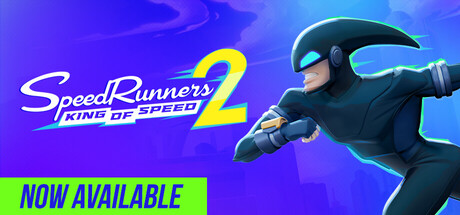
SpeedRunners 2: King of Speed arrived with nearly every advantage a competitive indie sequel could ask for: a recognizable first game, an instantly readable spectator premise, support for up to eight racers, and availability beyond Steam. Its September 3 launch earned enough attention to place it around number 40 in Steam's global revenue chart and number 20 in Malaysia during our September 4 observation window. The recorded concurrent-player high was 1,398. Those are meaningful discovery signals for a focused 2D multiplayer game—but the first 127 reviews were only 61.4% positive.
The loop: partial actions become visible consequences
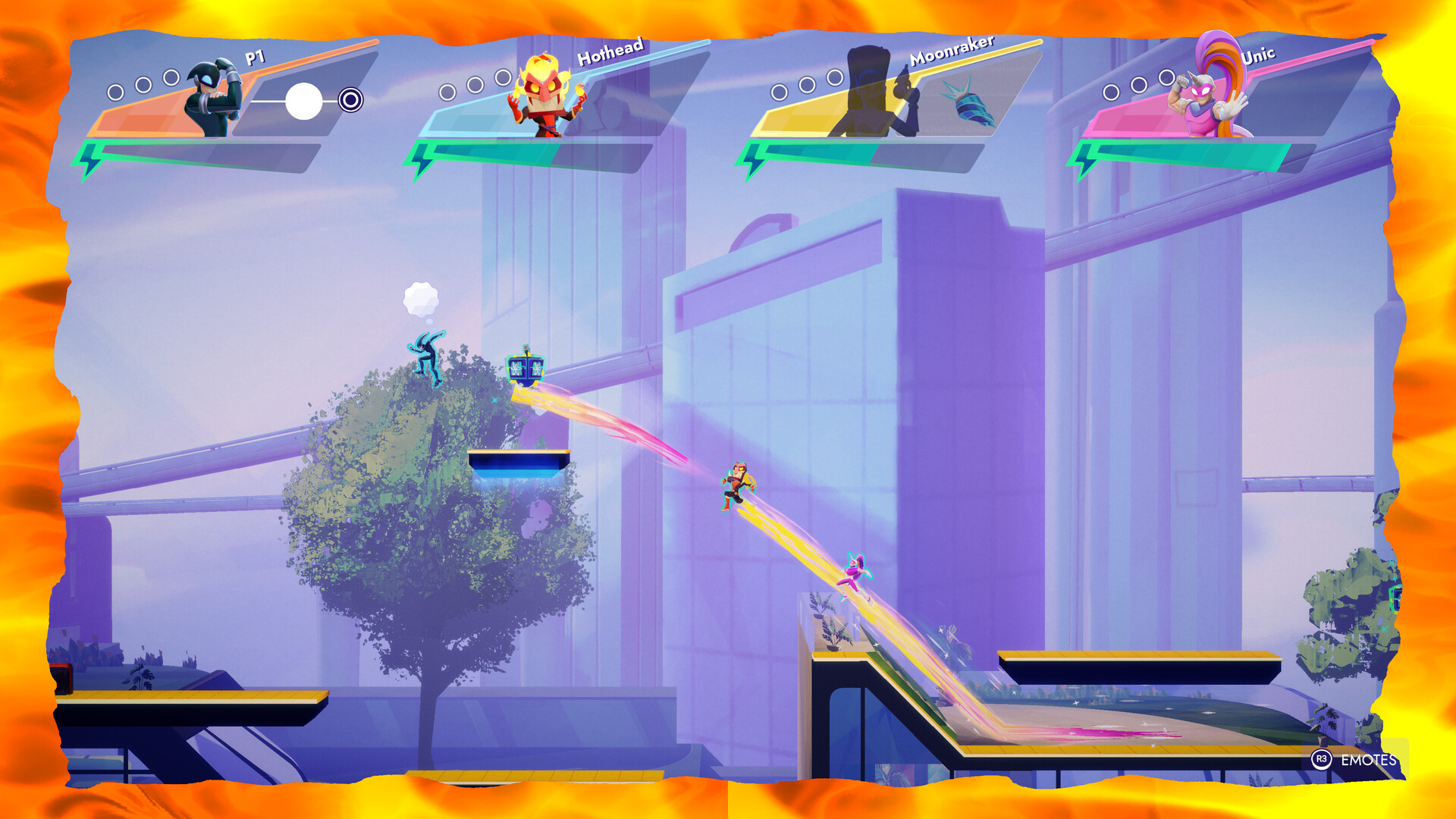
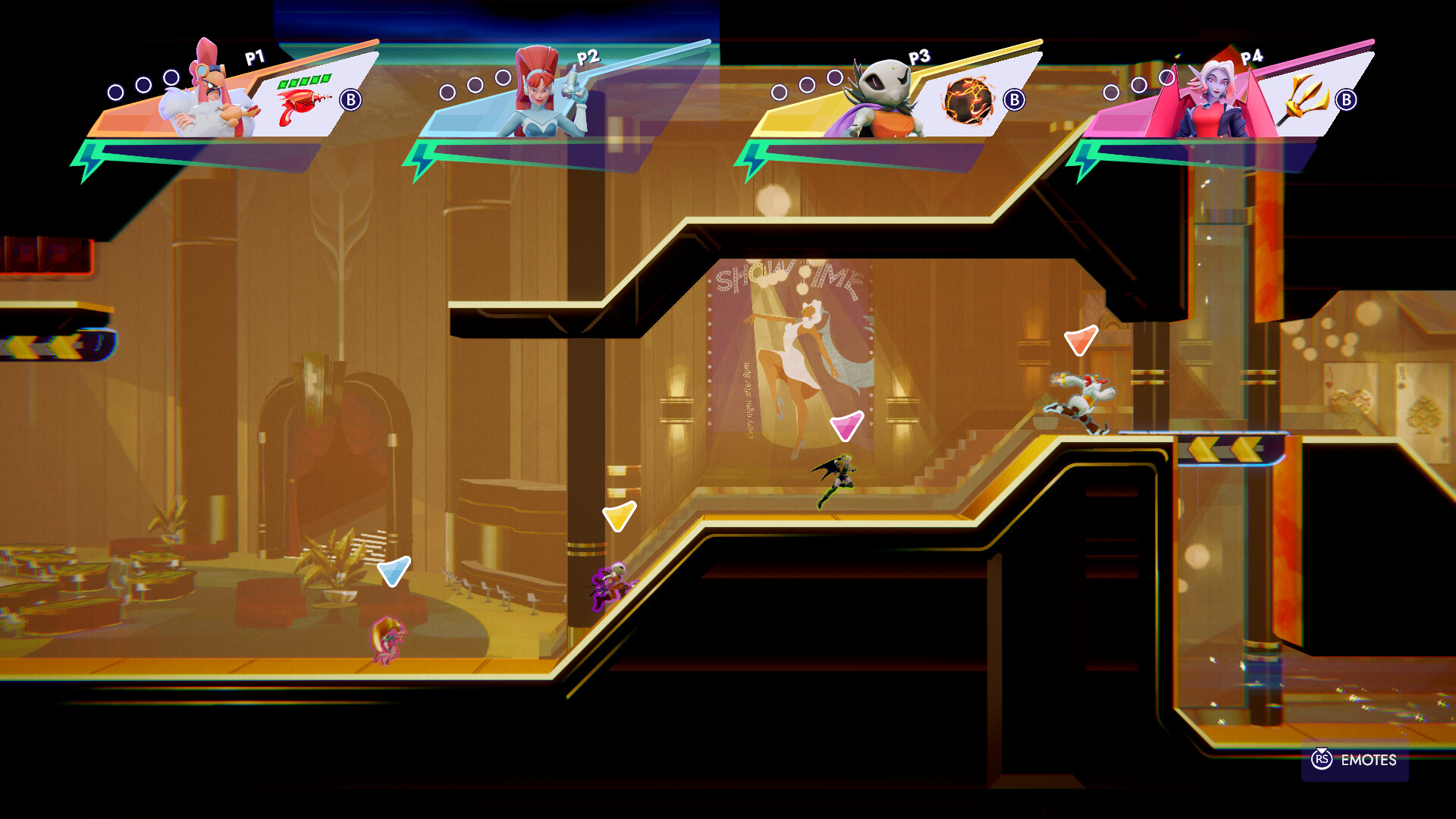
The loop remains brutally concise. Racers sprint around a shared 2D course, preserve momentum through slides and wall movement, swing from grappling points, and use pickups or route knowledge to disrupt rivals. Anyone left behind by the advancing elimination boundary is removed until one runner remains. The sequel expands the lobby from four to eight, which multiplies both the comedy and the information problem: twice as many bodies, hooks, traps and reversals must remain legible at racing speed.
Why the design reads instantly
This is why the game travels well in clips. Position, danger and reversal can all be understood in a few seconds. A player who looks finished can hook a ceiling, cut a corner and push someone else into the fire boundary. The action generates its own before-and-after story without requiring viewers to understand an economy, a build tree or a long campaign. That visual efficiency explains why a familiar sequel can win storefront exposure quickly.
What players are responding to
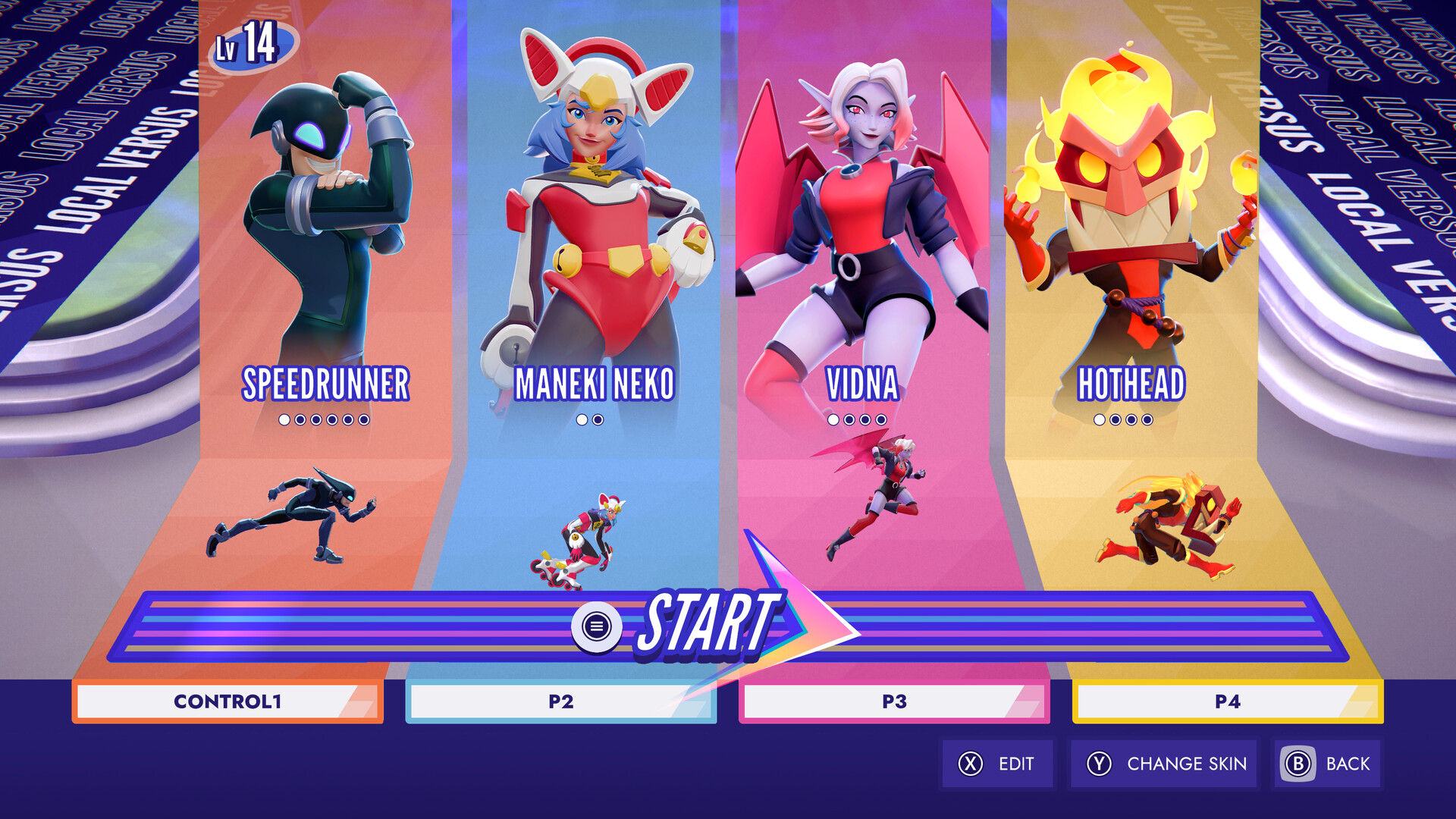
Positive reactions cluster around the same fundamentals that made the original durable: movement has a learnable rhythm, shortcuts reward map knowledge, grappling creates expressive recoveries, and local or online races produce loud social moments. Eight-player matches make successful reads feel more dramatic, while new modes, characters and power-ups give returning groups more combinations to explore. The game is at its best when a loss feels like a visible mistake and the next rematch begins immediately.
Where the risk sits
The mixed launch score says the expanded promise is not landing cleanly for everyone. Early criticism repeatedly focuses on online reliability, readability when eight players overlap, balance and the amount of polish expected from a sequel. Those complaints are unusually damaging here because the product depends on precise cause and effect. A dropped input, unclear collision or hard-to-read hazard does not merely annoy the player; it changes who is eliminated. Familiar branding and Game Pass reach may bring people in, but neither can protect a competitive game from trust loss.
What it means beside its competitors
Compared with party games built around random minigames, SpeedRunners 2 has the advantage of a deep, reusable movement language. Compared with traditional platform fighters, it is easier for spectators to understand the objective. Its risk is that mechanical depth only pays off when netcode, camera framing and silhouettes survive crowded matches. The sequel's commercial question is therefore not whether the hook works—the first game already proved that—but whether eight-player scale improves the hook more than it obscures it.
What to watch next
The next data worth watching are the recent-review percentage, peak-player retention across the second weekend and the cadence of network-focused patches. Revenue rank can move sharply during launch discounts, while concurrent players naturally fall after release, so neither movement alone proves failure. The meaningful combination would be a stabilizing player floor alongside improving recent sentiment. If the audience shrinks while reviews remain mixed, matchmaking quality can deteriorate and amplify the original launch problem. If patches lift trust quickly, the established brand and cross-platform availability give the game a plausible recovery path.
How to read this signal
This article separates attention from commercial success. Steam chart position, concurrent players and review volume describe different parts of a launch and cannot establish unit sales or profit. Review sentiment also changes as the sample grows, patches arrive and different audiences enter. We use the observed figures as a dated snapshot, check the game's identity and release state against its official store listing, and avoid turning unreported sales into estimates. The recommendation therefore reflects the evidence available on the check date, not a permanent score or a claim that every player shares the same experience.
IndieGame.party verdict
Watch the rating before buying for online competition. The launch has enough players and visibility to support matches, and groups that loved the original may still find the sequel's larger races irresistible. New buyers should wait for evidence that networking, collision feedback and crowded-screen readability have stabilized. This is a successful attention launch paired with a quality warning, not a failed release and not yet a clean recommendation.