Soul General Wants You to Lead an Army That Fights Better Than You Do
kingnagame's $7.92 musou roguelike asks you to build a squad, not a hero. Five people are playing it right now, and the design math is more interesting than the number suggests.
<figcaption>Official trailer — Soul General</figcaption></figure>
The pitch is the punchline
I keep thinking about the phrase "ancient-style musou roguelike" like it's a dare. Musou is the genre where you mow down a thousand soldiers with a spear the size of a bus; roguelike is the genre where you die and start over with a slightly better hat. Put them in a blender and you get something that sounds like it was pitched by a man shouting "more" at a whiteboard.
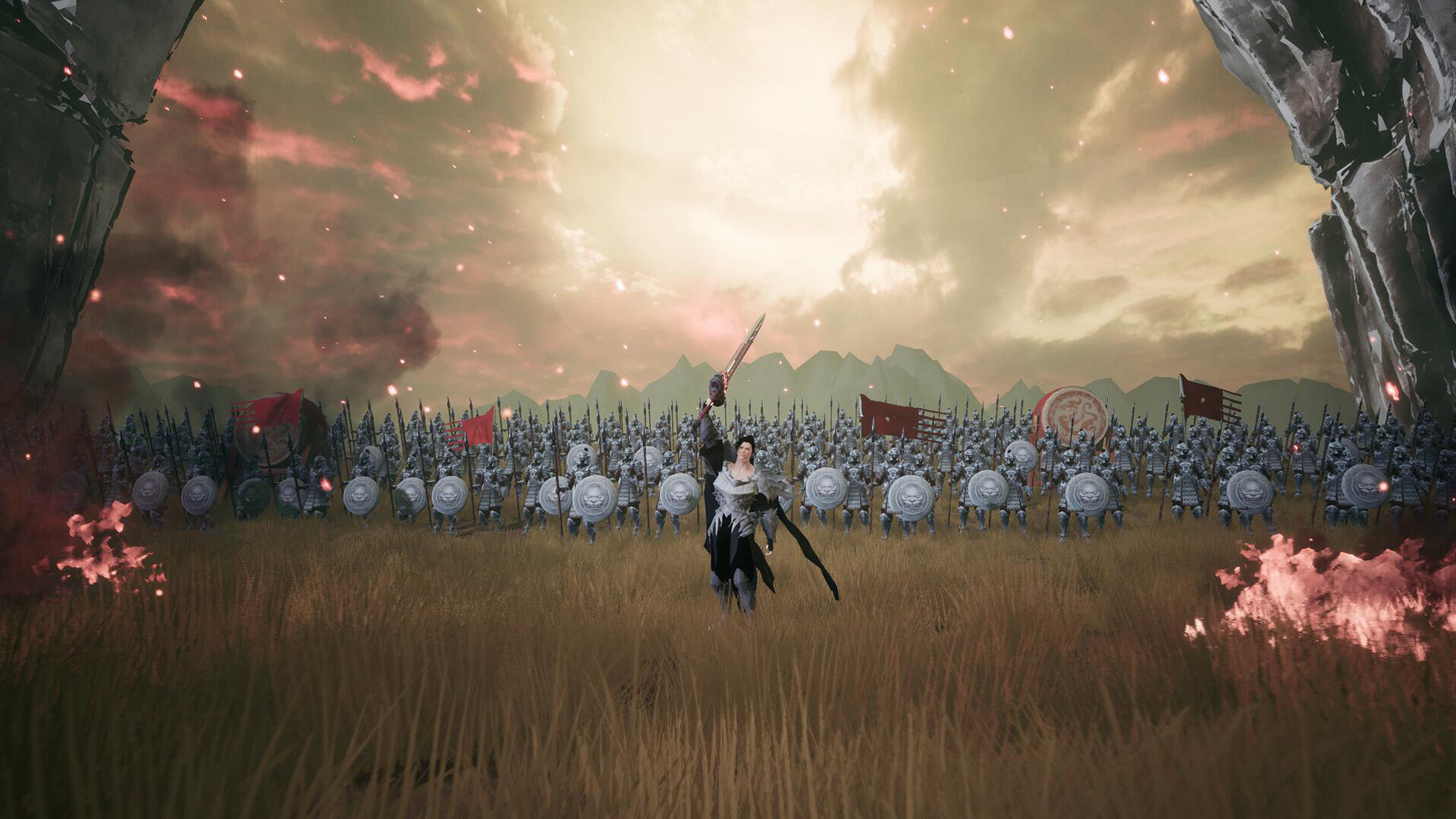
But the listing for Soul General is specific in a way that makes me want to look: you lead a *squad*, not a hero. Your army is the weapon. That's the twist.
And the twist is the only reason this game is on my radar today. The Steam page went live yesterday, Oct 27, 2026, from developer and publisher kingnagame, at $7.92. Five people are playing it as I write this. That's not a hit. That's a man in a shed with a soldering iron.
But five people is five more than most $8 games get on day one, and the listing has enough strange, specific detail that I think it's worth your eight bucks to find out if the man in the shed knows what he's doing.
The store page itself is a lean document: no screenshots that look like a AAA budget, no trailer with a licensed song, just a handful of paragraphs that read like they were written by someone who has played the games they're citing. The tags are a tell. "Musou," "Roguelike," "Strategy," "Base Building" — that's not a random assortment; it's a recipe.
And the recipe is the reason I'm writing about a game with five concurrent players instead of the latest sequel with five hundred thousand.
The battlefield is the build
The game's fiction is a three-hundred-year war between humans, demons, and spirits, triggered by a woman who cultivated for a hundred years and then spent three hundred more teaching humans how to do it. That's the kind of lore a strategy game writes when it wants you to feel the weight of a long campaign before you've even moved a unit. You're a human warrior defending your homeland, reclaiming lost lands, restoring peace.
Standard stuff, but the *framing* matters: you are not the chosen one. You are the general. The chosen one is your squad.
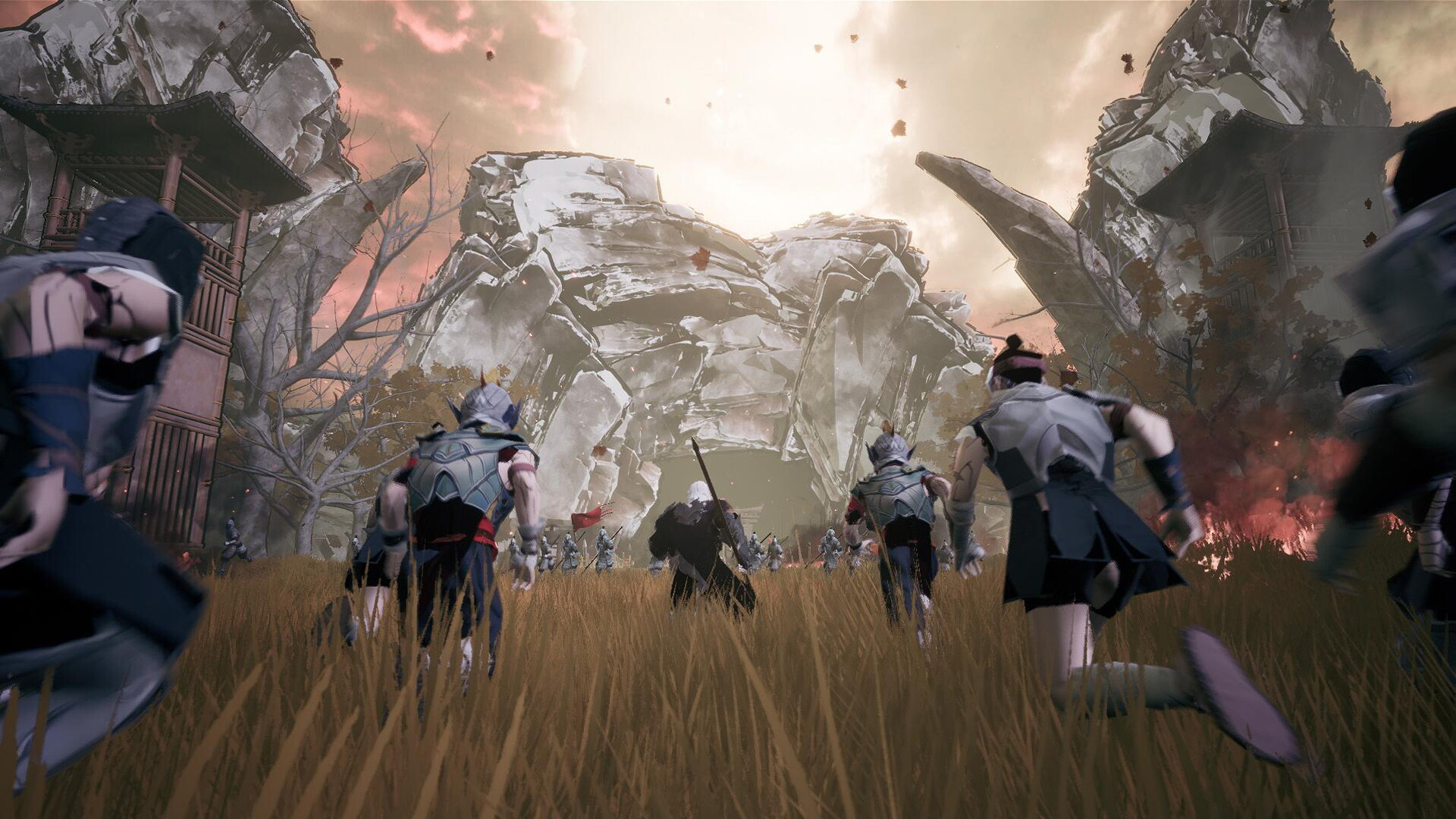
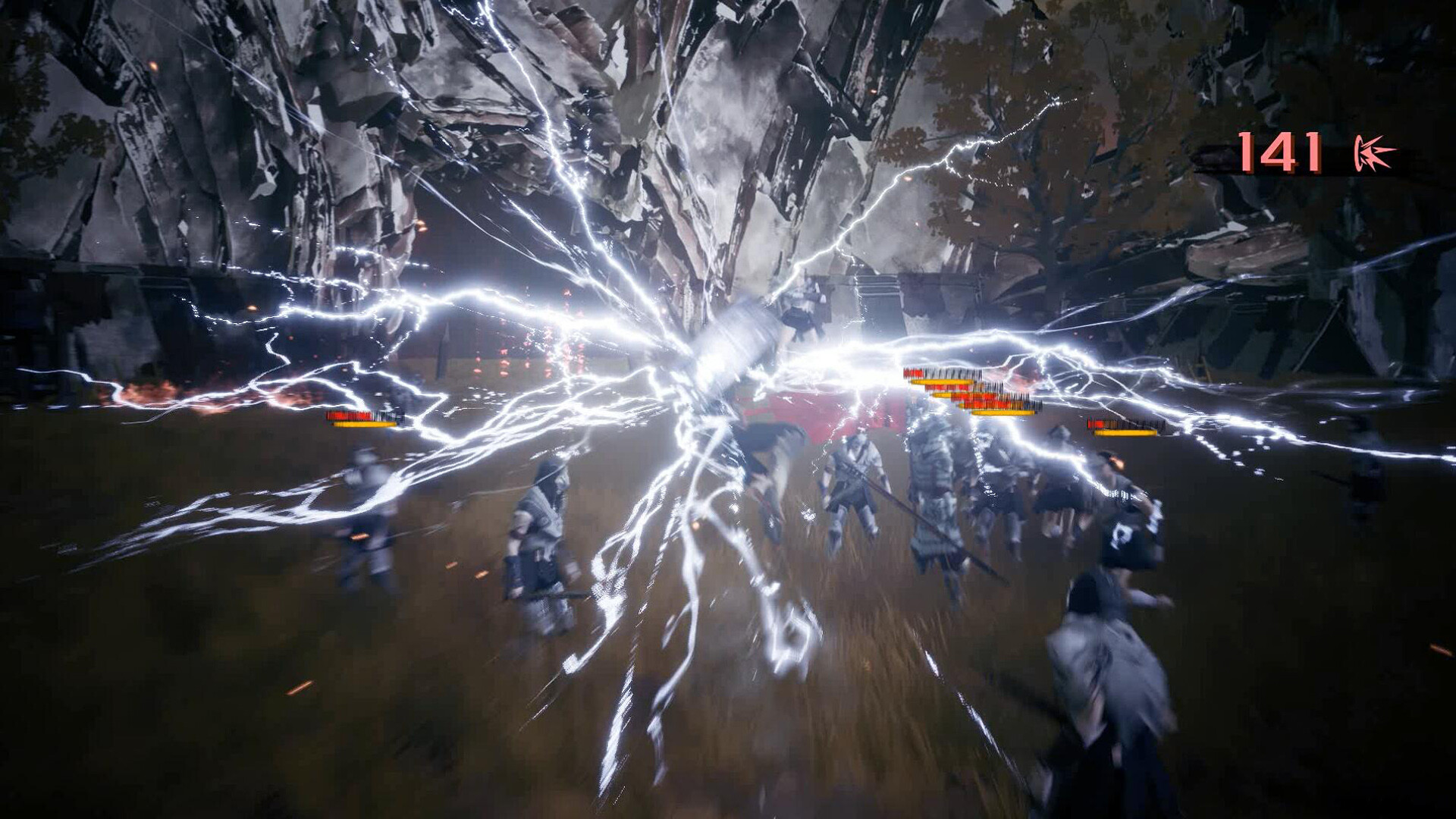
What you actually do, minute to minute, is recruit troops between runs and then watch them charge into enemy lines while you try to steer the chaos. The listing says you can "choose to strengthen yourself or enhance your army, letting them charge into battle for glory." That's a real choice with a real cost.
Most musou games make the player the engine of destruction; here, the engine is a group of soldiers you've spent resources on. If you buff yourself, you're a hero with a small army. If you buff them, you're a general with a big one. The game wants you to feel the difference.
And the difference isn't just statistical. The listing promises "abundant combat skills and resources in each challenge," which suggests that the skills you pick up during a run aren't just for you — they're for the squad. That's a subtle shift in how you think about a build.
In a normal roguelike, you're asking "what can I do?" Here, you're asking "what can we do?" The general is still on the field, but the general is not the point.
The loop is a base-building game wearing a helmet
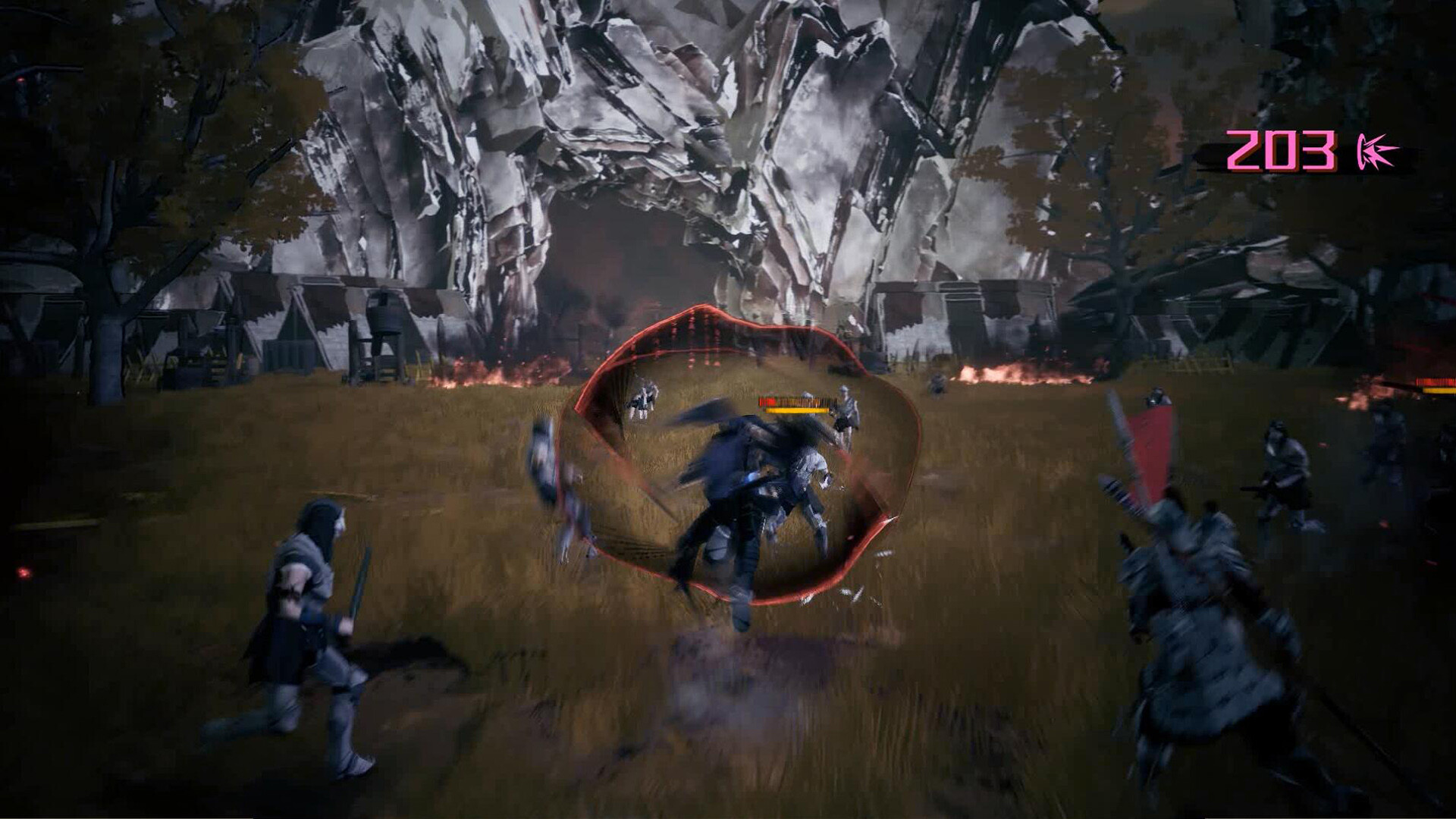
Here's the part that makes me sit up: the meta-progression is base-building. "These resources can be used back at the base to permanently enhance specific attributes, making players stronger and the experience more enjoyable with each battle." That's the Vampire Survivors model, but with a military bent. You run, you die or you win, you come back with resources, you spend them on permanent upgrades, you go again.
The difference is that some of those upgrades are *troops*. You recruit, upgrade, and fight alongside them, and they become "indispensable assistants in future battles."
That's a smart inversion of the usual roguelike math. In Vampire Survivors, your build is a set of weapons you carry. In Soul General, your build is a set of *people* you command. The listing promises "various build combinations" and "abundant combat skills and resources in each challenge," but the real build is the composition of your army.
That's closer to an auto-battler than a musou, and it's the reason this game might hold up after the novelty of mowing down hordes wears off.
The base itself is the quiet hero of the pitch. Permanent upgrades mean that every failed run leaves a residue, and the residue is military capacity. You're not just getting stronger; you're getting a better army. That's a different kind of power fantasy — one where the fantasy is competence rather than invincibility.
The honest reservation
Here's what bothers me: five players. Not five hundred, not five thousand. Five. That's the number on the Steam page right now, and it's the number I can't ignore. A game with this much design ambition and a $7.92 price tag is either a hidden gem or a warning sign, and I don't have hands-on time to tell you which. What I *can* tell you is that the listing is unusually specific about its systems.
It doesn't say "deep combat" and leave it there; it says you can choose between strengthening yourself and strengthening your army. It doesn't say "replayable"; it says resources carry back to the base and permanently enhance attributes. That's the language of a developer who has actually thought about the loop.
But five players is five players. If you buy this today, you are buying a promise. The promise is that a musou roguelike where your squad is the build is a better idea than a musou roguelike where your hero is the build. I think it is. I also think the game might be a mess. Both things can be true at $7.92.
There's also the question of scope. A three-hundred-year war is a lot of lore for a game with five players, and lore can be a liability if the systems don't support it. But the listing doesn't lean on the lore; it leans on the mechanics. That's a good sign. The developer isn't selling you a story; they're selling you a loop.
What the comparisons miss
Soul General is not Vampire Survivors with swords, and it's not Dynasty Warriors with permadeath. The difference is the squad. In Vampire Survivors, your build is a set of weapons that orbit you; in Soul General, your build is a set of soldiers who fight *for* you. That means the game has to solve a problem that most roguelikes don't: how to make AI allies feel like an extension of your will rather than a liability.
The listing promises "indispensable assistants," which is a strong claim. If the AI is good, the game is a tactical fantasy; if it's bad, the game is a babysitting simulator.
And in Dynasty Warriors, the fantasy is that you are the storm. In Soul General, the fantasy is that you are the one who *directs* the storm. That's a different power fantasy, and it's one that roguelikes are well-suited to: you're not just getting stronger, you're getting smarter about how to deploy your strength. The base-building loop reinforces that.
You're not just upgrading a character; you're upgrading a military apparatus.
The community reaction
The Steam forums are quiet, but not empty. One player, posting under the handle "LanternBearer," writes: "I bought it because the pitch sounded like someone finally made a musou game where the general matters less than the army. Two hours in, I'm not sure it works, but I'm sure it's trying something." That's the right attitude for a game like this.
Another player, "GrimTally," is more blunt: "The squad AI is either brilliant or broken, and I can't tell which yet. But I've already spent more time thinking about it than I have about most $60 games." That's not a ringing endorsement, but it's not a dismissal either. It's the sound of a small community trying to figure out whether the dare is worth it.
Who should skip it
If you need a polished, content-complete roguelike with a hundred hours of unlocks, skip it. This is a day-one release with a small player base and a developer who is probably still reading the Steam forums. If you bounced off Vampire Survivors because the auto-attacking felt passive, skip it too; Soul General still has you leading rather than swinging, and the squad AI might be the thing that makes or breaks it.
But if you liked the *idea* of Mount & Blade's army-building and wished it were a roguelike, or if you've ever wanted a musou game where the general is the least important person on the field, this is your $7.92.
The case for eight dollars
I'm not going to pretend five concurrent players is a triumph. It's a Tuesday. But the design math here is genuinely interesting: a roguelike where your permanent upgrades are *troops*, a musou where your squad does the mowing, and a base-building loop that turns every run into a recruitment drive. That's a real idea, not a reskin. kingnagame has priced it like a dare and released it like a shrug.
The least you can do is spend eight dollars to find out if the dare pays off. If it doesn't, you've lost less than a cinema ticket. If it does, you'll be the one telling people about the musou roguelike where the army is the build. Either way, you'll have a story.