RIG Riot Converts Armored Mech Assembly Into a Fast Roguelite Launch
RIG Riot launched on September 14 with a premise that experienced players can explain in one sentence: build an Armored Core-style machine, then push it through a Risk of Rain-style roguelite run. That comparison is not a substitute for the game's own identity, but it explains why its first audience arrived quickly.

RIG Riot launched on September 14 with a premise that experienced players can explain in one sentence: build an Armored Core-style machine, then push it through a Risk of Rain-style roguelite run. That comparison is not a substitute for the game's own identity, but it explains why its first audience arrived quickly.
At 1:13 p.m. Malaysia time on September 15, Steam's public endpoints showed 265 concurrent players and 87 all-language reviews, 80 positive and seven negative, or 92.0% positive. The morning market report recorded 377 players and 59 reviews. Gaining 28 reviews while retaining a strongly positive ratio over four hours is a credible launch signal, although the sample remains small. This is launch analysis, not a hands-on review.
Why it is visible now
Fast mechs are underserved between major releases. RIG Riot presents the fantasy immediately: boost across open combat spaces, swap weapons and body parts, stack run modifiers, defeat targets, and rebuild after failure.
The launch also benefits from a public demo and earlier closed testing. Several first-day reviewers reported substantial time in pre-release versions, which means part of the initial review velocity comes from an informed existing community rather than only impulse purchases.
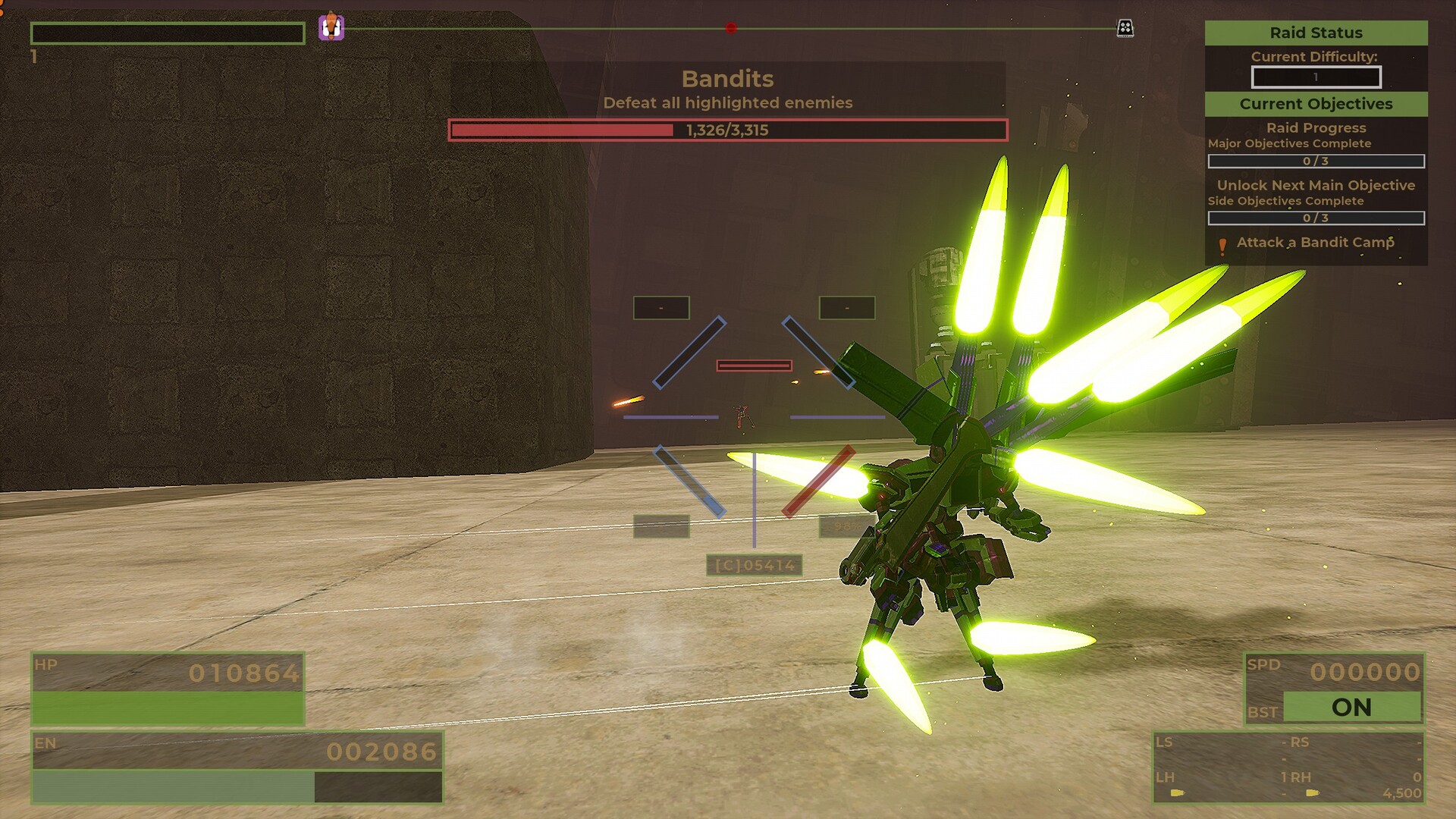
Steam listed a 10% launch discount at RM42.29, down from RM46.99. The game is a Windows release and does not list macOS or Linux support on the official endpoint.
Genre, platform, and release status
Steam labels RIG Riot as action. Its more useful market category is a single-player third-person mech action roguelite with persistent unlocks and deep assembly. The official page emphasizes a large part pool, mission runs, bosses, and the ability to transform the machine through weapons and modifiers.
The September 14 release is version 1.0, not early access. That makes the positive first-day ratio encouraging, but players are already asking for more maps, objective variety, clearer movement indicators, and additional polish.
PC performance appears to be one positive surprise in the sampled reviews. Several users said the game ran well on modest hardware despite its Unreal Engine foundation. These are anecdotes, not benchmark results across configurations.
The core loop and differentiation
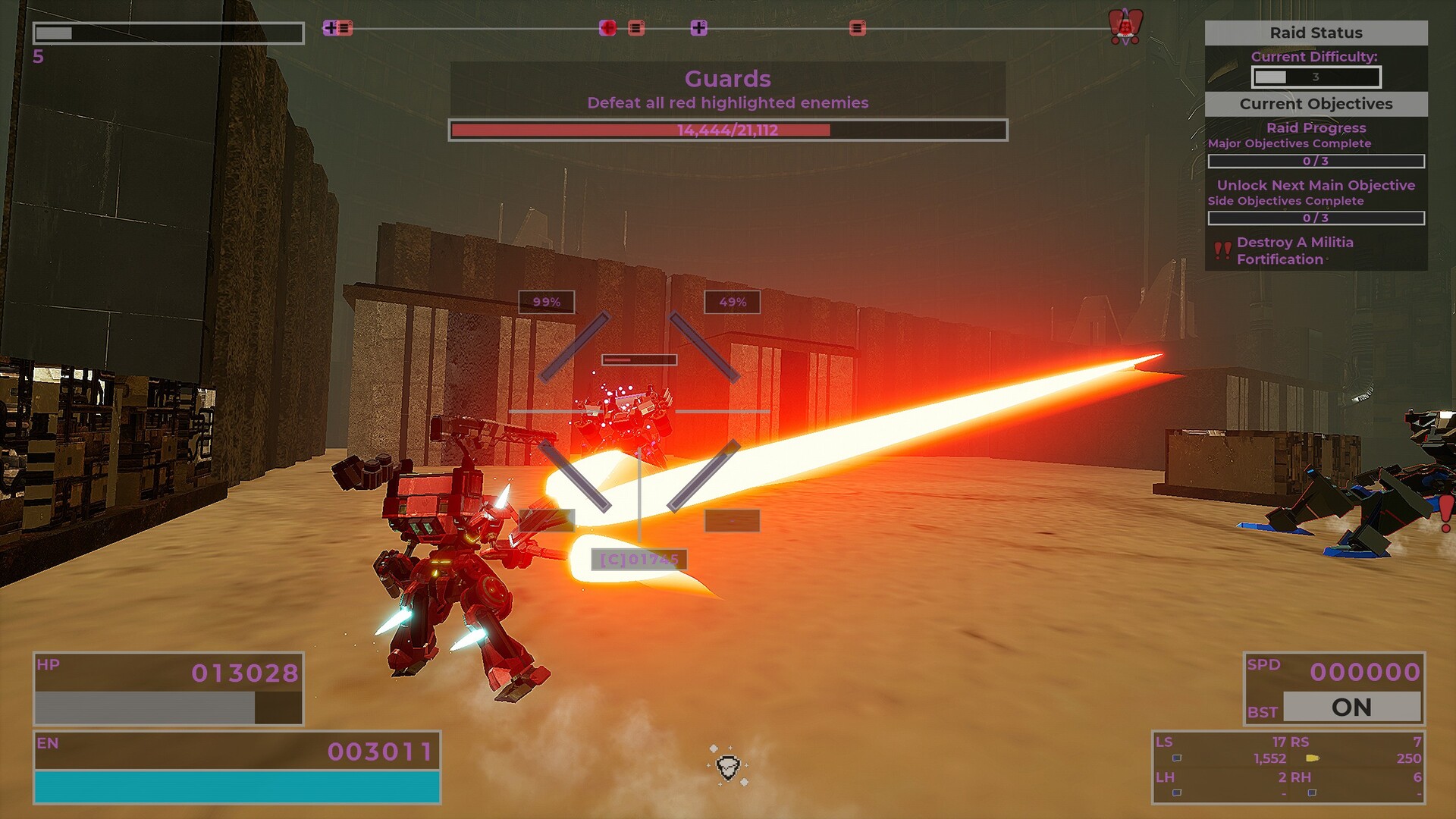
Before a run, players assemble a RIG from body parts and weapon slots. During missions they move at high speed, manage range and verticality, destroy enemies, choose roguelite upgrades, summon or confront bosses, and convert outcomes into persistent unlocks.
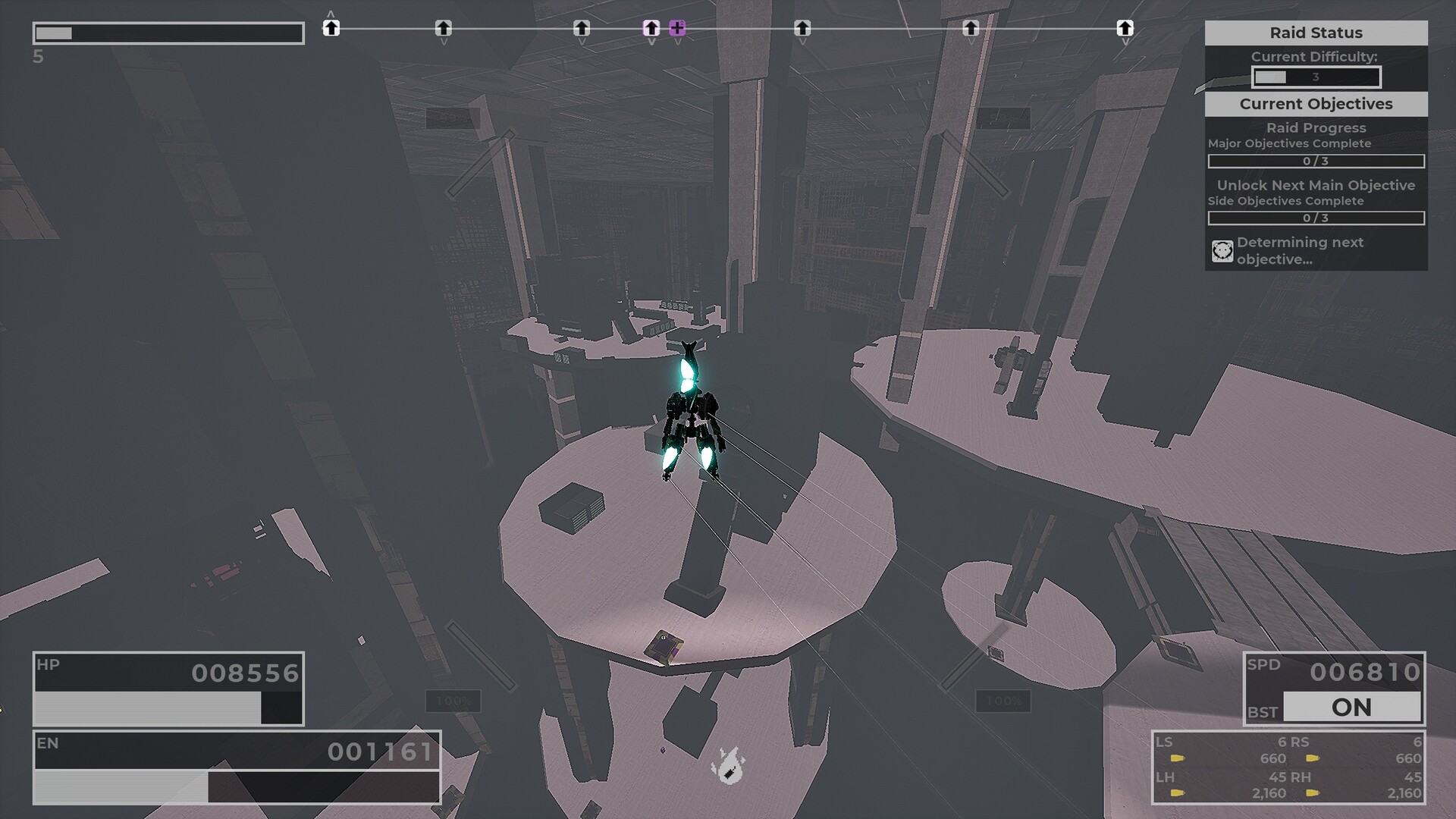
The assembly system differentiates the game from roguelites where a character begins mostly fixed. Part choices change silhouette, mobility, weapon coverage, and the pool of items a player wants to see. Reviewers also mention the ability to ban certain augment or weapon-slot drops, giving players some control over run variance.
Speed is the second pillar. The game is repeatedly compared with older, faster Armored Core entries rather than only Armored Core VI. That creates a clear niche: mobility as expression, not merely traversal between firing positions.
The design risk is readability. Extreme speed, low-detail retro presentation, sparse indicators, and sudden difficulty spikes can make deaths feel arbitrary. Roguelite repetition only works when players understand what they could do differently.
Verified market snapshot
The all-language public review endpoint returned 87 reviews with 92.0% positive sentiment. Steam showed 265 current players at 1:13 p.m. MYT. The morning report's 377-player snapshot was taken closer to the overnight Western audience, so the decline does not establish first-day churn.
The review count rose from 59 in the report to 87 at publication. The ratio also improved from the report's 54 positive out of 59 to 80 out of 87. These values will move rapidly during launch week.
Steam does not publish copies sold, refund rate, wishlists, or development budget. Concurrent players cannot be converted into sales without unsupported assumptions.
Repeated praise and complaints
The 20 most recent reviews at the publication check were overwhelmingly positive. Repeated praise focused on responsive movement, very high speed, mech customization, build variety, optimization, and the blend of deliberate assembly with run-based discovery. Several reviewers described the developer as engaged with feedback.
The negative and mixed notes are consistent even among recommendations. Players want more maps and mission types, stronger sound design, clearer vertical navigation cues, improved melee feedback, and additional visual polish. One negative review found the balance uneven, alternating between effortless encounters and sudden deaths to a boss that felt ahead of the run's power.
The sample is dominated by enthusiasts already fluent in mech-action comparisons. A broader launch audience may judge onboarding and readability more harshly.
Competition and market meaning
RIG Riot sits between Armored Core, FUMES, Risk of Rain 2, and other build-heavy action roguelites. It cannot outspend a major franchise on cinematic presentation. It can compete on velocity, systemic combinations, and the freedom to produce strange machines.
The launch suggests that a solo or small-team project can find an audience by targeting a mechanical gap left between blockbuster cycles. The lesson is not to imitate a famous combat system surface by surface. It is to identify which feeling players miss—in this case extreme speed plus assembly—and build the progression model around it.
Who should buy and who should wait
Buy now if high-speed mech movement, part experimentation, and repeated run optimization are the main attraction. The demo remains the best way to test motion comfort, controls, and performance before purchasing.
Wait if map variety, polished presentation, or a carefully paced authored campaign matters more than build systems. Launch reviews indicate a strong foundation, while also describing content and feedback systems that could improve.
IndieGame.party verdict
RIG Riot has the strongest clean launch signal in today's report: growing review volume, 92% positive sentiment, and hundreds of current players for a specialized independent mech game. The evidence supports a recommendation for genre fans, with the caution that first-day enthusiasm is not retention. Watch the second weekend, recent-review trend, and update cadence.
Data and image sources
- Official Steam store: https://store.steampowered.com/app/3180340/RIG_Riot/
- Steam public review summary: https://store.steampowered.com/appreviews/3180340?json=1&language=all&purchase_type=all
- Steam current-player API: https://api.steampowered.com/ISteamUserStats/GetNumberOfCurrentPlayers/v1/?appid=3180340
- All four images are official Steam store assets, © Sage Boatman, downloaded locally on September 15, 2026 for identification, reporting, and criticism without compositing or semantic alteration.