PixelHeroScramble Plus Has a Sharp Tower-Defense Pitch, but No Market Signal Yet
PixelHeroScramble Plus was announced on September 17 with a compact promise: fixed-route tower defense, more than 60 pixel units, placement and upgrade decisions, timed EX skills, consumable rescue items, and three difficulty levels. The developer, One or Eight, plans a Steam and Nintendo Switch release around December 1, with a PC demo promised for the near future.

PixelHeroScramble Plus was announced on September 17 with a compact promise: fixed-route tower defense, more than 60 pixel units, placement and upgrade decisions, timed EX skills, consumable rescue items, and three difficulty levels. The developer, One or Eight, plans a Steam and Nintendo Switch release around December 1, with a PC demo promised for the near future.
That is enough for a useful design preview, but not a success story. At 1:09 PM Malaysia time on September 17, the official Steam listing was unreleased and had no public review or concurrent-player signal. Wishlists, demo players, price, sales, and retention were not disclosed. This article evaluates the announced loop and market positioning; it is not a hands-on preview or review.
Why PixelHeroScramble Plus is visible now
The game entered the public calendar through simultaneous PC and Switch coverage and a trailer that makes its battlefield readable immediately. Enemies follow a fixed route. Units occupy defensive positions. Large bosses create spikes. EX skills add a timed intervention layer above automatic attacks.
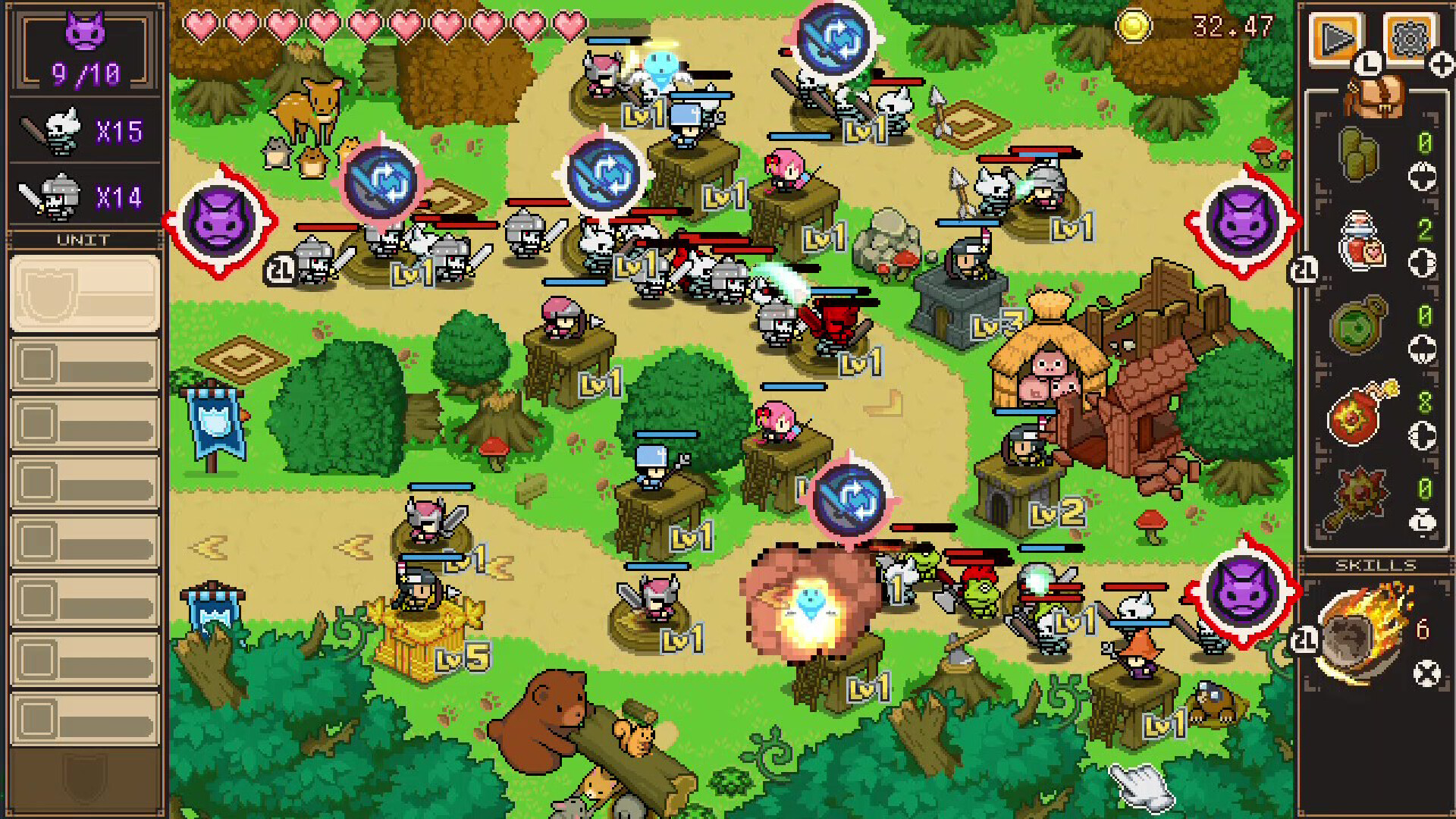
The announcement arrived at a favorable moment for compact strategy games. Players understand tower defense without a long explanation, while pixel art gives dozens of units a coherent production grammar. The December timing also gives One or Eight roughly ten weeks to turn announcement interest into demo feedback and wishlists.
Visibility today comes from novelty and coverage, not verified demand. Two independent news outlets reported the announcement, but neither provided wishlists, preview impressions, or player data. A trailer view or article appearance should not be converted into a sales forecast.
Genre, platforms, and release status
Steam lists PixelHeroScramble Plus as an unreleased Windows indie strategy game developed and published by One or Eight. The Steam page shows November 30, while English announcement coverage says December 1 for Switch and PC. That one-day difference is likely a regional-time display issue, but buyers should follow the storefront in their own region.
The official listing supports English, Japanese, Traditional Chinese, and Simplified Chinese according to Gematsu's report of the announcement. Nintendo Switch gives the project access to a large audience for portable strategy, but no console store metrics were public at check time.
The game is best described as fixed-route tower defense rather than an auto-battler. Enemies advance along determined lanes while the player summons, replaces, and upgrades defenders. The fixed route reduces navigation ambiguity and concentrates design work on wave composition, unit roles, timing, and spatial efficiency.
The announced core loop
The official loop begins with unlocking and selecting from more than 60 units. On each stage, the player reads the route and enemy composition, deploys specialized units, upgrades or replaces them, and uses combinations of damage, status ailments, stalling, healing, and buffs to stop the wave. Bosses test whether a formation has enough single-target control or burst.
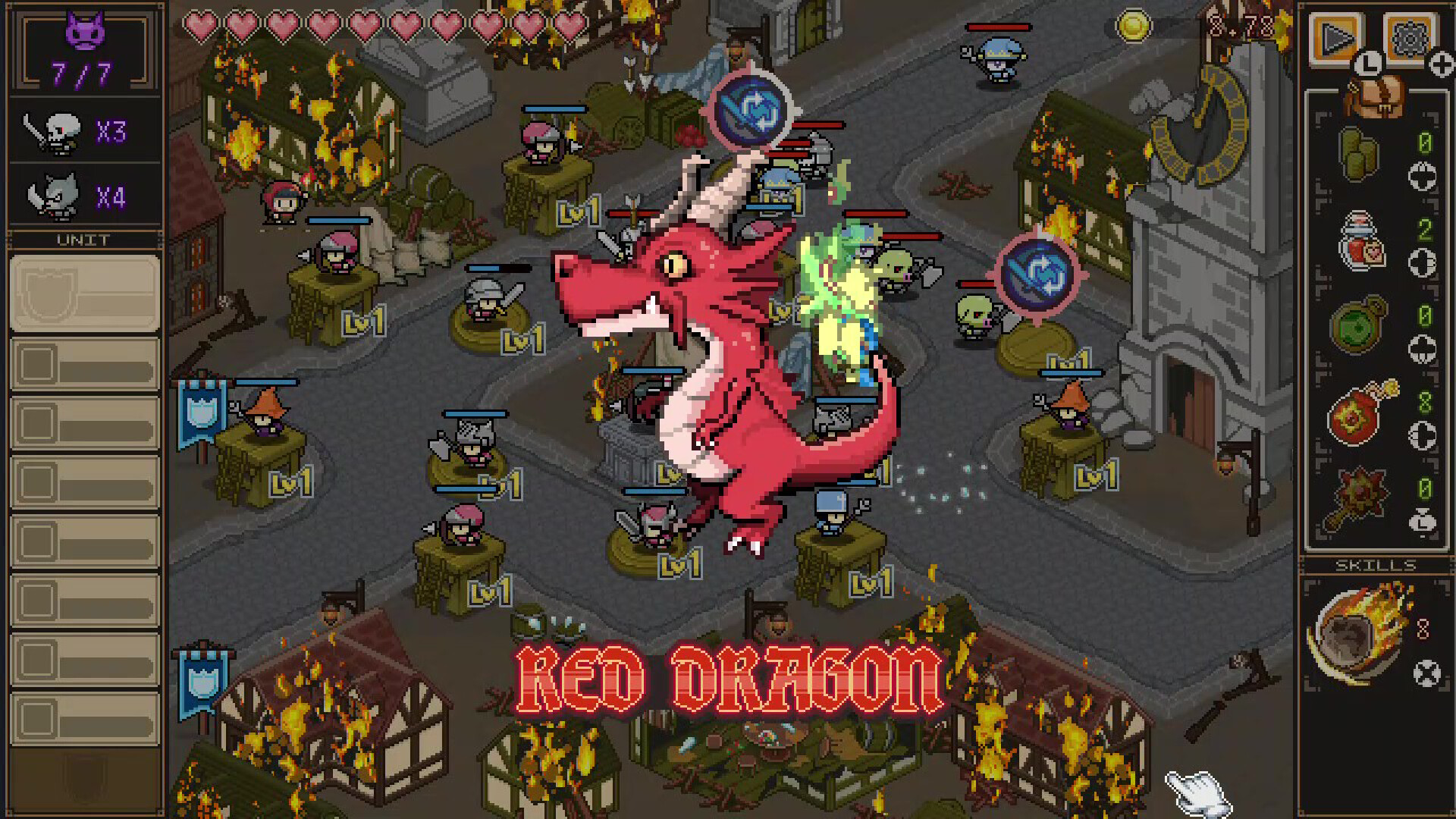
EX skills add active timing. The announced examples include meteor strikes and barriers. This layer is important because fixed-route defense can become overly passive once the correct formation is built. A limited active ability creates decisions during the wave: rescue a weak lane now, or save the cooldown for the boss.
Single-use items provide another safety valve. The official description says they can damage all enemies or heal the team when a stage is close to failure. This could make the genre friendlier to newcomers, but item economy will matter. Generous, earnable rescues can support experimentation; scarce or aggressively monetized rescues can undermine trust. No monetization model or price was disclosed, so stronger claims would be speculation.
What differentiates the design
The more-than-60-unit roster is the headline content promise, but quantity alone is not differentiation. The useful question is whether silhouettes, attack cadence, range, targeting, status icons, and role colors make those units readable on a crowded screen. Pixel art can help by enforcing a shared scale, but dense effects can still obscure lane state.
Three difficulty settings—Normal, Hard, and Challenge—offer a sensible way to reuse stages. Challenge mode is said to add special restrictions, which can force different rosters instead of merely increasing enemy health. That is more valuable than a numerical difficulty slider if the restrictions alter priorities and make underused units relevant.
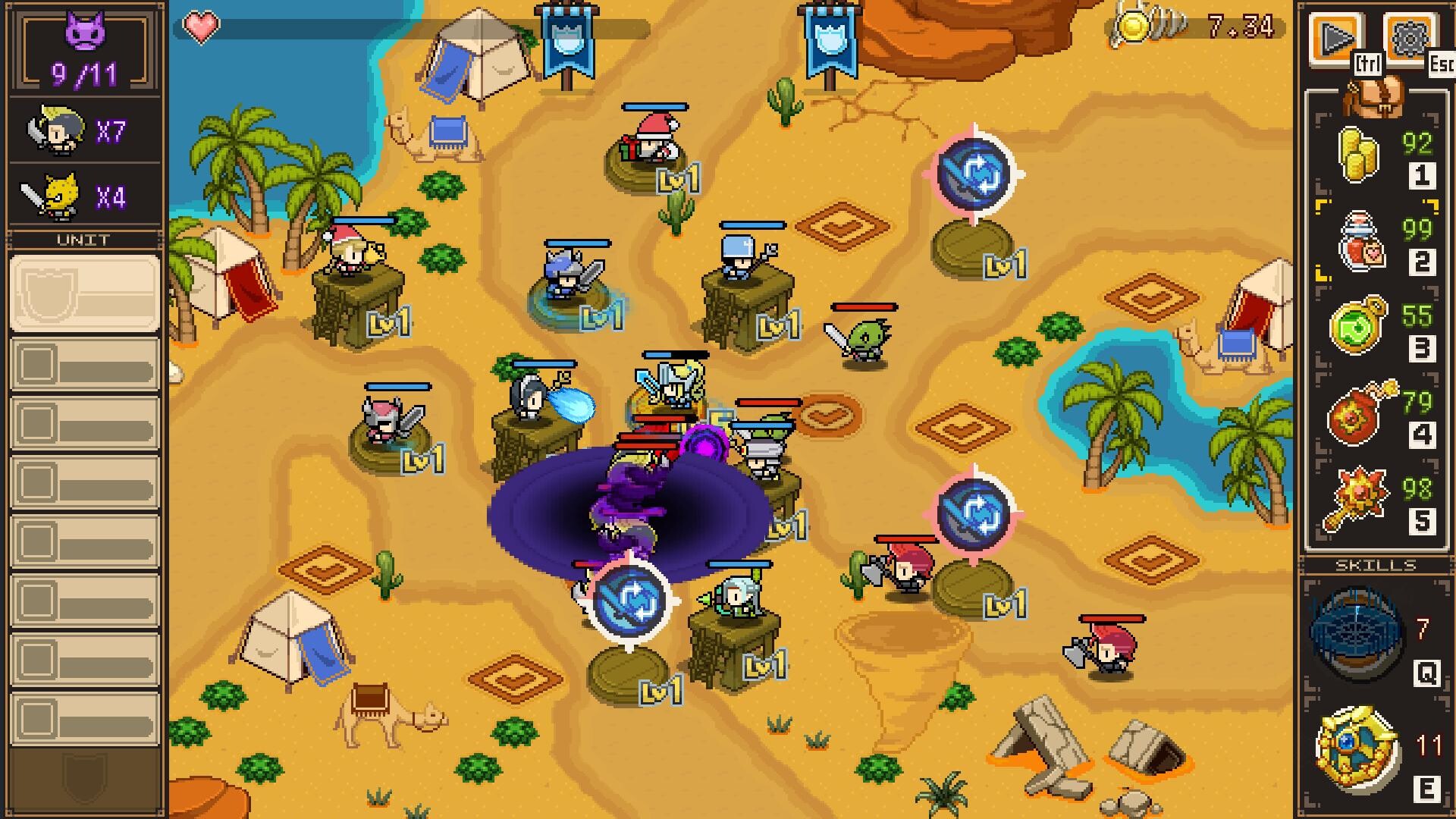
City streets, grasslands, deserts, and other locations create visual variety. The production-efficient opportunity is to keep rules legible while changing route shapes, spawn pressure, obstacles, and boss mechanics. If biomes are only background swaps, the 60-unit roster will carry too much of the game's variety burden.
Verified market snapshot
At the September 17 check:
- the official Steam app ID was 4059620;
- Steam listed the game as coming soon for Windows;
- the Steam page displayed November 30, 2026, while announcement coverage reported December 1;
- One or Eight was listed as both developer and publisher;
- more than 60 units, three difficulty levels, EX skills, and consumable items were announced;
- a PC demo was promised for the near future;
- there were no public reviews, concurrent players, sales, wishlists, price, or demo-retention figures.
Because every commercial metric is missing, the correct market classification is announcement signal, not launch analysis. The game earned article coverage and has a readable hook. It has not yet demonstrated demand or satisfaction.
Community reaction and its limits
There is no defensible review pattern to summarize. The game is not released, and the sources available at publication are the official store material, the announcement trailer, and news reports repeating the supplied feature overview. Treating a few comments or social reactions as audience consensus would exaggerate a tiny, self-selecting sample.
The upcoming demo is therefore the first meaningful test. Useful public signals will include whether players can read the screen without pausing, whether multiple unit combinations clear the same stage, whether item use feels optional rather than mandatory, and whether Challenge restrictions create strategy instead of frustration.
Meaning beside competitors
Bloons TD and Kingdom Rush set a high bar for route readability, upgrade identity, and escalating wave design. Arknights shows how character collection and stage constraints can generate long-term planning, but it also depends on a large live-service content machine. PixelHeroScramble Plus appears closer to a premium compact package, although price and monetization remain unannounced.
For a small developer, the fixed-route structure is practical. It avoids free-moving enemy AI, complex level navigation, and a large explorable world. Resources can go into unit roles, effects, bosses, and stage puzzles. The cost risk moves into balance: 60 units create a large matrix of interactions, and superficial variants will not support the roster promise.
Who should wishlist and who should wait
Wishlist it if you enjoy route-based tower defense, readable pixel rosters, and active skills layered over formation planning. The planned demo makes waiting inexpensive. Try that demo before assuming the unit count guarantees depth.
Wait for hands-on evidence if monetization, campaign length, controller interface, performance on Switch, or difficulty balance determines your purchase. None of those questions can be answered from the announcement. Players who prefer free placement, base building, or competitive modes should also confirm the final feature set.
IndieGame.party verdict
PixelHeroScramble Plus has a disciplined pitch and a production model that could work well for a focused team. Fixed routes make the game readable; unit roles, EX timing, items, and challenge rules provide several levers for depth without requiring an enormous world.
Our verdict is promising announcement, unproven market. The next milestone is not another trailer. It is a public demo that shows whether 60 units create meaningful choices, whether battles remain legible under pressure, and whether rescue items support learning without replacing strategy.
Data and image sources
- Official Steam store and app data: https://store.steampowered.com/app/4059620/PixelHeroScramble_Plus/
- Nintendo Everything announcement, September 17, 2026: https://nintendoeverything.com/pixelheroscramble-plus-announced-for-nintendo-switch/
- Gematsu announcement, September 17, 2026: https://www.gematsu.com/2026/09/pixel-art-tower-defense-game-pixelheroscramble-plus-announced-for-switch-pc
- Official announcement trailer linked by the sources: https://www.youtube.com/watch?v=nkfeFzcNC7Y
- All four images are official Steam store assets, © One or Eight, downloaded locally from the official listing on September 17, 2026 for identification, reporting, and criticism without compositing or material alteration.