Order of the Sinking Star Preview: A Thousand-Puzzle Campaign Tests Puzzle-Game Scale
Order of the Sinking Star is due October 8 with an unusually large promise: more than 1,000 hand-crafted puzzles, four interlocking worlds, multiple playable heroes, and mechanics derived from several acclaimed independent puzzle designs. At 1:20 p.m. Malaysia time on October 5, it appeared twenty-fifth in Steam's checked Popular Upcoming list.
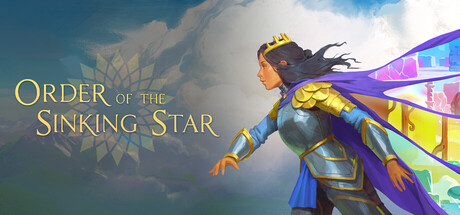
Order of the Sinking Star is due October 8 with an unusually large promise: more than 1,000 hand-crafted puzzles, four interlocking worlds, multiple playable heroes, and mechanics derived from several acclaimed independent puzzle designs. At 1:20 p.m. Malaysia time on October 5, it appeared twenty-fifth in Steam's checked Popular Upcoming list.
That position is the current momentum signal. It is not a disclosed wishlist count, and the unreleased game had no public reviews or valid current-player figure. This is a prelaunch market analysis grounded in the official store and developer materials, not a hands-on review.
Why It Is Visible Now
The game arrives nearly a decade after The Witness and carries director Jonathan Blow's name, but the more useful signal is the design lineage disclosed on the store page. Thekla credits foundational ideas from Alan Hazelden's Skipping Stones to Lonely Homes and Mirror Isles, Sean Barrett's Promesst series, and Jonah Ostroff's Heroes of Sokoban games, plus contributions from designers associated with Patrick's Parabox, Miegakure, and other puzzle work.
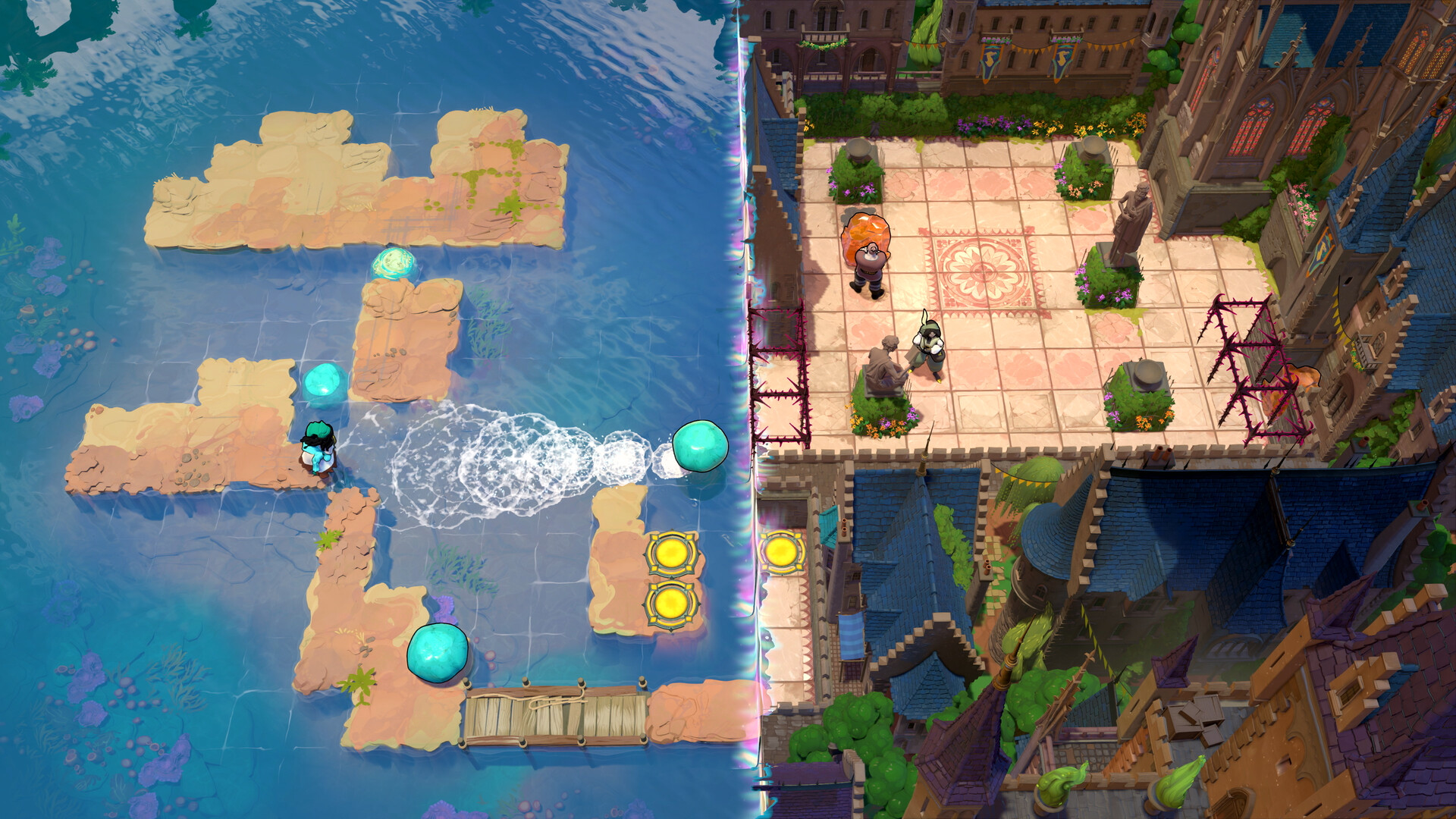
That provenance sets an expectation different from a conventional sequel. Order of the Sinking Star is framed as a “game design supercollider”: initially distinct rule systems and characters eventually meet, allowing mechanics to combine. The promise is not merely a high puzzle count; it is compositional growth.
Genre, Platform, and Release Status
Steam lists a Windows-only single-player adventure, indie, and strategy game for October 8. Features include achievements, full controller support, Steam Cloud, and family sharing. No demo appeared in the checked app-data response, and the public review endpoint returned zero reviews.
The store description says there are four worlds, more than 1,000 puzzles, dozens of mechanics, multiple heroes, and hundreds of hours of potential play. These are publisher and developer claims about the content. Until independent players reach later systems, they do not establish how many puzzles are essential, how much is optional, or how consistently the campaign teaches and recombines its rules.
Thekla is the developer; Arc Games and Gamirror Games are listed as publishers. Buyers should verify the live price, language support, system requirements, and any launch-day accessibility information on the store.
The Core Loop
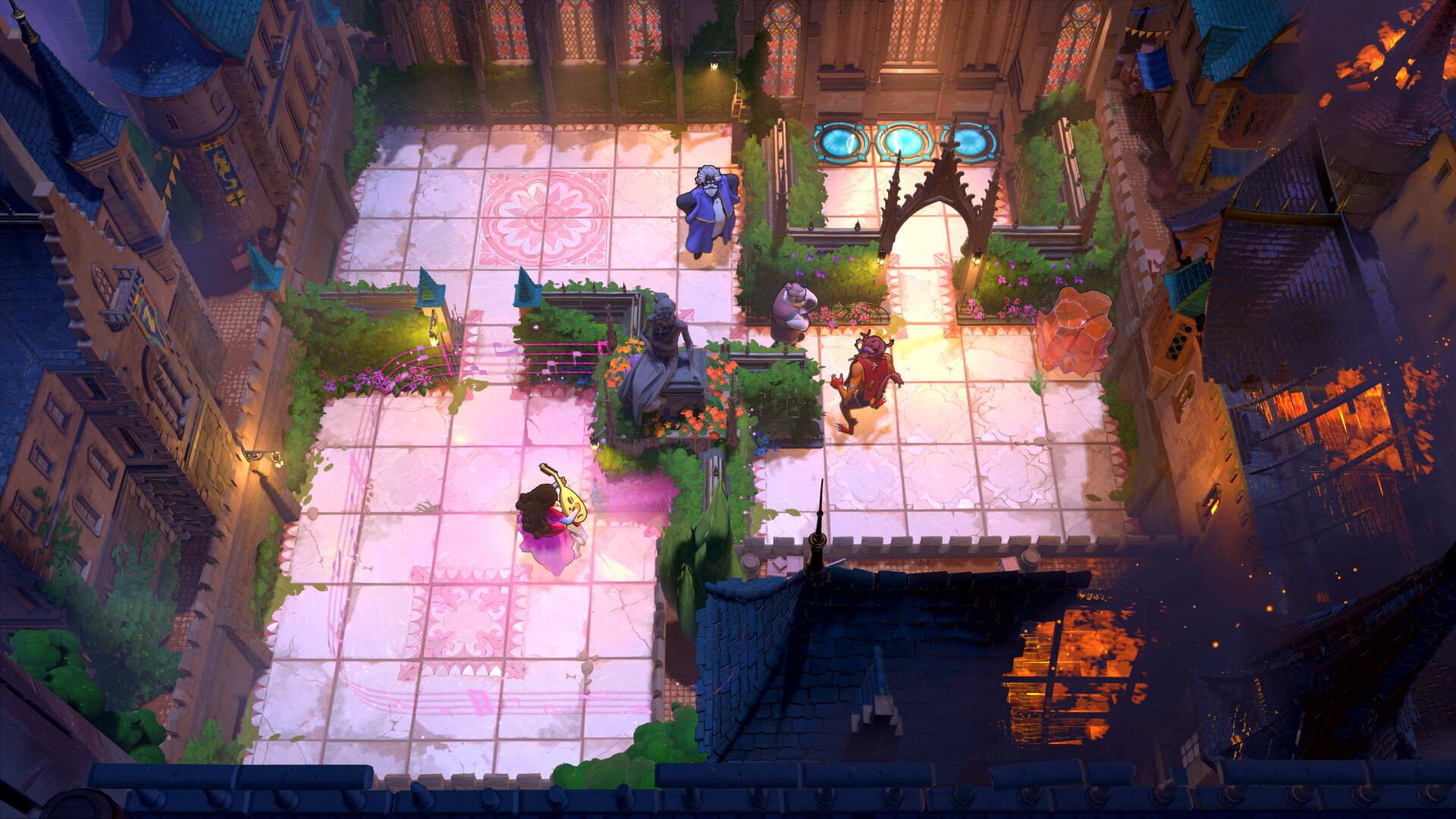
Players explore worlds at their own pace, solve local puzzles, encounter characters with different abilities, collect notes, and return to challenges as their understanding expands. The official material names a queen, thief, warrior, wizard, and talking boat among the playable cast.
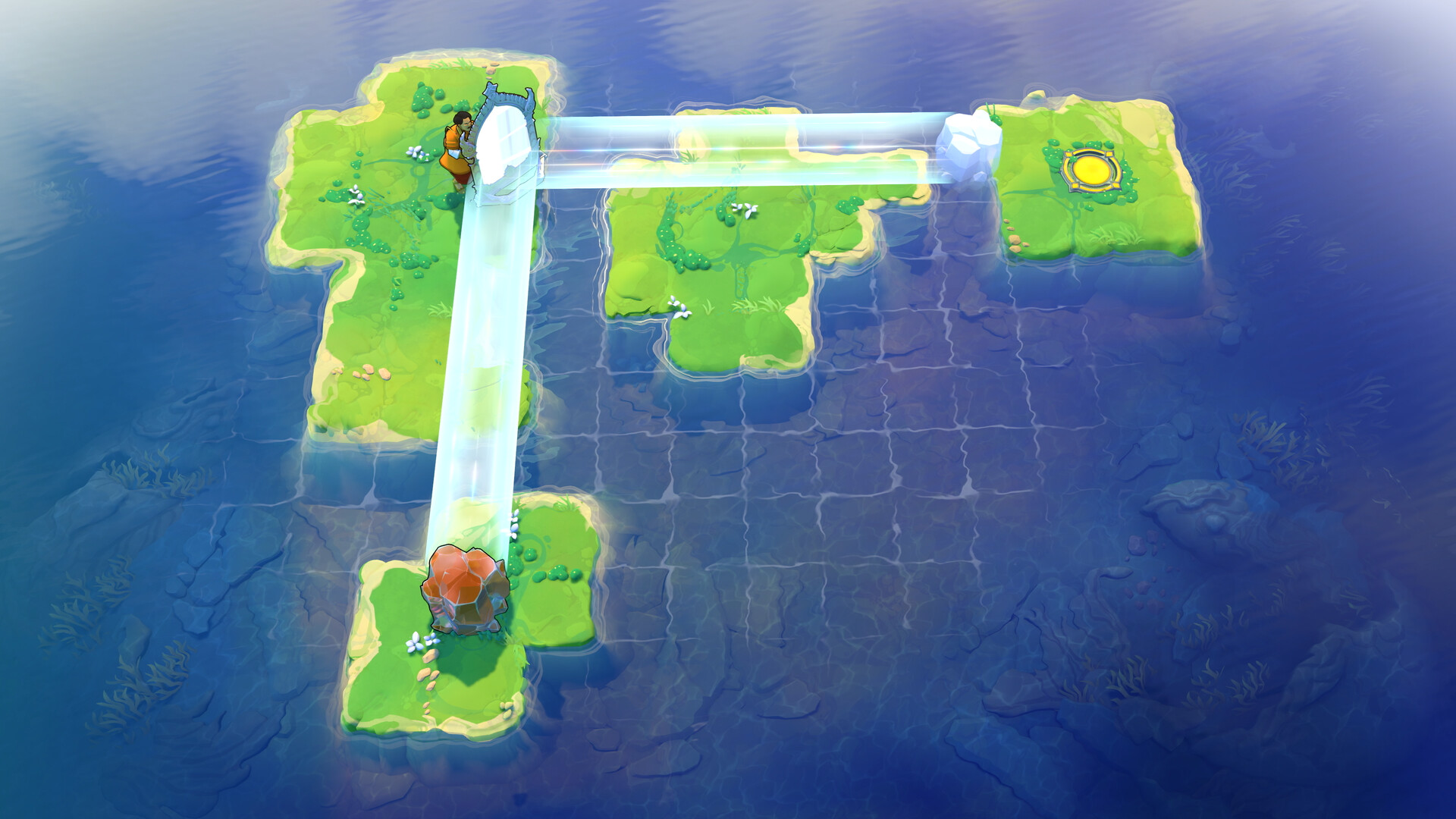
The core loop appears to be learn a rule → solve variations → change character or world → revisit assumptions → combine rule sets. A large puzzle game remains interesting when each solved cluster changes the player's mental model. Raw quantity cannot substitute for that progression.
The open structure can reduce frustration by allowing a player to leave a difficult problem and work elsewhere. It can also create navigation and memory burdens. With four worlds and a thousand puzzles, maps, notation, completion markers, hints, and the visibility of prerequisite knowledge become central usability systems, not secondary conveniences.
Market Signal and Review Evidence
The current evidence is prelaunch-only: Popular Upcoming rank 25, an October 8 date, official product material, and no review sample. Steam does not publish the ranking formula or private demand figures. No sales, preorder, wishlist, or completion claim is inferred.
Because there are zero public reviews, there is no legitimate positive-versus-negative pattern to report. Post-launch analysis should state sample size and separate reactions from expert puzzle players and broader audiences. Useful recurring themes will include teaching quality, hint design, late-game recombination, interface friction, controller support, performance, narrative motivation, and whether the huge puzzle count creates discovery or fatigue.
The absence of a demo increases uncertainty. The game may be mechanically elegant and still be a poor fit for someone who dislikes Sokoban-like spatial planning, multi-stage deductions, or very long campaigns. Video can show rules but cannot fully convey the effort of solving them.
Competitors and Positioning
The closest comparisons are not based on art style. The Witness establishes expectations for environmental structure and layered rule learning. Patrick's Parabox demonstrates recursive mechanic escalation. Baba Is You shows how rule combination can produce surprising consequences. Stephen's Sausage Roll represents tightly constructed spatial difficulty. The credited source games supply more direct mechanical ancestry.
Order of the Sinking Star differentiates itself through scale and convergence: several worlds and hero abilities are intended to collide. The advantage is breadth without resorting to procedurally generated filler. The risk is that a campaign measured in hundreds of hours may outrun the number of genuinely distinct insights.
The correct competitive question is not “Does it have more puzzles?” It is “How often does it teach a new way to think, and how well does it help a player recover when that thinking fails?”
Audience Fit and Purchase Cautions
This is for players who want a long, difficult, authored puzzle campaign and enjoy leaving problems unresolved while exploring elsewhere. The disclosed design lineage is especially relevant for fans of grid puzzles, character-specific rules, and systems that combine late.
Wait for reviews if you need a strong hint system, concise campaign, broad accessibility options, or confirmation that controller navigation remains comfortable across a large map. Verify whether the launch build supports the language and input method you need. If you have not enjoyed the credited foundational games or Thekla's prior work, the high puzzle count should be treated as a warning rather than automatic value.
Editorial Verdict
Order of the Sinking Star is the day's most ambitious design proposition, but ambition is not yet evidence of pacing or accessibility. The disclosed influences and authored scale justify attention. The lack of a demo and review sample justify patience. For dedicated puzzle players it is a strong watchlist; for everyone else, wait for launch coverage that reaches beyond the opening worlds.
Sources and Image Rights
- Official Steam store: https://store.steampowered.com/app/499170/
- Official Steam app data: https://store.steampowered.com/api/appdetails?appids=499170
- Official game site: https://www.orderofthesinkingstar.com/
- Steam Popular Upcoming: https://store.steampowered.com/search/?filter=popularcomingsoon&category1=998
- Steam public review endpoint: https://store.steampowered.com/appreviews/499170?json=1&language=all&purchase_type=all
- Evidence checked October 5, 2026 at 1:20 p.m. MYT. Momentum signal: rank 25 in the checked Popular Upcoming result; zero public reviews and no private demand metric claimed.
- Image rights: hero and three screenshots are official store assets supplied by Thekla, Arc Games, and Gamirror Games, downloaded locally for identification, reporting, and criticism; no compositing or semantic alteration. © the listed rights holders.