Nightwater Makes Automation Feel Like an Island Survival Puzzle
Nightwater is visible today because it has a clear niche and enough early public data to separate it from the usual sea of small automation releases. At 12:34 p.m. Malaysia time on September 20, 2026, Steam's official endpoints showed 384 current players and 55 all-language public reviews: 47 positive and eight negative, or 85.5% positive. Steam labels the result Very Positive, and the store showed a 10% launch discount from US$14.99 to US$13.49.
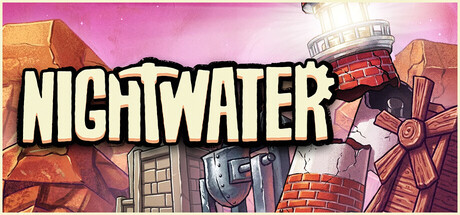
Nightwater is visible today because it has a clear niche and enough early public data to separate it from the usual sea of small automation releases. At 12:34 p.m. Malaysia time on September 20, 2026, Steam's official endpoints showed 384 current players and 55 all-language public reviews: 47 positive and eight negative, or 85.5% positive. Steam labels the result Very Positive, and the store showed a 10% launch discount from US$14.99 to US$13.49.
Those figures do not make Nightwater a mass-market breakout. They do show a credible early audience for a paid, single-player automation game released on September 18. This article is market analysis, not a hands-on review, and it treats Steam reviews and concurrency as public signals rather than sales data.
Why Nightwater is visible now
The official Steam pitch is easy to understand: forage, craft, automate, expand an island, unlock technologies, move through historical eras, and investigate the Lighthouse that frames the game's reality. That combination puts Nightwater near the current appetite for cozy factory games, incremental progression, and survival-lite resource loops.
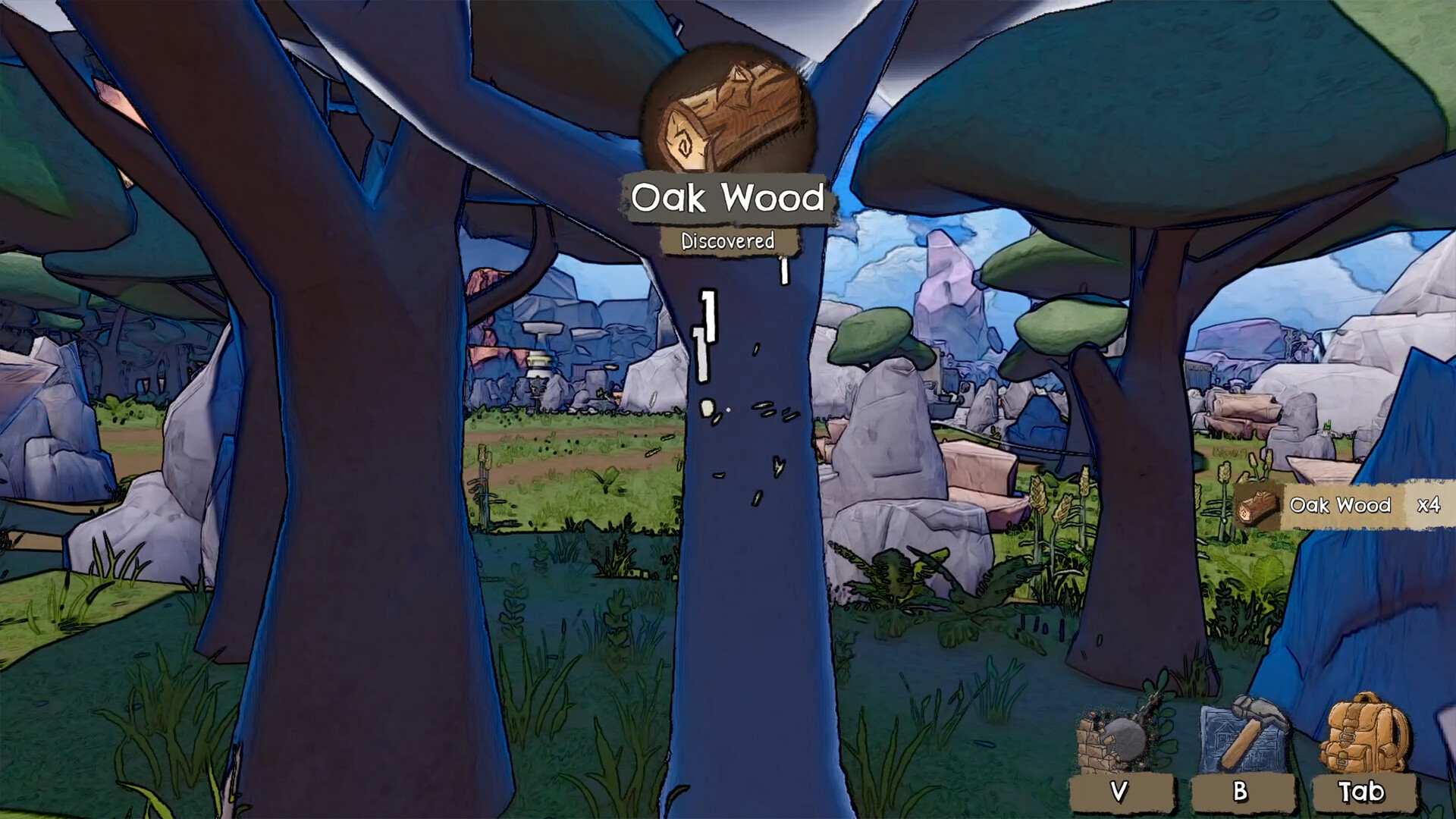
The timing also helps. Automation has become a broad indie category, but many entries either lean into hardcore factory planning or into idle clicking. Nightwater's first public signal suggests it is finding players who want something smaller, friendlier, and more exploratory. A few hundred current players is meaningful for a focused new release when paired with 55 reviews and a positive ratio above 85%.
The early evidence is still narrow. Fifty-five reviews clear the site's minimum gate, but they are not enough to call the game settled. A few additional negative reviews could move the percentage quickly. The right framing is "promising launch signal," not "proven hit."
Genre, platform, and release state
Steam lists Nightwater as a Windows game from Studio Ashty, published by Studio Ashty and Irox Games. The official API categorizes it under adventure, casual, indie, simulation, and strategy, while the store tags emphasize open-world automation, resource management, incremental progression, idling, crafting, and sandbox play.
The September 18 release date places the current signal within the launch window. That matters because many automation games grow through demo familiarity and creator recommendations, but they can also lose attention quickly if the midgame becomes repetitive. Nightwater's next week will reveal whether its current player base keeps returning after the first technology tiers.
The core loop and differentiation
Nightwater's loop begins with manual collection. Players gather resources, craft tools and structures, and gradually replace repeated labor with machines. The island expands as new biomes and technologies open. The official description points to age progression, from simple tools into later industrial and future systems, with the Lighthouse acting as a longer-term narrative target.
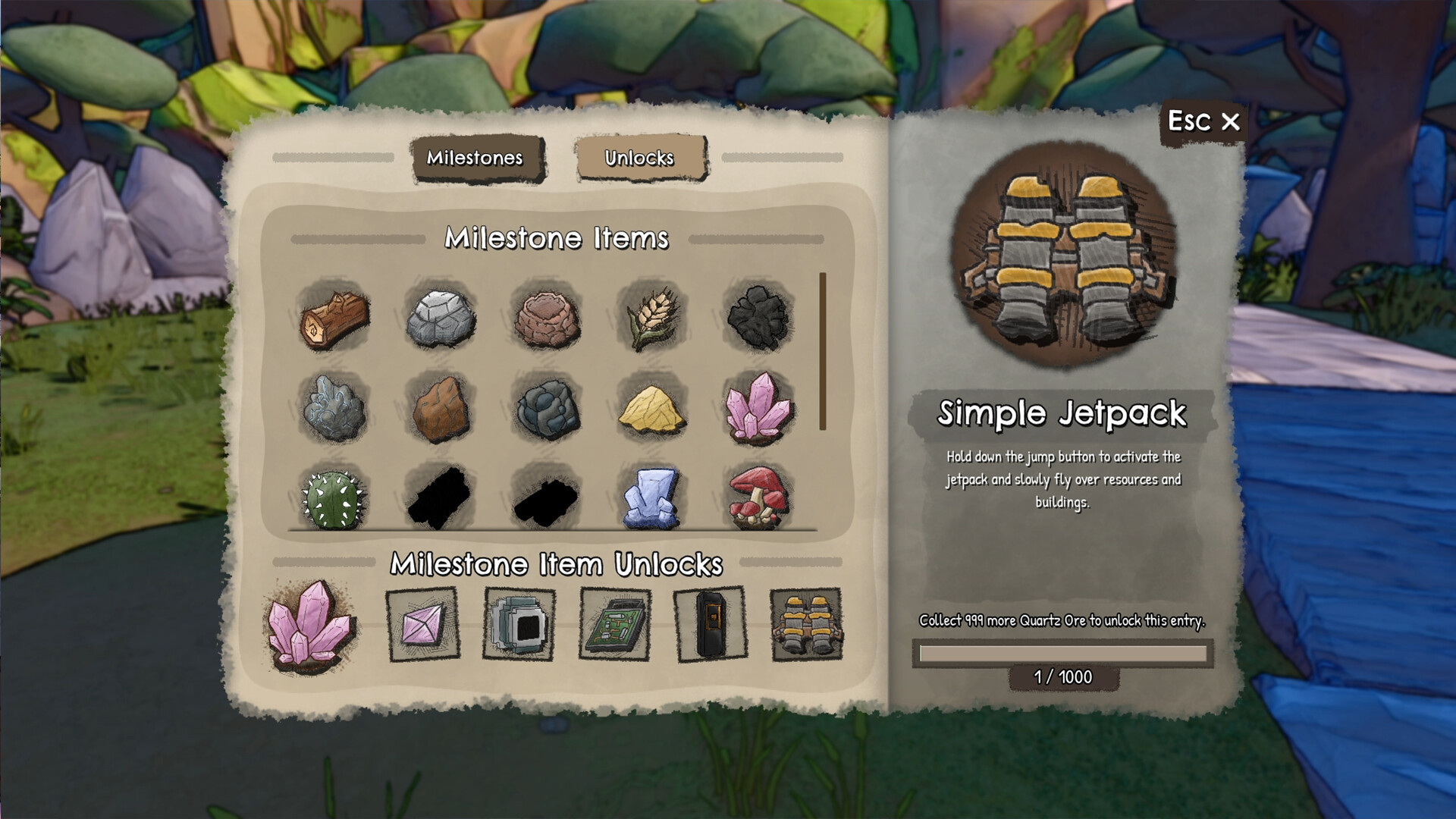
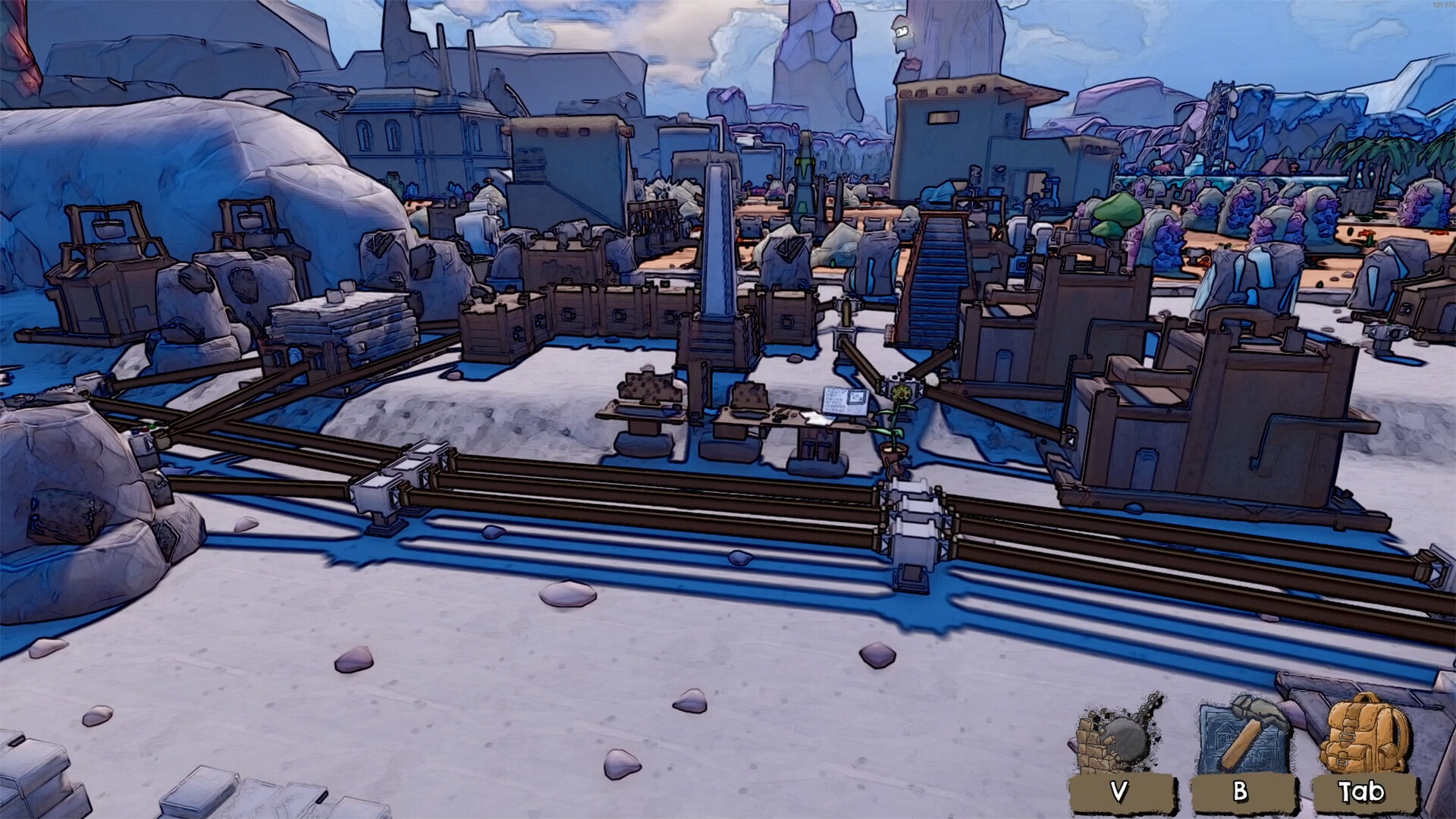
The differentiation is not that Nightwater invented automation. It is that the automation is wrapped in a compact, readable island structure. A player is not just optimizing a distant factory grid. They are walking through a place, placing systems, and unlocking new layers of the island. That can make early progression feel more personal than a pure production spreadsheet.
The risk is the same one every approachable automation game faces. If machines are too simple, the loop becomes a checklist. If logistics become clunky, a relaxed game turns into walking friction. The recent review sample suggests both sides are already visible: players enjoy the chill building and upgrade flow, but some call out clunky piping, resource milestone problems, and control friction.
Current market signal
The verified Steam snapshot at 12:34 p.m. MYT on September 20 showed:
- 384 current Steam players;
- 55 all-language public reviews across purchase types;
- 47 positive and eight negative reviews;
- 85.5% positive sentiment;
- Very Positive public label;
- US$13.49 launch price after a 10% discount.
Steam does not publish copies sold, revenue, wishlist conversion, refund rate, or completion rate. The 384-player count is a momentary activity signal, not a peak or retention curve. The review count is useful because it confirms more than a handful of players are responding publicly, but it remains an early sample.
Review themes: praise and complaints
The 34 recent English-language reviews returned during the check contained 29 recommendations and five non-recommendations. The most repeated praise centers on a calm automation loop, cute presentation, steady upgrades, and the pleasure of building outward. Automation language appeared often in the sample, while several reviews described the game as relaxing, simple, fun, or addictive.
The strongest positive theme is expectation fit. Players who approach Nightwater as a lighter automation and incremental game appear happier than those expecting a dense Factorio-like logistics challenge. That distinction should be explicit for buyers. Nightwater's market lane looks closer to approachable island progression than to brutal production optimization.
The complaints are concrete enough to matter. Recent reviewers mention clunky piping, walking back and forth to reach machine inputs and outputs, control roughness, short length, balance concerns, and at least one milestone issue involving copper ore from a primitive crusher. Some of those are fixable quality-of-life problems. Others, such as total content length, affect whether the launch price feels right after the first sessions.
Competition and market meaning
Nightwater competes with automation games, survival-crafting games, cozy resource managers, and incremental factory toys. Against hardcore factory games, its advantage is friendliness. Against pure idle games, its advantage is place and manual presence. Against survival games, it seems less focused on threat and more focused on accumulation, technology, and island transformation.
The clearest comparison point is the group of small first-person or top-down automation games where the player begins by doing everything manually, then builds systems that make the island run without constant clicking. Nightwater's Lighthouse and age progression give that structure a narrative and historical arc. That can help players understand why they are unlocking new machines beyond simply making numbers rise.
The market lesson is that automation games do not need to out-complex the largest factory titles to find an audience. They need a specific rhythm and a promise that the player can picture. Nightwater's promise is an island that starts in manual survival and gradually becomes a self-running technological place.
Buyer caution
Nightwater is a reasonable buy for players who want a relaxed automation game, gradual resource expansion, light exploration, and visible island growth. It is especially suitable for people who find heavier factory games intimidating but still like turning repeated labor into systems.
Wait if you need deep logistics, long endgame depth, multiplayer, or highly polished quality-of-life design. The review pool is positive but small, and recurring comments about controls and piping should not be ignored. Buyers sensitive to short campaigns should watch for later content updates or more long-playtime reviews.
IndieGame.party verdict
Nightwater is a promising niche launch rather than a proven automation staple. Its current-player count and 85.5% positive review share show real early traction, and the official pitch is coherent. The best evidence is that positive reviews repeatedly describe the same experience the store sells: chill gathering, building, upgrading, and automation.
Our verdict is recommended for light automation fans who value atmosphere over industrial depth, with a wait-and-watch caution for players who need polished logistics and a long endgame.
Data and image sources
- Official Steam store page: https://store.steampowered.com/app/3983860/Nightwater/
- Steam public review summary: https://store.steampowered.com/appreviews/3983860?json=1&language=all&purchase_type=all
- Steam current-player endpoint: https://api.steampowered.com/ISteamUserStats/GetNumberOfCurrentPlayers/v1/?appid=3983860
- Steam metrics checked September 20, 2026 at 12:34 p.m. MYT.
- The hero image and three screenshots are official Steam store assets for Nightwater, © Studio Ashty and Irox Games, downloaded locally from the official listing on September 20, 2026 for identification, reporting, and criticism. They are not hotlinked, composited, or materially altered.