Japanese Ramen Simulator Preview: Six-Player Kitchen Logistics Before Early Access
Japanese Ramen Simulator is scheduled for October 9 with a clear operational fantasy: prepare ingredients, cook noodles, arrange toppings, design the kitchen and dining room, and grow a restaurant alone or with as many as six players. At 1:33 p.m. Malaysia time on October 6 it ranked fifth in the checked Steam Popular Upcoming list.
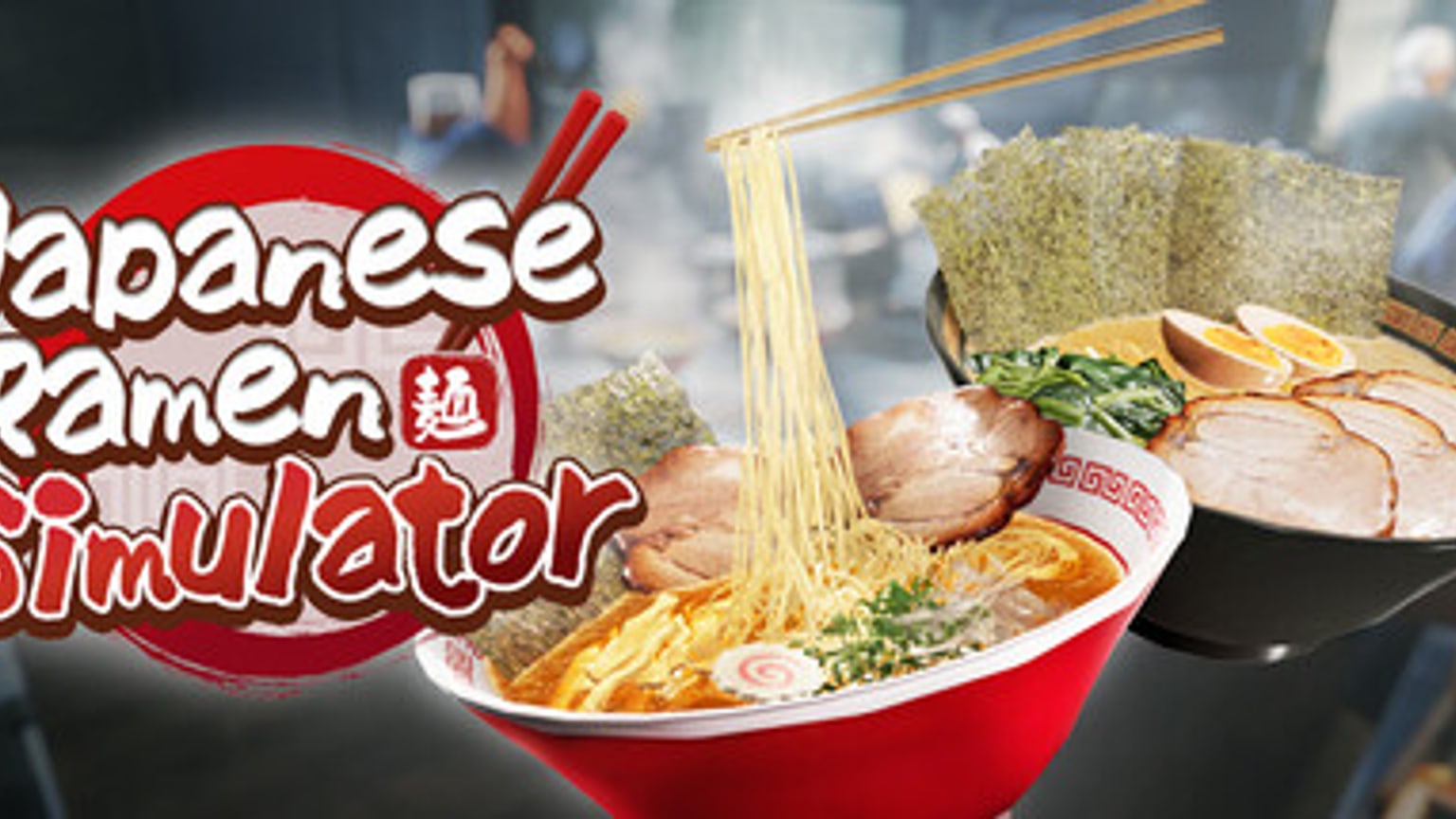
Japanese Ramen Simulator is scheduled for October 9 with a clear operational fantasy: prepare ingredients, cook noodles, arrange toppings, design the kitchen and dining room, and grow a restaurant alone or with as many as six players. At 1:33 p.m. Malaysia time on October 6 it ranked fifth in the checked Steam Popular Upcoming list.
That is the strongest pre-release storefront signal in today's small-game set. It is not a disclosed wishlist count. The game had no public reviews, no valid current-player number, and no demo entry in the official app data. This is a pre-release market analysis, not a hands-on preview.
Why it is visible now
The concept combines two proven discovery loops. Cooking games create time pressure and visible mistakes; shop simulators turn each service into money that changes the next service. Ramen adds a process players already understand visually—broth, noodles, ingredients, toppings, serving—while leaving room for customization.
The six-player promise expands the social spectacle. One person can prep, another boil noodles, another assemble bowls, and others handle service or redesign. That division can generate clips of efficient teamwork or cascading failure. It also creates a demanding networking and interface problem.
Rank five on Popular Upcoming indicates strong relative visibility close to release. Steam does not reveal how much came from wishlists, page traffic, release timing, regional preferences, or recommendation placement. No sales estimate is appropriate.
Genre, platform, and release status
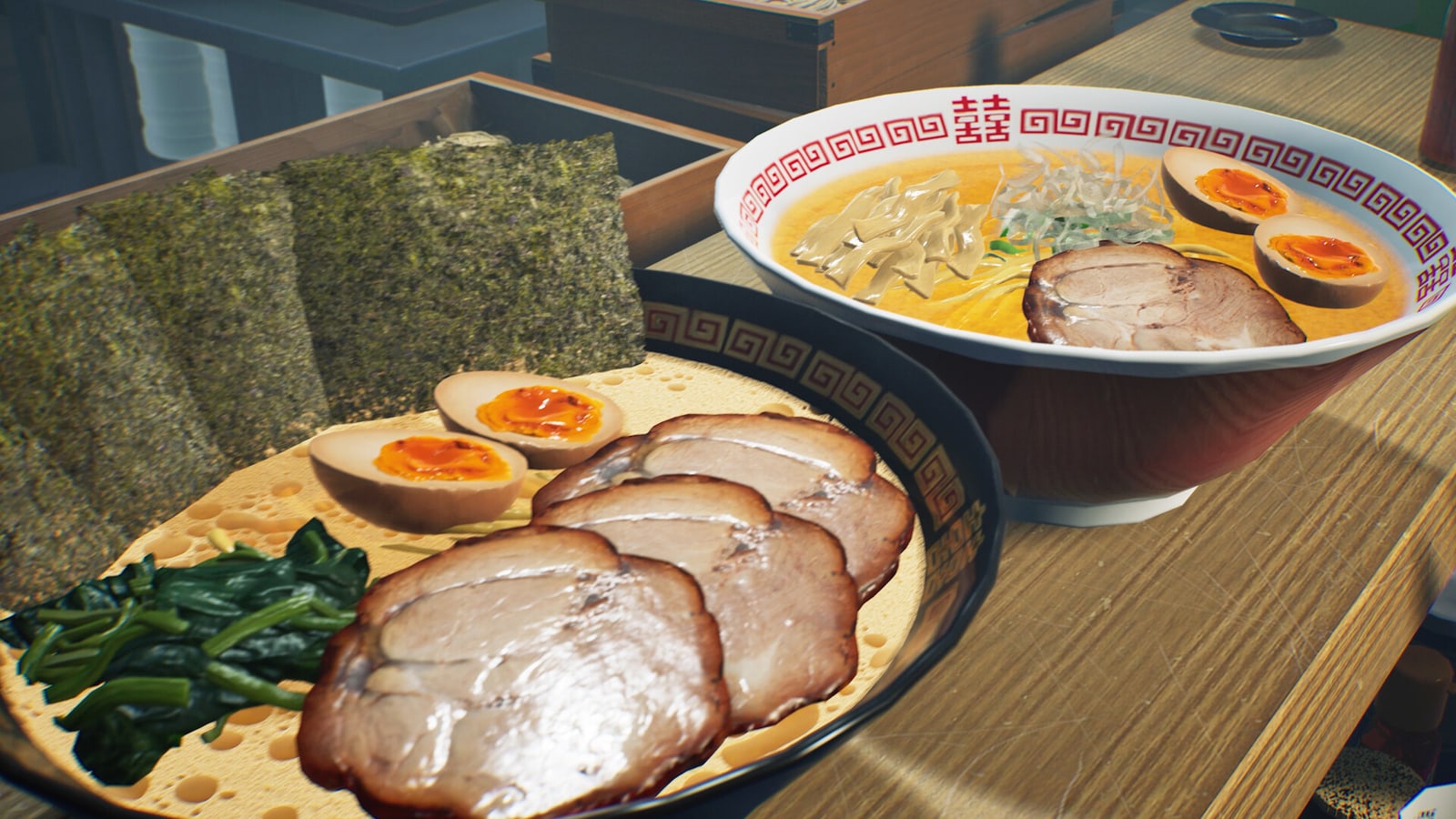
Steam lists the game for Windows under Casual, Indie, Simulation, and Early Access. Wild Dog is the developer and publisher. The app data gave an October 9 date and still marked it coming soon. No separate demo app appeared in the checked data.
Early Access can fit a management simulator because recipes, equipment, layout, customer behavior, and multiplayer balance can expand through feedback. It also makes scope disclosure essential. Buyers should verify which systems are present on day one, whether online play supports drop-in recovery, how progress is hosted, and what the studio plans to add.
The product page should also state language support, controller behavior, accessibility, and whether a solo player can automate or simplify stations designed for a group. “Up to six” is not evidence that every group size is equally enjoyable.
The core loop and differentiation
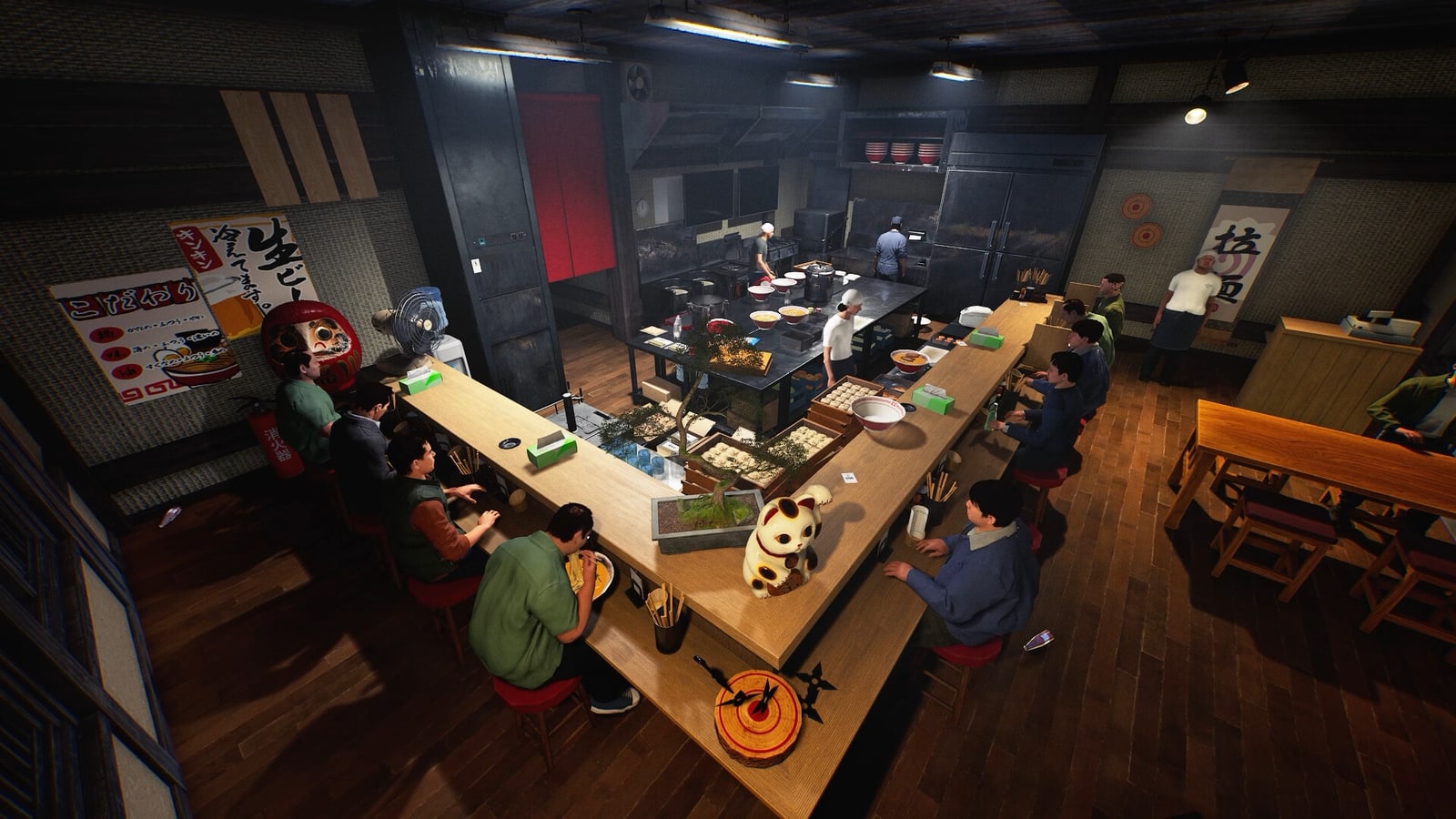
The proposed loop is buy and prepare ingredients → cook and assemble bowls → serve customers → earn money → improve menu, equipment, layout, and décor → handle a more demanding service. The important design bridge is that kitchen construction changes cooking efficiency. Counter distance, queue placement, storage, and station order should affect throughput rather than serve as decoration alone.
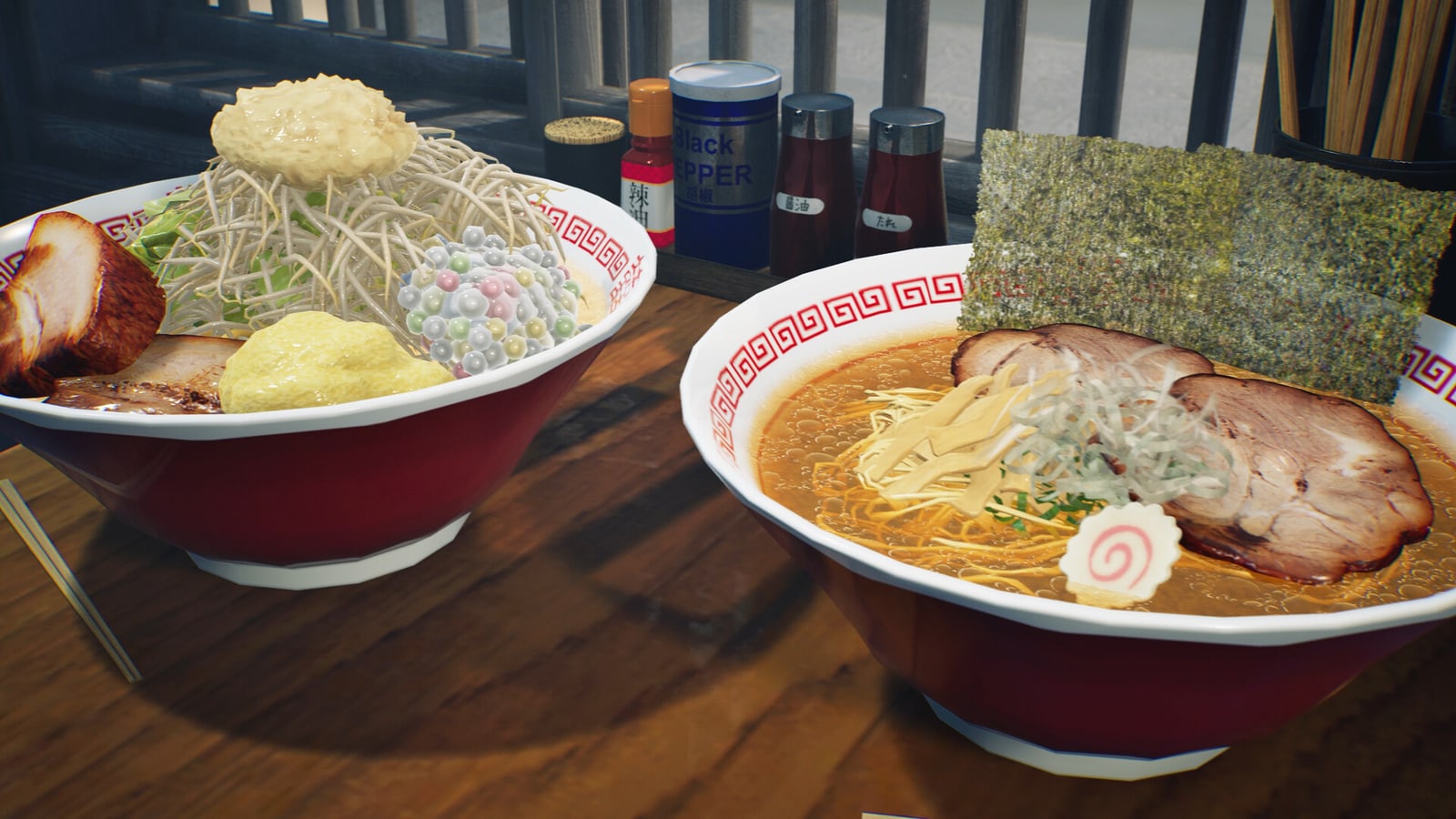
Ramen customization can add a second bridge. Original bowls can be a creative system if ingredients meaningfully affect demand, cost, preparation time, and customer preference. If customization is only visual, the management layer may feel detached from cooking.
Co-op differentiation depends on roles. Six players need enough simultaneous useful work that the kitchen does not collapse into crowding. Stations should allow specialization while still requiring communication. A strong layout lets an experienced team shorten motion and protect bottlenecks; a weak layout merely gives everyone more furniture to collide with.
Market signal and review evidence
The verified evidence at publication is pre-release only:
- Popular Upcoming rank 5 in the checked result;
- an official October 9 date;
- planned Early Access status;
- Windows support;
- solo and up-to-six-player claims in official materials;
- zero public reviews, no valid current-player count, and no listed demo.
The first post-release audit should capture total and recent reviews, positive share, launch concurrency, price, patch notes, and whether reviews describe solo and multiplayer separately. Steam figures should be timestamped because launch-week numbers move quickly.
No recurring praise or complaint can be reported before reviews exist. When they do, useful categories will include networking, host migration, synchronization, controls, kitchen readability, recipe depth, queue behavior, progression pace, grind, and whether décor affects operations.
Competitors and positioning
Overcooked defines fast co-op cooking chaos but uses discrete levels and fixed kitchens. PlateUp! adds procedural restaurant runs, layout optimization, and roguelite progression. Restaurant simulators such as Chef RPG or more first-person shop games emphasize ownership and longer-term expansion. Japanese Ramen Simulator appears to place hands-on food assembly inside a persistent shop-design frame.
Its thematic specificity is an advantage. Ramen offers identifiable stages and visually attractive output. The risk is repetition: boiling and topping remain satisfying only if recipes, customer demands, equipment, layout constraints, and events change the decision rather than increase quantity alone.
The competitive question is whether the management system makes the cooking loop more strategic. A six-player kitchen is a marketing feature; a layout where six roles become legible is a design achievement.
Audience fit and purchase cautions
The strongest audience is a regular co-op group that enjoys process optimization and does not mind Early Access iteration. Solo management players may also fit if staffing, automation, or pacing works without human partners.
Wait if you need public reviews, a playable demo, verified controller support, polished matchmaking, or a complete progression arc. Before buying, confirm whether one player owns the save, whether all participants retain progress, and whether joining a session requires identical unlocks. Check the live price and roadmap rather than treating the October 9 date as a completeness promise.
Editorial verdict
Japanese Ramen Simulator has the strongest verified pre-release visibility of the three articles today and a coherent hybrid loop. It is a high-priority watchlist game, not yet a recommendation. Rank five earns attention; the absence of a demo and review sample demands patience. The launch will be convincing if players report that kitchen design, recipe economics, and role division reinforce one another across solo and multiplayer play.
Sources and image rights
- Official Steam store: https://store.steampowered.com/app/4968640/
- Official Steam app data: https://store.steampowered.com/api/appdetails?appids=4968640
- Official developer site: https://wilddog.jp/japaneseramensimulator
- Steam Popular Upcoming: https://store.steampowered.com/search/?filter=popularcomingsoon&category1=998
- Steam public review endpoint: https://store.steampowered.com/appreviews/4968640?json=1&language=all&purchase_type=all
- Evidence checked October 6, 2026 at 1:33 p.m. MYT. Momentum signal: rank 5 in the checked Popular Upcoming list; zero public reviews, no listed demo, and no valid current-player count.
- Image rights: hero and three screenshots are official Steam store assets supplied by Wild Dog, downloaded locally on October 6 for identification, reporting, and criticism; no compositing or semantic alteration. © Wild Dog.