Invokyr Prelaunch Preview: A Cursed Board Game Turns Co-op Horror Into Risk Management
Invokyr is scheduled to launch on October 8 with a playable Steam demo and a pitch that is easy to explain: a group is trapped in a house by a cursed 1970s board game, and every roll can summon a threat, trap, or curse. At 1:16 p.m. Malaysia time on October 4, it appeared fifteenth in Steam's public Popular Upcoming results for the checked region and category.
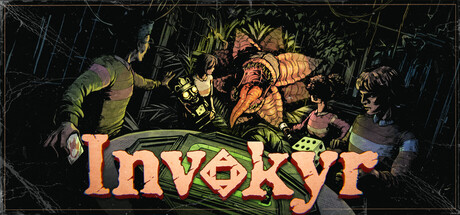
Invokyr is scheduled to launch on October 8 with a playable Steam demo and a pitch that is easy to explain: a group is trapped in a house by a cursed 1970s board game, and every roll can summon a threat, trap, or curse. At 1:16 p.m. Malaysia time on October 4, it appeared fifteenth in Steam's public Popular Upcoming results for the checked region and category.
This is a prelaunch market preview based on the official Steam page, store API, public discovery page, and developer site. It is not a hands-on review. The game had no released-product review summary or public player count at the check time.
Why It Is Visible Now
The Popular Upcoming placement gives Invokyr a dated storefront signal four days before release. It is not a wishlist number and cannot be translated into sales. Steam's ordering can vary by region, filters, and merchandising rules. The useful conclusion is simply that the game was visible among imminent releases on a major discovery surface.
The demo makes that visibility more actionable. Prospective players can test the tone, performance, communication burden, and compatibility of their group before buying. For a co-op horror game, that matters more than a trailer: the product depends on how rules generate conversation among players, not just on creature design.
Genre, Platform, and Release Status
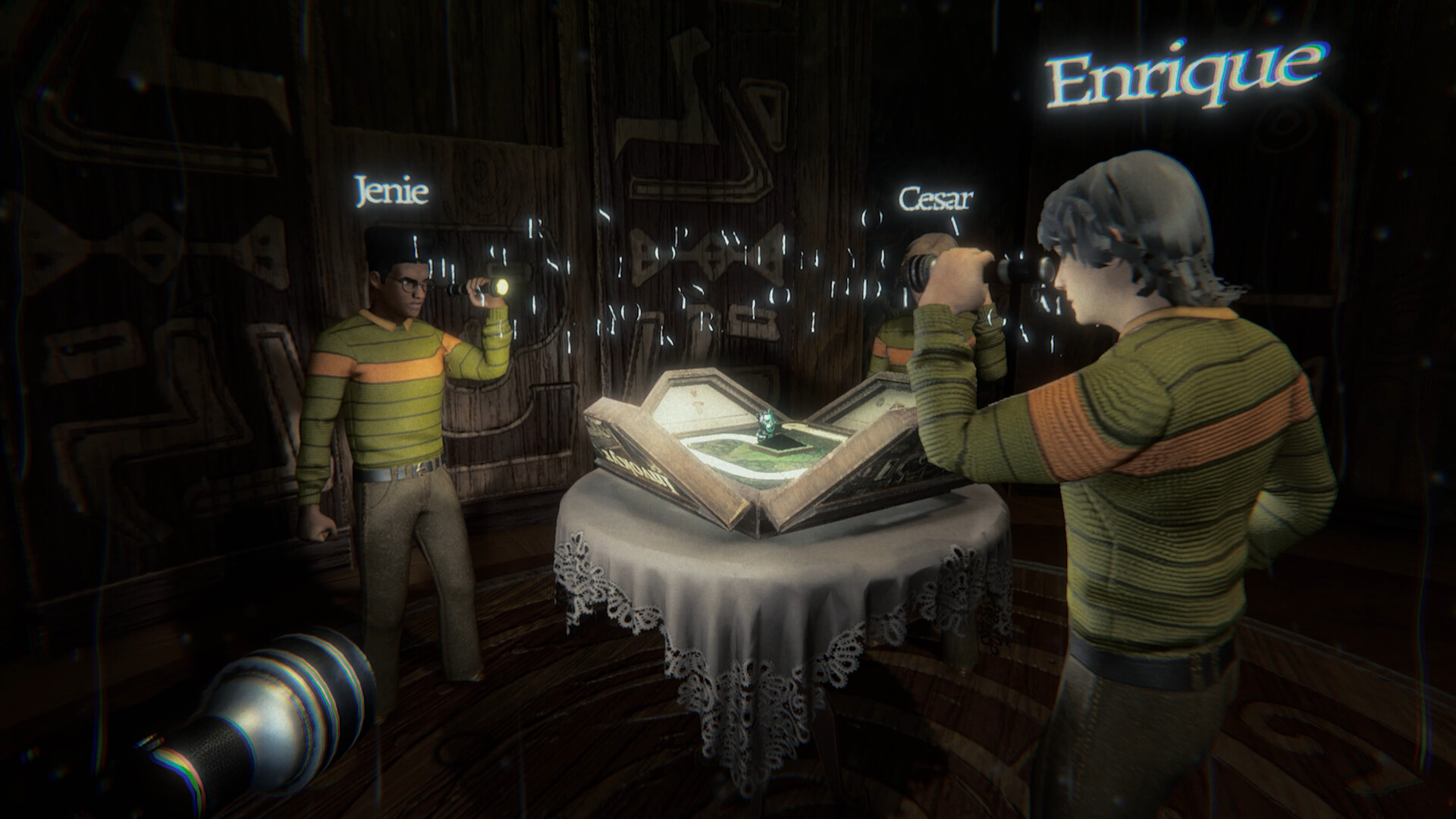
Ludogram is the developer; Ludogram and Shochiku are listed as publishers. The official listing supports Windows and describes single-player, multiplayer, and online co-op for as many as six players. Steam categorizes it as action, adventure, indie, simulation, free to play, and early access, while the store still shows an October 8 coming-soon date. Buyers should recheck the live page because launch format and price can change.
Accessibility fields on the current listing include adjustable text size, custom volume controls, subtitle options, stereo sound, and play without timed input. Those labels describe store-declared features rather than an independent accessibility audit.
The Core Loop
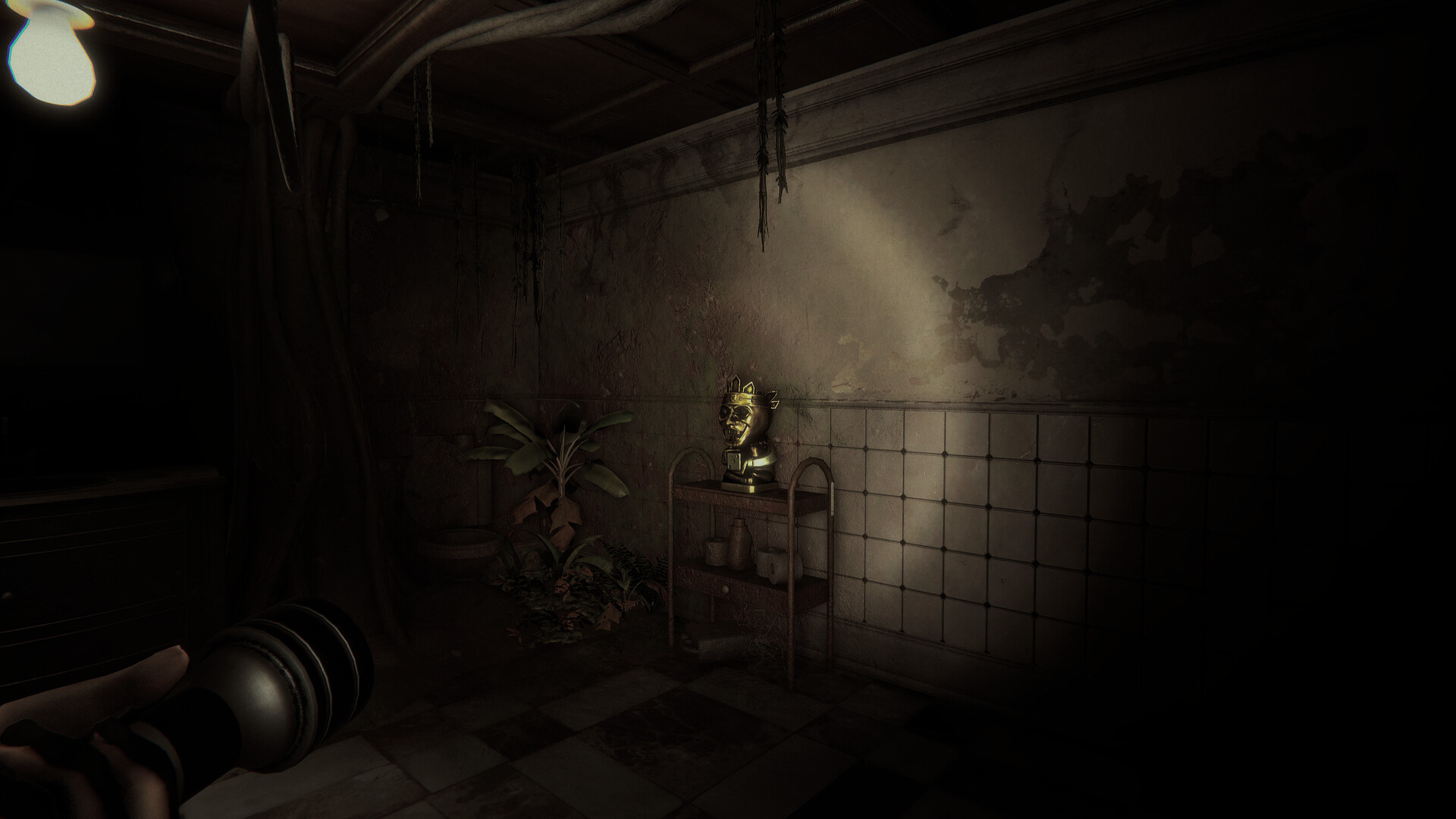
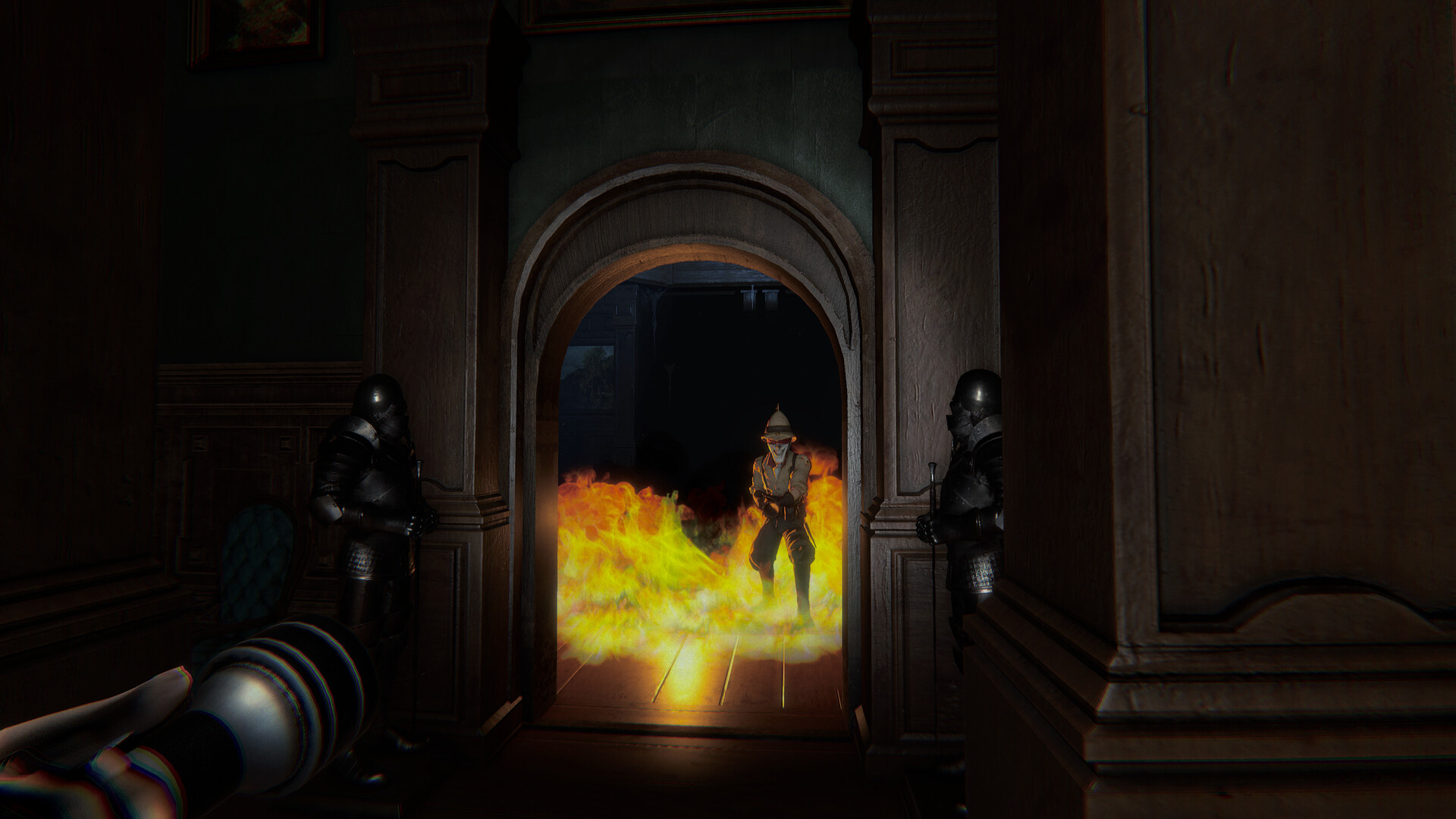
Players return to the board, roll dice, and then enter the surrounding house to deal with whatever the Gamemaster has produced. Dice are hidden in the environment and, according to the store description, each can be used once. Special dice can heal, conceal, or interfere with pursuers, but they introduce their own risk.
That structure creates a promising loop of search, resource choice, forced escalation, and regrouping. A die is not only progress; it is a decision about when to expose the group to a new rule. If the game communicates consequences clearly, teams can debate whether to spend a powerful die now, split up to search, rescue a player, or accept a worse position and keep moving.
What Makes It Different
Co-op horror already has a crowded vocabulary: enter a location, gather evidence or valuables, survive an unpredictable entity, and turn panic into social comedy. Invokyr's differentiator is the physical board as a shared pacing device. It can make the run legible. Players know when they are choosing to advance and can associate a new disaster with a visible roll.
The house also shifts between unusual biomes, including jungle, ice mountain, and an oversized toy-chest environment. That can give the run more visual and mechanical contrast than a single haunted corridor set. The design risk is coherence. Random events feel fair when players can read their triggers and counterplay; they feel arbitrary when a roll only removes control.
Market Signal and Review Evidence
The check found a Popular Upcoming rank of 15, an October 8 date, and an available demo. Steam showed no released-product reviews, no Metacritic summary, and no current-player figure. Those absences are expected before launch and prevent a responsible praise-versus-complaint summary.
The post-launch signals worth watching are review volume and sentiment, demo-to-launch community activity, network stability, clarity of board rules, repetition across runs, and whether six-player sessions remain readable. A few enthusiastic demo comments would not substitute for a launch sample, so this preview does not present isolated reactions as a consensus.
Competitors and Positioning
Invokyr sits near Phasmophobia, Lethal Company, Content Warning, and other communication-driven horror games, but its board-game cadence is closer to a rule generator than a pure extraction loop. Compared with a mission list, a roll can create a stronger ritual and a better streaming beat: everyone understands that the next action may make the situation worse.
Its commercial challenge is retention. Social horror spreads when groups produce stories they want to retell, but repeated sessions need enough variation that players cannot reduce every event to a solved checklist. Early access could help if new dice, creatures, rooms, and rule interactions deepen decisions rather than only expanding content volume.
Audience Fit and Purchase Cautions
Invokyr is most plausible for groups that enjoy voice communication, unpredictable setbacks, and horror that can become funny under pressure. The demo is the sensible first step for solo players and groups unsure about performance or tone. Players seeking a authored single-player campaign, predictable competitive balance, or a finished content roadmap should wait for launch details and early-access disclosures.
Check the live page for price, content warnings, languages, controller support, and whether all group members need separate copies. Network and host migration behavior were not independently tested for this article.
Editorial Verdict
Invokyr has a clear social hook and a timely, verifiable prelaunch signal. The board can turn randomness into a shared decision rather than background noise, and the demo lowers the cost of testing that claim. It remains a watch-or-try recommendation, not a buy verdict, until launch reviews establish stability, variety, and whether the curse system creates choices rather than unavoidable punishment.
Sources and Image Rights
- Official Steam store page: https://store.steampowered.com/app/3883570/
- Official Steam public app-data endpoint: https://store.steampowered.com/api/appdetails?appids=3883570
- Developer site: https://ludogram.io/
- Steam Popular Upcoming discovery page: https://store.steampowered.com/search/?filter=popularcomingsoon&category1=998
- Checked October 4, 2026 at 1:16 p.m. MYT. Market signal: rank 15 in the checked Popular Upcoming result; no sales or private wishlist estimate.
- Image rights: header and three screenshots are official Steam store assets supplied by Ludogram/Shochiku, downloaded locally for identification, reporting, and criticism; no compositing or semantic alteration.