How to Fish Is Still Huge Because Every Catch Can Become a Co-op Accident
How to Fish remains the strongest market signal in the latest available indie-game report. At approximately 7:25 p.m. Malaysia time on September 8, Steam's public endpoints showed 34,395 current players and 57,311 all-language reviews, including 54,486 positive and 2,825 negative recommendations. That is a 95.1% positive share nearly three weeks after launch.
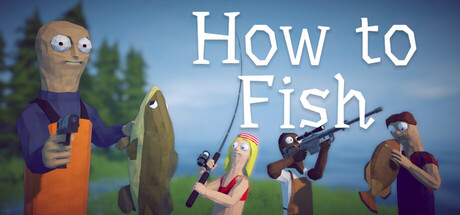
How to Fish remains the strongest market signal in the latest available indie-game report. At approximately 7:25 p.m. Malaysia time on September 8, Steam's public endpoints showed 34,395 current players and 57,311 all-language reviews, including 54,486 positive and 2,825 negative recommendations. That is a 95.1% positive share nearly three weeks after launch.
Those figures do not disclose copies sold, revenue, or profitability. They do show that Dazed Games has sustained a very large active audience and accumulated a broad, highly positive feedback pool. This article is a market analysis based on official store materials and public review signals, not a hands-on review.
Why the game is visible now
How to Fish launched on Steam for Windows on August 20, 2026. Steam classifies it across Action, Casual, Indie, and Simulation. Its premise compresses unusually well into video: one to four players sail, cast lines, land creatures, collect equipment, and stumble into physical chaos when the sea or their own coordination stops cooperating.
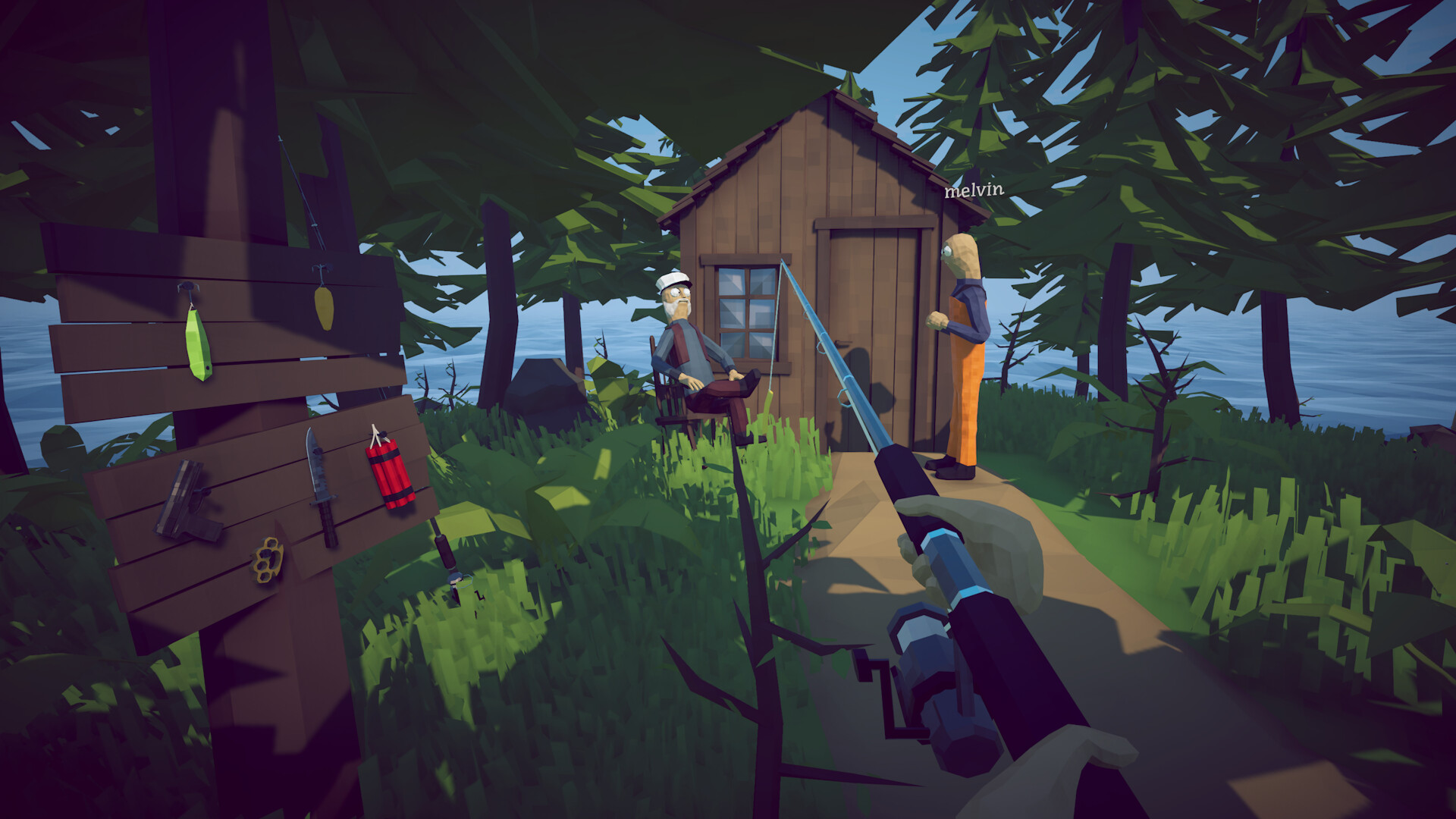
The latest report treated the title as an outlier because its low price, creator-friendly accidents, Landfall support, and enormous viral reach reinforce one another. Those ingredients make it inappropriate as a simple forecast for another fishing game. The repeatable lesson is narrower: the central verb is immediately understandable, while physics keeps producing outcomes that were not completely authored.
The current-player count is a snapshot, not a retention rate. It varies by time zone and day. Still, 34,395 players at one check is large enough that the game's visibility is no longer explained by a launch-hour curiosity spike.
The loop: cast, improvise, survive, upgrade
The core sequence begins with navigation and fishing. Players reach a location, choose equipment, cast, respond to the creature or environmental event, secure loot, and use the result to attempt more dangerous zones. Cooperative play turns a task that could have been solitary into shared risk management.
The loop works because the catch is not only an icon entering an inventory. Weight, movement, boat position, obstacles, and other players can transform success into a new problem. A rare target creates excitement before it is secured; the trip back can still go wrong. The game therefore places spectacle inside the repeatable economy rather than reserving it for cutscenes.
Progression gives those accidents direction. New equipment and rewards expand where a group can go and what it can attempt. The danger is familiar to every loot game: numerical growth can eventually make earlier spaces irrelevant. How to Fish counters that risk with social unpredictability, but long-term support still needs varied situations rather than only larger numbers.
What makes the design different
Fishing games often emphasize calm collection, simulation detail, or solitary mastery. How to Fish uses the recognizable ritual of casting as an entry point, then lets physics and co-op interference destabilize it. That creates a hybrid between a collection game and a social incident generator.
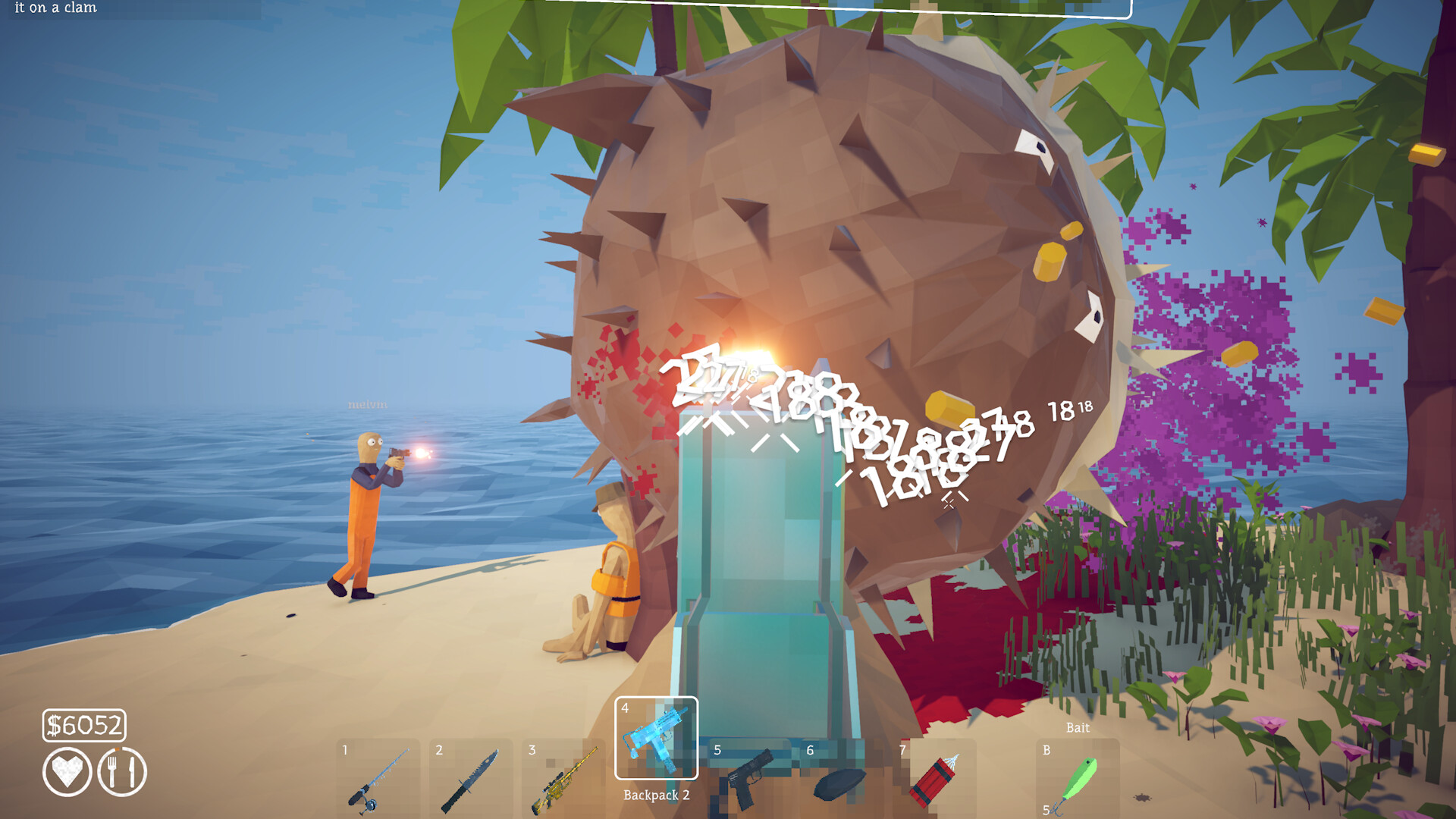
The visual read is important. Viewers can identify the boat, line, target, and failure even without understanding every stat. This makes clips effective advertising. A streamer does not need to pause and explain a talent tree before the audience understands why a friend being dragged across the deck is funny.
Scope also concentrates value. A small number of reusable physical systems can create many combinations. The design team still needs creatures, equipment, environments, audio, and polish, but each item interacts with shared rules instead of requiring an entirely separate authored mission.
What the review sample says
We inspected bounded recent samples of up to 50 positive and 50 negative public Steam reviews, alongside the full aggregate. The positive sample repeatedly emphasizes social comedy, surprising physical interactions, an easy-to-learn premise, satisfying progression, and value for the price. Players often describe memorable group incidents rather than a specific scripted scene, which supports the game's systemic pitch.
The negative sample is small relative to the 57,311-review total but still useful for recurring friction. Complaints cluster around technical issues, connection or multiplayer disruption, repetition after the initial discovery phase, balance or grind, and occasions when physics feels obstructive rather than funny. Some players also want more content or clearer progression.
These are patterns, not quotations, and the review sample is not a scientific survey. Steam reviewers are self-selected, review text can change, and language filters affect visibility. The aggregate is nevertheless unusually robust for an indie release: 2,825 negative recommendations are enough to reveal real shortcomings, while the 95.1% overall result shows that most reviewers still recommend the experience.
The competitor meaning
Compared with careful fishing simulations, How to Fish sacrifices some solitude and precision for social volatility. Compared with general co-op chaos games, the fishing-and-expedition structure provides a clearer economic reason to repeat sessions. Compared with survival crafting, it reaches the central action faster and asks players to manage less infrastructure.
The title's success does not prove that any familiar job becomes viral after adding loose physics. The action must remain readable, failure must create a story, and the group must be able to recover quickly. Physics that only wastes time produces frustration without comedy.
The report's external sales and revenue estimates remain estimates, so this article does not use them as verified commercial results. The public evidence already supports a strong conclusion without converting reviews into purchases.
Who should buy—and the caution
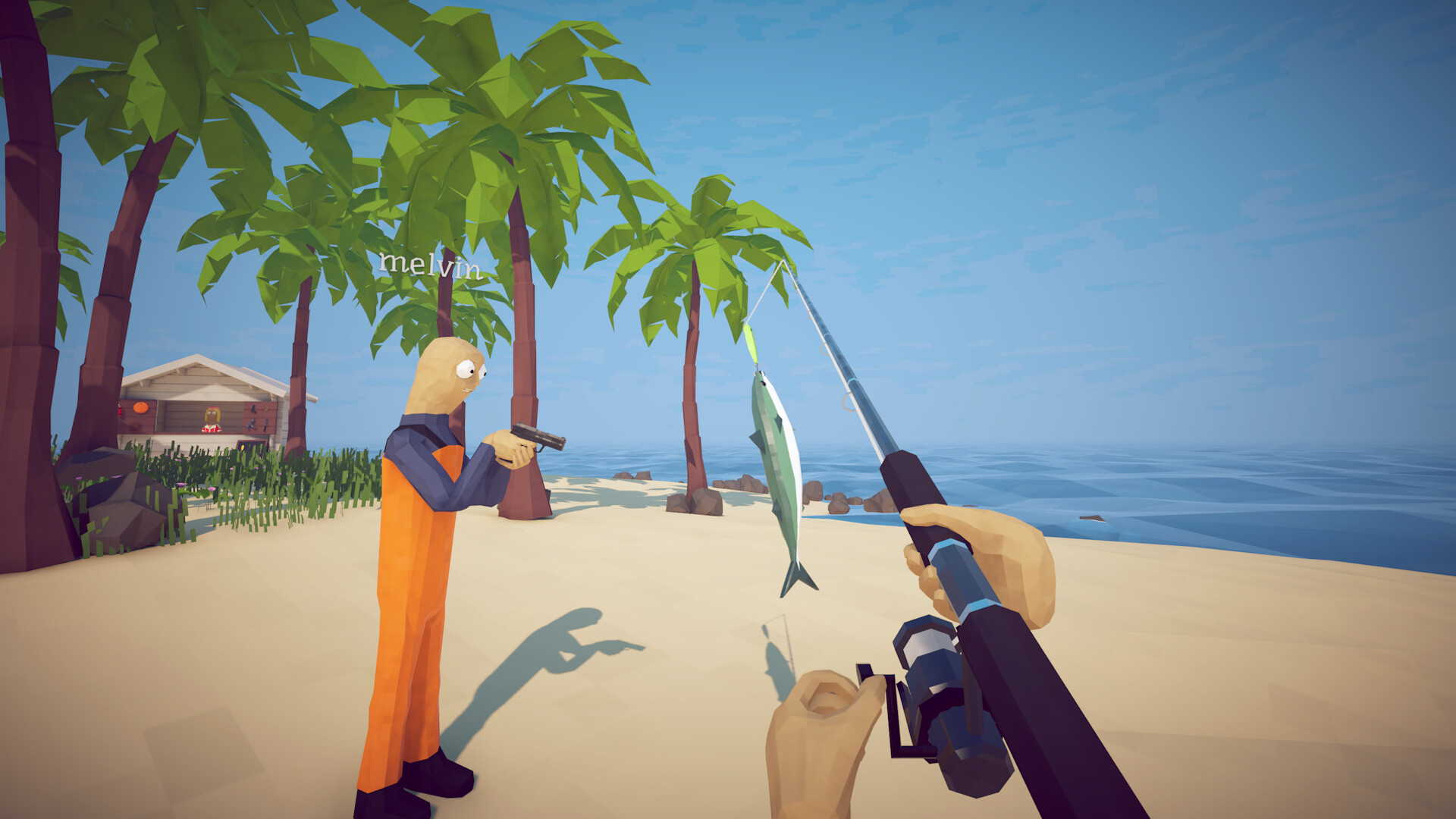
How to Fish is an easy recommendation for groups that enjoy cooperative improvisation, light progression, and games where failure is part of the entertainment. Solo-focused players should examine current footage and recent reviews because the social layer appears to carry much of the distinctiveness.
Wait if unstable multiplayer ruins the experience for your group, if physics-driven controls feel irritating, or if you need a deep realistic fishing model. The large audience improves the odds of continuing support, but it does not guarantee that every technical issue or content request will be resolved.
Players sensitive to grind should look at recent progression discussions rather than only the lifetime rating. A highly positive launch can coexist with a late-game economy that some players find repetitive.
IndieGame.party verdict
How to Fish has moved well beyond an interesting launch. Its current audience and 57,311-review pool show a durable breakout signal, while the 95.1% positive share indicates that wider discovery has not destroyed sentiment.
The verdict is strongly recommended for co-op groups, with a solo and technical caution. The game's most valuable design lesson is not fishing or physics alone. It is that the resource loop, the social joke, and the marketing clip are the same event.
Data and image sources
- Official Steam store page: https://store.steampowered.com/app/4001890/How_to_Fish/
- Steam public review summary and current-player endpoints, checked September 8, 2026 at approximately 7:25 p.m. MYT.
- Review-pattern summary used bounded samples of up to 50 recent positive and 50 recent negative public reviews; individual wording was not reproduced.
- All four images are official Steam store assets supplied by Dazed Games, downloaded locally on September 8, 2026 for identification, reporting, and criticism. They are not composited or materially altered.