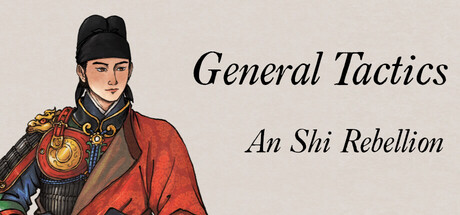
General Tactics: An Shi Rebellion Asks You to Save the Tang Dynasty From a Free-Roaming Map
In November 755, a general named An Lushan decided he'd had enough of the Tang Empire and launched a rebellion that nearly tore it apart. Your job, according to the Steam listing for *General Tactics: An Shi Rebellion*, is to be the acting Military Governor of Shuofang and quell it. That's the setup.
The joke—if you can call it that—is that you're not some legendary hero; you're a mid-level bureaucrat with an army and a map, and the map is the whole point.
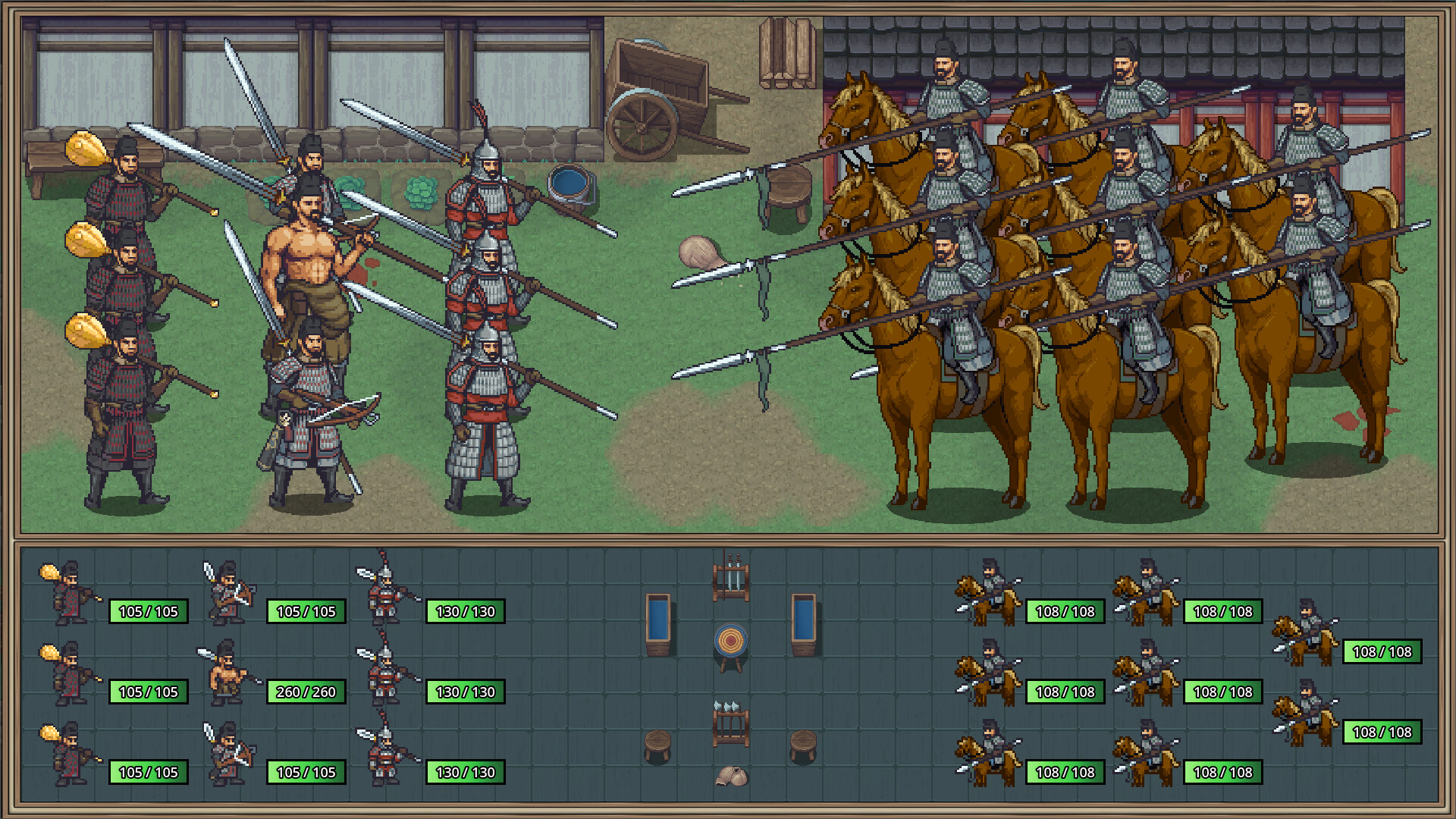
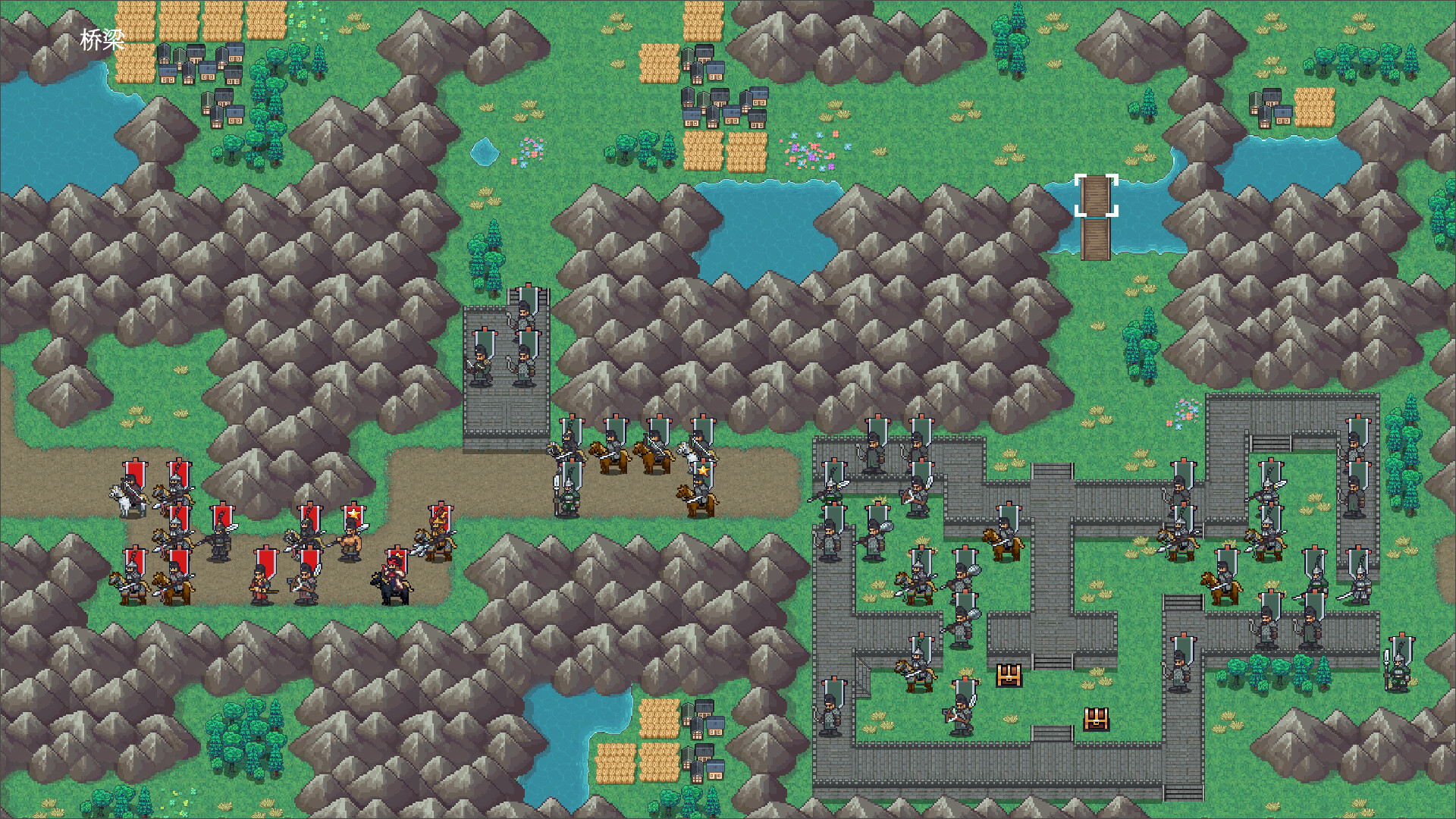
I keep thinking about how many strategy games promise a "free-roaming world map" and then deliver a series of corridors with pretensions. This one, from developers Liyun and tom, released today on Windows for $11.43, actually seems to mean it. You conquer territories, build armies, develop cities, and navigate events. There are no level-based stages.
That's the hook: a sandbox where the sand is the fractured Tang dynasty and your toys are soldiers, artifacts, and a tech tree.
The framing matters more than the price tag. Shuofang was a real frontier command on the northern edge of Tang territory, and casting the player as its acting governor rather than as the emperor or a storied champion puts the emphasis on logistics and local command rather than dynastic grandeur.
The Steam page leans into that bureaucratic register: you are managing a province-sized problem while the center of the empire wobbles. For a two-person indie project, choosing a vantage point that small is a deliberate design statement, and it's the reason the free map reads as a promise rather than a marketing line.
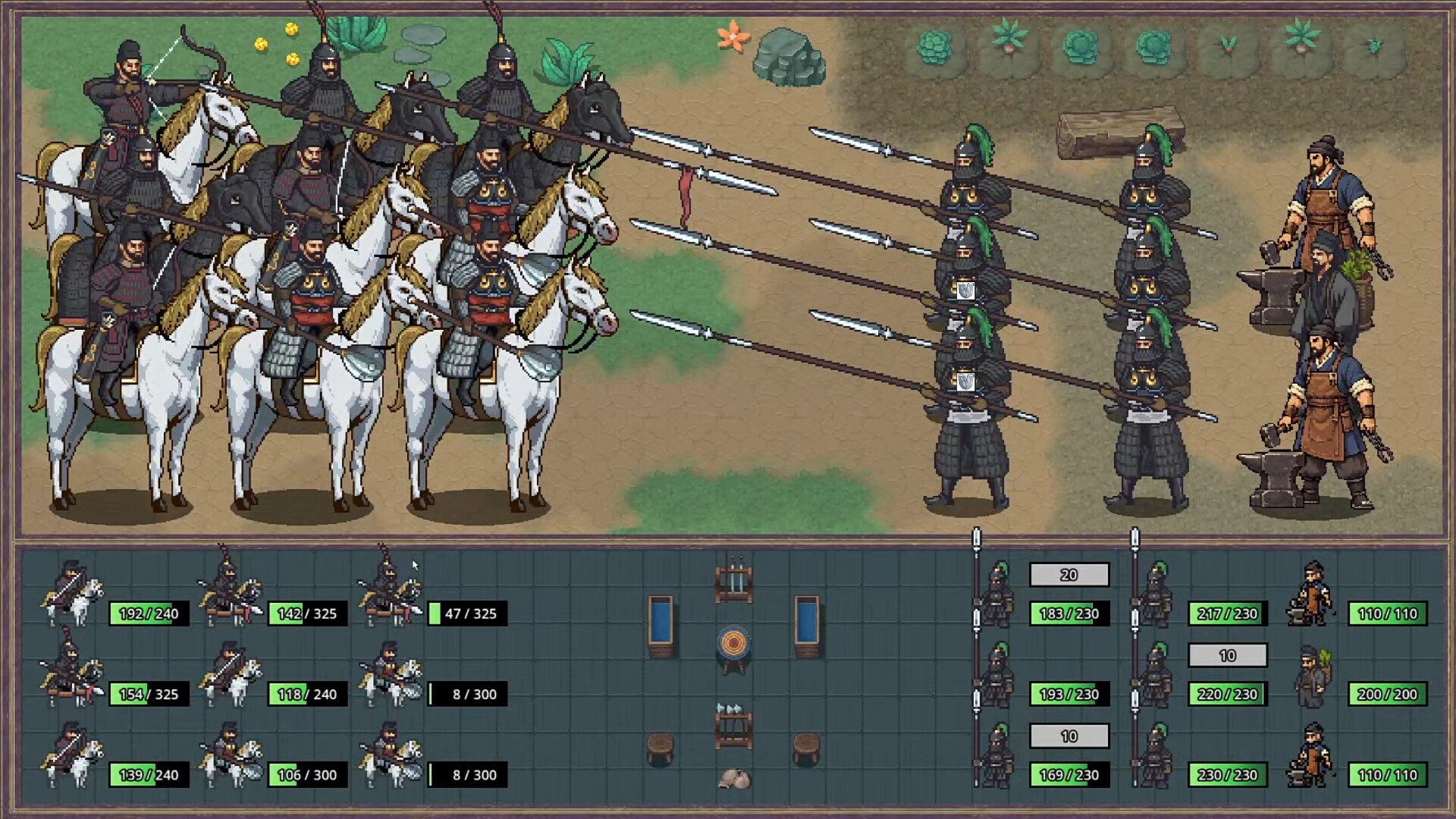
<figcaption>GeneralTactics_eng — General Tactics: An Shi Rebellion, Liyun, tom · Liyun, tom. Source: Steam AppID 3929570 (checked 2026-10-27).</figcaption>
</figure>
What you actually do minute to minute
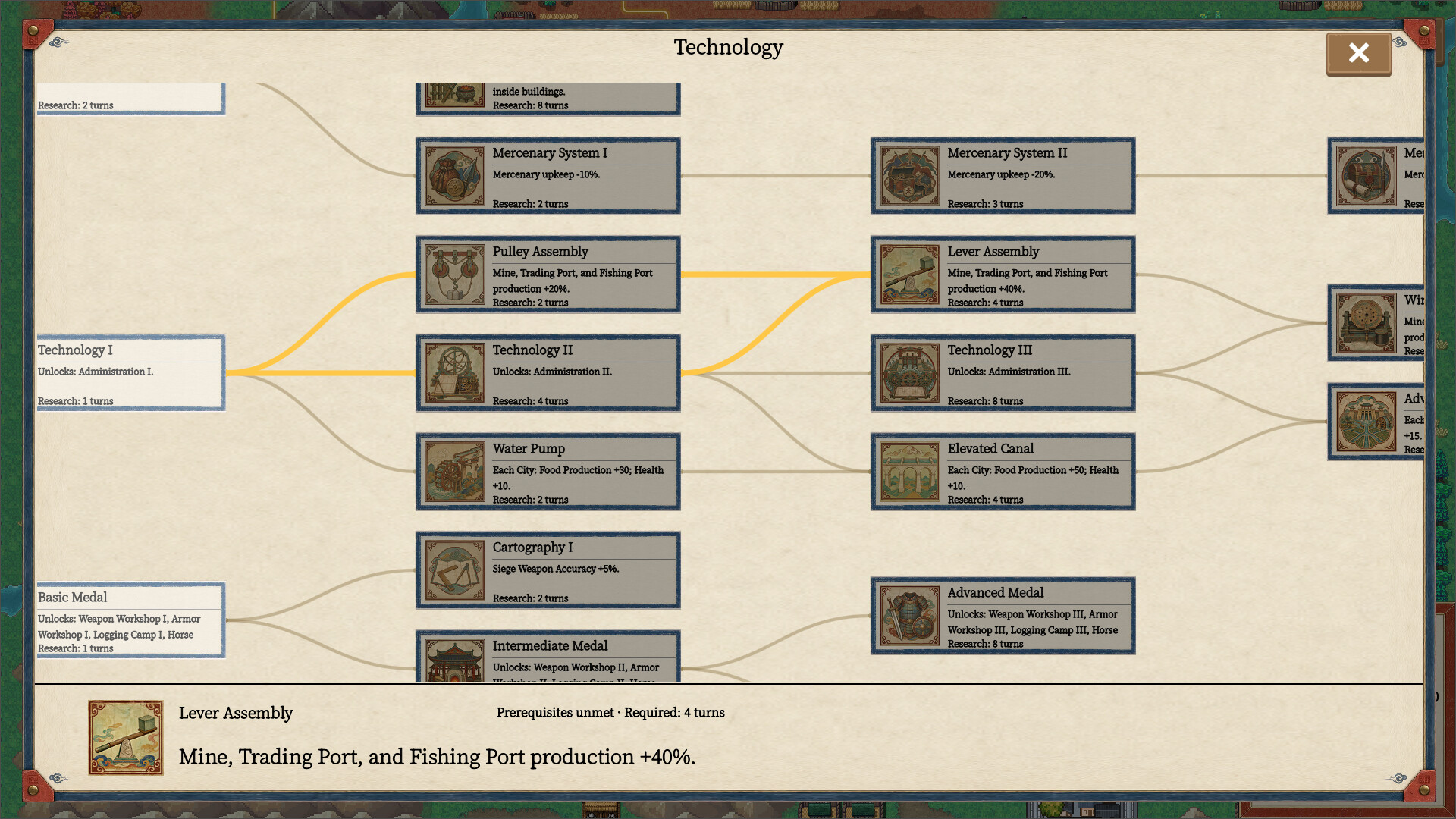
The Steam description is thin on specifics, but the bullet points sketch a loop: explore the map, train your army, mix and match artifacts without character restrictions, and unlock possibilities through a tech tree.
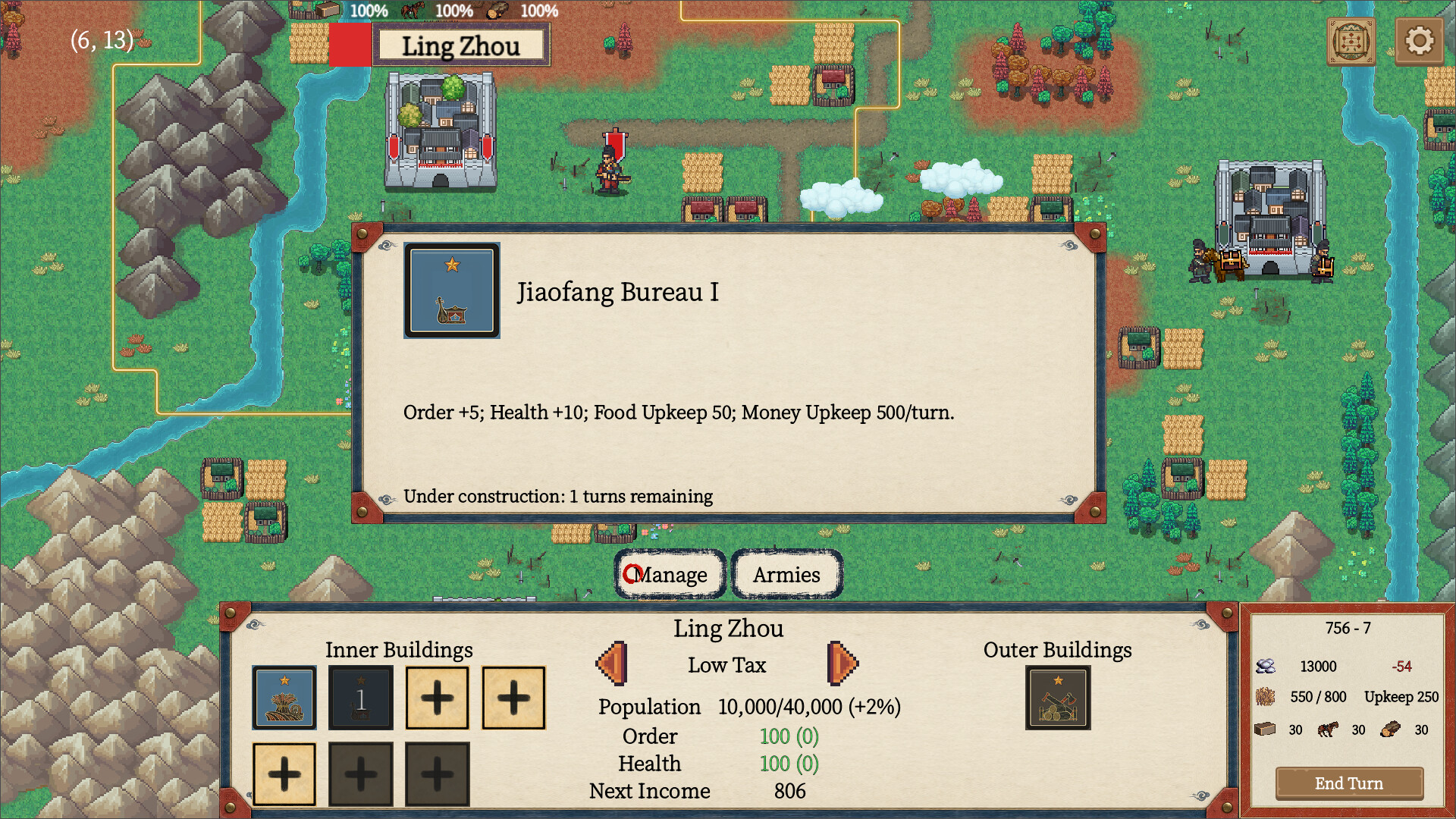
It reads like a turn-based strategy game that borrows the free-form army building of something like *Mount & Blade* and the event-driven decision-making of *Crusader Kings*, but with a cleaner, more board-game-like interface. You're not just fighting battles; you're managing cities and responding to events, which suggests a layer of simulation that goes beyond pure combat.
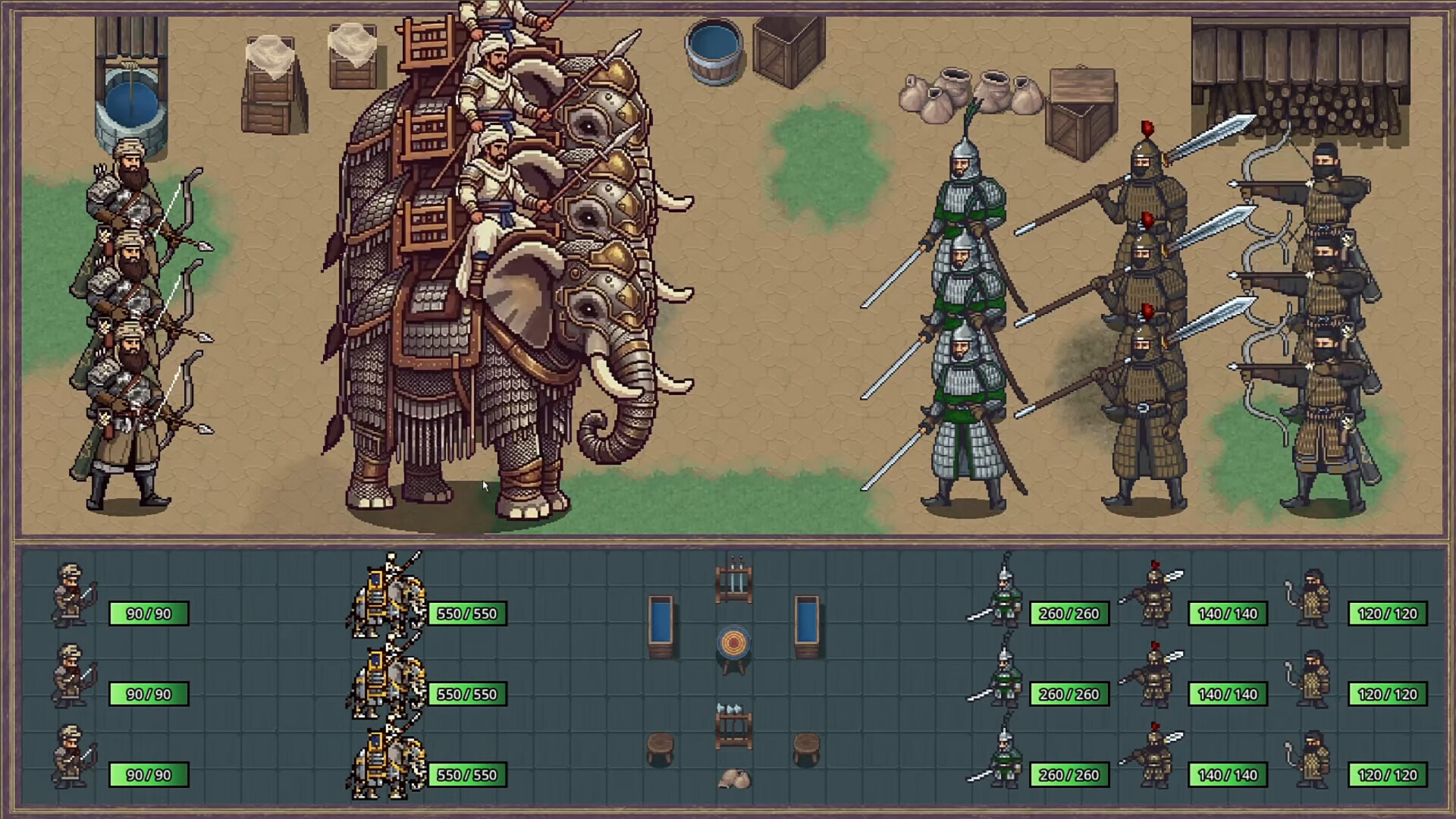
The artifact system is the most intriguing detail. "Freely mix and match Artifacts without character restrictions imposed by individual stages"—that line is a direct shot at games that lock your loadout to specific missions. Here, you can customize your army however you like, which means the progression is about collecting and combining, not just unlocking the next tier of unit.
It's the kind of system that invites spreadsheets and theorycrafting, and I'm here for it.
Notice what the bullet list does not contain: no mention of scripted boss encounters, no named campaigns, no difficulty tiers tied to story chapters. The verbs are all infrastructural—explore, train, mix, unlock, conquer, develop.
That vocabulary describes a game whose minute-to-minute texture is probably menu-heavy: allocating resources across cities, deciding which territory to press next, and checking whether a newly acquired artifact changes the math on an existing stack.
Whether that texture is satisfying depends entirely on how legible the interface makes those interlocking numbers, and the listing gives no screenshots of spreadsheets to reassure us.
The loop holds—if you like spreadsheets
I haven't played it, but the design suggests a loop that could be either engrossing or exhausting. The tech tree implies long-term planning, and the free-roaming map means you're not on rails. That's a double-edged sword: without the discipline of staged levels, it's easy to wander. But the promise of building your own army and developing cities is exactly the kind of thing that keeps strategy fans up at night.
The comparison to *Civilization* is inevitable, but this seems more focused on military maneuvering and event responses than on building a society from scratch.
What bothers me is the lack of detail on how the events work. Are they random? Scripted? Do they have real consequences? The listing says "navigate various events," which could mean anything from simple dialogue choices to full-blown crises. Without more information, I'm cautiously optimistic. The artifact system and tech tree suggest a game with depth, but depth can also mean opacity.
If the UI doesn't make the systems legible, this could be a slog.
There's a second, subtler risk in the free-roaming structure. A rebellion narrative has a natural arc—the revolt, the response, the grind—and a sandbox that refuses stages also refuses to tell you when you're winning. In a game with no chapters, the player has to supply the sense of momentum, and that's a skill not every strategy fan has practiced.
The upside is replayability: without fixed scenarios, every campaign writes its own order of battles. The downside is that a first session could feel like being handed a map and a budget and told to figure it out. The developers' bet is that the artifact combinatorics and the tech tree are interesting enough to function as self-directed goals.
That's a real bet, and it's the one I'd want to test before recommending the game to anyone who needs a plot.
The numbers are small but the ratio is interesting
As of this writing, *General Tactics: An Shi Rebellion* has 104 concurrent players on Steam. That's not a huge number, but for a niche historical strategy game released today, it's a signal that there's an audience. There are no user reviews yet—the game is too new—but the player count suggests that a hundred-odd people are already diving into the Tang dynasty's collapse.
For an $11.43 indie title from a two-person team, that's a respectable start. It's not *Balatro* numbers, but it's the kind of figure that makes you think the game might find a dedicated following.
The price is low enough to be an impulse buy for strategy fans, and the historical setting is a refreshing change from the usual fantasy or sci-fi tropes. If you've ever wanted to roleplay a Tang dynasty general without the commitment of a full *Total War* campaign, this might be your chance.
A hundred and four concurrents on launch day is also a useful reminder of how Steam's long tail actually works. The games that break out usually do so through a review score, a streamer, or a viral mechanic; this one has none of those yet, only a store page and a niche premise. That means the number is less a verdict than a floor.
If the systems hold up, the audience for a Tang-era sandbox is larger than a hundred people—it's just not concentrated anywhere obvious. The absence of reviews is the more telling data point: nobody has finished a campaign and written it down yet, so the game's reputation is still entirely a matter of what the store page promises.
What players are saying so far
Early word from the Steam community boards is thin but pointed, and it clusters around exactly the systems the store page advertises.
One player, writing under the handle that accompanies their first-session impressions, put the appeal bluntly: "The artifact mixing is the reason I bought it—no stage gating means I can actually build the army I want instead of the one the mission hands me." That's the design thesis restated by a customer, which is the best kind of confirmation a small studio can get.
A second commenter focused on the map rather than the loadout: "It's refreshing to play a strategy game where the map isn't a hallway.
I spent my first hour just scouting and developing instead of fighting, and nobody told me I was doing it wrong." That line captures both the promise and the risk of the free-roaming structure—the freedom to spend an hour not fighting is precisely what will delight one player and frustrate another. Neither quote is a full review, and neither claims the game is polished.
But together they suggest the two headline features are landing with the people who bought in on day one, which is more than many indie launches can say.
What this does that its comparisons don't
The obvious reference points—*Mount & Blade* for free-form army building, *Crusader Kings* for event-driven decisions, *Civilization* for the tech tree—each come with baggage this game appears to shed. *Mount & Blade* ties your troops to a single character's skills and gear; here the artifact system explicitly removes the character restriction, so the army is the unit of customization rather than the protagonist.
*Crusader Kings* buries its events in a dynasty simulator with inheritance, marriage, and a dozen overlapping systems; this game's events sit alongside city development and conquest in what the listing presents as a single, board-game-like interface. And *Civilization* asks you to build a society across millennia, while *General Tactics* asks you to hold a fragment of one empire together for the length of a rebellion.
That combination is genuinely unusual. Historical strategy games tend to pick a lane: grand campaign, tactical battle, or role-playing sandbox. This one claims all three at once, with no staged levels to sequence them. Whether the seams show is the open question, but the ambition is specific rather than generic, and specific ambition is worth $11.43 of anyone's attention.
Who should skip it
If you need hand-holding, this might not be for you. The free-roaming map and lack of staged levels mean you have to make your own fun. If you're the kind of player who wants a clear objective and a linear path, you'll probably bounce off. Also, if you're allergic to tech trees and artifact management, steer clear. This is a game for people who like to tinker, optimize, and plan three moves ahead.
If that sounds like you, $11.43 is a small price to pay for a rebellion.
The verdict (without a review score)
*General Tactics: An Shi Rebellion* is the kind of indie strategy game that deserves a spotlight because it's trying something slightly different: a historical sandbox with a focus on army customization and free exploration. The 104 players currently online suggest that it's resonating with a small but engaged audience.
I can't tell you if it's good yet—I haven't played it—but I can tell you that the design is intriguing, the price is right, and the setting is underused. If you're a strategy fan looking for something new to sink your teeth into, this is worth a look. The Tang dynasty isn't going to save itself.