Dimraeth Launches a Beautiful Co-op RPG With Early-Access Friction
Dimraeth entered Steam Early Access on September 15 with a difficult promise: combine a pixel-art action RPG, open-world exploration, loot, farming, crafting, base building, and online cooperation for as many as eight players. Its launch has real momentum, but the first-day evidence also shows why buyers should interpret ambition and readiness separately.
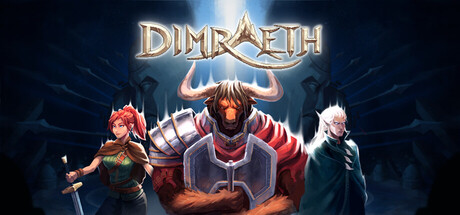
Dimraeth entered Steam Early Access on September 15 with a difficult promise: combine a pixel-art action RPG, open-world exploration, loot, farming, crafting, base building, and online cooperation for as many as eight players. Its launch has real momentum, but the first-day evidence also shows why buyers should interpret ambition and readiness separately.
At 1:12 p.m. Malaysia time on September 16, Steam's official endpoints showed 7,229 concurrent players and 383 all-language reviews: 338 positive and 45 negative, or 88.3% positive. The US store price was US$19.79 after a 10% launch discount. This is launch and market analysis, not a hands-on review, and the snapshot does not reveal unit sales or profitability.
Why it is visible now
The official launch announcement says Dimraeth had accumulated close to 500,000 wishlists and nearly 60,000 demo players before release. Those are developer-reported figures, not independently audited sales data, but they explain why a new Early Access game immediately produced thousands of concurrent players and hundreds of reviews.
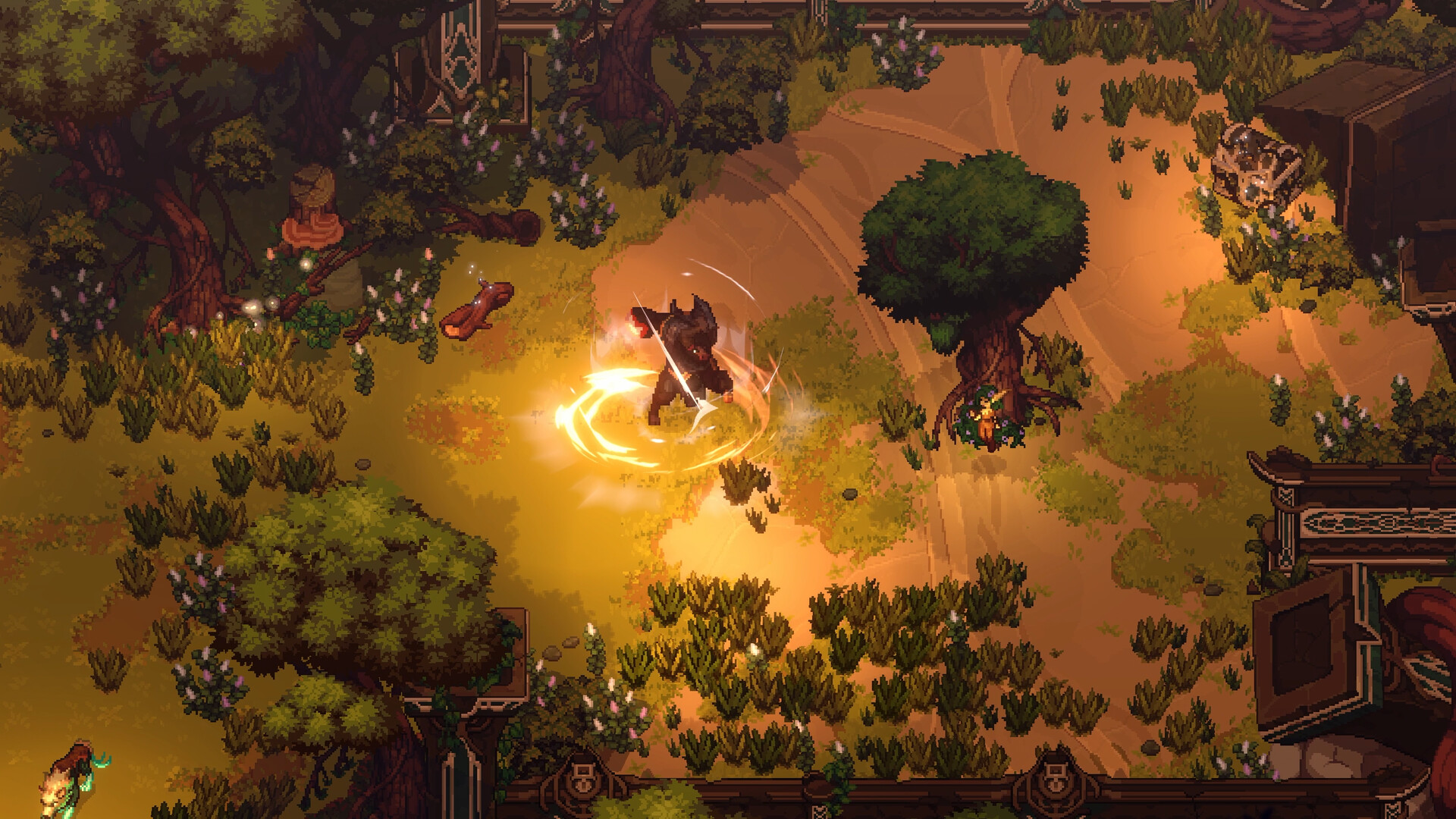
The game benefited from a long demo funnel rather than appearing without context. Festivals, creator coverage, and a publicly playable build let prospective buyers understand its mixture before paying. The September 15 release converted that accumulated interest into a live test of retention, network quality, progression, and content scope.
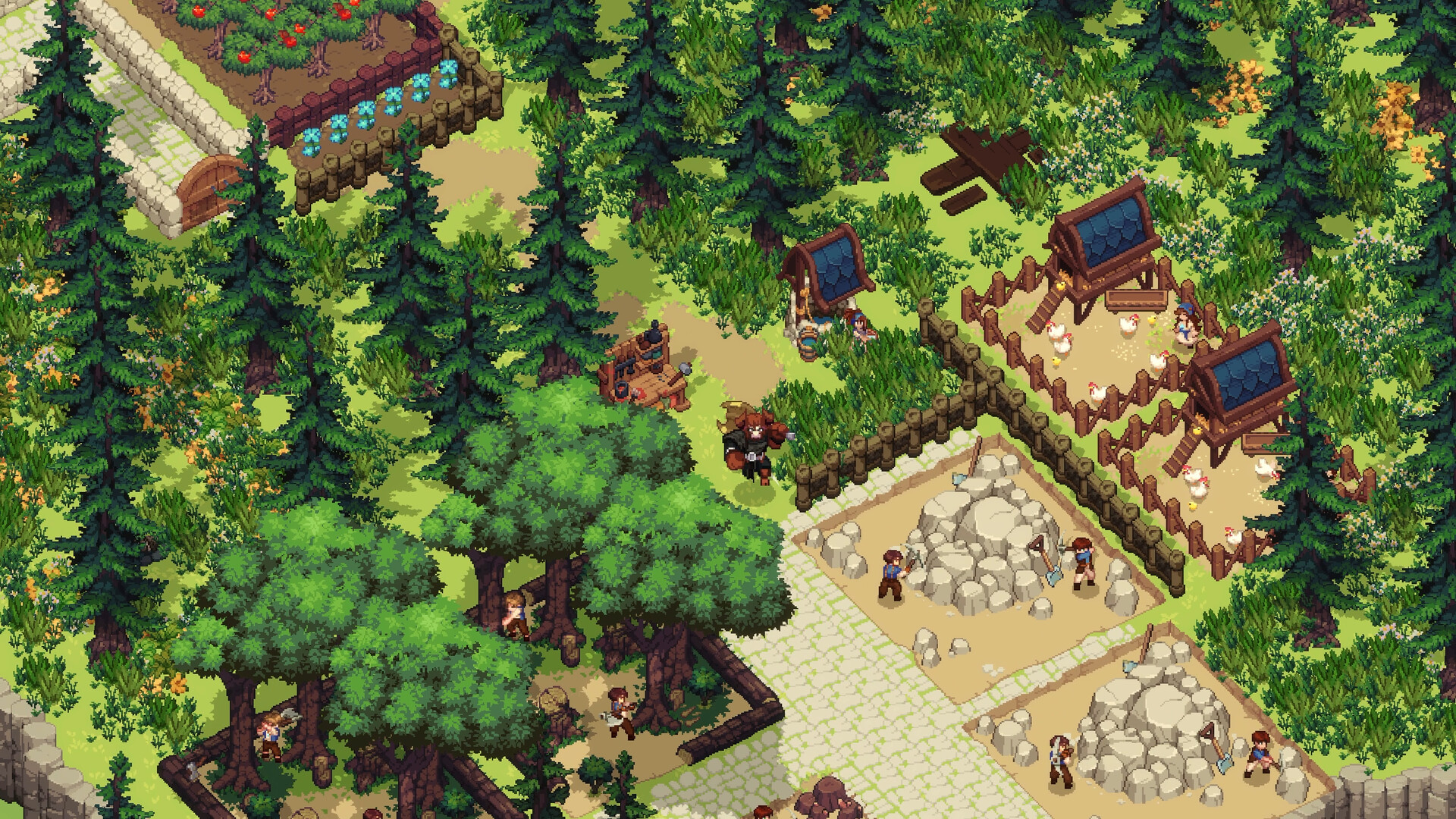
Its art direction is also highly shareable. Dense pixel environments use modern lighting, particles, and large combat effects without abandoning readable sprites. A screenshot can communicate cozy settlement life and dangerous fantasy exploration at once, which gives the marketing material more range than a generic survival-crafting scene.
Genre, platform, and release status
Steam lists Dimraeth as a Windows action, adventure, RPG, and Early Access release. Mudtek describes an initial build with three races and three classes, plus further regions, systems, and content planned during development. Buyers should therefore judge the current package, not a future roadmap.
The genre mixture is broad. Combat and loot resemble action RPGs; gathering, crafting, farming, and building create survival and life-simulation rhythms; cooperative sessions expand the game into a social sandbox. This combination can be compelling because every player can choose a role, but it also multiplies the number of systems that require balancing, interface support, synchronization, and content.
The core loop and differentiation
The loop is explore a region, fight enemies, collect equipment and materials, develop a character build, craft or farm, improve a shared base, and push into harder locations. Classes and elemental interactions create combat identity, while construction and resource systems turn adventuring output into persistent environmental progress.
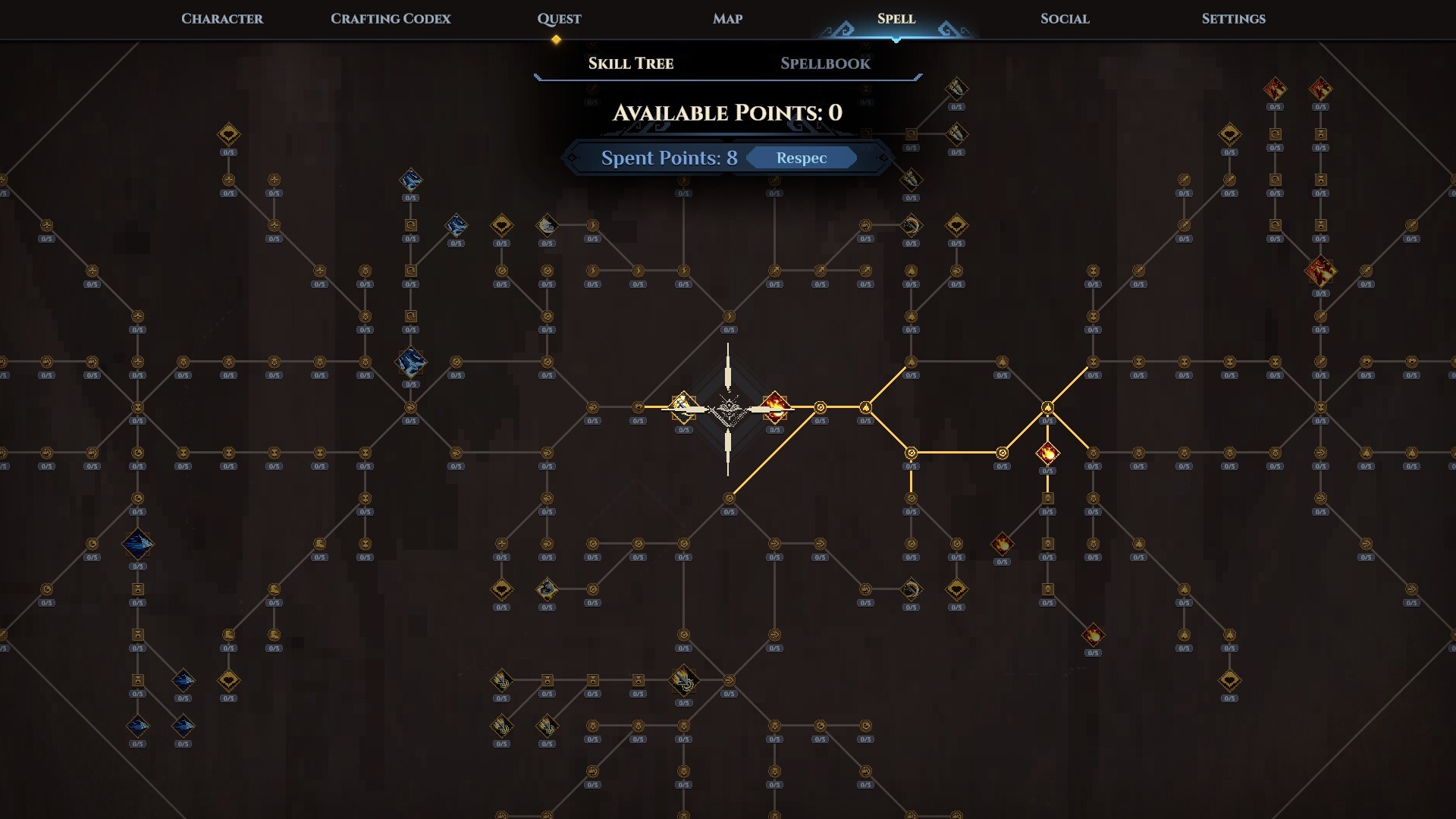
Cooperation is the main multiplier. A party can divide gathering, combat, farming, and building work, then reunite for bosses or dangerous zones. That makes the settlement more than a private upgrade menu: it becomes evidence of group effort. The advertised support for up to eight players also distinguishes Dimraeth from many action RPGs designed around solo play or small fixed parties.
The design risk is coordination debt. Quests must behave correctly for people who join at different times. Progression must support a late-arriving friend. Enemy difficulty must remain readable as party size changes. Loot cannot make one player feel permanently behind, and base permissions need to prevent both accidental loss and tedious restrictions.
Verified market snapshot
The observed 7,229 concurrent players are a meaningful launch signal for a new independent RPG. The review pool grew from the morning report's 285 reviews to 383 by the afternoon check, while positive sentiment remained high. That combination suggests active conversion rather than a static pre-release audience.
The sample is still young. Hundreds of reviews can identify immediate satisfaction and launch defects, but they cannot describe late-game variety, long-term balance, server durability, or update cadence. Early Access reviews also reflect different expectations: some users recommend a promising foundation, while others grade only the product currently sold.
The developer-reported wishlist figure should not be converted into expected sales. Wishlist quality varies by age, region, discount, and source. The stronger public measures are the actual concurrent-player snapshot and the growing verified review pool, both of which show that Dimraeth reached a substantial audience on day one.
Repeated praise and complaints
Recent positive reviews repeatedly mention attractive pixel art, satisfying combat, skill-tree potential, cooperative boss fights, and an addictive progression rhythm. Several players describe the game as more polished or more immediately enjoyable than expected for an Early Access debut. The art and combat appear to be doing the essential first-hour work: making exploration and basic encounters feel rewarding before the larger systems mature.
The complaints are equally useful. Recent users report stutter or character warping despite acceptable frame rates, controller input problems, awkward user-interface readability, weak translation, and quests that rely too heavily on finding a person or object without enough guidance. One cooperative review says a friend joining later did not receive tutorial quests correctly, creating a progression and onboarding problem inside the mode the game most heavily promotes.
Those observations come from a limited review sample and should not be treated as universal. They do reveal the launch priorities. Networking smoothness, party quest state, controller handling, localization, and information design determine whether the broad feature set feels generous or unfinished.
Competition and market meaning
Dimraeth sits near Core Keeper, Terraria, Necesse, Secrets of Grindea, and other games that combine pixel combat with persistent world development. Its advantage is a more openly action-RPG presentation and a larger cooperative promise. Its disadvantage is the cost of supporting many interdependent systems before any one reaches the depth of a specialist competitor.
For indie developers, the launch offers a useful scope lesson. Mudtek used a demo and wishlist campaign to prove interest before exposing the full roadmap. It also launched with a limited set of races and classes rather than pretending the initial build contained every planned option. Even so, an eight-player open world creates technical and content obligations that a small team should not imitate casually.
Who should buy and who should wait
Buy now if you enjoy participating in Early Access, have friends who value cooperative exploration and building, and can tolerate rough localization or occasional technical friction while systems evolve. The launch population should make discussion and discovery easy in the near term, and the current review signal is encouraging.
Wait if you need a finished story, dependable controller support, polished quest guidance, proven long-term content, or seamless drop-in progression for a group. The project is explicitly unfinished, and the current audience cannot yet verify the late game promised by the roadmap.
IndieGame.party verdict
Dimraeth is a high-momentum Early Access launch with an appealing combat-and-settlement core and a visible polish debt. The audience signal is real, and the art, combat, and cooperative fantasy are winning early praise. Our verdict is promising for Early Access enthusiasts; wait for networking, onboarding, and localization improvements if your group expects a smooth campaign today.
Data and image sources
- Official Steam store: https://store.steampowered.com/app/2402680/Dimraeth/
- Official launch announcement: https://steamcommunity.com/games/2402680/announcements/detail/690894224252470734
- Steam public review summary: https://store.steampowered.com/appreviews/2402680?json=1&language=all&purchase_type=all
- Steam current-player API: https://api.steampowered.com/ISteamUserStats/GetNumberOfCurrentPlayers/v1/?appid=2402680
- All four images are official Steam store assets, © Mudtek, downloaded locally on September 16, 2026 for identification, reporting, and criticism without compositing or semantic alteration.