Crown Siege Finds an Audience—Then Tests How Much Grind an Incremental Game Can Carry
Crown Siege begins with a compact promise: grow an army, defend a tower, seize the crown, and survive a larger wave. The screen fills with tiny pixel troops while currencies and upgrades widen behind them. It is easy to understand and satisfying to watch—until progression slows enough that the player sees the economy instead of the battle.
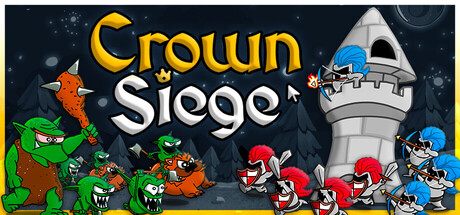
Crown Siege begins with a compact promise: grow an army, defend a tower, seize the crown, and survive a larger wave. The screen fills with tiny pixel troops while currencies and upgrades widen behind them. It is easy to understand and satisfying to watch—until progression slows enough that the player sees the economy instead of the battle.
At 13:17 MYT on September 19, Steam's public endpoints reported 704 current players and 55 public reviews: 41 positive and 14 negative, or 74.5% positive. The September 18 launch has attracted a real audience, but the review split is already warning about balance, grind, and opaque progression.
This is a launch analysis and review-signal report, not a hands-on review.
Why Crown Siege is getting attention now
The game's pitch combines several durable Steam interests: incremental growth, survivors-like crowd spectacle, auto-battling units, tower defense, and readable pixel art. A player recruits soldiers, watches the army collide with waves, earns resources, and returns stronger.
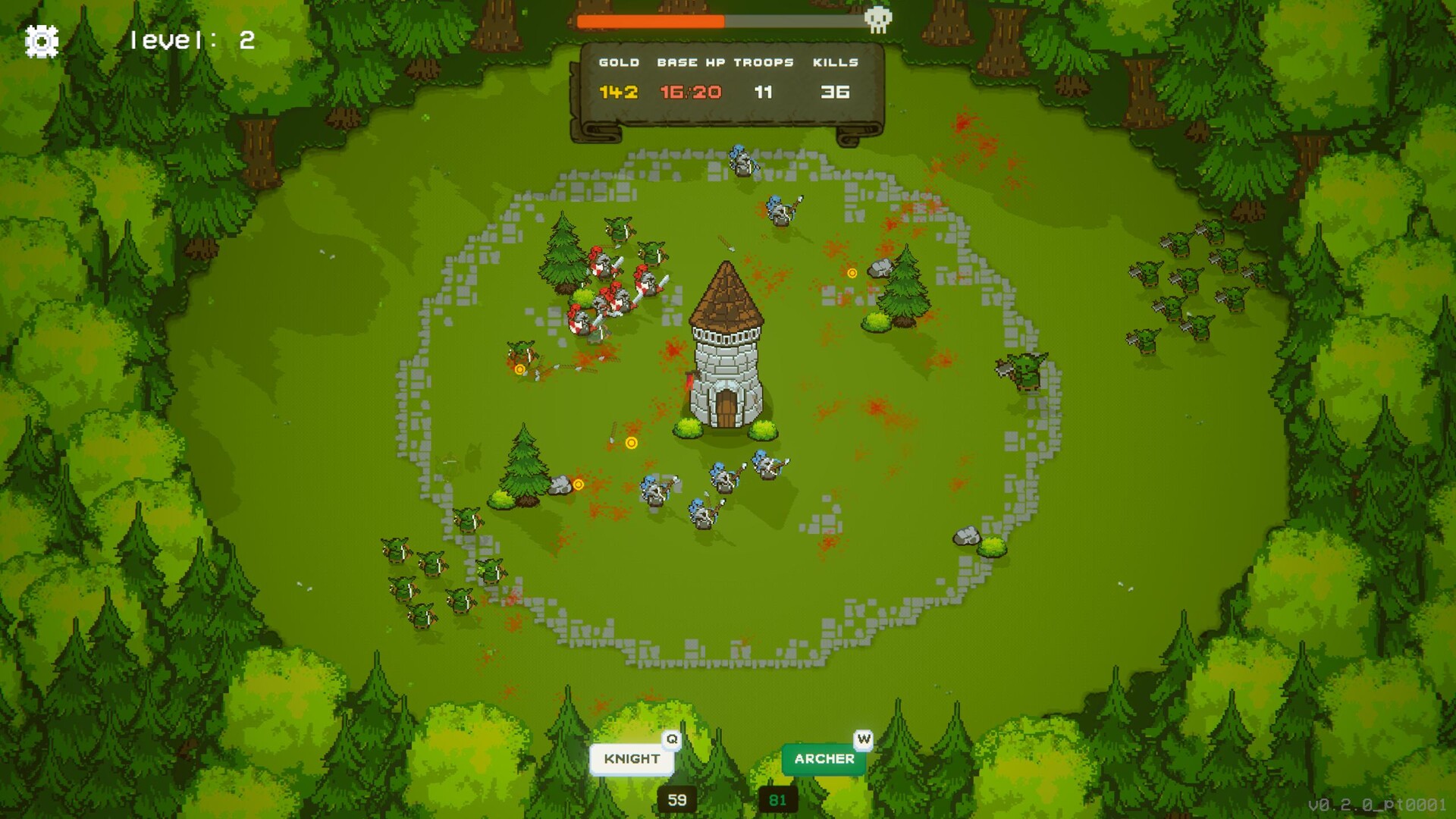
The visual payoff is immediate. A handful of basic troops becomes a colored mass of specialized units and effects. Numbers increase, but the army's size and composition change on screen. That transformation helps the game avoid the spreadsheet-only feeling that can limit incremental design.
The morning market report identified Crown Siege as one of the strongest new-release signals, with more than 600 concurrent players only hours into launch. The count rose to 704 by our publication check. A live snapshot cannot prove retention, but it shows that the demo and launch presentation converted into active play.
Genre, platforms, and release status
Steam lists Crown Siege as a released single-player action, casual, simulation, and strategy game. It supports Windows, macOS, and Linux, along with achievements, cloud saves, mouse-only input, touch-only input, partial controller support, and family sharing.
The official description calls it a short incremental siege game. “Short” should shape expectations. This is not a permanent live-service army builder or a deep grand-strategy campaign. Its value depends on whether the upgrade journey remains interesting for the several hours it asks of the player.
The broad platform support is notable for a small release. So is the flexible input design. An incremental game benefits when the interface remains legible on handhelds and low-friction desktop setups.
The core play loop
Each encounter centers on a tower or base under pressure. Players spend gold to recruit units, choose among available troop types, and use abilities while autonomous soldiers fight. Victories provide experience and special currencies that unlock upgrades, classes, and routes on a larger map.
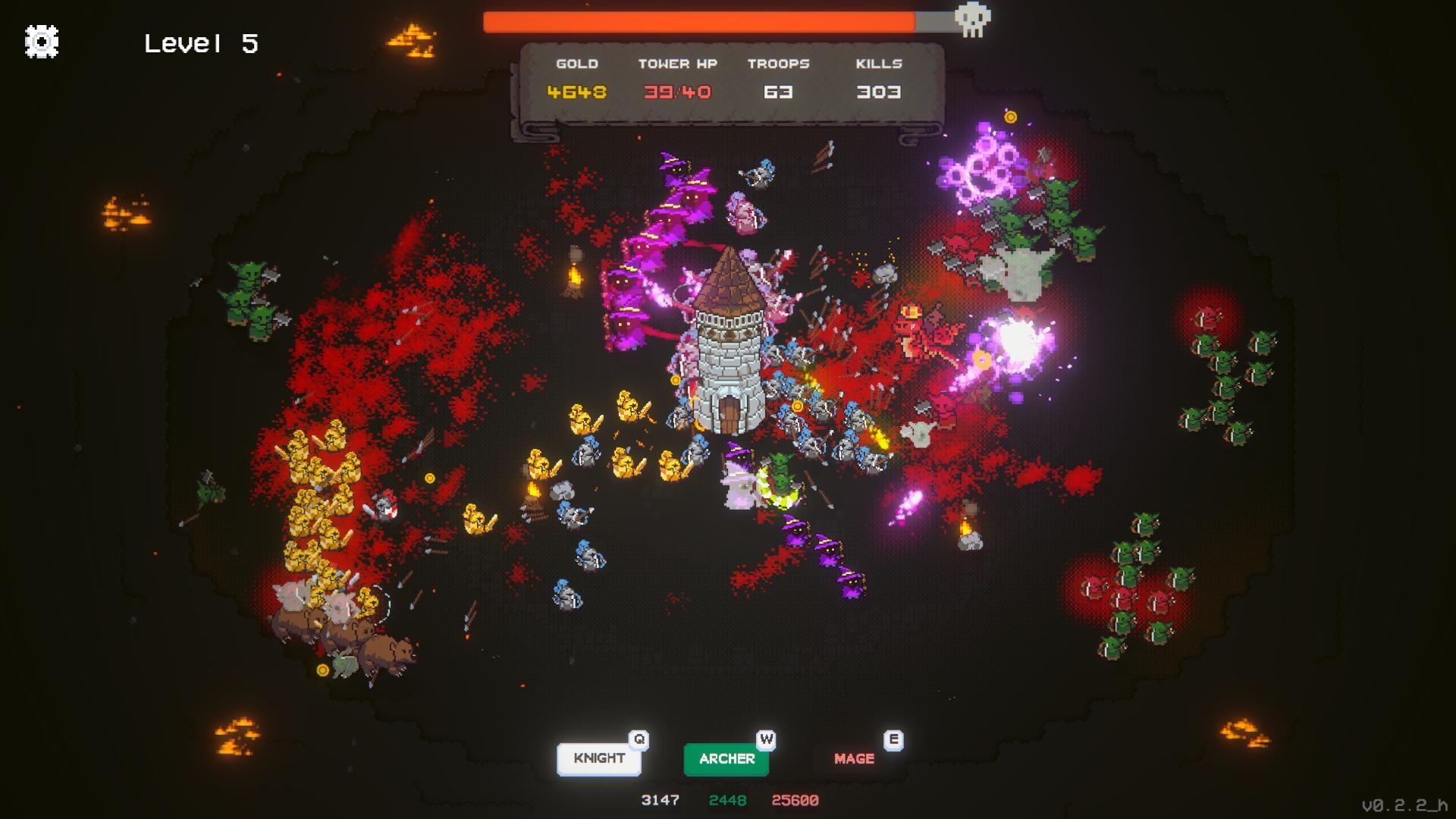
The game gains depth by allowing unit combinations and active intervention. The player is not simply waiting for a number to rise. Army composition, recruitment order, ability timing, and map direction all influence the next attempt.
Different resources appear tied to different branches and regions. That encourages exploration and lets new currencies function as keys. The danger is obvious: if a player reaches several blocked routes without enough of the needed resource, the world map becomes a menu of failures.
Incremental design depends on cadence. A lost run can feel productive if it clearly funds the next improvement. It feels punitive when several attempts fail without yielding an affordable or relevant upgrade.
Verified launch snapshot
The public data checked on September 19 shows:
- full release: September 18, 2026;
- platforms: Windows, macOS, and Linux through Steam;
- current players at 13:17 MYT: 704;
- public reviews: 55 total, with 41 positive and 14 negative;
- calculated positive share: 74.5%;
- Steam summary: Mostly Positive;
- official sales, refund, revenue, and completion data: not public.
The player number is encouraging for a compact indie launch. The review percentage is materially weaker than the raw concurrency signal. With only 55 reviews, a few updates or later buyers can move it quickly, but the current sample already contains repeated concerns rather than one isolated complaint.
What players repeatedly praise
Positive reviewers highlight the pixel aesthetics, energetic music, “juicy” combat feedback, and the pleasure of watching a small force grow into a crowded battlefield. Several note that the full game expands substantially on the demo, adding units, currencies, map routes, and a large skill tree.
Players who enjoy experimentation describe meaningful combinations among classes and spells. The screen remains readable enough that a new unit changes the shape of the battle, not just an invisible multiplier.
The small-team character is part of the appeal, but it should not excuse design problems. The more useful positive signal is that the foundation works: people want to try another composition and see the army scale.
The recurring complaints: walls, grind, and uneven units
Negative and mixed reviews converge on progression walls. Players report reaching encounters they cannot clear while available upgrades cost more than completed stages provide. Replaying older battles becomes mandatory rather than strategically attractive.
The unit-level system appears to amplify the issue. Unlocking a new class is less exciting if it begins far behind the units already trained. Players may avoid experimentation because switching imposes another leveling burden.
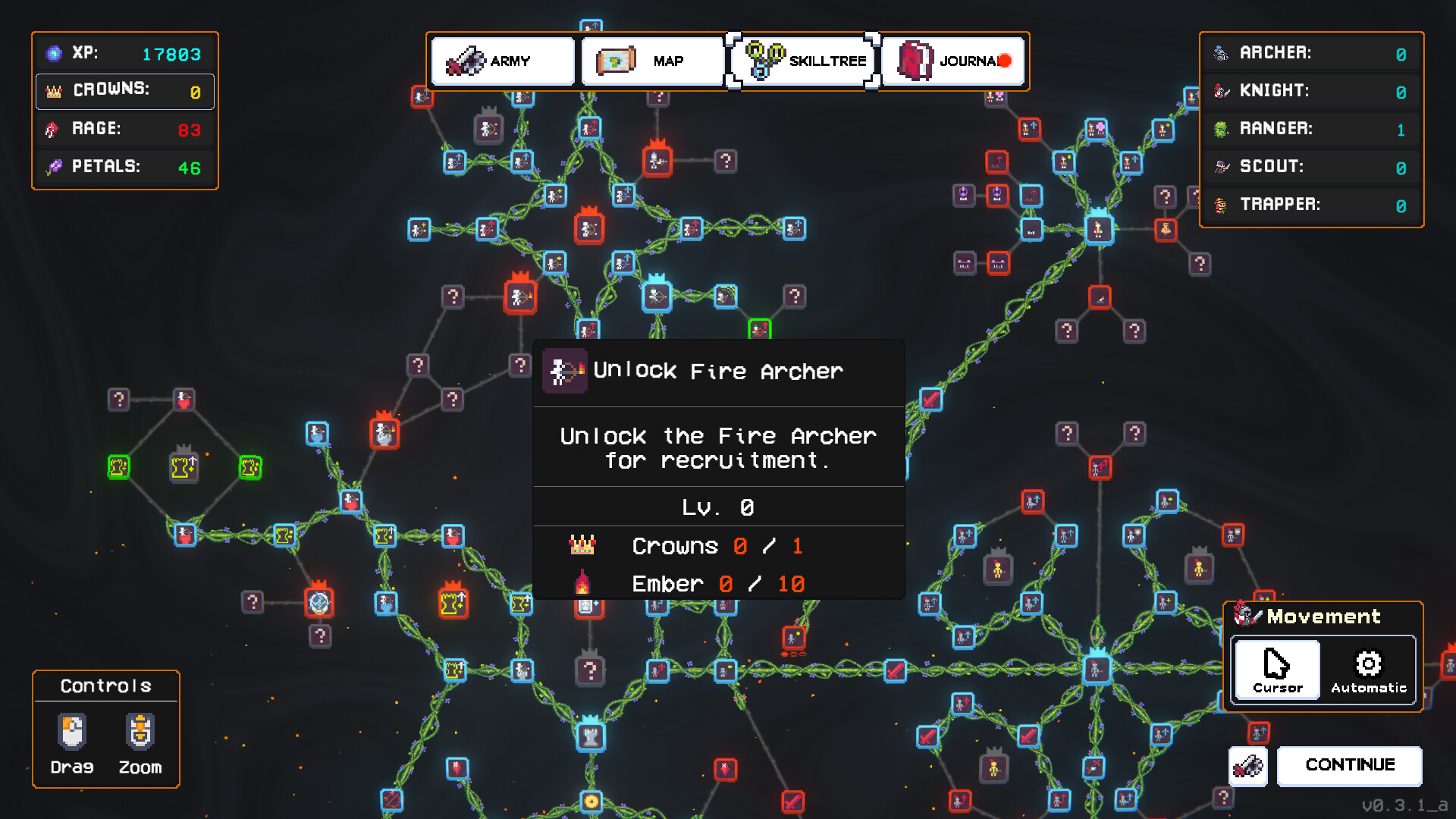
Class balance is another repeated complaint. Several reviews describe ranged or magical units as much stronger than melee troops in later sections. If one build answers most walls, the large skill tree becomes decorative complexity.
Information clarity matters too. An incremental game can ask for repetition, but it must show why the next run changes the odds. Players need to understand where a currency comes from, which branch addresses the obstacle, and whether a failed strategy was numerically weak or tactically wrong.
The positive reviews do not erase these points. Some enjoy a six-hour completion and accept the grind; others expected a smoother power curve based on the demo. The disagreement is about pacing, not whether the core concept exists.
What Crown Siege means among incremental hybrids
The game sits between an idle number climber, a tower-defense scenario, and a survivors-style spectacle. Its advantage is tactile visibility: army growth appears as more bodies, more projectiles, and more elaborate combat states.
Against deeper tower-defense games, placement and lane planning appear lighter. Against pure incremental games, Crown Siege asks for more active involvement and composition choices. Against survivors-likes, the tower and recruitment economy create a defensive center rather than continuous movement.
That hybrid is commercially sensible because it can appeal across adjacent audiences. It is also difficult to balance. Every currency, class, and branch must create options without forcing repetitive farming or invalidating prior investment.
Who should buy—and who should wait
Crown Siege suits players who enjoy short progression games, pixel armies, auto-battlers, broad skill trees, and a willingness to test combinations. It may be especially appealing to Steam Deck or mouse-only players seeking a low-input strategy loop.
Wait if you dislike replaying completed stages, expect every unit family to remain equally viable, or want a long campaign with tactical placement depth. Balance-sensitive players should review patch notes and recent review trends after the launch week.
IndieGame.party verdict
Crown Siege is a promising launch with a strong visual-growth hook and a real first-day audience, held back by credible pacing warnings. The demo appears to have sold players on the combat fantasy; the full economy now has to prove that growth remains rewarding beyond the first hour.
Our verdict is recommended with caution for incremental and auto-battler fans; wait for balance patches if grind tolerance is low.
Data and image sources
- Official Steam listing and developer materials: https://store.steampowered.com/app/4310440/
- Steam public review endpoint: https://store.steampowered.com/appreviews/4310440?json=1&language=all&purchase_type=all
- Steam public current-player endpoint: https://api.steampowered.com/ISteamUserStats/GetNumberOfCurrentPlayers/v1/?appid=4310440
- Market snapshot checked September 19, 2026 at 13:17 MYT.
- The hero and three in-article images are official Steam store assets, © JOrbits Games and 2 Left Thumbs, downloaded from the official listing on September 19, 2026, stored locally without compositing, and used in the minimum scope needed to identify and analyze the game.