BOMBANANA! Turns Missing Information Into Three-Player Chaos
Its reviews more than doubled in a day while a fixed three-player requirement tested how much friction a strong communication hook can overcome.

Why it is visible now
BOMBANANA! produced the clearest momentum change in the September 4 report. Its Steam review count rose from 198 to 474 in roughly a day while positive sentiment held at 97.3%. Concurrent players moved from 6,067 to 5,254—about 87% of the earlier observation—while the game appeared around number 19 in global Steam revenue and number 27 in Malaysia. Steam does not publish unit sales, so none of these figures should be converted into copies sold. Together, however, they show discovery turning into a fast-growing body of strongly positive player feedback.
The loop: partial actions become visible consequences
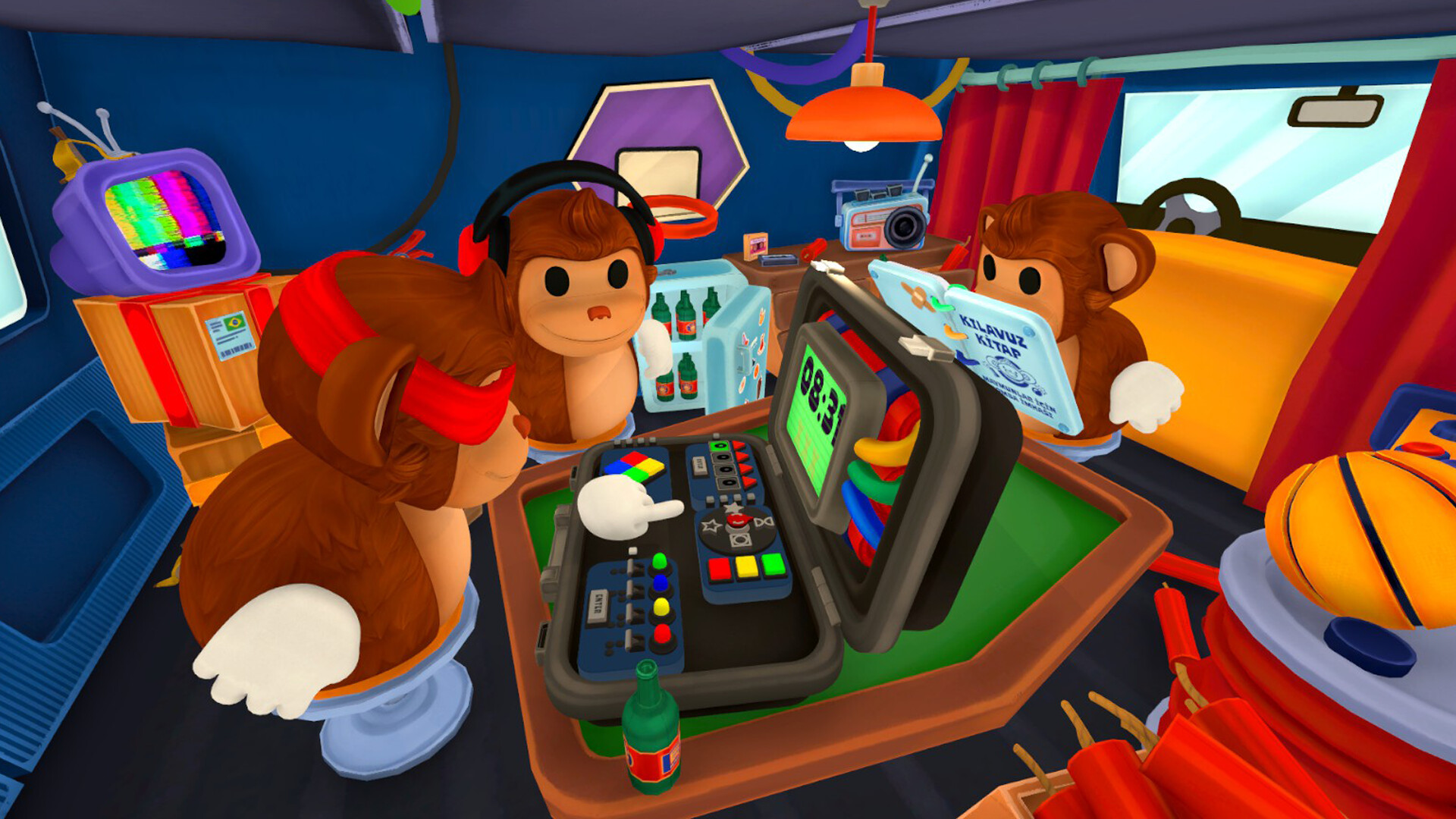
The premise assigns three monkeys different informational disabilities: one is blind, one deaf and one mute. The team faces a bomb under time pressure, but no single player receives everything required to solve it. Progress depends on describing symbols, interpreting partial instructions and inventing a communication protocol fast enough to survive. Failure creates a story because the group can usually identify the misunderstood clue or panicked instruction that caused the explosion.
Why the design reads instantly
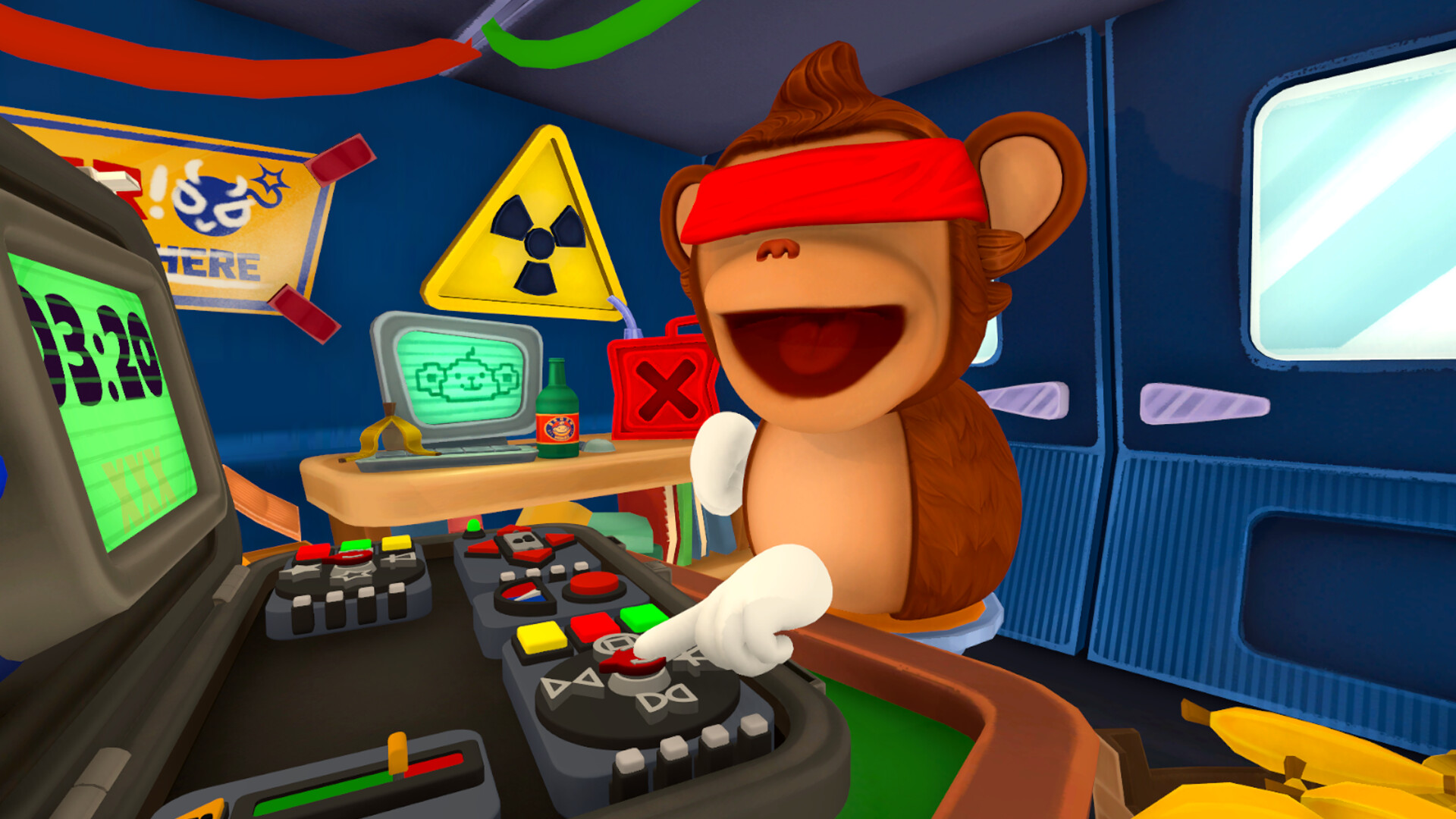
This is more than a cosmetic role system. Partial information changes speech itself into the main mechanic. A correct answer held by the wrong person is useless until it crosses the communication gap. The structure also makes streaming and group video unusually effective: viewers hear contradictory descriptions, watch confidence collapse and understand the final mistake. The premise can therefore advertise the game while people are playing it, an advantage many puzzle games do not possess.
What players are responding to
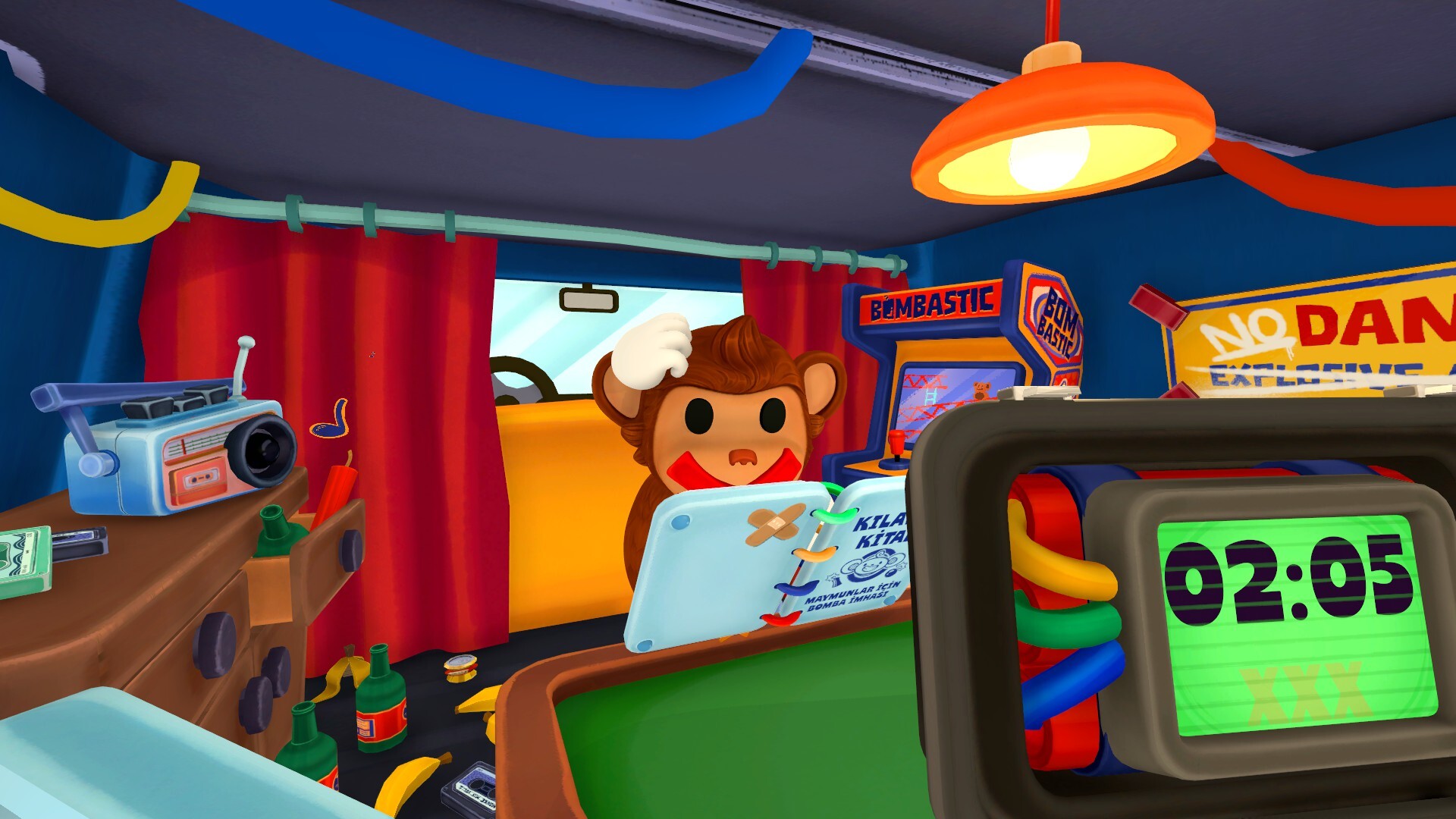
The early response indicates that groups are enjoying the forced asymmetry, comic presentation and short cycle from confusion to revelation. A high positive percentage across 474 reviews is still an early sample, but it is far stronger evidence than a handful of launch-day recommendations. The developers also issued a hotfix within a day of release, which matters for a coordination game: technical friction competes directly with intended communication friction, so quick correction protects the core joke.
Where the risk sits
The largest obstacle is structural rather than critical sentiment. BOMBANANA! requires exactly three cooperating people, a much higher acquisition and scheduling burden than solo games or co-op titles that scale from two to four. Matchmaking cannot fully replace trust and voice communication when the fun depends on how a group explains information. Repetition is the second risk. Once teams internalize bomb modules and vocabulary, new situations must keep changing the communication problem instead of merely rearranging familiar answers.
What it means beside its competitors
Keep Talking and Nobody Explodes established the appeal of asymmetric bomb communication, but BOMBANANA! packages the division inside three character roles and a deliberately comic world. That makes the constraint visible in screenshots and easier to pitch. Compared with physics-driven co-op chaos, the entertainment comes less from imprecise movement and more from imperfect knowledge. The best long-term updates will add new languages of coordination—rules, exceptions and role interactions—not simply more visual themes.
What to watch next
For a social puzzle game, raw concurrency can understate healthy use because players arrive in coordinated groups rather than relying entirely on strangers. Even so, the next two weekends will reveal whether the premise spreads beyond launch-day creators and friend circles. Review growth, repeat-session achievements and the timing of new bomb modules would be more informative together than any single chart rank. A good live-content plan should preserve surprise without fragmenting groups through paid level ownership. The strongest signal would be players returning with new friends, effectively turning each existing trio into the game's distribution channel.
How to read this signal
This article separates attention from commercial success. Steam chart position, concurrent players and review volume describe different parts of a launch and cannot establish unit sales or profit. Review sentiment also changes as the sample grows, patches arrive and different audiences enter. We use the observed figures as a dated snapshot, check the game's identity and release state against its official store listing, and avoid turning unreported sales into estimates. The recommendation therefore reflects the evidence available on the check date, not a permanent score or a claim that every player shares the same experience.
IndieGame.party verdict
The launch signal is excellent, with unusually strong sentiment and fast review growth, but recommendation depends on group availability. Buy if three friends can commit to voice communication and enjoy failure as performance. Skip or wait if assembling exactly three players is difficult. Retention remains unproven after only a few days; the next meaningful test is whether concurrent activity and new reviews persist once the first wave has learned the initial bomb set.