Bomb Farm Still Has 3,108 Players—but Its VIP Backlash Changed the Signal
Bomb Farm looked like a promising free-to-play idle breakout in the September 5 market report. The signal has changed sharply. At approximately 12:05 a.m. Malaysia time on September 10, Steam reported 3,108 current players and 597 all-language reviews, with 412 positive and 185 negative recommendations. That is 69.0% positive, now summarized by Steam as “Mixed.”

Bomb Farm looked like a promising free-to-play idle breakout in the September 5 market report. The signal has changed sharply. At approximately 12:05 a.m. Malaysia time on September 10, Steam reported 3,108 current players and 597 all-language reviews, with 412 positive and 185 negative recommendations. That is 69.0% positive, now summarized by Steam as “Mixed.”
The active audience remains meaningful for a small Windows release, but the newest feedback is much worse than the lifetime aggregate. In the 20 recent public reviews returned during our check, only one was positive. Many complaints focus on a change to access requirements for the player market and the value of a paid VIP benefit. That does not prove fraud, and individual claims are not independently adjudicated here. It does show a serious trust problem that changes the buying—or spending—recommendation. This is market-risk analysis, not a hands-on review.
Why it is visible now
Bomb Farm launched on August 28 as a free-to-play Casual, Indie, Simulation, and Strategy game. The headline loop combines idle squad activity with item progression: characters automatically attack or mine, rewards feed equipment and skill growth, duplicates support strengthening, and a player market extends value beyond a single run.
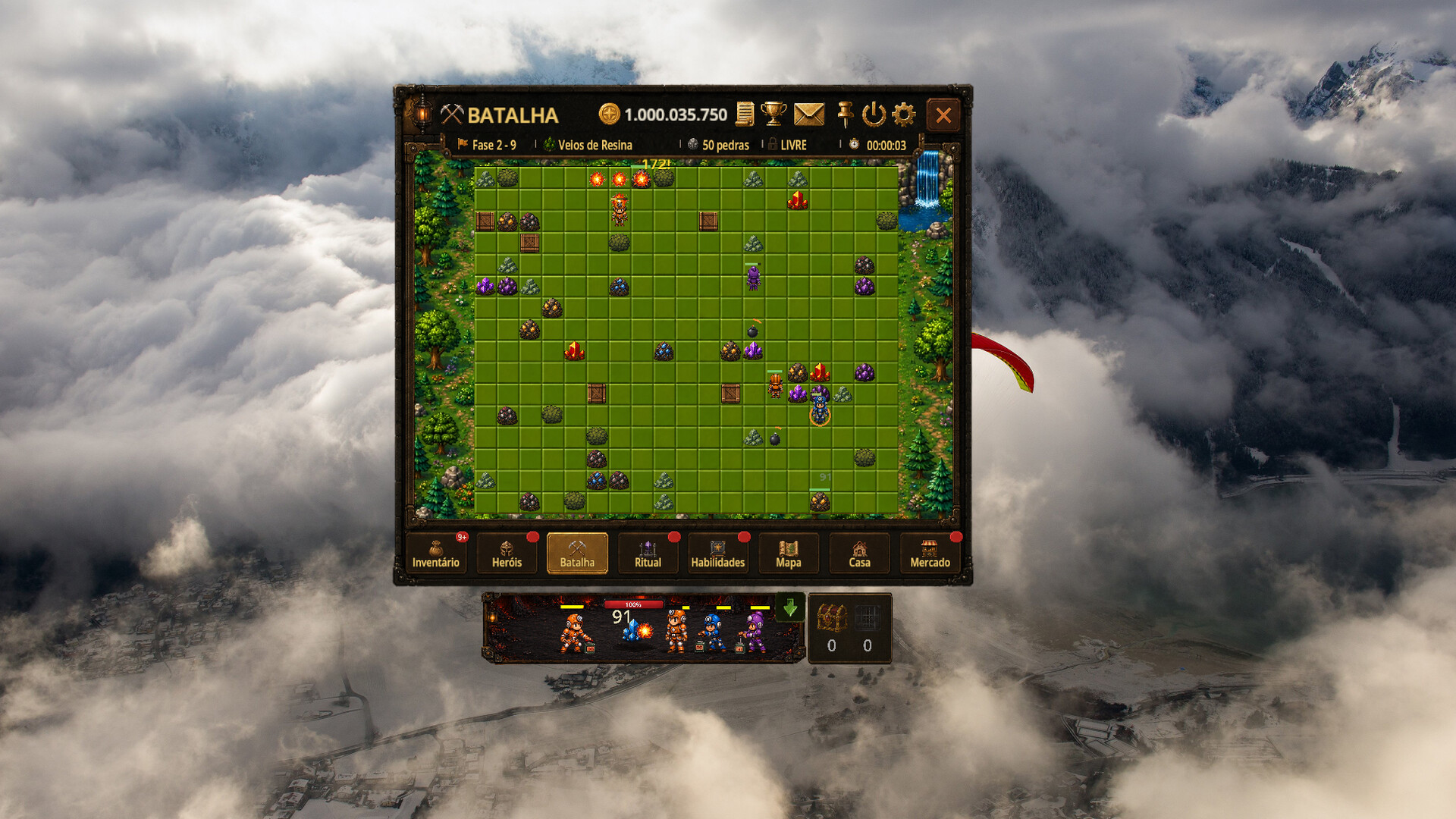
The September 5 report observed 2,940 concurrent players and 494 reviews with a 77.3% positive share. Four days later, current players were slightly higher at the check time and total reviews had grown by 103, but the lifetime positive share had fallen by more than eight percentage points. That combination matters: people are still playing, while new recommendations have become much more negative.
The update controversy is therefore the reason to examine the game now. A live-service economy can change faster than an article. Strong concurrency does not cancel a deteriorating trust signal.
Genre, platform, and release status
Bomb Farm is a fully released, Windows-only free-to-play title. It is not Early Access. The store lists Stream On as developer and publisher and discloses the use of generative AI in some pre-generated visual assets, with human review and modification. The disclosure does not tell us the exact production savings or prove any relationship between AI use and commercial performance.
Free entry changes the meaning of concurrency. A large player count can coexist with low conversion, aggressive monetization complaints, or substantial churn. Steam does not publish revenue, payer rate, average spend, or marketplace volume.
The relevant competitors include idle RPGs, squad miners, loot games, and market-driven free-to-play economies. Bomb Farm's differentiator is the combination of background progress, team management, equipment strengthening, and player trading rather than any one of those elements alone.
The core loop and what works
Players assemble a squad, let characters attack obstacles and collect rewards, equip and upgrade units, invest in a large progression tree, and push into harder stages. Rest or recovery timing limits continuous use of individual characters, encouraging roster management. The market creates a potential second loop: obtain valuable items, list or trade them, and reinvest.
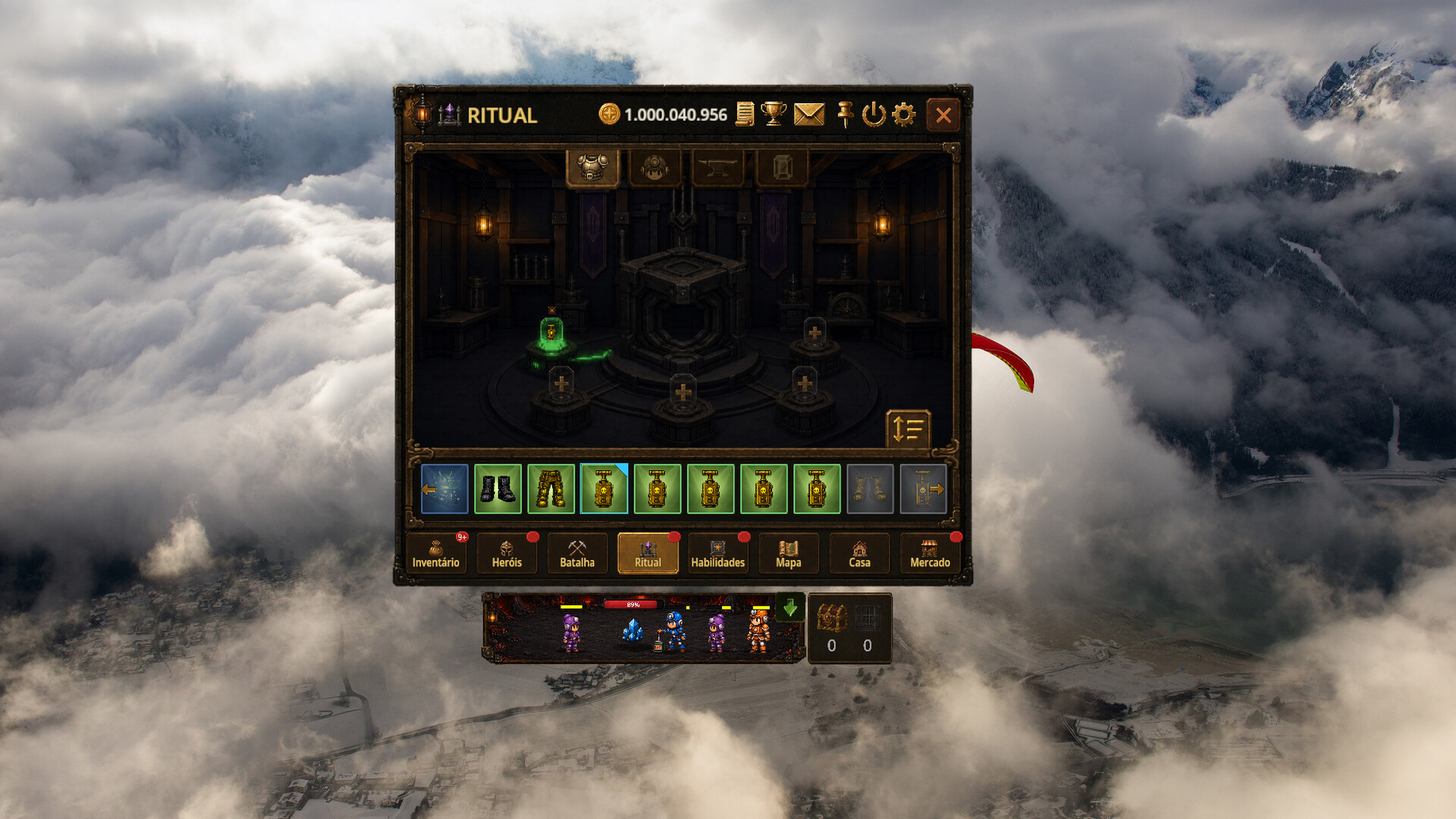
Idle design works when the player can leave, return, and immediately understand what improved. Rare drops add anticipation, while duplicate fusion and reinforcement make even repeated items potentially useful. Steam-market integration can turn loot into a social economy with visible price signals.
Those strengths explain the remaining 3,108-player snapshot and 412 positive lifetime reviews. A free game that offers long-term numerical growth can attract substantial playtime even when sentiment becomes volatile.
The same systems are dangerous when access rules move. If the market is the aspirational endpoint, changing the stage or payment requirements for using it can make earlier purchases and time investment feel devalued.
The market signal at publication
The verified snapshot was:
- 3,108 current Steam players;
- 597 total all-language reviews;
- 412 positive and 185 negative recommendations;
- 69.0% positive after rounding, shown as Mixed;
- free-to-play entry price.
The lifetime aggregate still contains the more favorable launch period. The bounded recent sample is dramatically worse: one positive and 19 negative reviews among the first 20 returned by Steam's recent filter at our check. That sample is self-selected and language-mixed, but the repetition of the same complaint makes it editorially important.
What players praise and criticize
Earlier positive feedback and the initial market report point to easy background play, long progression, rare-item hunting, and the appeal of a tradable economy. Players who enjoy optimizing a roster can treat recovery timers and equipment allocation as planning rather than friction.
Recent negative reviews repeatedly allege that an update raised the progression requirement for market access and reduced or removed a VIP-related advantage that buyers believed they had purchased. Other recurring complaints mention pay-to-win pressure, slow recovery, input or server delay, lost progression after an update, weak support, grind, and dissatisfaction with AI-generated art.
We are summarizing themes rather than repeating accusations as established facts. Store descriptions, patch notes, purchase terms, and developer responses should determine the precise contractual issue. Yet perception itself affects a live economy. When many recent reviewers believe a paid benefit was changed after purchase, future spending becomes harder to justify until the developer explains and remedies the situation.
Competitive meaning and sustainability
Bomb Farm's concurrency proves that a low-cost idle loop can hold attention. It does not prove a healthy economy. Market-driven games depend on confidence that rules will remain legible, items will retain use, and spending will not be retroactively undermined.
Compared with single-player idle games, a player market creates more depth but also more governance burden. Changes intended to slow bots, inflation, or premature trading can still punish legitimate users. The studio needs clear advance notice, grandfathering where appropriate, reliable support, and public reasoning.
The AI disclosure is secondary to the current issue. Some players dislike the visual provenance, but the dominant recent complaint is not aesthetic—it is trust in monetization and progression rules.
Who should play—and spending cautions
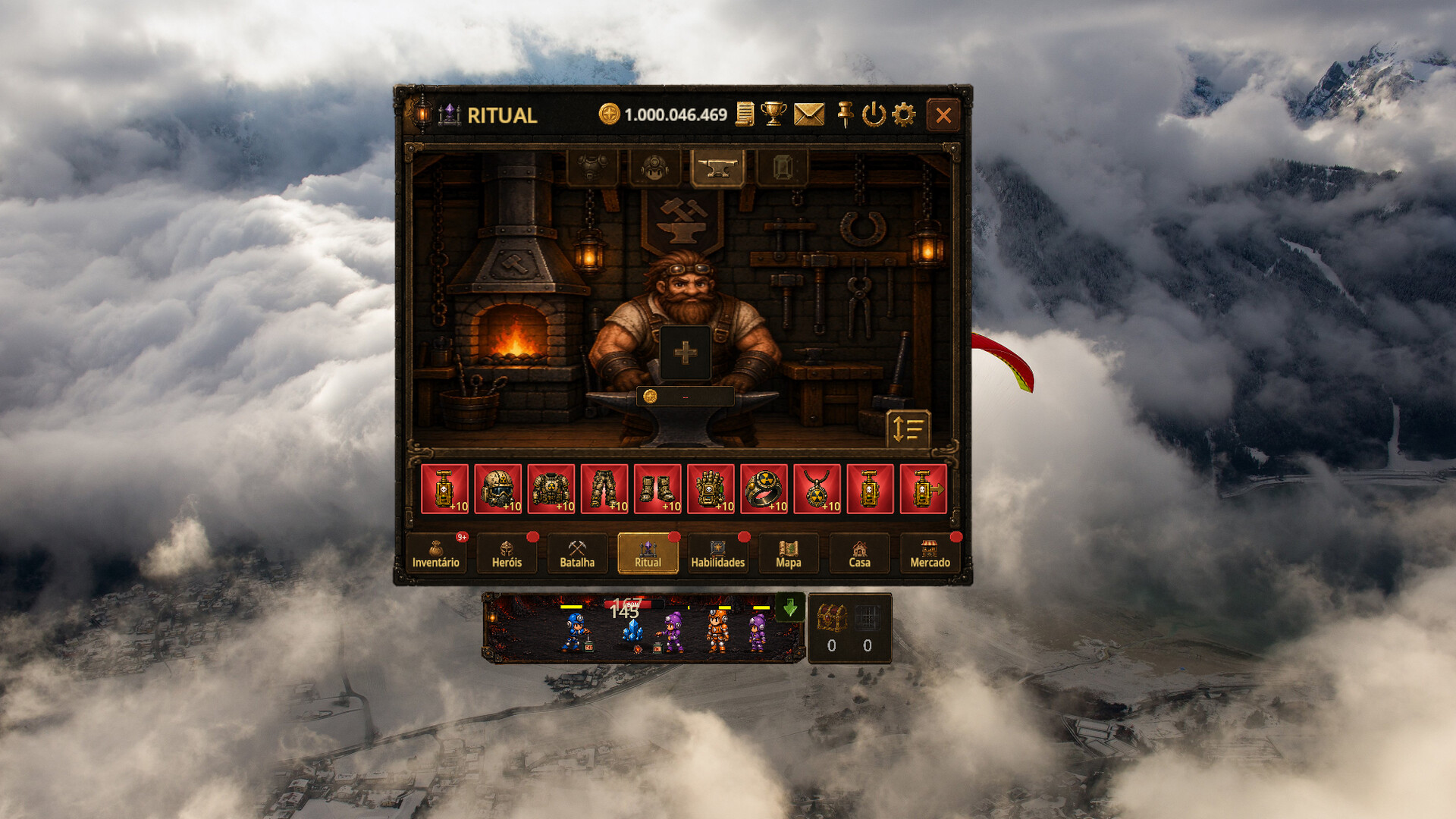
Curious idle-game players can sample Bomb Farm for free and evaluate the first hours without paying. It may fit people who enjoy long numerical progression, roster planning, and leaving a game active in the background.
Do not spend on VIP, marketplace access, or other progression benefits until the current terms are clear and recent reviews show whether the disputed update was reversed, compensated, or adequately explained. Players sensitive to grind, AI-generated assets, or live-economy rule changes should wait.
IndieGame.party verdict
Bomb Farm remains a real activity signal, not an abandoned curiosity. But the market report's earlier 77.3% optimism no longer describes the current review direction. A growing audience with collapsing recent sentiment is a warning, not a contradiction.
Our verdict is free trial only; avoid spending until trust is repaired. The developer's next important feature is not another upgrade layer. It is a transparent resolution for customers who believe a paid entitlement changed after purchase.
Data and image sources
- Official Steam store page: https://store.steampowered.com/app/4892010/Bomb_Farm/
- Steam public review-summary and current-player endpoints, checked September 10, 2026 at approximately 12:05 a.m. MYT.
- Review themes summarize a bounded sample of 20 recent all-language public reviews; individual wording was not reproduced and allegations were not treated as independently proven.
- All four images are official Steam store assets supplied by Stream On, downloaded locally on September 10, 2026 for identification, reporting, and criticism. They are not composited or materially altered.