Batomon Showdown Turns a Demo Community Into a Competitive Season
Batomon Showdown launched on September 15 after treating its free demo as more than a temporary sample. The demo operated as a competitive Season 0, letting players learn the asynchronous auto-battler, form opinions about balance, and build a community before the paid release opened Season 1 with more than 50 additional creatures, six trainers, new trinkets, and a ranking reset.
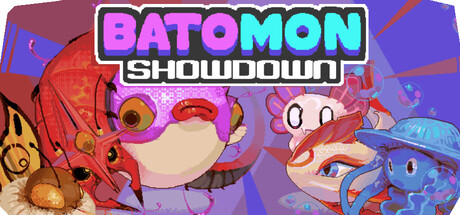
Batomon Showdown launched on September 15 after treating its free demo as more than a temporary sample. The demo operated as a competitive Season 0, letting players learn the asynchronous auto-battler, form opinions about balance, and build a community before the paid release opened Season 1 with more than 50 additional creatures, six trainers, new trinkets, and a ranking reset.
At 1:12 p.m. Malaysia time on September 16, Steam's official endpoints showed 2,221 concurrent players and 188 all-language reviews: 156 positive and 32 negative, or 83.0% positive. The store listed a 35% launch discount at US$9.74. Those figures show a visible launch, not disclosed sales or profit, and this is market and review-signal analysis rather than a hands-on review.
Why it is visible now
The full-release announcement gives experienced demo players a clear conversion event. Rankings restart, the roster expands, and Season 1 begins under a paid product with Steam and Android account linkage. Instead of asking the community to abandon months of knowledge, berrymint turns that knowledge into the reason to return.
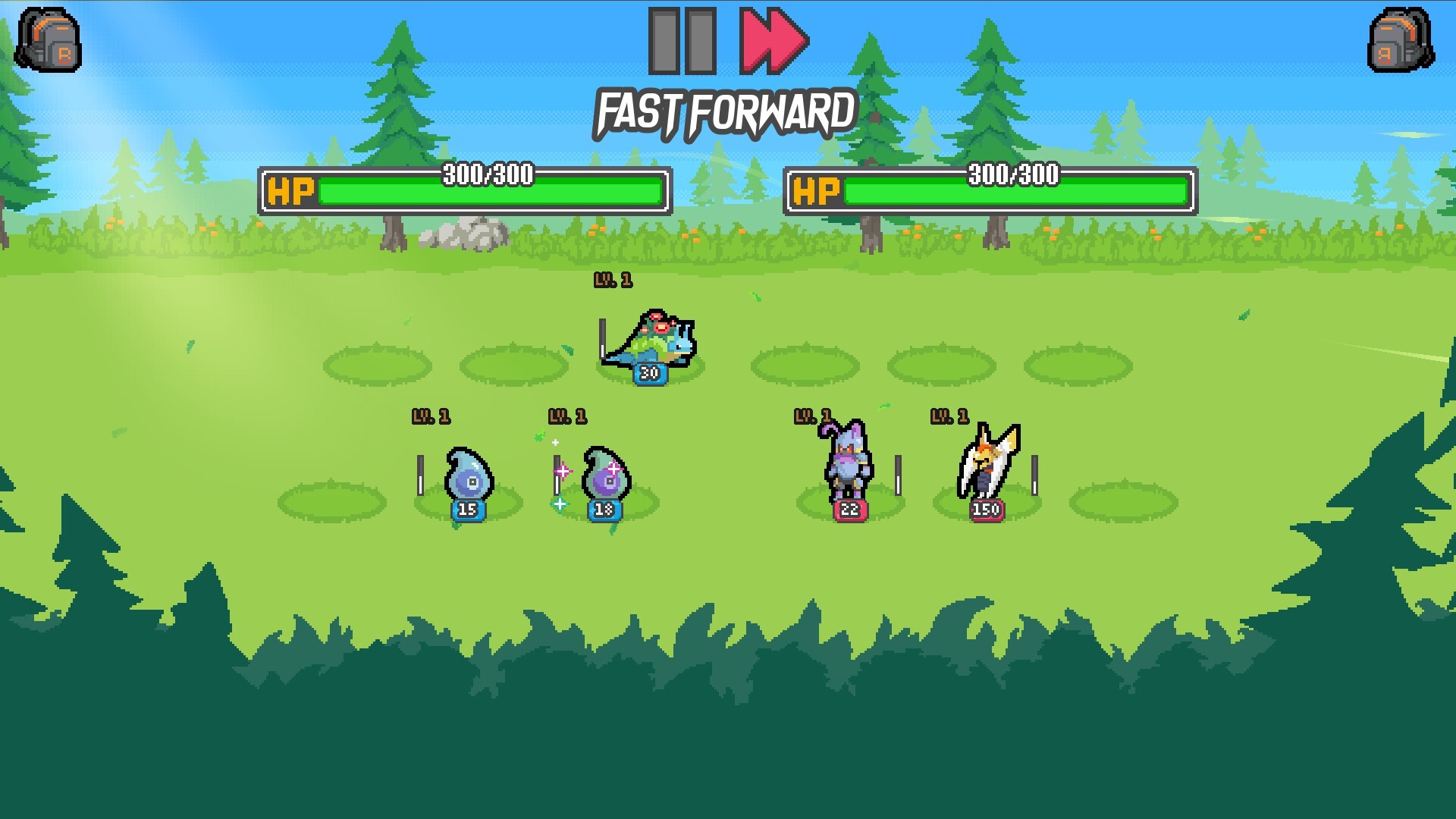
Several recent reviewers report dozens or even hundreds of hours in the demo. Those claims are individual anecdotes, but the repeated pattern confirms that Season 0 functioned as a durable game for part of the audience. This creates an unusually informed launch cohort: early buyers already understand the loop, can evaluate new combinations quickly, and are likely to generate guides and meta discussion.
That strength also raises the standard. A veteran community can detect balance problems immediately. New buyers can enter a game whose strategic language is already mature, making tutorials, matchmaking, and early opponent selection more important than in a purely solo release.
Genre, platform, and release status
Steam lists Batomon Showdown as a released Windows casual, indie, and strategy game from berrymint. The launch post also advertises Android play with account linkage. Steam concurrency therefore describes only one part of the active audience.
The game combines creature collection, roguelike run structure, and asynchronous competition. Players assemble teams rather than directly controlling attacks in real time. Trainers and trinkets alter the strategic space, while seasonal ranks provide a recurring goal. This reduces the reflex and server-synchronization burden of a live action battler while preserving comparison and competitive progression.
The core loop and differentiation
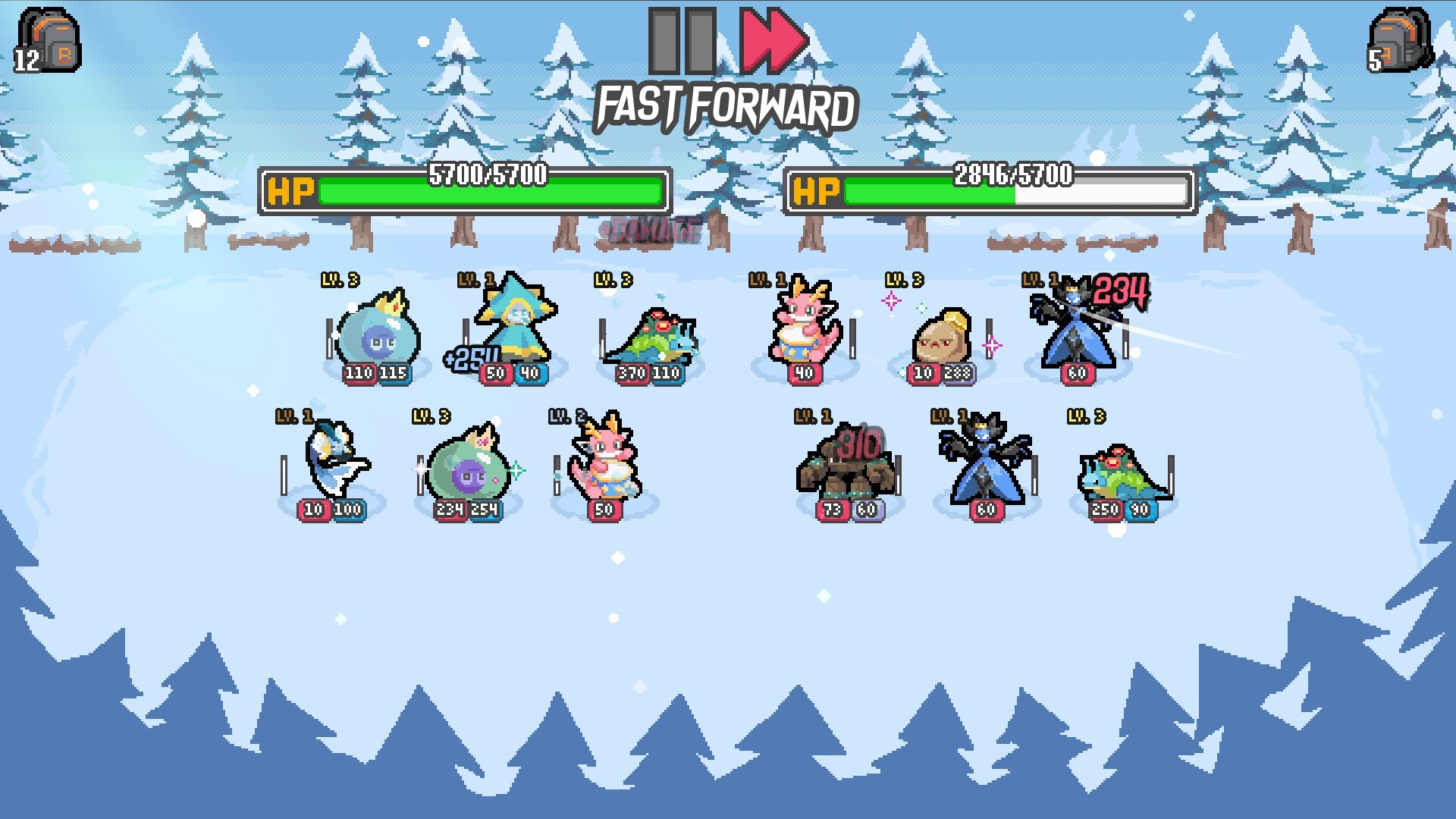
The main loop is choose a trainer, acquire and upgrade Batomon, arrange a three-versus-three formation, equip trinkets, make economy and scaling decisions, and submit the team to asynchronous fights. A run exposes new options and opponents until the build succeeds or collapses.
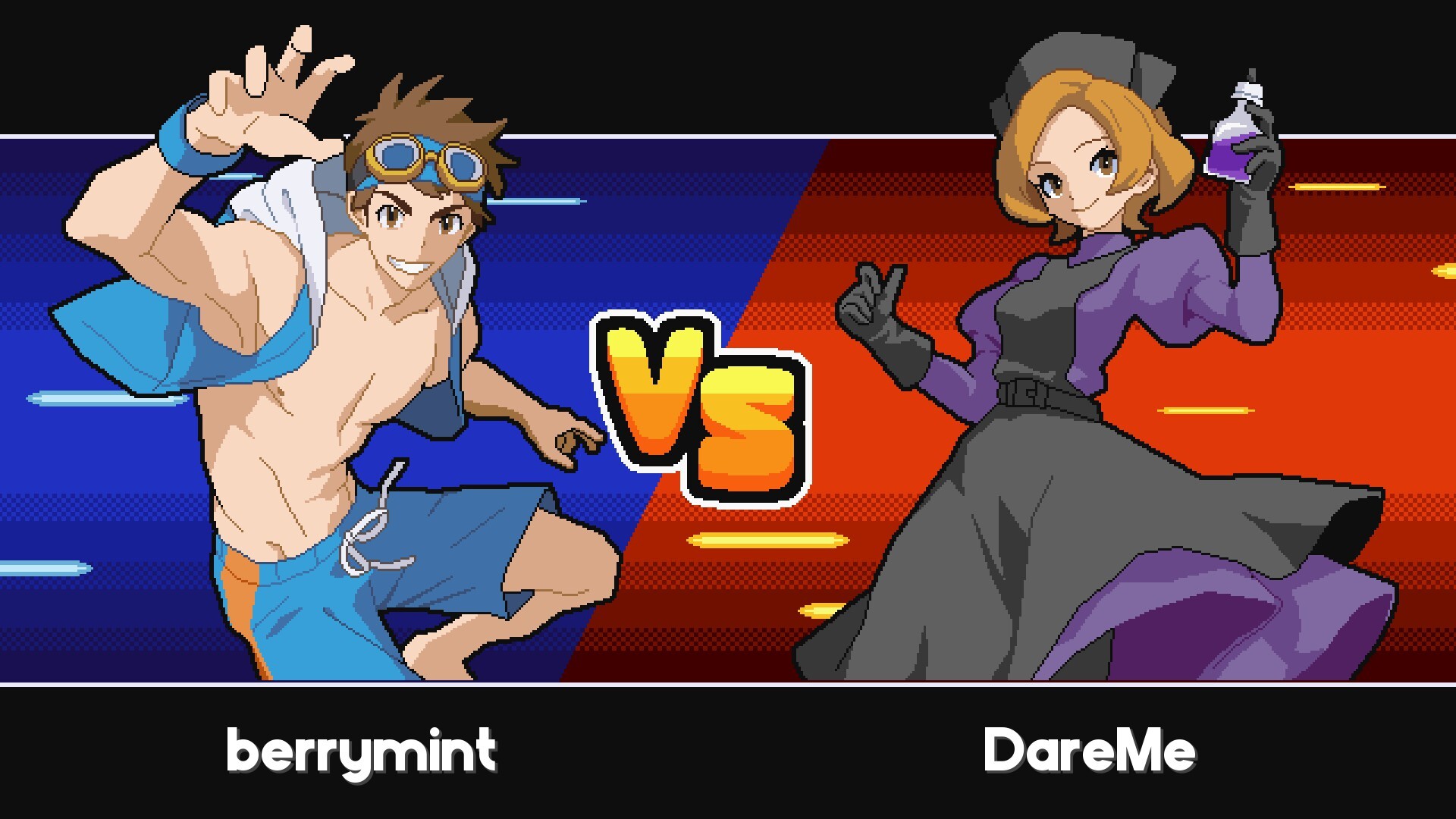
Because combat resolves automatically, the meaningful actions happen before the clash. The player evaluates tempo against long-term scaling, decides whether to strengthen a current unit or pivot, and looks for interactions among types, trainers, positions, and items. The spectacle then acts as feedback on the plan.
Asynchronous design is a practical differentiator. Players do not need to coordinate schedules or maintain a low-latency match from both sides. The game can store an opposing lineup and let another player fight it later. This makes mobile linkage sensible and gives a small team more room to invest in roster variety and balance rather than action animation or complex networking.
Verified market snapshot
The 2,221 concurrent Steam players observed on the day after release are significant for a focused auto-battler. The review pool increased from the morning report's 163 to 188 by the afternoon. Positive sentiment was 83.0%, a healthy result but notably more contested than the strongest launches in today's report.
The count is still small enough to move quickly as veteran demo players and new buyers contribute different expectations. A launch discount also concentrates activity. The durable questions are whether matchmaking remains fast outside peak hours, whether balance patches preserve multiple viable archetypes, and whether seasonal updates add variety without overwhelming new players.
Steam's public endpoints do not reveal sales. Android activity is also not included in the Steam player count. The correct interpretation is a credible initial audience with unresolved retention and balance risk, not proof of a breakout hit.
Repeated praise and complaints
Positive reviews repeatedly praise the depth created by trainers, trinkets, monster variety, and team combinations. Long-time demo players describe the basic rhythm as unusually addictive and easy to start despite a meaningful decision ceiling. Some say they bought the release after extensive free play, which is direct evidence that the demo converted at least part of its most engaged audience.
Criticism clusters around balance and access to competition. Several players argue that only a small number of creatures, shield strategies, or archetypes remain consistently competitive. Others say the expanded roster adds combinations faster than existing problems can be corrected. Reports of slow matchmaking appear in more than one language, and a few new users say they could not find an opponent during onboarding.
The complaints do not prove that every region or rank has a queue problem. Asynchronous matchmaking should reduce scheduling friction, but it still needs a sufficiently broad pool of stored opponents and sensible rules for skill, version, and composition. If new players wait too long or repeatedly face optimized veteran teams, the design loses one of its accessibility advantages.
Competition and market meaning
Batomon Showdown sits between Super Auto Pets, Backpack Battles, creature collectors, and run-based strategy games. Its monsters make team identity more memorable than abstract units, while trainers and trinkets provide a compact way to vary rules without producing new maps.
The launch demonstrates a powerful indie funnel: release a replayable demo, operate it as a real season, learn from a committed audience, then make the paid launch a content and ranking event. This creates stronger intent than a demo that ends after a scripted tutorial. It also transfers community expectations into the commercial version, including demands for fair balance and visible response from the developer.
For small teams, asynchronous play can make competition feasible without building an esports-scale service. It does not remove live-operations work. Every added creature changes a network of matchups, and each season needs enough novelty to justify returning without invalidating accumulated knowledge.
Who should buy and who should wait
Buy if you like buildcraft, creature teams, repeated short runs, and competition based on preparation rather than reflexes. The launch price is low, veterans report substantial replayability, and the player count shows a real pool at the publication check.
Wait if uneven balance makes experimentation feel pointless, if you require instant matchmaking in a particular region, or if you want a large single-player campaign. Newcomers who dislike solving an already-developed meta may prefer to watch the first balance patches before entering ranked play.
IndieGame.party verdict
Batomon Showdown is a smart demo-to-season conversion with a strong strategic core and an immediate balance test. The community evidence is valuable, the asynchronous structure is production-efficient, and the roster creates meaningful combinatorial depth. Our verdict is recommended to auto-battler fans who enjoy evolving metas; cautious buyers should wait for queue and balance data after the launch discount ends.
Data and image sources
- Official Steam store: https://store.steampowered.com/app/4557380/Batomon_Showdown/
- Official release and Season 1 announcement: https://steamcommunity.com/games/4557380/announcements/detail/685264724715111502
- Steam public review summary: https://store.steampowered.com/appreviews/4557380?json=1&language=all&purchase_type=all
- Steam current-player API: https://api.steampowered.com/ISteamUserStats/GetNumberOfCurrentPlayers/v1/?appid=4557380
- All four images are official Steam store assets, © berrymint, downloaded locally on September 16, 2026 for identification, reporting, and criticism without compositing or semantic alteration.