AOKAKI's Demo Proves the Insect-Samurai Hook—Then Tests Your Patience
AOKAKI is not a released game and should not be judged like one. It is a Q2 2027 pixel-art action platformer whose free Steam demo became newly relevant when Akupara Games introduced Kallisti Games as a publishing label and named AOKAKI its first title. At approximately 1:03 p.m. Malaysia time on September 10, the separate AOKAKI Demo page showed 45 all-language reviews, with 40 positive and five negative recommendations: 88.9% positive after rounding. Steam's public player endpoint returned zero current demo players at that moment.
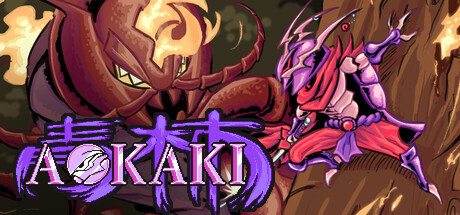
AOKAKI is not a released game and should not be judged like one. It is a Q2 2027 pixel-art action platformer whose free Steam demo became newly relevant when Akupara Games introduced Kallisti Games as a publishing label and named AOKAKI its first title. At approximately 1:03 p.m. Malaysia time on September 10, the separate AOKAKI Demo page showed 45 all-language reviews, with 40 positive and five negative recommendations: 88.9% positive after rounding. Steam's public player endpoint returned zero current demo players at that moment.
That is a small preview signal, not evidence of commercial demand. The useful question is whether the demo demonstrates an identity strong enough to survive a crowded field of retro action platformers. The answer is mostly yes. Its insect ronin, feudal machinery, dash, pogo, and parry systems are memorable. The same review sample also repeats concerns about jump responsiveness, controller input, collision clarity, and difficulty spikes. This article is a preview and public reaction analysis, not a hands-on review.
Why it is visible now
AOKAKI's new attention comes from publishing context rather than a surprise player surge. Akupara used its anniversary showcase to introduce Kallisti Games, and AOKAKI became the label's first announced project. That positioning gives the game a clearer route to marketing, platform relationships, and production support before its planned 2027 release.
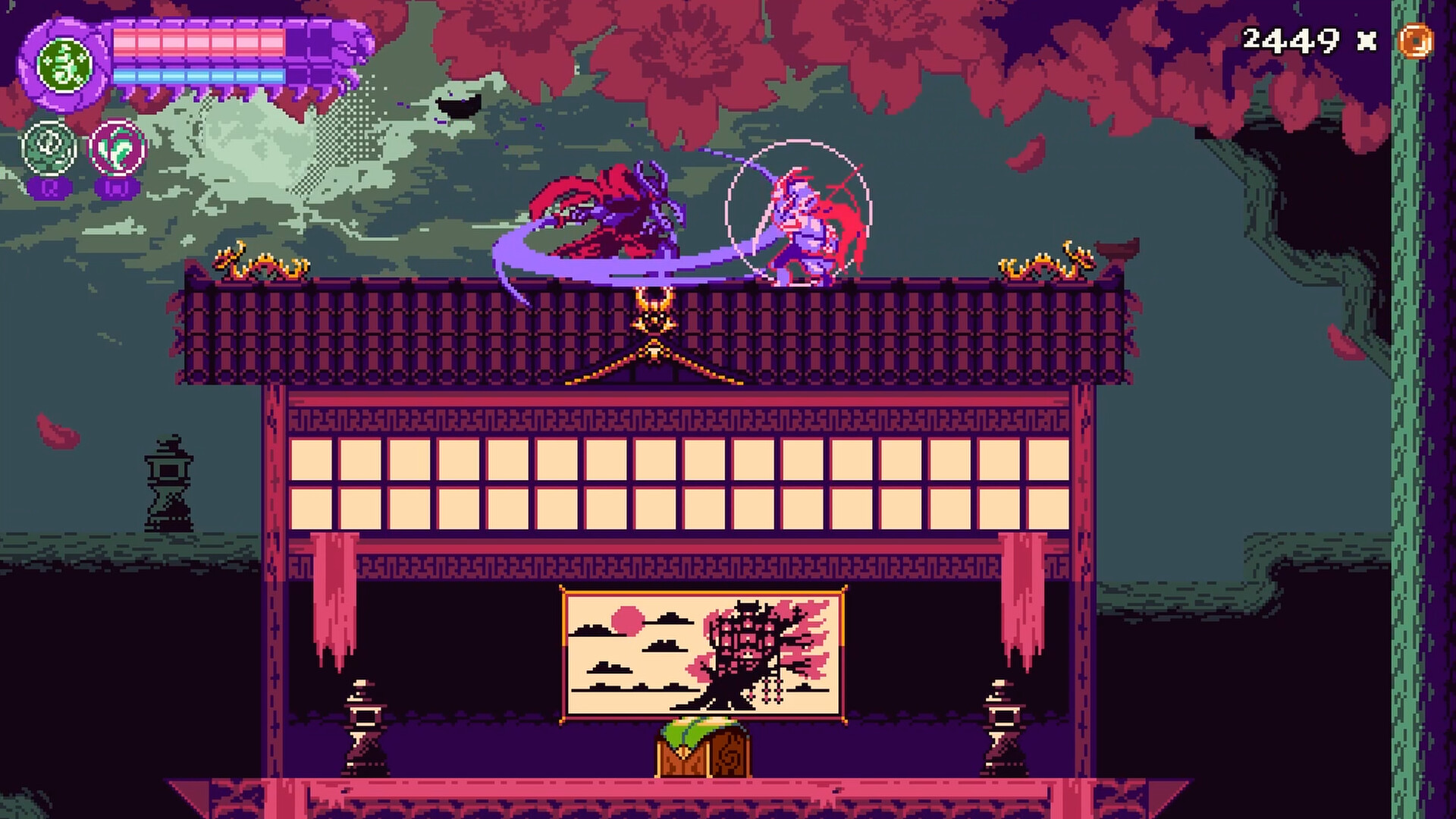
The pitch is unusually compact. A disgraced ronin returns to a homeland damaged by war and confronts insect samurai under a shogun. The protagonist's isopod-like armor and the enemies' recognizable shells, antennae, and limbs make silhouettes do narrative work. A viewer can understand "insect samurai platformer" before learning a character name.
The new label announcement also places extra weight on execution. First titles define what a publishing imprint means. Kallisti is effectively asking AOKAKI to demonstrate its taste: mechanically demanding, visually authored, and distinct enough to stand beside familiar genre references without disappearing into them.
Genre, platform, and release status
Steam lists the full game as Action, Adventure, and Indie for Windows, with a Q2 2027 target. Concha Indigo is the developer; Akupara Games and Kallisti Games are the listed publishers. A free demo is available under a separate Steam app, and that demo's reviews—not the unreleased main page—form the 45-review public sample used here.
This distinction matters. A demo can prove control ideas, atmosphere, and early encounter design. It cannot prove campaign length, boss variety, final performance, price value, or late-game pacing. Zero concurrent demo players at a single early-afternoon snapshot is also weak evidence: free demos often spike around festivals or announcements and then become episodic discovery tools.
The correct label is preview signal. The current material supports analysis of what is playable and how people describe it, while every commercial conclusion should remain provisional until wishlists, release data, and a much larger review pool exist.
The core loop and differentiator
The playable loop combines rapid movement with commitment. The ronin explores compact stages, dashes through hazards, uses a downward pogo strike to extend routes, parries attacks, and fights enemies whose shapes help telegraph behavior. Death and repetition teach timing while secrets and documents reward players who slow down.
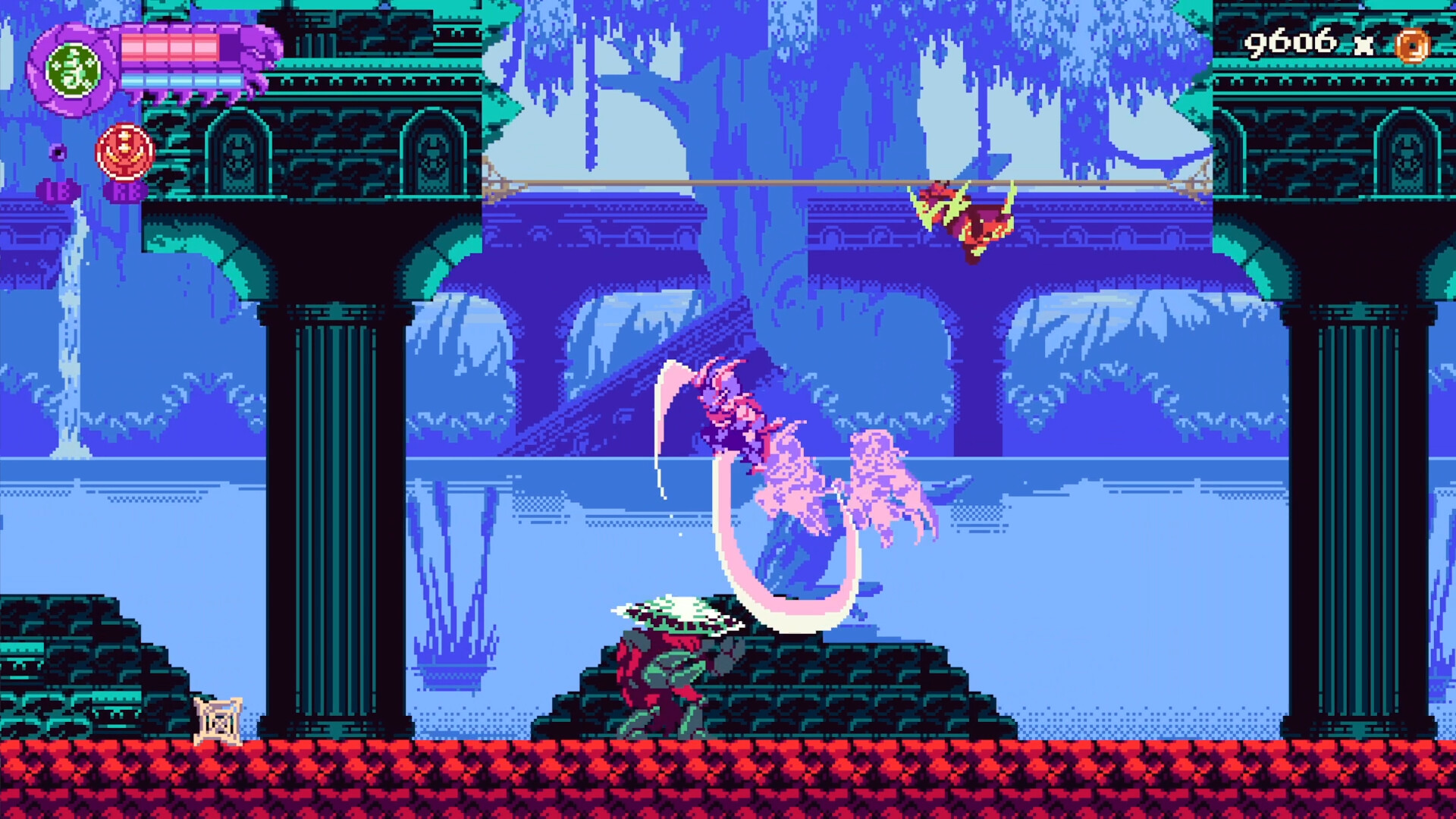
The differentiator is the connection between biology and combat language. A mantis shape can imply a forward slash. A flea-like body suggests jumping. Shells communicate armor before a tutorial panel appears. That relationship can make a low-resolution sprite more informative than a highly detailed human fighter.
AOKAKI also borrows recognizable verbs without copying a single structure wholesale. The pogo attack recalls Shovel Knight; the interconnected mystery and death economy evoke modern exploration platformers; the pace and sword silhouette resemble 8- and 16-bit action games. The opportunity is to make the insect body plan change how those verbs combine, rather than allowing references to become the whole identity.
Market numbers and review signal
The refreshed public snapshot was:
- full game planned for Q2 2027 on Windows PC;
- free demo available now;
- 45 all-language demo reviews;
- 40 positive and five negative recommendations;
- 88.9% positive after rounding;
- zero current demo players at the specific check time.
There is no public unit-sales figure because the full game is not on sale. Steam does not publish wishlists, conversion rates, or unique demo downloads through these public endpoints. The 45 reviews are therefore a feedback sample, not a demand forecast.
We inspected 30 recent demo reviews returned by Steam. Twenty-five were positive and five negative. Some positive reviewers still reported control or platforming concerns, so the 25-to-five split should not be read as 25 unqualified endorsements.
What players praise and criticize
Praise repeats around the pixel art, music, retro atmosphere, insect character design, and the promise of a challenging platformer. Several reviewers explicitly connect it to games such as Shovel Knight, Hollow Knight, Mega Man Zero, Ninja Gaiden, or The Messenger. Those comparisons show that the intended audience immediately recognizes the mechanical neighborhood.
More importantly, players describe the world and character silhouettes as memorable rather than merely competent. The demo appears to make people curious about the story and full release, which is exactly the job of a preview build. Some reviewers also praise the range of actions—dash, parry, pogo, upward attack—and the satisfaction of mastering secrets.
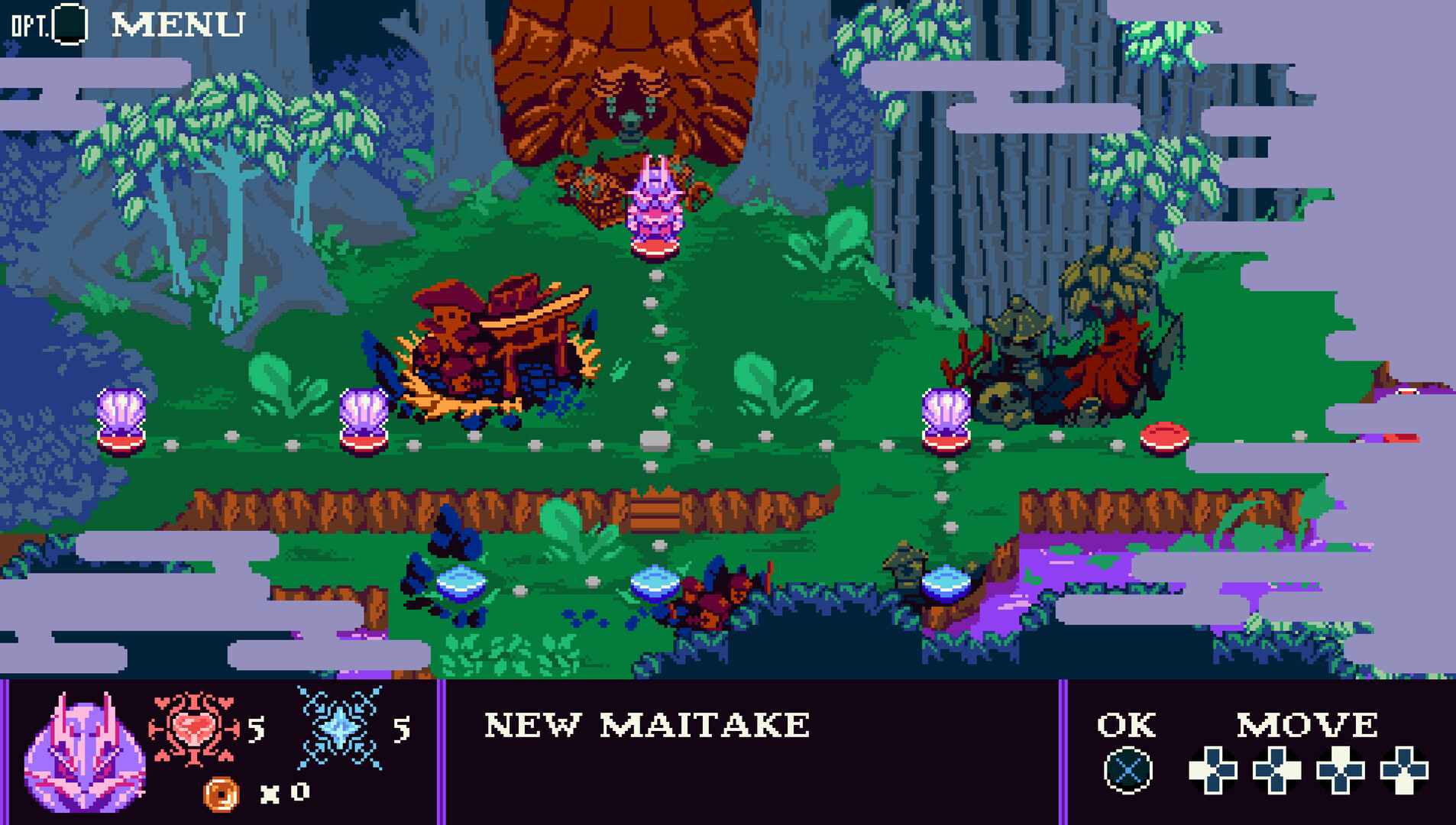
Criticism clusters around responsiveness. Multiple reviewers mention jump inputs failing or feeling delayed on controllers, pogo hit detection that does not match the visible distance, stiff attack transitions, strict parry timing, slippery speed, and platforming sections that turn repetition into irritation. Difficulty itself is not the only complaint; the repeated distinction is between demanding timing and controls that feel unreliable.
That is a high-priority warning for a precision platformer. Players accept failure when the cause is legible. They become less tolerant when the character appears not to obey an input or when an attack range contradicts the sprite. The small sample means the problem's frequency is unknown, but the theme appears too often to dismiss.
Meaning beside its competitors
The retro-action market rewards instantly readable identity because mechanical competence is common. AOKAKI's strongest competitive asset is therefore not another dash or parry. It is the insect-feudal fusion and the way that fusion can inform enemies, architecture, traversal, and story.
Compared with Hollow Knight, the project appears more stage-driven and overtly action-forward. Compared with Shovel Knight, it leans harder into parry timing and a war-torn narrative world. Compared with Mega Man Zero, it has room to use exploration and document-based lore. Those comparisons may attract the right audience, but they also create expectations for precise input, hitbox consistency, and strong boss telegraphs.
The production lesson is efficient. Concha Indigo can reuse core body rigs while changing shells, antennae, weapons, and limb proportions to create enemies that look different at small resolutions. Shared impact effects and modular environment tiles can control cost. The danger is letting visual density obscure the silhouettes that make the concept effective.
Who should try the demo—and who should wait
Try the free demo if you enjoy demanding pixel platformers, parry systems, compact secrets, and unusual worldbuilding. It costs nothing and offers a better basis for judging the movement than trailers or screenshots. Players interested in game art should also look at how insect anatomy creates readable enemies without enormous sprites.
Wait for later builds if inconsistent controller response quickly ruins a precision game for you. The full release is still planned for 2027, leaving meaningful time for input buffering, collision, pogo range, tutorials, and difficulty tuning to change. Do not treat a positive demo review as a promise about campaign scope or launch quality.
IndieGame.party verdict
AOKAKI has a promising creative signal and an unproven market signal. Forty positive demo recommendations show genuine affection, and the 88.9% share is encouraging. The total sample is still only 45, while the zero-player snapshot shows why a free demo cannot be evaluated like a live launch.
Our verdict is wishlist it for the art direction, but make control polish the release test. The new publishing support gives the project a stronger path to 2027. If Concha Indigo turns the repeated input complaints into clear technical improvements, AOKAKI's insect-samurai identity is strong enough to earn another look.
Data and image sources
- Official full-game Steam page: https://store.steampowered.com/app/2925520/AOKAKI/
- Official demo Steam page and public review/current-player endpoints: https://store.steampowered.com/app/3250070/AOKAKI_Demo/
- Akupara/Kallisti announcement context was checked against the September showcase reporting and the official Steam publisher listing on September 10, 2026.
- Review themes summarize a bounded sample of 30 recent all-language demo reviews; individual wording was not reproduced.
- All four images are official Steam store assets supplied by Akupara Games and Kallisti Games, downloaded locally on September 10, 2026 for identification, reporting, and criticism. They are not composited or materially altered.